
Blog
The Honest Guide to Choosing the Right Clay Mask for Acne-Prone Skin
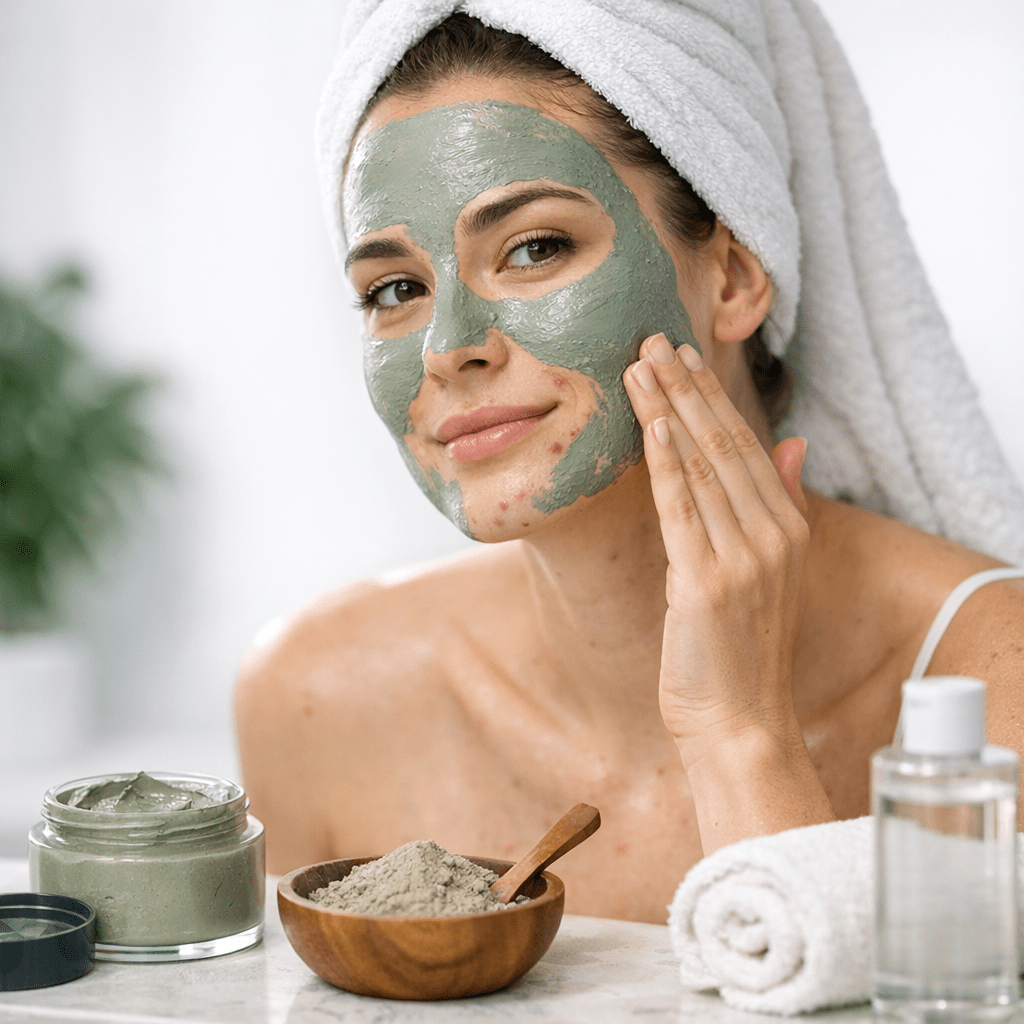
Picture this: it’s a Sunday evening, and you’ve just spent half an hour scrolling through TikTok skincare recommendations. Your bathroom counter is already packed with unused products, but here you are, debating if this clay mask might finally be the one. Sound familiar?
If you’ve got acne-prone skin, picking the right clay mask isn’t just frustrating—it can feel downright impossible. You need something that detoxifies without stripping, fights breakouts without leaving your face dry as a desert, and fits into your routine like it’s been there all along. But here’s where most people go wrong: not all clay masks are created equal, and grabbing the first pretty jar off the shelf could make things worse, not better.
In this guide, you’ll discover:
- Which type of clay works best for acne-prone skin (hint: it’s not always bentonite).
- The surprising ingredient you need to avoid if your skin is inflamed.
- How to tell if a mask is actually helping or just hyped-up fluff.
Let’s cut through the noise and figure out what really works for your skin.
Why Clay Masks Are a major shift for Acne-Prone Skin
Clay masks aren’t new—they’ve been around for centuries. Cleopatra reportedly used them (and let’s face it, her skincare was probably light-years ahead of her time). But why do they still matter in 2026? Because they’re one of the few treatments that tackle multiple acne triggers at once: excess oil production, clogged pores, and inflammation.
Here’s how it works: clays like bentonite and kaolin act like sponges. They soak up oil trapped in your pores while pulling out dirt and impurities that cause breakouts. The result? Smoother skin, fewer pimples, and less shine throughout the day—if you choose the right formula.
But here’s where it gets tricky: use the wrong mask (or overdo it), and your skin will retaliate with dryness, irritation, or even more breakouts. That brings us to our first key decision.
Key takeaway: Clay masks can work wonders on acne-prone skin by absorbing oil and clearing pores—but only if you pick one tailored to your needs.
Also worth reading: 10 Best Hydrating Cleansers for Dry Skin
3 Types of Clay You Need to Know About
Not all clays are created equal—and picking the wrong one could leave you regretting that $40 splurge faster than a bad haircut. Let me walk you through the three main types of clay used in masks so you can spot exactly what your skin needs.
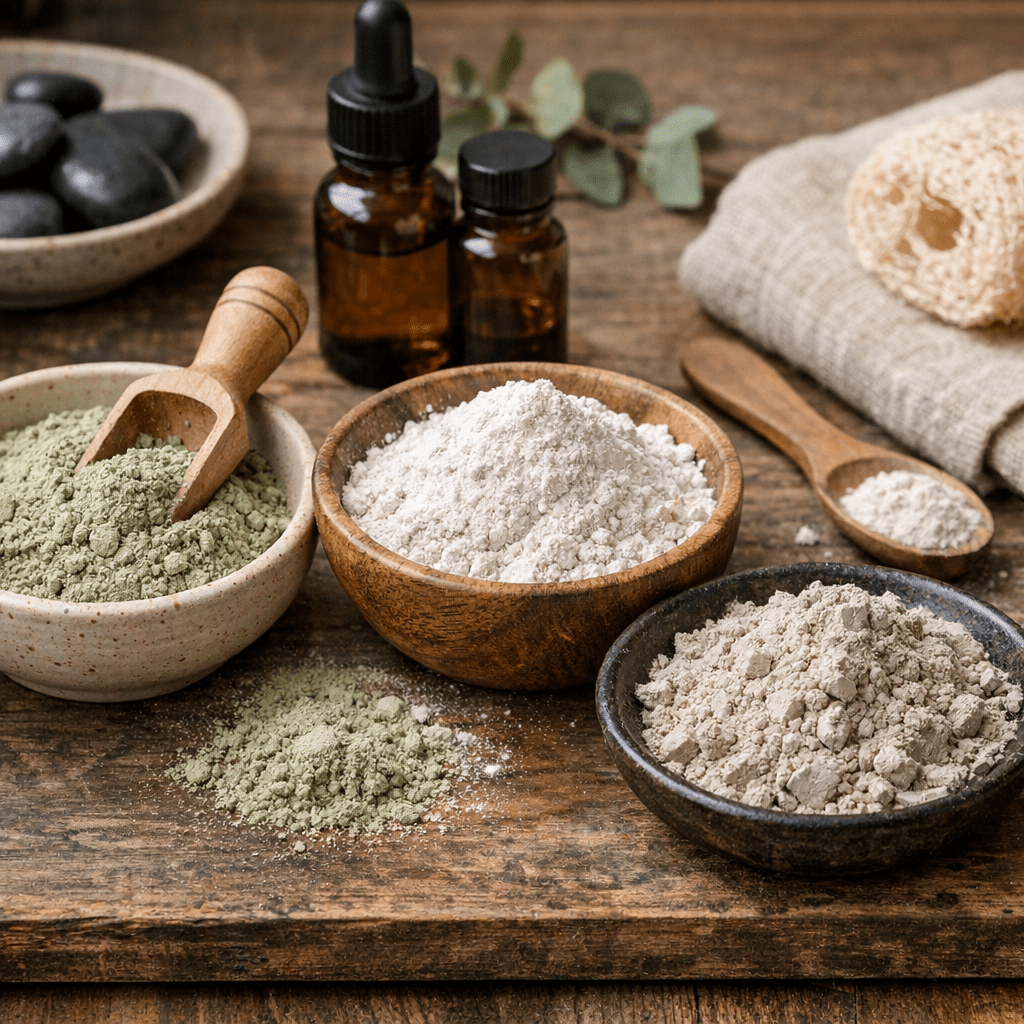
1. Bentonite Clay — The Heavy-Duty Oil Absorber
This stuff is like a vacuum cleaner for oily skin—no joke. Bentonite clay is made from volcanic ash (fancy!) and has crazy absorbent powers that suck up sebum and toxins like nobody’s business. It also tightens pores as it dries out on your face.
Best For: Super oily or cystic acne-prone skin that needs serious oil control.
Watch Out For: If your skin tends to be sensitive or dry in patches (hello combination folks!), bentonite might be too much because it can over-dry those areas.
2. Kaolin Clay — The Gentle All-Rounder
Kaolin comes in different colors—white being the mildest—and offers gentler cleansing compared to bentonite. It still absorbs oil but doesn’t completely strip away moisture from your skin.
Best For: Combination or slightly oily acne-prone skin that needs balance without irritation.
Pro Tip: If you’re battling redness or sensitive spots alongside pimples, opt for white kaolin—it’s soothing enough for even reactive complexions.
3. French Green Clay — The Detox Master
With its beautiful pale green color courtesy of decomposed plant matter and iron oxide (!), French green clay is known for its deep-cleansing properties while also delivering minerals back into your skin.
Best For: Inflamed breakouts or hormonal acne when detoxification + soothing are both priorities.
Tradeoff Alert: While great for inflammation reduction, French green clay doesn’t absorb as much oil as bentonite does—so skip this if shiny T-zones are driving you nuts!
Related guide: How to Choose the Right Toner for Acne-Prone
Key takeaway: Match your mask’s main ingredient with what your specific type of acne-prone skin craves—whether it’s heavy-duty oil absorption (bentonite) or gentle rebalancing (kaolin).
What Ingredients Should You Avoid?
You might think any “skincare” product labeled as an acne solution would be safe—but nope! Some ingredients lurking in certain clay masks are lowkey sabotaging your progress.
1) Alcohol Denat
This sneaky ingredient shows up in formulas marketed as “mattifying.” Sure—it’ll zap away grease like magic at first… until two days later when dehydration triggers rebound oiliness and more zits than before.
2) Synthetic Fragrance
If there was ever an unnecessary addition to skincare products targeted at sensitive/acneic types—it’s fragrance! Even natural oils labeled as “essential oils” can irritate inflamed areas beyond repair sometimes!
3) Microbeads or Harsh Exfoliants
Yeah exfoliation seems tempting—but micro-abrasive scrubs mixed within semi-clay hybrids often tear micro barriers causing infection flares worsening red-hot breakout zones!!…