
Blog
The Complete Guide to Choosing the Right Toner for Post-Acne Redness
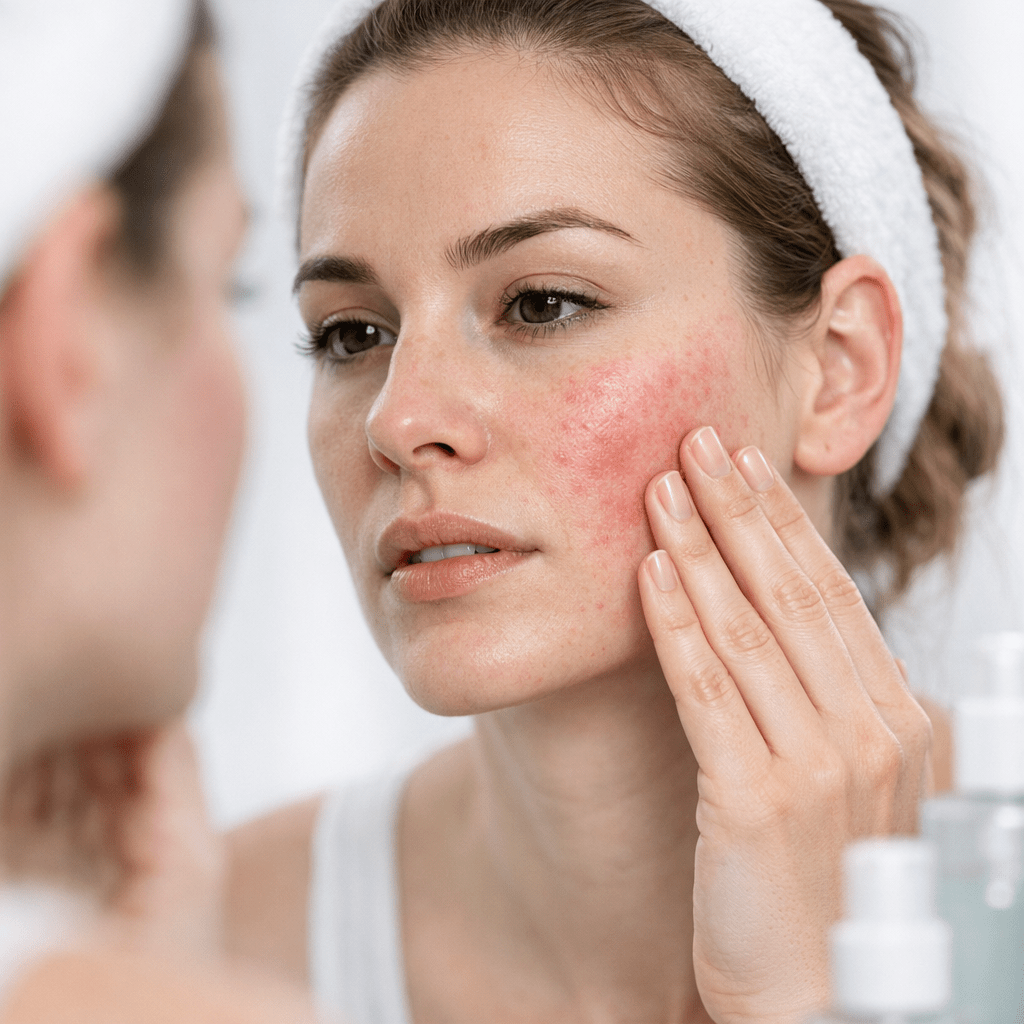
Here’s a scenario you might know too well: You’ve finally cleared up your acne after months of trial-and-error with cleansers, treatments, and prayers to the skincare gods. But now you’re left with that stubborn post-acne redness—those blotchy patches that make your skin look irritated even when it’s technically “healed.” Frustrating, right?
The wrong toner can make this situation worse. Harsh alcohol-based formulas can dry out your skin, while overly rich toners might clog pores and trigger new breakouts. And let’s be honest—nobody has time (or money) to waste on products that don’t deliver.
So how do you find the one? In this guide, we’ll break down everything you need to know about choosing the right toner for post-acne redness.
- What ingredients actually reduce redness without messing up your skin barrier
- The biggest mistakes people make when picking a toner
- A practical checklist so you can shop smart (and avoid buyer’s regret)
Let’s get into it.
Why Does Post-Acne Redness Happen?
Before we talk solutions, let’s understand the problem. Post-acne redness—technically called post-inflammatory erythema (PIE)—is caused by damaged blood vessels under the skin from inflammation. It’s different from hyperpigmentation (those brown spots), which comes from excess melanin production. If your red marks linger for weeks or months after a breakout heals, you’re probably dealing with PIE.
Here’s where it gets tricky: PIE doesn’t fade overnight because blood vessels take time to repair themselves. And anything that irritates your skin further—like over-exfoliating or using harsh actives—can make those red marks stick around even longer. That’s why a good toner is crucial: it calms your skin down and gives it space to heal without triggering more inflammation.
Cost of inaction: If you keep ignoring PIE and bombarding your face with random products, those red marks will stay put—and you could end up cycling back into another round of breakouts from irritation overload.
3 Mistakes People Make When Choosing a Toner for Redness
1. Choosing Alcohol-Based Formulas
Alcohol-heavy toners might feel refreshing at first (especially if you’ve got oily or combination skin), but they’re secretly sabotaging you by stripping away moisture and irritating sensitive areas. This creates a vicious cycle: dryness → inflammation → slower healing → persistent redness.
Key takeaway: Avoid SD alcohol and denatured alcohol in the ingredient list at all costs unless they’re listed way at the bottom (below preservatives).
2. Overloading on Active Ingredients
You might think doubling down on actives like salicylic acid or glycolic acid will fast-track results—but nope. Overexfoliation is one of the fastest ways to turn mild PIE into full-blown irritation. Remember, this stage is all about calming things down, not attacking them aggressively.
Common myth: “More acids = faster fading.” Reality: Overdoing it inflames damaged blood vessels further, making redness worse—not better.
3. Ignoring Your Skin Type
Not every toner works for every face! For example:
Also worth reading: 10 Best Hydrating Cleansers for Dry Skin
- Oily or acne-prone? You’ll want something lightweight but hydrating (think aloe vera or niacinamide).
- Dry or sensitive? Look for soothing ingredients like calendula or ceramides.
- Combo skin? Go for balancing options like green tea extract that calm oiliness without drying out other areas.
Key takeaway: Match your toner to your skin type—it makes a bigger difference than you think.
The Ingredients That Actually Work on Post-Acne Redness
If there were an Oscars for skincare ingredients that fight redness effectively, these would win every year:
1. Niacinamide
A true multitasker! Niacinamide strengthens the skin barrier while reducing inflammation and improving tone over time—even dermatologists swear by it in 2026 as their go-to ingredient for treating PIE gently.
Pro tip: Look for toners with 5% niacinamide—it’s effective without risking irritation from higher concentrations.
2. Centella Asiatica (Cica)
This K-beauty favorite is famous for its soothing properties and ability to calm angry-looking skin fast.
Real-world example: When I tested Cleanface.shop’s “Calm & Clear Cica Toner” earlier this year, my redness visibly reduced within two weeks—without any stinging or tightness afterward.
3. Panthenol (Vitamin B5)
Panthenol hydrates deeply while helping repair damaged tissue—a lifesaver if your post-acne marks come with any lingering sensitivity issues.
4. Licorice Root Extract
This underrated gem reduces discoloration over time while also acting as an anti-inflammatory superhero.
5. Green Tea Extract
Packed with antioxidants, green tea tones down both oil production and irritation—a double win if summer humidity has your face acting up.
Best Practices: How to Use Your Toner Effectively
Even the best product won’t work miracles if you’re not applying it right:
- [ ] Always patch-test first! Apply behind your ear before slathering all over.
- [ ] Use after cleansing but before serums/moisturizers.
- [ ] Pat gently onto damp skin instead of rubbing harshly.
- [ ] Pair calming toners with SPF daily—you need protection against UV-induced worsening of PIE!
Sound familiar? Most people skip sunscreen entirely during their healing phase—and end up prolonging recovery unnecessarily because UV light breaks down fragile blood vessels even more.
Before/After Impact of Using the Right Toner
Here’s what I noticed when switching from an alcohol-loaded drugstore toner to one designed specifically for redness:
| Before | After |
|—————————–|—————————-|
Related guide: How to Choose the Right Toner for Acne-Prone
| Tight/dry sensation | Balanced hydration |
| Red patches lasted months | Faded noticeably in weeks |
| Occasional flare-ups | Calmer overall tone |
The difference wasn’t instant—but consistent use made a visible impact within six weeks!
Myth-Busting: Is Witch Hazel Good for Redness?
Common myth: Witch hazel is a cure-all toner ingredient because it reduces oiliness quickly.
Reality: While witch hazel can temporarily “shrink” pores by tightening them up, its long-term effects often lean toward drying out already-sensitive areas—which isn’t helpful when dealing with PIE specifically.
If you’re tempted by witch hazel-based toners marketed as all-purpose solutions…don’t fall for it unless they include hydrating buffers like glycerin or aloe alongside them!
Practical Action Plan Checklist
Ready to start shopping smarter? Here are steps worth bookmarking:

1) Double-check ingredients: ✅ Soothing elements only; ❌ Harsh alcohols/acids.
2) Match formula texture according to seasonality/climate changes near YOU.
3) Prioritize known brands whose formulations emphasize science-backed efficacy over buzzwords/hype cycles hyped ads..