
Blog
The Ultimate Guide to Choosing the Right Salicylic Acid Cleanser for Teenage Acne and Blackheads
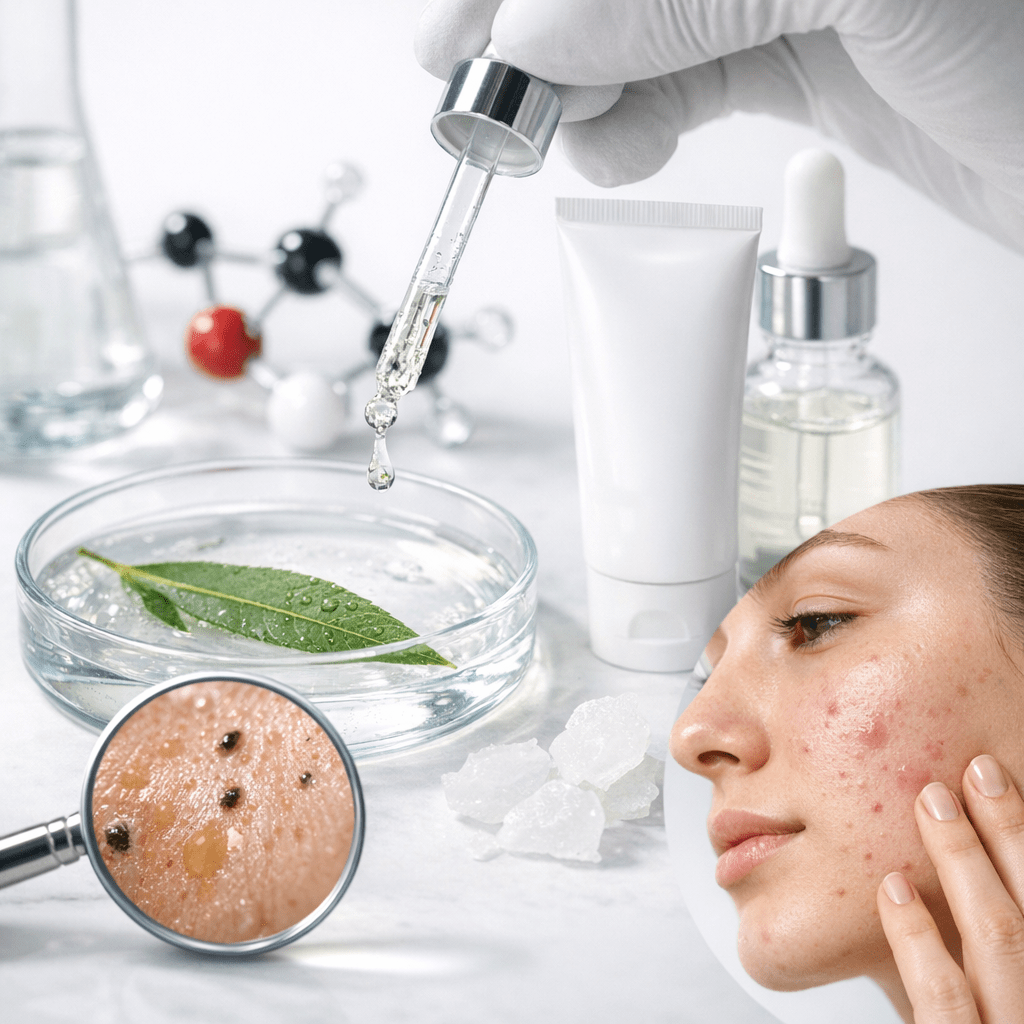
Let’s be real—teenage acne is a nightmare. One minute, your skin is glowing, and the next, you’re dealing with breakouts that seem to multiply overnight. And then there are those stubborn blackheads that refuse to budge no matter how many times you scrub your face. Sound familiar?
Here’s the thing: choosing the right salicylic acid cleanser can be a major shift. But picking one isn’t as simple as grabbing the first bottle off the shelf at Target. Some cleansers dry out your skin so much it feels like sandpaper; others don’t do much of anything except empty your wallet. If you’ve ever stood in a drugstore aisle feeling overwhelmed by options—or worse, bought something that made everything worse—you’re not alone.
In this guide, we’re cutting through the noise. You’ll learn:
- Why salicylic acid works (and why it sometimes doesn’t).
- How to choose a cleanser based on your skin type and acne severity.
- Real examples of products that actually work—plus what to avoid like the plague.
By the end, you’ll know exactly what to look for—and what to skip—so you can get clearer skin without wasting time or money.
What Makes Salicylic Acid So Effective for Acne?
Put simply: salicylic acid is like a tiny vacuum cleaner for clogged pores. It’s a beta hydroxy acid (BHA), which means it’s oil-soluble and can penetrate deep into your pores to break down gunk like excess oil, dead skin cells, and bacteria—all things acne loves to feast on.
But here’s where it gets tricky: not every formulation works equally well, even if they all say “salicylic acid” on the label. Concentration matters—a lot. Most cleansers contain 0.5%–2% salicylic acid, but depending on how sensitive or oily your skin is, one concentration might be way better than another.
Common myth: The higher the percentage of salicylic acid, the better it works.
Reality: Too much can irritate your skin and make acne worse by stripping away natural oils.
Also worth mentioning: A cleanser’s texture—gel vs cream vs foam—can affect how well it works with your specific skin type (we’ll dive into this later).
Key takeaway: Salicylic acid is powerful but needs proper pairing with your unique skin type and concerns to actually deliver results.
Also worth reading: 11 Best Affordable Facial Kits for Dry Skin
5 Signs You’re Using the Wrong Cleanser
Before we talk about picking the right product, let’s make sure we’re clear about what doesn’t work:
1. Your face feels tight or itchy after cleansing – That squeaky-clean feeling? Not good! It usually means your cleanser is too harsh and has stripped away essential moisture.
2. You’re still breaking out in clusters after weeks of use – Salicylic acid takes time but should show some improvement within 4–6 weeks if it’s effective.
3. Your blackheads are laughing at you – If those pesky dots haven’t budged despite consistent use, chances are your formula isn’t penetrating deep enough.
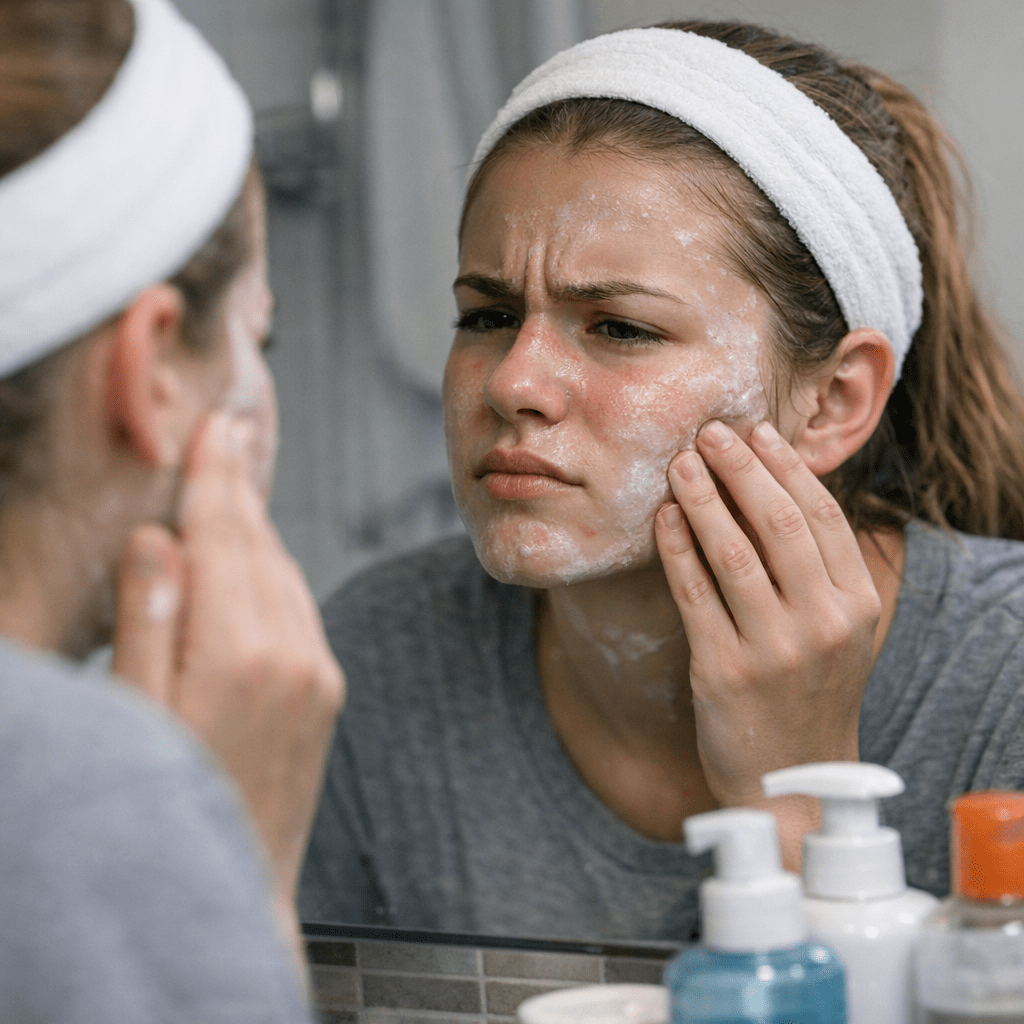
4. You’ve got redness or flakes everywhere – Over-drying causes irritation, which makes acne worse (talk about adding insult to injury).
5. It smells like rubbing alcohol – Alcohol-heavy cleansers often overstrip and leave sensitive teenage skin more prone to damage.
If any of these sound familiar… yeah, it’s definitely time for an upgrade.
Different Skin Types Need Different Solutions
Here’s where most people mess up—they pick a cleanser without considering their actual skin type or how severe their acne really is.
Oily Skin: Bring On That Deep Clean
If you struggle with an oil slick by noon every day (you know what I’m talking about), go for foaming gel cleansers with at least 1%–2% salicylic acid concentration. These will help nix excess sebum without leaving behind residue—a lifesaver when you already feel greasy enough to fry an egg on your forehead by lunchtime.
Recommended option: Clean & Clear Essentials Foaming Facial Cleanser—affordable yet effective at tackling shine while keeping pores clear.
Dry or Sensitive Skin: Gentle Is Key
Got flaky patches or redness? Look for cream-based formulas with lower concentrations (around 0.5%). Bonus points if they include hydrating ingredients like glycerin or ceramides—it keeps irritation at bay while still cleaning out those pesky clogged pores.
Related guide: 10 Best Hydrating Cleansers for Dry Skin
Real-world example: CeraVe Renewing SA Cleanser. It balances exfoliation with moisture so it won’t irritate delicate teen skin trying its best against hormonal mayhem.
Combination Skin: The Balancing Act
You’ve got oily zones and dry spots? Tricky—but manageable! Look for lightweight gels enriched with soothing agents like aloe vera or green tea extract alongside 1%–2% salicylic content.
Try this hybrid hero: Neutrogena Oil-Free Acne Wash Pink Grapefruit Facial Cleanser—it fights grease without aggravating drier areas around cheeks or jawline.
What About Ingredients? Here’s What You Should Prioritize
Not all salicylic acid cleansers are created equal; some come loaded with extra ingredients that amplify their effectiveness—or totally derail them depending on who’s using them! Here’s what should catch (or raise) red flags:
Ingredients That Help:
- Niacinamide: Reduces inflammation + strengthens barrier function = less redness overall.
- Hyaluronic Acid/Glycerin: Counteracts dryness commonly associated w/ BHAs.
- Aloe Vera / Chamomile Extracts: Perfectly calming especially post-breakout sessions!
Ingredients To Avoid:
1) Overloaded Fragrances
2) Denatured Alcohols (not fatty alcohols which hydrate!)
3) Menthol/Mint Extracts (feels refreshing short-term BUT dries long term)
This brings us back directly into understanding why certain brands totally miss delivering…