
Blog
The Honest Guide to Choosing the Best Retinol Cream for Fine Lines and Wrinkles Over 50
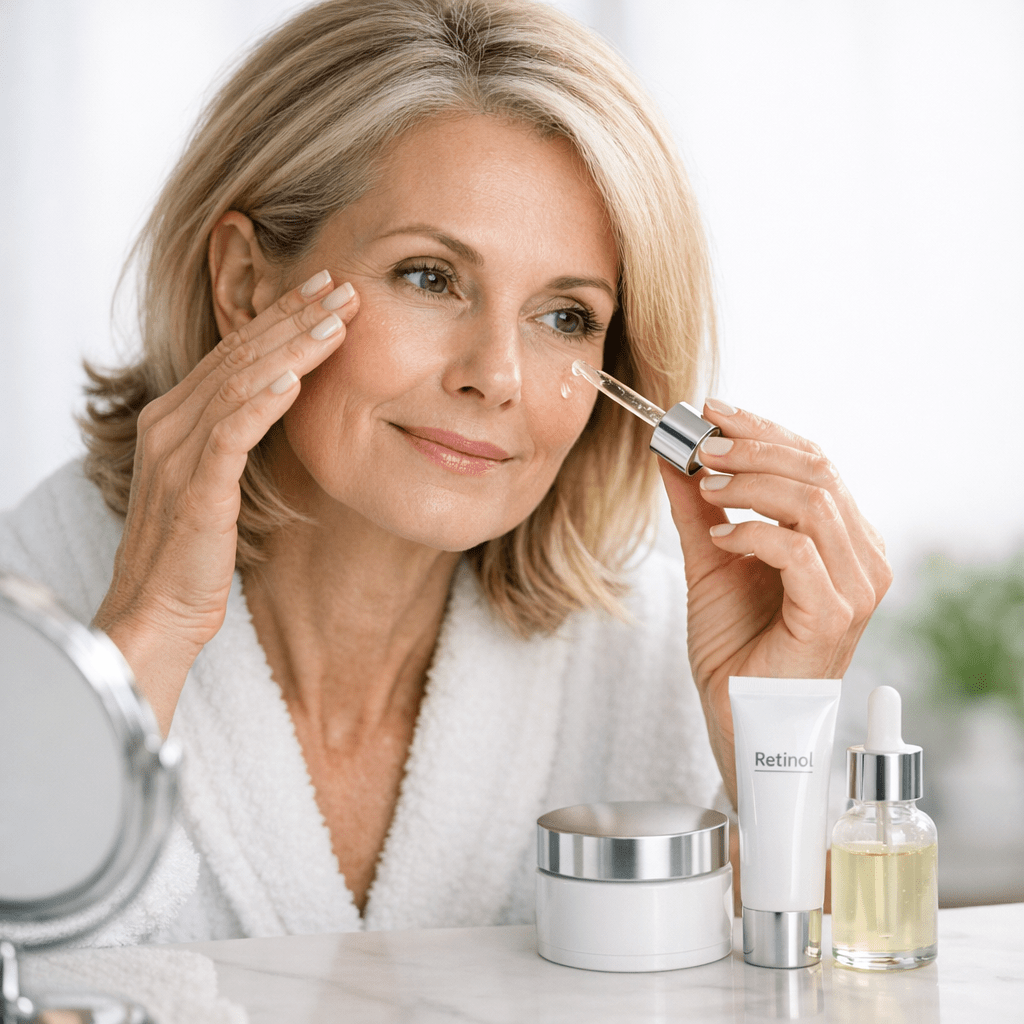
Ever stood in front of a shelf full of skincare products, feeling completely overwhelmed? You’re not alone. When I turned 50, I distinctly remember squinting at endless tiny labels, asking myself which retinol cream would actually deliver results—and which ones were just overpriced jars of hope. Spoiler alert: Not all retinol creams are created equal, especially when you’re dealing with fine lines and wrinkles after 50.
Here’s the thing: your skin has changed. What worked ten years ago probably isn’t cutting it now. Collagen production slows down, cell turnover takes its sweet time, and your skin barrier might be more sensitive than ever. But here’s the good news: the right retinol cream can work wonders—if you know what to look for.
In this guide, you’ll discover:
- Why higher percentages of retinol aren’t always better (and what to choose instead)
- The three ingredients that supercharge retinol’s effectiveness
- A practical checklist to find the perfect match for your skin
Let’s break it all down step by step.
Why Retinol Is Non-Negotiable After 50
Retinol is a form of vitamin A that speeds up cell turnover and boosts collagen production. In plain English? It helps smooth out fine lines, improve skin texture, and fade dark spots—all common concerns as we age. But here’s where it gets tricky: not all retinols are formulated equally.
Some creams use pure retinol (which packs a punch but can irritate sensitive skin). Others opt for gentler derivatives like retinaldehyde or encapsulated forms. And then there’s delivery—creams with stabilizing technology can help ensure the active ingredient actually penetrates your skin instead of breaking down on contact with air or light.
Cost of inaction: Skip using retinol entirely at this stage, and you’re leaving some serious benefits on the table. Wrinkles deepen faster without that extra push to stimulate collagen—and those sunspots from years of beach vacations? They’ll only get darker.
But here’s where most people mess up—they go straight for high-strength formulas thinking they’ll see faster results. Big mistake! Let me explain why next.
The Myth About “High Percentage = Better Results”
Common myth: The stronger the retinol concentration, the better your results will be.
Also worth reading: Top 5 Affordable Face Cleansers for Oily Acne
Reality: High concentrations often lead to irritation without dramatically improving outcomes over time—especially for mature or sensitive skin types.
When I first tried a 1% prescription-grade retinoid in my early 50s, it was chaos: red patches everywhere, flaking like crazy by day three. It turns out my barrier wasn’t strong enough to handle it anymore (a lesson I learned the hard way). For most people over 50, starting with a lower strength—around 0.3%–0.5%—is far more effective because consistency trumps aggression in skincare.
Here’s how percentages stack up:
| Retinol Strength | Effectiveness | Best For |
|————————–|————————|———————————|
| ✅ 0.25%–0.3% | Gentle but effective | First-timers or sensitive skin |
| ⚠️ 0.5%–0.8% | Moderate improvement | Normal-to-dry mature skin |
| ❌ 1%+ | Intense results; harsh | Experienced users only |
Best for:
If you’re new to retinoids or have thin/dry post-menopausal skin, stick around 0.3%. More advanced users who’ve already built tolerance can bump up to 0.5%.
Don’t Forget These Boosters: Ingredients That Make Retinol Work Harder
Retinol doesn’t work alone—it needs backup singers to shine fully on stage! Pairing certain ingredients with your cream can make all the difference between “meh” results and glowing transformation.
Look for these combos:
1. Hyaluronic Acid: Keeps hydration levels high so you don’t dry out while reaping anti-aging benefits.
2. Niacinamide: Calms redness and strengthens the skin barrier—a must if you’re prone to irritation.
3. Peptides: Supports collagen production alongside retinol for added wrinkle-fighting power.
Related guide: 10 Best Hydrating Cleansers for Dry Skin
4. Ceramides: Help repair damaged moisture barriers (especially important if peeling starts).
Pro tip? If your chosen cream doesn’t contain these extras already baked in, layer them before or after application—but don’t overdo it! Too many actives at once can overwhelm your skin.
Allergies & Sensitivities: How To Avoid Disaster
You might be thinking: “What if my skin freaks out?” Totally valid question! Retinols have a reputation for causing redness and peeling—but this doesn’t have to happen if you test smartly upfront:
- [ ] Start slow: Apply twice weekly at first; increase gradually if no irritation occurs.
- [ ] Always patch test behind your ear before full use.
- [ ] Use sunscreen religiously during daytime (SPF 30+ minimum)—retinols make your skin photosensitive!
Sound familiar? We’ve all had moments where we skipped SPF because “it wasn’t sunny.” Trust me—it matters more than ever now that UV damage compounds faster on aging skin treated with actives like retinoids.
My Top Picks for Mature Skin in 2026
If you’re browsing online today—or even walking into Sephora tomorrow—you’ll see hundreds of brands claiming miracle-level results from their creams… So which ones actually live up?
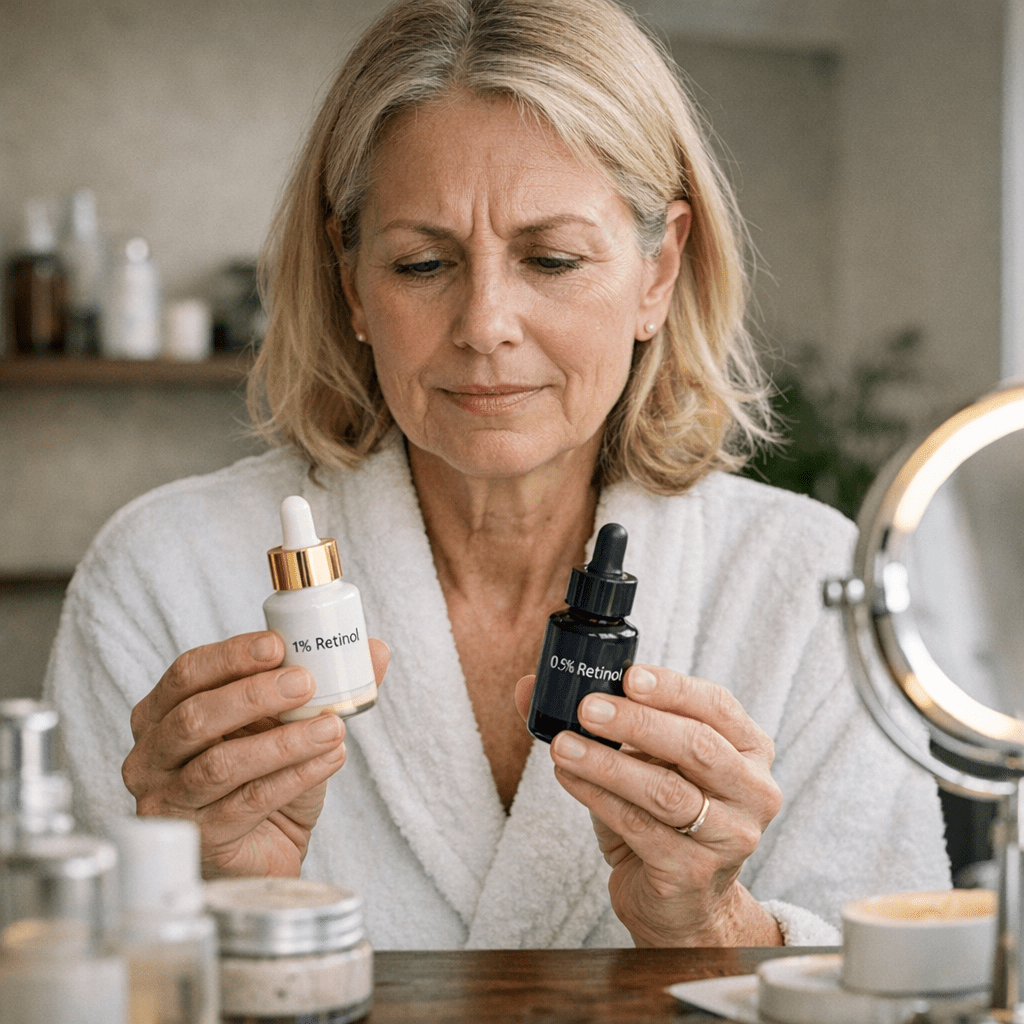
Here are three noteworthy options I’ve personally tested this year:
### 🏆 StriVectin Advanced Retinol Night Moisturizer ($89)
Why it works: Encapsulated technology ensures slow release overnight minus irritation spikes experienced by traditional formulations… Perfect middle-ground choice balancing effectiveness vs comfort long-term