
Blog
The Ultimate Guide to Choosing the Right Face Mask for Clogged Pores and Oily Skin
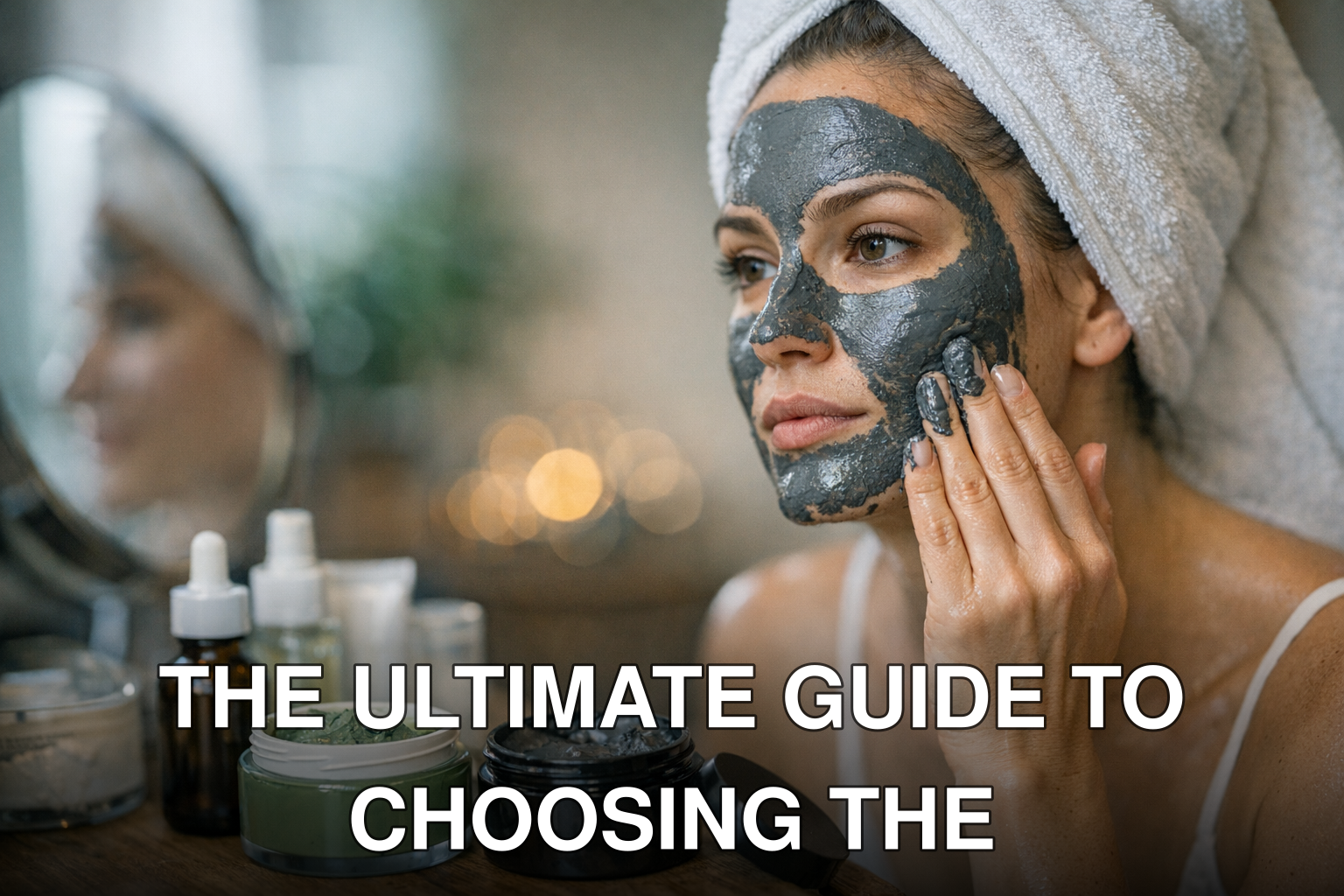
Picture this: you’ve spent a small fortune on skincare products, but your pores still feel like tiny sponges soaked in grease, and those pesky blackheads refuse to budge. Sound familiar? Oily skin can be relentless, and clogged pores make it even worse. You wash your face twice a day, you’ve tried every trendy serum, yet nothing seems to work.
Here’s the hard truth: if you’re not using the right face mask tailored to your skin type, you’re probably wasting time—and money. Masks aren’t just about self-care Sundays; they’re targeted tools that can unclog pores, absorb excess oil, and reset your skin when chosen wisely. But pick the wrong one? You could end up with irritation or even more breakouts.
In this guide, you’ll discover:
- How to identify masks that actually work for oily skin (spoiler: not all clay masks are created equal).
- The key ingredients you must look for—and those you should avoid at all costs.
- A breakdown of real-life options available right now in 2026, complete with pros and cons.
Let’s cut through the hype and find what’ll actually work for your skin.
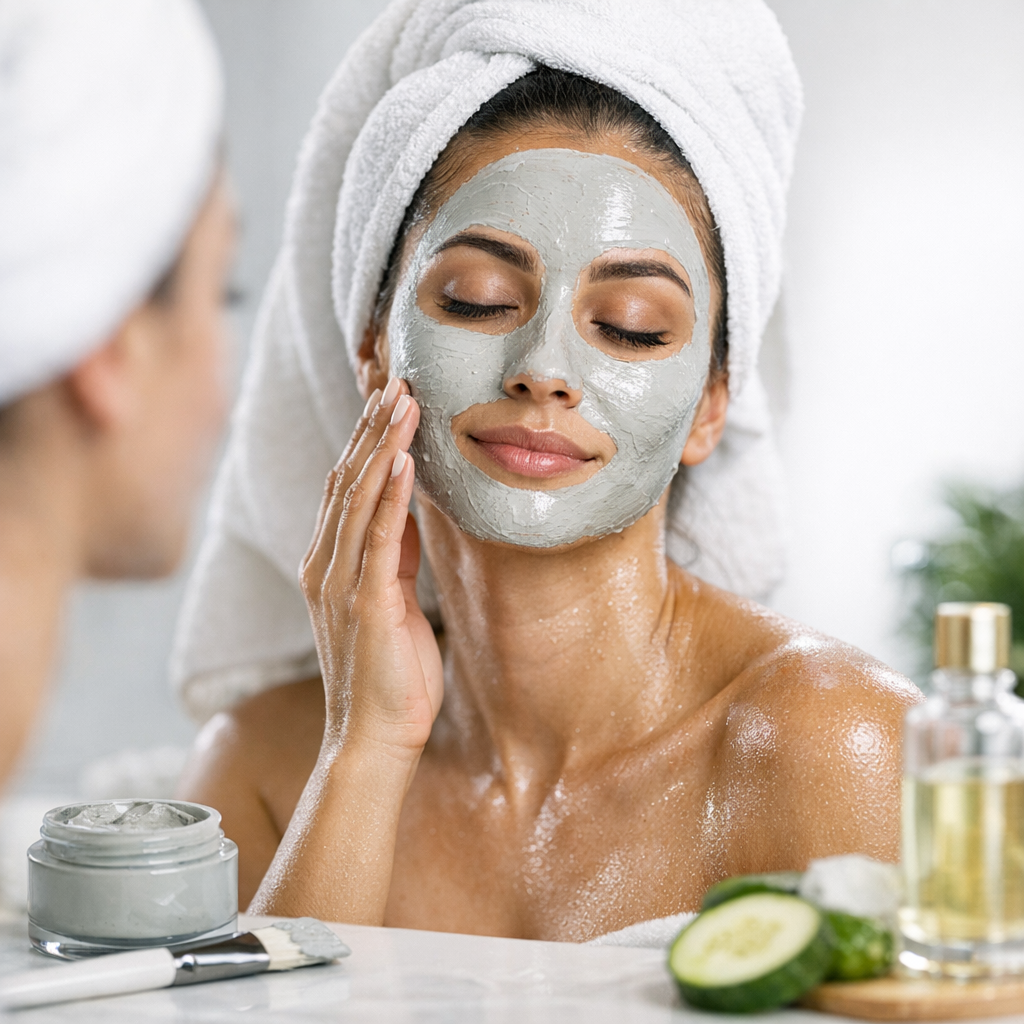
Why Masks Are Essential for Tackling Oily Skin
Think of a face mask as a power move—a deep-cleaning session that goes beyond what your daily cleanser can handle. For oily skin, clogged pores are often caused by an overproduction of sebum (that shiny stuff on your T-zone) mixing with dead skin cells and dirt. Regular washing only cleans the surface; masks dig deeper into those stubborn plugs.
But here’s where it gets tricky: use something too harsh—like an overly drying clay mask—and your skin could rebound by producing more oil to compensate. It’s a vicious cycle I’ve seen people fall into time and time again. The goal isn’t just to strip away oil temporarily; it’s to rebalance your complexion over time.
Also worth reading: 10 Best Hydrating Cleansers for Dry Skin
Cost of inaction: Skip masking altogether, and you’re likely dealing with constant blackheads, enlarged pores that make your skin look bumpy, and makeup that slides off by noon. Worse yet? Untreated clogged pores can lead to full-on acne breakouts.
Quick Navigation
1. The 3 Types of Face Masks Every Oily-Skinned Person Should Know
2. 5 Ingredients That Actually Work on Clogged Pores
3. 7 Best Face Masks for Oily Skin in 2026: What Works and Why
4. What Most People Get Wrong About Clay Masks
5. How Often Should You Use a Mask? The Honest Truth
The 3 Types of Face Masks Every Oily-Skinned Person Should Know
Not all masks are built for the same job—some detoxify while others hydrate or exfoliate gently (yes, even oily skin needs hydration). Here are the three main types you need in your arsenal:
1. Clay Masks
Clay masks are like magnets for oil—they pull sebum out of clogged pores like nobody’s business. Bentonite clay is great because it absorbs impurities without stripping too much moisture out (if used correctly). Kaolin clay works well if bentonite feels too intense.
Related guide: How to Choose the Right Toner for Acne-Prone
But don’t just slap on any drugstore “oil control” label product—many cheap options contain alcohols or fragrances that irritate sensitive oily skin.
Key takeaway: Look for simple formulas with no added junk; less is more with clay masks.
2. Salicylic Acid Peel-Offs
These masks use salicylic acid—a BHA (beta hydroxy acid)—to dissolve excess oil inside clogged pores while exfoliating dead cells off the surface layer of your face.

Be careful here though: peel-off formulas can leave residue behind if they’re poorly made or rushed during removal.
3. Hydrogel Charcoal Infused Treatments
Charcoal does wonders when combined w/ hydrating bases — unblocking grime via active absorption cycles etc
One thought on “The Ultimate Guide to Choosing the Right Face Mask for Clogged Pores and Oily Skin”