
Blog
The Honest Guide to Choosing a Lightweight Drugstore Moisturizer for Oily Combination Skin
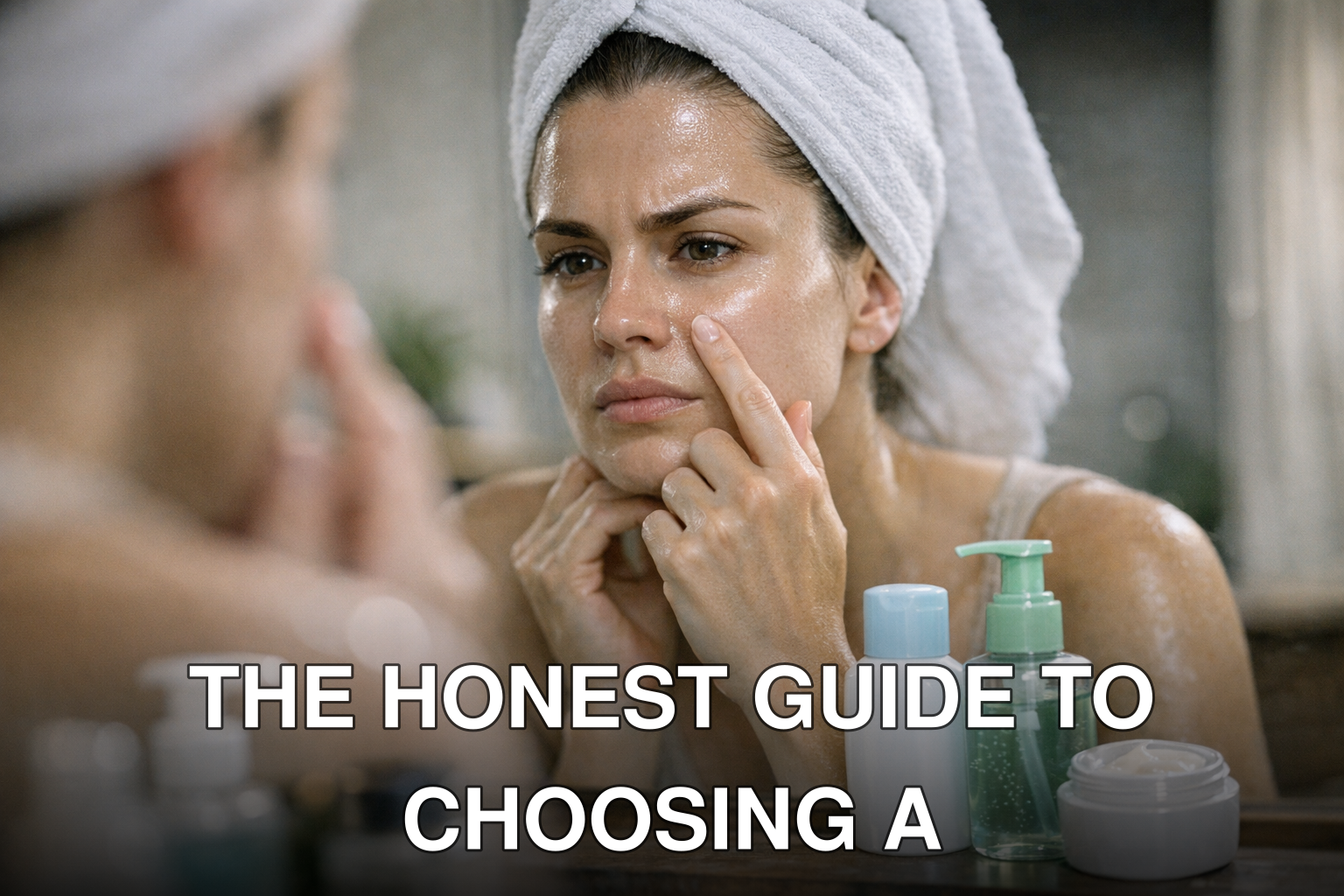
“Why is my face so shiny by noon, yet somehow flaky around my nose?” If you’ve ever asked yourself this, welcome to the oily combination skin club. It’s the tricky middle ground where your T-zone could grease a pan while your cheeks feel like sandpaper. The wrong moisturizer can turn you into either an oil slick or a desert. But the right one? Total major shift.
Here’s the problem: drugstore aisles are overwhelming. Rows of bottles, tubs, and pumps promising “oil-free hydration” or “matte perfection.” It’s easy to grab something that sounds good on paper but leaves you regretting it in practice (we’ve all been there). Worse, skipping moisturizer altogether because you’re afraid of breakouts only leads to your skin overproducing oil and making matters worse.
But don’t worry—I’ve got you. In this guide, you’ll discover:
- Why lightweight formulas are non-negotiable for oily combo skin (and how to spot them).
- The top ingredients that actually work—without clogging pores or triggering breakouts.
- Three specific examples of affordable moisturizers that nail it in 2026.
Let’s make sense of the chaos and find your perfect fit without blowing your budget.
Why Lightweight Moisturizers Are Essential for Oily Combination Skin
Here’s the deal: if your moisturizer feels heavy or greasy, it’s already wrong for you. Oily combination skin needs balance—not layers that smother some areas and leave others tight as drumheads. A lightweight formula should hydrate without suffocating your pores or adding more shine than you’re already battling by lunchtime.
Cost of skipping this step: Dehydration causes more oil production (yes, really). And when your skin freaks out trying to compensate? Hello, clogged pores and breakouts. Trust me—you don’t want that spiral.
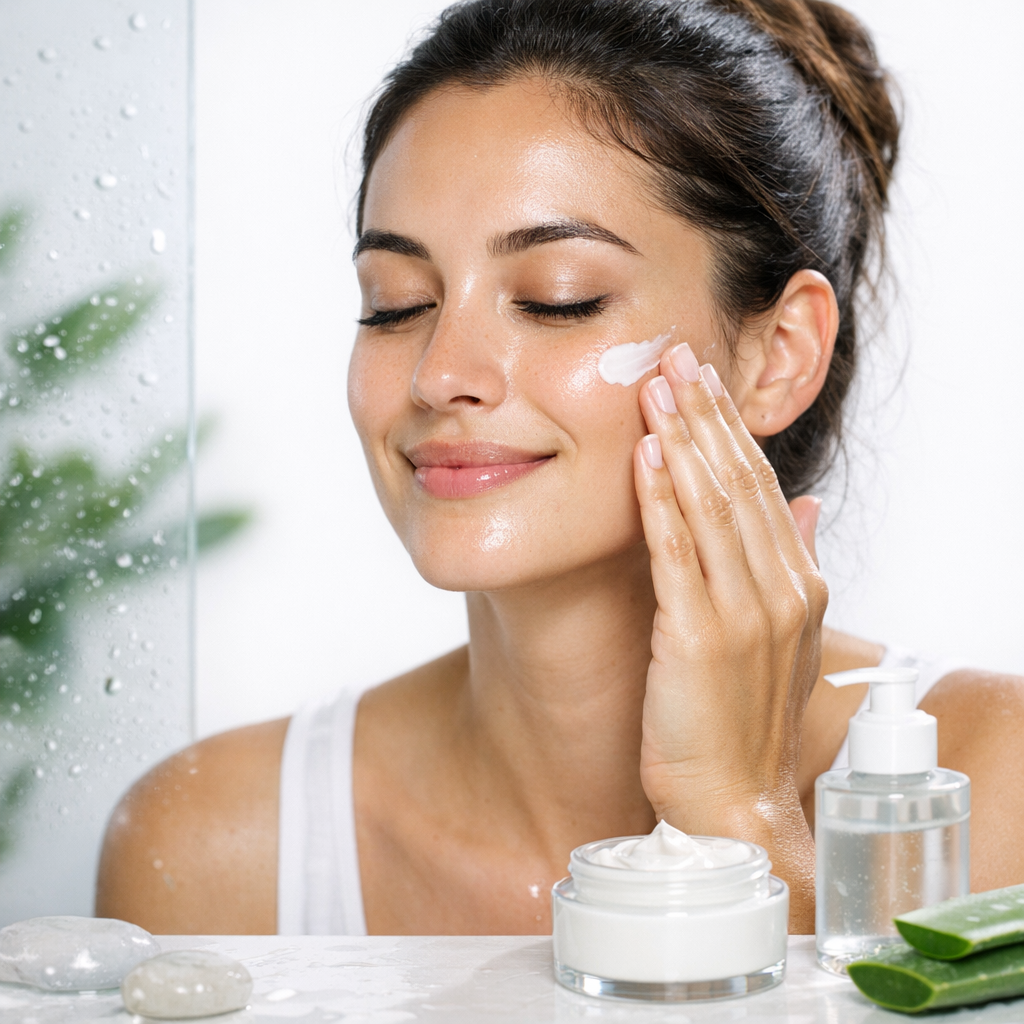
What Exactly Does “Lightweight” Mean?
It means products with humectants (like hyaluronic acid) that draw water into the skin instead of sitting on top like plastic wrap. Think gel creams instead of rich buttery lotions—those belong in winter skincare for dry types, not here.
Key takeaway: For oily combo skin, look for labels like “gel-based,” “water cream,” or “oil-free.” If it feels thick when you test it on your hand, put it back.
Ingredients That Do (and Don’t) Work for Your Skin Type
Not all moisturizers are created equal—and not every buzzy ingredient is actually good for oily combination skin in 2026’s market landscape.
Ingredients You Want
1. Hyaluronic Acid
This MVP hydrates deeply without feeling tacky or heavy—but be sure it’s paired with non-comedogenic bases.
Also worth reading: 10 Best Hydrating Cleansers for Dry Skin
2. Niacinamide
Regulates sebum production (translation: less midday oil slick) while soothing redness.
3. Glycerin
Another humectant hero—effective but gentle enough even if you have sensitive patches around your nose or mouth.
4. Green Tea Extract
Great for calming inflammation and balancing excess oil production naturally.
Red Flags That Scream “Nope”
1. Coconut Oil/Shea Butter: Amazing for dry types but too occlusive here—they’ll clog pores fast.
2. Alcohol Denat: While some alcohols can help with quick-drying textures, this one strips moisture long-term.
3. Fragrance/Essential Oils: Sure they smell nice—but they’re a common culprit behind irritation and sensitivity flare-ups.
3 Lightweight Drugstore Moisturizers That Actually Work
After testing a lineup of options throughout 2026 (yes—my bathroom looked like a pharmacy exploded), these three stood out as winners:
1️⃣ Neutrogena Hydro Boost Water Gel 🏆
This classic never quits—and there’s a reason why beauty editors keep recommending it year after year.
- Pros: Packed with hyaluronic acid; absorbs instantly; leaves no residue; plays well under makeup.
- Cons: Slightly pricier than most drugstore picks (~$19). Also steer clear if you’re sensitive to synthetic fragrance—it does have some.
- Best For: First-timers who want foolproof hydration without any guesswork.
Learn more about hyaluronic acid options here.
2️⃣ CeraVe PM Facial Moisturizing Lotion
I know what you’re thinking—”PM? Isn’t this just for nighttime?” Nope! Its lightweight texture makes it perfect anytime if you’re dealing with combo skin surprises.
- Pros: Niacinamide + ceramides = hydrated AND calm skin; no fragrance; dermatologist-approved.
- Cons: Doesn’t mattify much—so pair with blotting sheets if shine bugs you.
- Best For: Sensitive types worried about irritation from other active ingredients.
3️⃣ La Roche-Posay Toleriane Double Repair Face Moisturizer
French pharmacy brands get skincare—and La Roche doesn’t disappoint here either.
- Pros: Prebiotic thermal water helps repair compromised moisture barriers; non-comedogenic formula feels weightless.
- Cons: At ~$20+, it’s on the higher end price-wise compared to others listed here.
- Best For: Anyone struggling with both dryness patches AND acne-prone areas simultaneously.
How to Test Before You Commit
Buying blindly—even from reliable brands—is risky when dealing with temperamental oily combo skin like ours! Here’s how I recommend playing it safe:
Related guide: How to Choose the Right Toner for Acne-Prone
Patch-Test Checklist
- [ ] Apply on clean jawline before bed each night for three days straight.
- [ ] Watch closely: Is there redness? Breakouts? Greasiness by morning?
If none appear after Day 3—you’re likely golden!
Need more guidance beyond just moisturizers? Check out our detailed skincare playbook here.
Addressing Common Myths About Oily Combination Skin
Common myth: Skipping moisturizer will reduce oiliness because less product = less grease.
Reality: Nope! When dehydrated from lack of hydration support…your sebaceous glands go into overdrive producing MORE oil—not less—to compensate!
Think balancing act—not abstinence—for long-term results.
Frequently Asked Questions
Q: Can I use sunscreen as my daytime moisturizer instead?

A: Only if it’s labeled as hydrating enough AND non-comedogenic! Otherwise layer both separately—the protection isn’t worth risking clogged pores elsewhere later downline!
Q: Should gel moisturizers replace cream textures permanently during winter months too though?!
A:”Depends regionally”. Always adjust seasonally based seasonal climate fluctuation context differences etc…