
Blog
The Brutal Truth: Drugstore vs. Luxury Skincare – Which Really Delivers?
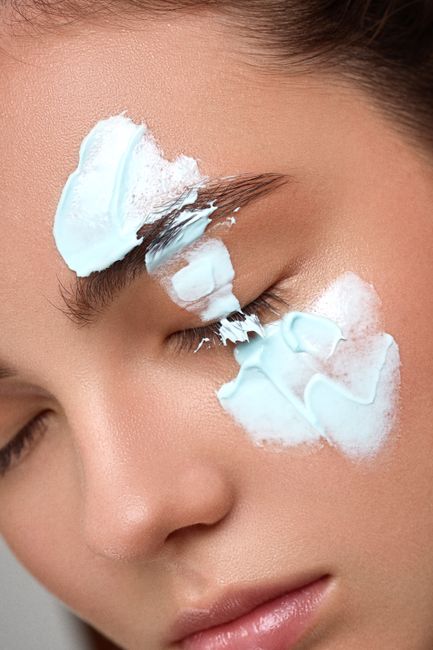
Sarah, a marketing manager in her early thirties, stares at her reflection, then at the two bottles on her bathroom counter: one a $15 hyaluronic acid serum from a local pharmacy, the other a $150 “youth-activating” elixir from a boutique. She wonders if she’s wasting money on one, or missing out on results with the other. Sound familiar?
The skincare aisle in 2026 is a minefield of conflicting claims and price tags that can make your head spin. You’re bombarded with celebrity endorsements for premium brands and viral TikToks praising budget finds. It’s enough to make anyone wonder if their hard-earned cash is truly buying better skin, or just a prettier bottle. This guide cuts through the noise, helping you understand where to splurge, where to save, and what actually makes a difference.
In this guide you’ll discover:
- The surprising science behind ingredient efficacy, regardless of price.
- How to build a high-performing skincare routine without breaking the bank.
- Specific examples of luxury “dupes” that really stand up to the hype.
Is drugstore skincare routine better than luxury brands? For most people, a well-chosen drugstore skincare routine can deliver comparable, if not identical, results to luxury brands, especially for fundamental skin health and common concerns. The key often lies in understanding active ingredients and formulation, rather than brand prestige.
Quick Navigation
- The Real Cost of Skincare Confusion: Why You Can’t Afford to Guess
- Unpacking the Ingredients: Are Luxury Formulas Really Different?
- The 3 Core Pillars of Any Effective Skincare Routine
- Drugstore MVPs: My Go-To Affordable Heroes for 2026
- When to Splurge: The Luxury Items That Might Be Worth It
- What About the Experience? Packaging, Scent, and Ritual
- Myth-Busting: “Natural” vs. “Chemical” and Other Skincare Lies
- Building Your Hybrid Routine: The Smart Approach to Skin Health
- Who This Skincare Advice Is NOT For
- Frequently Asked Questions
The Real Cost of Skincare Confusion: Why You Can’t Afford to Guess
Think about it: how much money have you already tossed into products that promised the world but delivered little? In 2025 alone, the average American spent over $500 on skincare products, a number projected to climb by 7% in 2026. If you’re buying luxury creams at $100 a pop that don’t work, that’s $100 wasted. If you’re constantly trying new drugstore finds because you’re unsure, those $15 purchases add up fast. The real cost isn’t just the money; it’s the time spent researching, the frustration of breakouts that won’t clear, and the hit to your confidence when your skin just isn’t cooperating. This constant trial and error is a drain on your wallet and your mental well-being.
Key takeaway: Indecision and uninformed purchases lead to significant financial waste and emotional fatigue, making a clear strategy essential.
Unpacking the Ingredients: Are Luxury Formulas Really Different?
The biggest myth in skincare is that a higher price tag automatically means better ingredients or more effective formulations. That’s just not how it works.
Common myth: Luxury brands use rare, proprietary ingredients that drugstore brands can’t access.
Reality: The vast majority of effective, scientifically-backed ingredients are widely available to all manufacturers. Things like hyaluronic acid, salicylic acid, niacinamide, Vitamin C, and retinoids are commodities. They’re patented, sure, but those patents expire, and the knowledge becomes common.
What you often pay for in luxury is the concentration of certain actives, the elegance of the formulation (think texture, scent, how it feels on your skin), and the marketing. A luxury serum might have a higher percentage of a specific peptide, but a well-formulated drugstore alternative might still offer a clinically relevant dose. Sometimes, a super high concentration isn’t even better; it can just be more irritating. We saw this in 2024 with a surge of 20% Vitamin C serums that caused more redness than glow for many users.
“The core science behind skincare efficacy is not exclusive to high-end labs. While luxury brands often invest heavily in delivery systems and sensory experiences, the fundamental active ingredients that drive change are accessible across price points,” stated Dr. Ava Shamban, a board-certified dermatologist, in a 2026 interview with Dermatology Times.
It’s often about the vehicle. A luxury moisturizer might use a complex emulsification system that feels incredibly silky, while a drugstore one might feel a bit heavier. But both can deliver hydration and barrier support effectively. This is where most people get stuck, focusing on the feel rather than the function.
Key takeaway: Effective active ingredients are widely available. Luxury often offers a more refined user experience and sometimes higher concentrations, but these don’t always translate to superior results for basic skin concerns.
The 3 Core Pillars of Any Effective Skincare Routine
Forget the 10-step routines for a moment. Whether you’re spending $20 or $2000, your skin needs three fundamental things to thrive. These are the non-negotiables:
1. Cleansing: You need to remove dirt, oil, makeup, and pollution without stripping your skin. This prepares your canvas for treatment.
2. Targeted Treatment (Actives): This is where you address specific concerns like acne, wrinkles, hyperpigmentation, or dryness. Ingredients like retinoids, Vitamin C, AHAs/BHAs, and peptides live here. When I’m looking for a solid routine, this is where I weigh my options most heavily. For targeted concerns like dark spots, understanding the difference between options like Vitamin C face treatment vs retinol cream for dark spots and fine lines is crucial.
3. Moisturizing & SPF: Hydration is key for a healthy skin barrier, and daily sun protection is non-negotiable for preventing aging and skin cancer.
These three steps form the backbone. Everything else is often extra, or a variation on these themes. You’ll want to invest most wisely in your active treatments and SPF, as these are the heavy hitters for long-term skin health. But that’s only half the picture — here’s where most people get stuck.
Key takeaway: A robust skincare routine relies on consistent cleansing, targeted treatments with active ingredients, and daily moisturizing with SPF, regardless of brand.
Drugstore MVPs: My Go-To Affordable Heroes for 2026
The drugstore shelves are packed with incredible products that genuinely work, often for a fraction of the price of their luxury counterparts. Here are some of my personal favorites and why they excel:
- Cleansers: Brands like CeraVe, La Roche-Posay, and Vanicream dominate this category. Their cleansers are gentle, effective, and formulated without irritating fragrances or harsh sulfates. CeraVe Hydrating Facial Cleanser, for example, is a cult favorite for a reason – it cleanses without stripping, leaving skin comfortable. For those battling acne, understanding the differences between options like salicylic acid vs benzoyl peroxide cleanser is vital, and both active ingredients are widely available in affordable formats.
- Hyaluronic Acid Serums: The Ordinary’s Hyaluronic Acid 2% + B5 is a perennial winner. It’s simple, effective, and costs less than your morning coffee. There’s no need to spend $80 on a fancy HA serum when this one does the job perfectly.
- Niacinamide Serums: The Inkey List Niacinamide Serum is another fantastic, budget-friendly option. Niacinamide (Vitamin B3) is brilliant for reducing redness, minimizing pores, and improving skin barrier function.
- Retinoids: Differin Gel (adapalene) became over-the-counter a few years back, and it’s a major shift for acne and early anti-aging. For those new to retinoids, starting with a gentle drugstore option like a CeraVe or RoC retinol cream is a smart move. They often contain encapsulated retinol, which reduces irritation.
- Sunscreens: This is where drugstore brands really shine. Brands like EltaMD (though slightly pricier for drugstore, it’s still far less than luxury), La Roche-Posay, and Neutrogena offer broad-spectrum protection with elegant finishes. My daily go-to is usually a mineral SPF from a brand like Australian Gold or CeraVe, costing around $15-$20.
Here’s a quick comparison of typical offerings:
| Feature | Drugstore Skincare 🏆 | Luxury Skincare |
Also worth reading: 10 Best Hydrating Cleansers for Dry Skin
| :————————- | :———————————————————— | :——————————————————————– |
| Price Point (per item) | $5 – $30 | $40 – $300+ |
| Active Ingredients | ✅ Clinically proven (e.g., HA, Retinol, Vit C, Niacinamide) | ✅ Clinically proven + proprietary blends/delivery systems |
| Formulation Complexity | ✅ Effective, often straightforward | ✅ Elegant textures, scents, advanced emulsifiers |
| Packaging Aesthetics | ⚠️ Functional, less emphasis on luxury feel | ✅ Premium, often heavy glass, sophisticated design |
| Fragrance Options | ✅ Often fragrance-free or mildly scented | ✅ Often highly fragranced (can be a pro or con) |
| Accessibility | ✅ Widely available (pharmacies, supermarkets) | ⚠️ Department stores, specialty boutiques, online |
| Marketing Focus | ✅ Ingredient efficacy, dermatologist-recommended | ✅ Brand prestige, “experience,” exotic ingredients, celebrity endorsements |
| Best for: | Consistent results for common concerns, budget-conscious users | Sensory experience, specific niche concerns, brand loyalty |
Key takeaway: Drugstore brands offer a fantastic array of effective, science-backed products for core skincare needs, often rivaling luxury options in ingredient efficacy at a fraction of the cost.
When to Splurge: The Luxury Items That Might Be Worth It
While I’m a huge advocate for affordable skincare, there are a few areas where luxury brands can offer a distinct advantage, or at least a more enjoyable experience that justifies the price.
1. Unique Delivery Systems or Patented Technologies: Sometimes, a luxury brand genuinely has a patented ingredient complex or a superior delivery system that enhances ingredient penetration or stability. For example, some high-end Vitamin C serums are formulated with unique stabilizers that keep the volatile ingredient potent for longer. If you have a very specific, stubborn concern and have tried everything else, this might be a worthwhile investment.
2. Sensory Experience: Let’s be honest, sometimes you just want to feel pampered. A beautifully packaged, exquisitely scented moisturizer with a luxurious texture can elevate your routine from a chore to a ritual. If this brings you joy and motivates you to be consistent, and your budget allows, then go for it. But understand you’re paying for the experience, not necessarily a magic bullet for your skin.
3. Very Specific, Niche Concerns: For extremely sensitive skin, or rare dermatological conditions, some luxury brands invest heavily in research for very specific, hypoallergenic, or intensely reparative formulations that might not be replicated in the mass market. These are often developed in collaboration with dermatologists.
4. High-Performance Serums (after extensive research): For things like advanced growth factors, very specific peptide cocktails, or truly innovative antioxidant blends, some luxury serums can offer an edge. But this requires deep dives into ingredient lists and clinical studies, not just relying on brand hype. I’d typically only consider this if I’ve exhausted all other options and have a clear understanding of the science.
The obvious counterargument is that you can get similar results with a cocktail of affordable serums. And often, you can! But for some, the convenience of an all-in-one luxury product or the sheer enjoyment of the ritual is enough. It’s a personal tradeoff. Have you ever spent a whole afternoon trying to find the perfect “dupe” only to realize the original just felt better?
Key takeaway: Splurging can be justified for unique patented technologies, an elevated sensory experience that aids consistency, or very specific, niche skin concerns, but always weigh the cost against proven efficacy.
What About the Experience? Packaging, Scent, and Ritual
Here’s where luxury brands really differentiate themselves: the experience. Drugstore products often come in functional, no-frills packaging. They might not have a delicate rose scent or a heavy glass jar. Luxury brands, however, invest heavily in aesthetics. Think sleek designs, opulent textures, and sophisticated fragrances.
Before: My bathroom counter is cluttered with various plastic bottles, each feeling a bit utilitarian. My routine feels like a quick necessary step, a box to tick.
After: A few beautifully designed glass bottles sit neatly. The rich texture of the night cream, with its subtle, calming scent, transforms my evening routine into a moment of self-care. I look forward to it.
This isn’t about efficacy; it’s about pleasure. For some, this added sensory delight is crucial. It can make a routine feel less like a chore and more like a treat, which in turn might make you more consistent. Consistency, after all, is one of the biggest factors in seeing results from any skincare routine. If a luxury product makes you want to use it daily, that’s a powerful benefit. But if you’re just as consistent with a $10 moisturizer, then the extra cost for “experience” is purely discretionary.
Key takeaway: Luxury skincare excels in delivering a premium sensory experience through packaging, texture, and scent, which can enhance the ritual of self-care and promote consistency, though it doesn’t directly impact ingredient efficacy.
Myth-Busting: “Natural” vs. “Chemical” and Other Skincare Lies
Let’s clear up some common misconceptions that often drive people toward either extreme of the skincare market.
- Common myth: “Natural” ingredients are inherently better and safer than “chemicals.”
Reality: Everything is a chemical. Water is a chemical. Snake venom is natural, but I wouldn’t put it on my face. Many effective, gentle ingredients like hyaluronic acid are “chemicals” but are incredibly beneficial. Conversely, many natural ingredients (like essential oils, citrus extracts, or certain plant oils) can be highly irritating or allergenic. Focus on proven efficacy and safety, not whether it grew on a plant or was synthesized in a lab.
- Common myth: You need to spend a lot to get anti-aging results.
Reality: The most proven anti-aging ingredients are retinoids (like tretinoin or over-the-counter retinol/adapalene) and broad-spectrum SPF. Both are widely available and highly effective at drugstore prices. Consistent use of these two, along with a good Vitamin C serum, will do more for aging than any $300 “youth elixir.”
- Common myth: Brands with complex, long ingredient lists are more advanced.
Reality: Sometimes, a long ingredient list simply means more potential for irritation, especially if it includes many fragrances, dyes, or plant extracts. Often, elegant and effective formulations are quite concise. Focus on the key active ingredients and their concentrations, not the sheer number of items on the list.
Related guide: How to Choose the Right Toner for Acne-Prone
You might be thinking, “But my skin feels better with X luxury brand!” And that’s valid. The placebo effect in skincare is real. If you believe something is working, your perception of your skin’s improvement can be heightened. Also, luxury brands often include humectants and emollients that give an immediate, temporary plumping and smoothing effect, which can be very satisfying. But for long-term cellular change, it’s the actives that matter.
Key takeaway: Dispel myths about “natural” vs. “chemical” and price-equals-results. Focus on scientifically proven ingredients like retinoids and SPF, available at all price points, for actual skin transformation.
Building Your Hybrid Routine: The Smart Approach to Skin Health
The smartest approach to skincare in 2026 isn’t all drugstore or all luxury. It’s a strategic blend. Here’s a checklist for building a routine that maximizes results without unnecessary spending:
- [x] Identify your primary skin concerns: (e.g., acne, dryness, aging, hyperpigmentation).
- [x] Research active ingredients for those concerns: (e.g., salicylic acid for acne, retinol for aging, Vitamin C for brightness).
- [x] Prioritize drugstore for basics: Cleansers, moisturizers, and sunscreens are almost always excellent value at the pharmacy.
- [x] Look for affordable actives first: Many effective serums (Hyaluronic Acid, Niacinamide, Vitamin C, Retinol) are available from brands like The Ordinary, The Inkey List, or CeraVe.
- [x] Consider a targeted splurge if a specific concern persists: If you’ve tried affordable options and still struggle, research luxury products with unique technologies relevant to your specific issue.
- [x] Always patch test new products: Especially if you have sensitive skin.
- [x] Be consistent: No product, cheap or expensive, works if you don’t use it regularly.
For example, I personally use a CeraVe hydrating cleanser ($12), a The Ordinary Niacinamide serum ($6), a prescription retinoid (covered by insurance, but OTC Differin is $15), and a La Roche-Posay SPF ($20). My “splurge” is often a really nice Vitamin C serum, but even then, I’m looking at brands like Timeless Skincare ($25) rather than a $100+ option. This hybrid approach allows me to get the best of both worlds: effective actives and a pleasant experience without breaking the bank. If you want to learn more about comprehensive routines, you can learn more about multi-step approaches.
Key takeaway: A hybrid skincare routine, combining affordable staples with strategically chosen higher-end actives or experience-enhancers, offers the best balance of efficacy and value.
Who This Skincare Advice Is NOT For
This practical, budget-conscious advice might not be for everyone. If you have extremely complex or rare dermatological conditions that require highly specialized, prescription-strength formulations, your dermatologist’s recommendations will always supersede general advice. Also, if you have an unlimited budget and genuinely derive immense pleasure and psychological benefit from exclusively using high-end, luxurious products—and you’re already seeing the results you want—then stick with what makes you happy. This guide is primarily for those seeking effective results without overspending or navigating confusing marketing claims.
Frequently Asked Questions
Q: Can drugstore skincare cause more irritation than luxury brands?
A: Not necessarily. Irritation depends on specific ingredients and their concentrations, not brand price. Many luxury products contain fragrances and essential oils that can be irritating, while many drugstore brands prioritize gentle, fragrance-free formulations suitable for sensitive skin.
Q: How long does it take to see results from a new skincare routine?
A: It varies depending on the concern and active ingredients. For acne and texture, you might see changes in 4-8 weeks. For hyperpigmentation and fine lines, it can take 3-6 months or longer. Consistency is key, regardless of product price.
Q: Are expensive serums always better for anti-aging?
A: No. The most scientifically proven anti-aging ingredients like retinoids (retinol, tretinoin) and broad-spectrum SPF are widely available in effective, affordable drugstore options. Many expensive serums focus on temporary plumping or rare extracts with less robust scientific backing.
Q: Should I buy a full skincare line from one brand, or mix and match?
A: Mixing and matching is often the best strategy. Different brands excel in different product categories or with specific active ingredients. You can get a great cleanser from one brand, a powerful serum from another, and an excellent SPF from a third, creating a highly effective and personalized routine.
Q: What’s the biggest mistake people make when choosing skincare?
A: The biggest mistake is buying products based on hype, packaging, or price without understanding the active ingredients and whether they are suitable for their specific skin concerns. Many people also don’t give products enough time to work before switching.
Q: Is it okay to use only a few basic drugstore products?
A: Absolutely! A simple routine of a gentle cleanser, a good moisturizer, and a broad-spectrum SPF can be incredibly effective for maintaining healthy skin. Adding one or two targeted active serums (like Vitamin C or a retinoid) from the drugstore can address most common concerns.
To truly cut through the noise and build a routine that works for your skin and your budget, start by checking your current cleanser, moisturizer, and SPF. Look at the ingredient lists. Are you getting the basics right? If not, pick one key product – like a new, gentle cleanser – and upgrade it today.