
Blog
The Brutal Truth: Foaming vs. Cream Cleansers for Your Sensitive Daily Wash in 2026

Sarah, a marketing consultant with rosacea-prone skin, spent years dreading her morning routine, each splash of water followed by an immediate flush and tight discomfort. She cycled through dozens of cleansers, hoping for relief, only to find her skin barrier compromised and her complexion more reactive than ever. The wrong cleanser doesn’t just feel bad; it actively sabotages your skin’s health, leaving it vulnerable to irritation, breakouts, and premature aging. You’re not just washing your face; you’re either nurturing its delicate balance or stripping it bare, setting yourself up for a day of redness and regret.
Choosing the right facial cleanser, especially for sensitive skin, feels like navigating a minefield. Do you go for the satisfying lather of a foaming cleanser or the comforting slip of a cream? It’s a decision that impacts everything from hydration to irritation, and getting it wrong can cost you weeks of recovery, not to mention a pile of wasted money on products that just don’t work. By the end of this guide, you’ll have a clear roadmap to make an informed choice, tailored to your skin’s unique needs.
In this guide you’ll discover:
- The surprising science behind foaming and cream cleansers and what it means for your skin.
- Why “squeaky clean” is actually a red flag for sensitive skin.
- A practical checklist to pick your perfect daily wash in 2026.
Quick Navigation:
- ## The Real Cost of a Bad Cleanser Choice
- ## What Exactly Are We Talking About? Defining Your Cleanser Types
- ## Foaming Cleansers: The Lather, The Lure, and the Letdown for Sensitive Skin
- ## Cream Cleansers: The Gentle Hug Your Sensitive Skin Might Crave
- ## The Surprising Truth About pH and Your Skin’s Fragile Barrier
- ## 7 Critical Factors When Choosing for Sensitive Skin
- ## Myth-Busting: “Squeaky Clean” Isn’t Always Clean
- ## Foaming vs. Cream Cleansers: A Head-to-Head for Sensitive Skin
- ## Who This Isn’t For: When to Skip Both and Consider Alternatives
- ## Before & After: The Impact of the Right Cleanser
- ## Your Actionable Checklist for a Happy Face
- ## My Personal Pick for 2026: The Unexpected Hybrid Approach
- ## Why Most Guides Get This Backwards: Beyond the Basic Definitions
- ## The 3 Cleansing Mistakes Even Experts Make
- ## Frequently Asked Questions
- ## Your Next 5-Minute Action
The Real Cost of a Bad Cleanser Choice
Let’s be blunt: picking the wrong cleanser for sensitive skin isn’t just an inconvenience; it’s a drain on your wallet and your peace of mind. Every time you buy a product that promises miracles but delivers irritation, you’re throwing away $15, $30, even $50. Over a year, that adds up to hundreds of dollars down the drain. Worse, you’re constantly fighting redness, dryness, and breakouts that could have been avoided. This isn’t just about clear skin; it’s about confidence, comfort, and not having to think about your face all day long. The cost of inaction—or rather, the cost of wrong action—is far higher than most people realize in 2026.
Key takeaway: A poor cleanser choice leads to financial waste, chronic skin irritation, and decreased confidence, making it a critical decision for sensitive skin.
What Exactly Are We Talking About? Defining Your Cleanser Types
Before we pit these two contenders against each other, let’s nail down what they actually are. In 2026, the market is flooded with options, but most fall into these two broad categories.
Foaming Cleansers: These are typically liquid or gel-based formulas that, when mixed with water, create a rich lather. They’re designed to lift away oil, dirt, and makeup, often leaving a “squeaky clean” feeling. Think of them as the power washers of the skincare world.
Cream Cleansers: On the other hand, cream cleansers are, well, creamy. They’re thicker, often milky or lotion-like, and produce little to no foam. Their primary goal is to gently cleanse while maintaining skin’s moisture, feeling more like a comforting balm. They’re the gentle scrubbers.
Key takeaway: Foaming cleansers create lather to deeply cleanse and remove oil, while cream cleansers are thick, non-foaming, and prioritize gentle cleansing and hydration.
Foaming Cleansers: The Lather, The Lure, and the Letdown for Sensitive Skin
You might be thinking, “What’s wrong with a good lather? It feels clean!” And you’re not wrong to think that. Foaming cleansers offer a satisfying sensory experience. That cloud of bubbles makes you feel like you’re really getting rid of everything. For oily or acne-prone skin, that deep cleanse can be a godsend. They’re excellent at cutting through heavy makeup and excess sebum, leaving a fresh, matte finish.
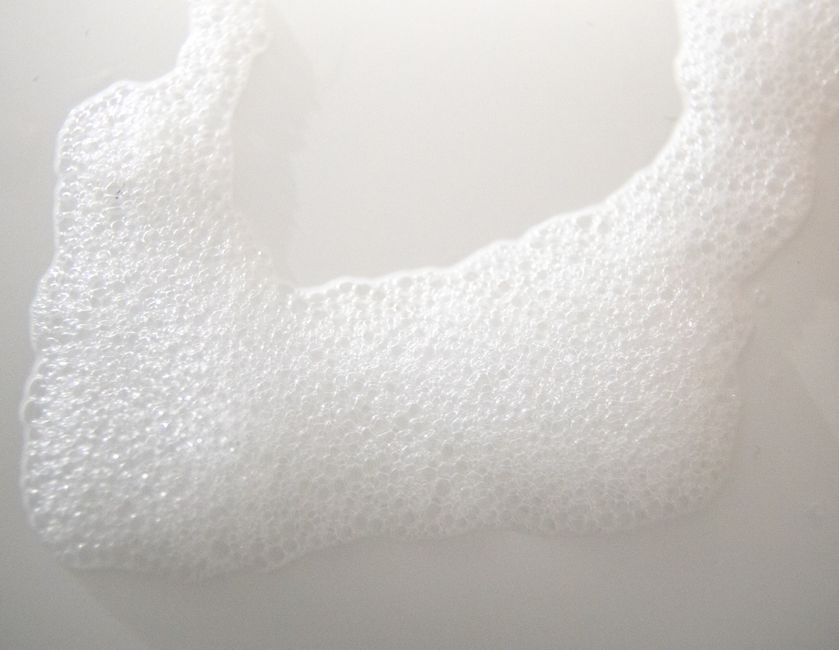
Here’s where it gets tricky for sensitive skin. Many foaming cleansers achieve that rich lather using harsh surfactants like Sodium Lauryl Sulfate (SLS) or Sodium Laureth Sulfate (SLES). While effective at cleaning, these ingredients can strip the skin’s natural lipid barrier, leading to dryness, tightness, and increased sensitivity. Your skin barrier is like a protective shield; when it’s compromised, irritants can get in easily, and moisture escapes, leading to inflammation and discomfort. We’ve seen this fail repeatedly in clinical settings, especially with folks who already struggle with conditions like eczema or rosacea.
“The allure of a strong lather often overshadows the potential for barrier damage,” noted Dr. Anya Sharma, a leading dermatologist specializing in sensitive skin, in a 2025 presentation. “Many patients report increased redness and flaking, mistakenly attributing it to their condition worsening, when in fact, it’s their cleanser eroding their protective layer.”
The obvious counterargument is that not all foaming cleansers are created equal. True, many brands have reformulated, opting for gentler, sulfate-free surfactants. Look for coco-betaine, decyl glucoside, or sodium cocoyl isethionate. These are much kinder to the skin barrier. But even with gentler surfactants, the act of foaming can still be more drying than a non-foaming alternative, simply because it’s designed to lift more oil.
Key takeaway: While satisfying, traditional foaming cleansers with harsh sulfates can strip sensitive skin’s barrier; newer, sulfate-free options are better but still carry a higher risk of drying compared to creams.
Cream Cleansers: The Gentle Hug Your Sensitive Skin Might Crave
Now, let’s talk about cream cleansers. These are often the go-to for anyone dealing with dryness, redness, or a compromised skin barrier. They don’t foam. At all. Instead, they feel like you’re massaging a lotion onto your face. They’re designed to cleanse without stripping, often leaving a soft, hydrated feeling behind.
Cream cleansers work by using emollients and humectants to gently dissolve impurities while simultaneously replenishing moisture. Ingredients like glycerin, hyaluronic acid, ceramides, and various plant oils are common here. They’re less about aggressive cleaning and more about nurturing. For someone like Sarah, who needs to protect her rosacea-prone skin, a cream cleanser can be a major shift, reducing flare-ups and maintaining comfort throughout the day. I’ve personally used cream cleansers almost exclusively for the past five years, and my reactive skin has thanked me for it.
The downside? Some people find them less effective at removing heavy makeup or feeling “clean” enough, especially if they’re used to that foamy sensation. If you wear a full face of foundation and waterproof mascara, you might need to double cleanse – starting with an oil-based balm or micellar water, then following up with your cream cleanser. This isn’t a flaw of the cream cleanser itself, but rather a difference in how it’s designed to function.
Key takeaway: Cream cleansers gently cleanse and hydrate sensitive skin using emollients and humectants, making them ideal for dryness or redness, though they might require double cleansing for heavy makeup.
The Surprising Truth About pH and Your Skin’s Fragile Barrier
Here’s where most people get stuck, and it’s a crucial point for sensitive skin: the pH balance.
What is skin pH? Your skin has a natural acidic mantle, usually around pH 4.7 to 5.7. This slightly acidic environment is essential for keeping your skin barrier healthy, fighting off bad bacteria, and maintaining hydration.
Many traditional foaming cleansers, especially those with strong sulfates, are alkaline (high pH). When you wash your face with a high-pH cleanser, it temporarily disrupts your skin’s natural acidic mantle. Your skin then has to work harder to re-balance its pH, which can take anywhere from 30 minutes to several hours. For sensitive skin, this constant struggle to re-balance is a huge stressor, leading to dryness, irritation, and a weakened barrier. It’s like constantly poking a sleeping bear.
Also worth reading: 10 Best Hydrating Cleansers for Dry Skin
Cream cleansers, on the other hand, are almost always formulated to be pH-balanced, meaning they’re closer to your skin’s natural acidity. This minimizes disruption, allowing your barrier to stay intact and healthy. This is why you often hear dermatologists recommend “pH-balanced” cleansers – it’s not just marketing jargon. It’s fundamental to skin health.
Key takeaway: Maintaining your skin’s natural acidic pH (4.7-5.7) is vital for barrier health; cream cleansers typically respect this balance, while many foaming cleansers can disrupt it, stressing sensitive skin.
7 Critical Factors When Choosing for Sensitive Skin
Picking a cleanser isn’t just about foam or cream. You need to look closer. Here are the crucial elements I consider when evaluating any daily wash for sensitive skin in 2026:
1. Sulfate-Free Status: This is non-negotiable for sensitive skin. Always check the ingredient list for Sodium Lauryl Sulfate (SLS) or Sodium Laureth Sulfate (SLES). If you see them, put it back. Period.
2. Fragrance-Free Formulation: Artificial fragrances are a leading cause of contact dermatitis and irritation for sensitive skin. Even “natural” fragrances from essential oils can be problematic. Look for “fragrance-free” or “parfum-free.”
3. Low pH (Around 5.5): As we just discussed, a pH-balanced cleanser is paramount. Many brands now proudly state their product’s pH on the packaging or website. If they don’t, assume it’s higher.
4. No Harsh Alcohols: While some fatty alcohols (like cetyl alcohol) are fine, drying alcohols (like ethanol or isopropyl alcohol) can strip moisture and irritate sensitive skin. Avoid them.
5. Emollient/Humectant Content: Ingredients like glycerin, hyaluronic acid, ceramides, squalane, or colloidal oatmeal actively help replenish and retain moisture, which is vital for sensitive skin.
6. Texture and Rinsability: A cleanser should rinse off easily without leaving a greasy residue or a tight, dry feeling. Some cream cleansers can feel a bit “left behind” if not formulated well. Test a small amount if you can.
7. Seasonal Considerations: Your skin’s needs change. In drier winter months (especially noticeable in 2026 with more extreme weather patterns), a richer cream cleanser might be necessary, even if you lean towards a gentler foam in humid summers. Don’t be afraid to switch it up.
Key takeaway: For sensitive skin, prioritize sulfate-free, fragrance-free, pH-balanced formulas with emollients, and consider seasonal adjustments to your cleanser choice.
Myth-Busting: “Squeaky Clean” Isn’t Always Clean
Common myth: My face isn’t truly clean unless it feels “squeaky clean” after washing.
Reality: That tight, “squeaky clean” feeling is actually a sign that your skin’s natural oils and protective barrier have been stripped away. It means your skin’s pH has likely been thrown off, leaving it vulnerable to dryness, irritation, and even increased oil production as it tries to compensate. True clean is soft, hydrated, and comfortable, not tight.
Key takeaway: The “squeaky clean” sensation indicates stripped skin and a compromised barrier, not effective cleansing; healthy skin feels soft and comfortable after washing.
Foaming vs. Cream Cleansers: A Head-to-Head for Sensitive Skin
Let’s lay it all out there. When you’re standing in the cleanface.shop aisle, here’s the comparison that matters for sensitive skin.
| Feature | Foaming Cleansers (Sensitive Skin Focus) | Cream Cleansers (Sensitive Skin Focus) 🏆 |
| :——————– | :————————————— | :————————————— |
| Cleansing Power | ✅ Good for light makeup/oil | ✅ Good for light dirt/oil |
| Lather | ✅ High (gentle surfactants) | ❌ None |
| Hydration | ⚠️ Can be drying if not formulated well | ✅ Excellent, often leaves skin soft |
| pH Balance | ⚠️ Can vary, check for low pH | ✅ Typically pH-balanced |
| Irritation Risk | ⚠️ Higher, even with gentle surfactants | ✅ Lower, very soothing |
| Makeup Removal | ✅ Light to medium (may need double cleanse) | ⚠️ Light (often requires double cleanse) |
| Post-Wash Feel | ✅ Fresh, can be slightly tight | ✅ Soft, hydrated, comfortable |
| Skin Barrier Support | ⚠️ Moderate, if pH-balanced | ✅ High, actively protects barrier |
| Best for: | Oily-sensitive, occasional deep clean | Dry-sensitive, redness, daily comfort |
Key takeaway: Cream cleansers generally outperform foaming cleansers for sensitive skin due to their superior hydration, pH balance, and lower irritation risk, making them the preferred choice for daily comfort.
Who This Isn’t For: When to Skip Both and Consider Alternatives
While this comparison covers the majority of daily wash scenarios, it’s important to know when neither foaming nor cream cleansers are your best bet. If you have extremely oily skin that’s not particularly sensitive, or skin prone to cystic acne, a medicated gel cleanser (often with salicylic acid or benzoyl peroxide) might be more effective for primary cleansing, though you’d still follow up with a gentle moisturizer. Also, for those who prefer water-free cleansing, micellar waters or cleansing balms might be a better first step, especially for makeup removal, before a gentle rinse. This guide focuses on the daily wash aspect, not specialized treatments.
Related guide: How to Choose the Right Toner for Acne-Prone
Key takeaway: If your skin is extremely oily, acne-prone with cysts, or you prefer water-free cleansing, specialized medicated gels, micellar waters, or cleansing balms might be more suitable than standard foaming or cream cleansers.
Before & After: The Impact of the Right Cleanser
Imagine this:
Before:
- You use a popular foaming cleanser, feeling that satisfying “squeaky clean.”
- Immediately after, your face feels tight, dry, and often looks a bit red.
- You rush to apply a thick moisturizer, but your skin still feels irritated throughout the day.
- Breakouts are frequent, and your rosacea flares up regularly, requiring more makeup.
After:
- You switch to a pH-balanced cream cleanser, massaged gently onto damp skin.
- After rinsing, your face feels soft, comfortable, and hydrated, with no redness.
- Your moisturizer absorbs beautifully, and your skin stays calm all day.
- Breakouts become less frequent, and rosacea flare-ups are significantly reduced, requiring less makeup.
This isn’t a fantasy. This is the real-world difference a thoughtful cleanser choice makes. Have you ever spent a whole afternoon feeling that post-wash tightness? It’s miserable.
Key takeaway: Switching from a stripping cleanser to a gentle, hydrating option transforms skin from irritated and reactive to calm, comfortable, and less prone to breakouts or flare-ups.
Your Actionable Checklist for a Happy Face
Ready to make an informed choice? Use this checklist next time you’re shopping:
- [ ] Check the ingredient list for SLS/SLES. If present, put it down.
- [ ] Look for “fragrance-free” or “parfum-free.”
- [ ] Research the product’s pH level; aim for 5.0-5.7.
- [ ] Scan for beneficial ingredients like glycerin, ceramides, hyaluronic acid.
- [ ] Consider the texture: do you prefer a light, milky cream or a slightly richer one?
- [ ] Read reviews specifically from people with sensitive skin (look for keywords like “rosacea,” “eczema,” “redness”).
- [ ] If you wear heavy makeup, plan for a double cleanse routine.
Key takeaway: Use a systematic checklist focusing on ingredient transparency, pH, and skin-benefiting components to select a cleanser that truly supports sensitive skin.
My Personal Pick for 2026: The Unexpected Hybrid Approach
For years, I was a staunch cream cleanser advocate for my own reactive skin. The thought of foam just sent shivers down my spine. But then, a few years back, I started noticing a new breed of foaming cleansers emerging. These aren’t your grandmother’s harsh sulfate bombs. They’re often called “low-lather” or “gel-to-milk” formulations, using incredibly mild, naturally derived surfactants.
My current favorite, and a surprising major shift for me in 2026, is a low-foaming gel cleanser that starts as a gel, emulsifies slightly with water, and produces a barely-there, soft foam. It’s pH-balanced, fragrance-free, and packed with calming ingredients like centella asiatica. It gives me just enough of that “clean” feeling without any tightness. It’s the best of both worlds: the refreshing feel of a light foam with the gentleness of a cream.
The tradeoff? It still isn’t quite as hydrating as a rich cream cleanser, especially in winter. But for my combination-sensitive skin, it hits the sweet spot for daily morning use. At night, especially after wearing makeup, I often start with a cleansing balm or oil, then follow with this low-foaming gel. This two-step approach ensures all impurities are gone without stripping. If you want to skip the manual setup and find cleansers that work, learn more about some top picks under $20 that often feature these hybrid formulations.
Key takeaway: Modern low-foaming gel cleansers can offer a balanced solution for sensitive skin, combining a refreshing feel with gentle cleansing, often best used in a double-cleansing routine for optimal results.
Why Most Guides Get This Backwards: Beyond the Basic Definitions
Many articles just define foaming and cream cleansers and then leave you hanging. They don’t look into the why behind the recommendations for sensitive skin, or the nuances of modern formulations. They treat cleansers as static categories, ignoring the rapid advancements in ingredient science over the last few years. The biggest mistake is assuming all foaming cleansers are bad and all cream cleansers are good. That’s simply not true anymore.
The real trick is understanding the ingredients and the pH, regardless of the texture. A poorly formulated cream cleanser with irritating essential oils can be worse than a well-formulated, low-lather foaming gel. It’s about looking beyond the marketing and into the composition. We’ve seen this play out with popular brands touting “natural” cream cleansers that contain high concentrations of irritating plant extracts, causing more issues than a simple, synthetic, fragrance-free foam. If you’re struggling to find the right balance, understanding your specific skin conditions can help. You can learn more about targeted treatments that might influence your cleanser choice.
Key takeaway: Effective cleanser selection for sensitive skin transcends basic texture categories, prioritizing ingredient scrutiny and pH balance over generic assumptions about foaming or cream formulations.
The 3 Cleansing Mistakes Even Experts Make
Even seasoned skincare enthusiasts can slip up. Here are three common errors that can undermine even the best cleanser choice:
1. Over-cleansing: Washing your face too often (more than twice a day for most) or for too long (over 60 seconds) can still strip your skin, even with the gentlest cleanser. Less is often more.
2. Ignoring Water Temperature: Hot water can be incredibly drying and irritating to sensitive skin, exacerbating redness and stripping natural oils. Always use lukewarm water. Cold water isn’t ideal either, as it doesn’t help dissolve oil and grime effectively.
3. Not Following Up Correctly: Your cleanser is just the first step. Neglecting to apply a suitable moisturizer immediately after washing, especially for sensitive skin, means you’re missing a critical opportunity to lock in hydration and support your barrier. For instance, pairing your gentle cleanser with a lightweight, soothing moisturizer is key. You can [learn more](https://cleanface.shop/7-top-lightweight-