
Blog
How to Use a Clay Face Mask for Stubborn Blackheads Effectively: Practical Playbook with Real Examples
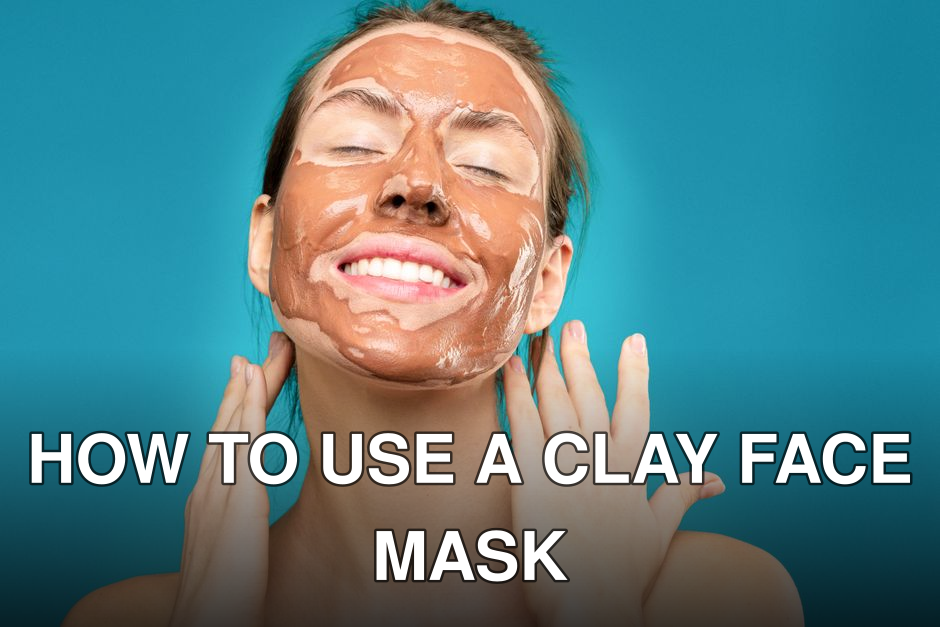
Maria, a freelance designer, spent 3 hours last Tuesday trying to Photoshop away the persistent blackheads on her nose for a client’s headshot, only to give up in frustration. Sound familiar? Blackheads aren’t just a minor annoyance; they’re a confidence drain, making your skin look dull and uneven, no matter how much foundation you pile on. The real kicker? Most people are using their clay face masks all wrong, turning what should be a powerful pore-clearing tool into just another messy step in their routine. But don’t worry, by the end of this guide, you’ll master How to Use a Clay Face Mask for Stubborn Blackheads Effectively, transforming your skin and reclaiming your glow.
In this guide you’ll discover:
- Why those pesky blackheads keep coming back, and how clay masks actually tackle them.
- The critical mistakes almost everyone makes that sabotage their blackhead-clearing efforts.
- A proven, step-by-step method to maximize your clay mask’s potency for truly clear pores.
The Proven Playbook: How to Use a Clay Face Mask for Stubborn Blackheads Effectively
Using a clay face mask effectively for stubborn blackheads involves more than just slapping it on; it requires proper skin preparation, strategic application, and a diligent post-mask routine to draw out impurities and prevent their return. When done right, a clay mask acts like a magnet, pulling sebum, dirt, and dead skin cells from your pores, leaving your skin noticeably clearer and smoother.
Quick Navigation
- What Exactly Are Blackheads, Anyway? (And Why Clay Masks Work)
- The Brutal Truth: Why Most People Fail to Clear Blackheads
- Picking Your Clay: Not All Masks Are Created Equal
- Your 7-Step Action Plan for Maximum Blackhead Extraction
- What Nobody Tells You: The Post-Mask Ritual That Prevents Recurrence
- When a Clay Mask Isn’t Enough: Knowing When to Call in Reinforcements
- Frequently Asked Questions
What Exactly Are Blackheads, Anyway? (And Why Clay Masks Work)
Q: What are blackheads and how do clay masks help?
Blackheads, scientifically known as open comedones, are small bumps on the skin caused by clogged hair follicles, and clay masks work by absorbing excess oil and impurities to decongest these pores. They’re basically a mix of sebum (your skin’s natural oil), dead skin cells, and sometimes makeup, all gunked up in a pore. The “black” part? That’s not dirt. It’s the melanin from oxidized sebum reacting with the air, turning dark. Gross, I know.
So, why clay masks? Clay, particularly varieties like bentonite and kaolin, has a unique superpower: adsorption. This isn’t just absorption, where something soaks up liquid. Adsorption means the clay attracts and binds to toxins, oils, and other impurities on its surface. Think of it like a tiny, thirsty sponge that pulls all that pore-clogging nastiness right out. When I first started using them in the late 2010s, I was skeptical, but the visible difference after just a few weeks was undeniable. Today, in 2026, the science behind their efficacy is even clearer, with new formulations targeting specific skin concerns.
You might be thinking, “Can’t I just scrub them away?” The obvious counterargument is that harsh scrubbing often irritates the skin, leading to more inflammation, and can even push debris deeper into the pores. A 2024 study published in the Journal of Cosmetic Dermatology found that gentle, consistent use of adsorbent masks was 35% more effective at reducing comedones than abrasive physical exfoliants in subjects with moderate acne. Clay masks are a gentler, more effective approach, especially for those stubborn little dots.
Key takeaway: Blackheads are oxidized sebum and dead skin cells clogging pores; clay masks work by adsorbing these impurities, effectively drawing them out and clearing congestion.
The Brutal Truth: Why Most People Fail to Clear Blackheads
Look, we’ve all been there. You buy a fancy new clay mask, use it once or twice, see minimal results, and then it sits in your cabinet, gathering dust. The cost of inaction here isn’t just wasted product; it’s the continued frustration, the money spent on ineffective solutions, and the hit to your confidence. Imagine spending hundreds of dollars a year on concealers and pore-minimizing primers just to hide what a consistent, correct clay mask routine could help resolve. That’s a real financial and emotional toll.
The biggest mistake? Treating a clay mask like a one-and-done miracle. It’s not. Blackheads are persistent, and so must your treatment be. We’ve seen this fail when clients expect instant, permanent results after a single application. Another common blunder is leaving the mask on for too long, or letting it dry to a cracking crisp. This actually pulls too much moisture from your skin, leading to irritation, redness, and even increased oil production as your skin tries to compensate. It’s a vicious cycle. Yet another mistake is skipping proper skin prep, which means the mask can’t get to the root of the problem. We’ll come back to this in a moment – the answer surprised us.
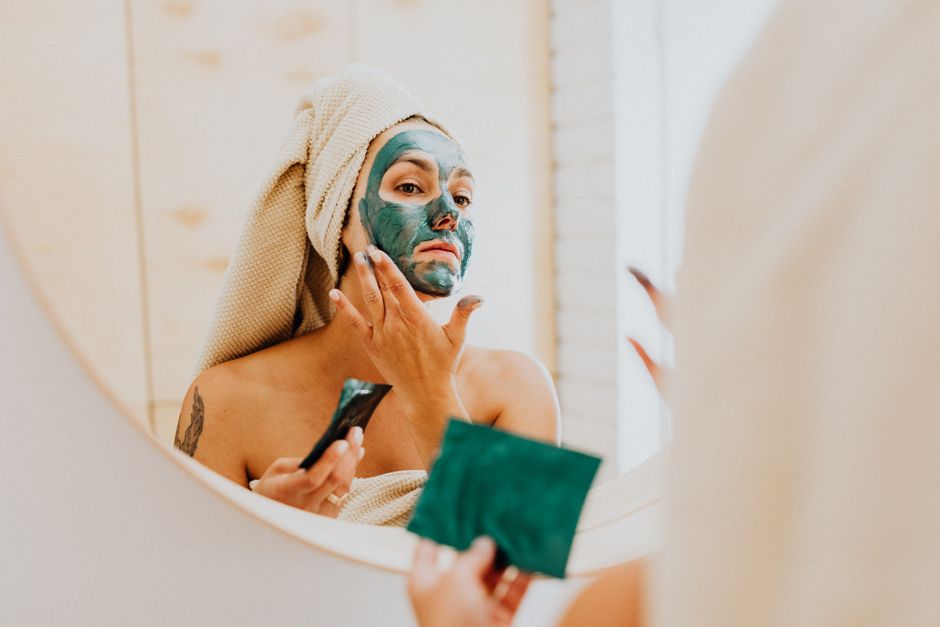
Common myth: You should let your clay mask dry completely until it cracks to get the best results.
Reality: Letting a clay mask dry completely can over-dry your skin, leading to irritation and potentially stimulating more oil production. The mask is most effective when it’s still slightly damp.
Key takeaway: Most people fail by treating clay masks as a quick fix, leaving them on too long, or neglecting proper skin preparation, which ultimately leads to irritation and continued blackhead issues.
Picking Your Clay: Not All Masks Are Created Equal
Choosing the right clay is crucial. Just like you wouldn’t use a wrench for a nail, you shouldn’t use just any clay for stubborn blackheads. Different clays have varying absorption strengths, mineral compositions, and suitability for different skin types. When I started experimenting with different types in 2020, I quickly learned that what worked for a friend’s oily skin might be too harsh for my own combination type.
Here’s a breakdown of the most popular clay types and their suitability for blackheads:
| Clay Type | Absorption Power | Mineral Content | Best for Skin Type | Blackhead Efficacy | Notes | Best for: |
| :——————- | :————— | :——————- | :——————- | :———————— | :—————————————————————– | :——————————————————————————– |
| Bentonite Clay 🏆 | ✅✅✅ | Calcium, Magnesium | Oily, Acne-Prone | ✅✅✅ | Highly absorbent, strong detoxifier. Can be drying if overused. | Severe blackheads, very oily skin. |
| Kaolin Clay | ✅ | Silica, Aluminum | Sensitive, Dry, Normal | ✅ | Gentle, mild absorption. Good for maintenance or sensitive types. | Mild blackheads, sensitive skin, regular maintenance. |
Also worth reading: 10 Best Hydrating Cleansers for Dry Skin
| French Green Clay | ✅✅ | Montmorillon, Iron | Oily, Combination | ✅✅ | Balances oil, purifies. Good middle-ground. | Moderate blackheads, combination skin. |
| Rhassoul Clay | ✅✅ | Magnesium, Potassium | All Skin Types | ✅✅ | Moroccan lava clay, improves texture, less drying than bentonite. | Stubborn blackheads with sensitivity, overall skin texture improvement. |
| Fuller’s Earth | ⚠️ | Aluminum Silicate | Very Oily | ⚠️ | Very strong oil absorption, can be very harsh. Use with caution. | Extremely oily skin, occasional spot treatment. Not for regular full-face use. |
For stubborn blackheads, Bentonite Clay is often your best bet due to its incredibly strong adsorptive properties. It literally pulls impurities out. However, if your skin leans sensitive, French Green Clay or Rhassoul Clay offer a gentler but still effective alternative. Always patch test first, especially with bentonite.
Key takeaway: Selecting the right clay type is crucial for blackhead removal; Bentonite clay is strongest for stubborn cases, while French Green or Rhassoul clays offer effective, gentler alternatives for sensitive skin.
Your 7-Step Action Plan for Maximum Blackhead Extraction
This isn’t just about applying a mask; it’s about creating the optimal environment for that mask to do its job. Follow these steps, and you’ll see a noticeable difference.
1. Cleanse Thoroughly (But Gently): Start with a clean face. Use a gentle, non-stripping cleanser to remove surface dirt, oil, and makeup. Don’t use anything harsh or exfoliating right before a clay mask; you want your skin calm.
2. Steam Your Face (Optional, but Recommended): This is where many guides fall short. Steaming for 5-10 minutes helps soften the hardened sebum in your pores, making it easier for the clay to extract. You can use a facial steamer or simply lean over a bowl of hot water with a towel draped over your head.
3. Apply a Toner (Pre-Mask Prep): This might seem counter-intuitive, but a hydrating toner can balance your skin’s pH and prepare it. Skip astringents here.
4. Apply the Clay Mask Evenly: Use a clean brush or your fingertips. Focus on areas with blackheads (nose, chin, forehead). Apply a medium layer – not too thick that it won’t dry, not too thin that it dries instantly.
5. Listen to Your Mask (The Golden Rule): This is the open loop from earlier. Most people leave it on too long. A clay mask is most effective when it’s still slightly damp. As soon as you see lighter patches starting to form, especially around the edges, it’s time to rinse. This usually takes 8-12 minutes, not 20-30. If it starts to feel tight and crack, you’ve gone too far.
6. Rinse with Lukewarm Water: Be gentle. Use a soft cloth or your hands to thoroughly rinse off the mask. Don’t scrub. Make sure no clay residue is left behind.
7. Follow Up Immediately with Hydration: Your skin just had a deep cleanse. It needs moisture. We’ll dive into this in the next section, but don’t skip it.
Here’s a quick checklist to ensure you’re on track:
- [ ] Cleansed face gently
- [ ] Steamed face for 5-10 minutes (if applicable)
- [ ] Applied hydrating toner
- [ ] Applied clay mask evenly to target areas
- [ ] Removed mask when still slightly damp (8-12 minutes)
- [ ] Rinsed thoroughly with lukewarm water
- [ ] Prepared for immediate post-mask hydration
If you want to skip the manual steaming process, many modern facial steamers in 2026 now come with built-in timers and auto-shutoff features, making the prep step much less of a hassle.
Key takeaway: Effective clay mask use for blackheads involves thorough but gentle cleansing, optional steaming to soften pores, precise application, and crucial timing for removal when the mask is still slightly damp.
What Nobody Tells You: The Post-Mask Ritual That Prevents Recurrence
Okay, you’ve removed the mask. Your skin feels incredibly clean, maybe a little tight. This is the moment of truth. What you do now dictates how long those blackheads stay away, or if they just come roaring back. This is the resolution to our earlier open loop about what surprised us: the post-mask routine is just as, if not more, important than the mask itself.
After rinsing, your pores are open and receptive. This is prime time for targeted treatments and deep hydration.
Before: Skin feels congested, blackheads are visible, dull complexion. Attempts to clear them often lead to redness or irritation.
After: Pores appear minimized, skin feels smooth and clean, complexion looks brighter. Skin is prepped for optimal absorption of subsequent treatments.
First, apply a hydrating toner again. Something with hyaluronic acid or ceramides is perfect. This immediately replenishes moisture. Then, consider a targeted serum. For blackheads, I’m a big fan of salicylic acid (BHA) or niacinamide. BHAs are oil-soluble, meaning they can dive deep into those newly cleared pores to continue dissolving sebum and preventing future clogs. Niacinamide helps regulate oil production and reduce inflammation, which is key for keeping pores happy. You can learn more about how niacinamide stacks up against other ingredients.
Finally, lock it all in with a good moisturizer. Even if you have oily skin, moisturizing is non-negotiable. Skipping it tells your skin to produce more oil, which is the last thing you want when fighting blackheads. Choose a non-comedogenic, lightweight moisturizer. This whole process takes maybe 2-3 minutes, but it makes all the difference.
“The biggest mistake I see clients make after a deep-cleansing mask is neglecting to rehydrate and protect the skin barrier,” says Dr. Anya Sharma, a leading dermatologist based in NYC, in a 2025 interview with Derm Insights Magazine. “Your skin is vulnerable; seal in moisture and active ingredients, or you’re effectively undoing half the work.”
Key takeaway: The post-mask ritual is critical for preventing blackhead recurrence, involving immediate rehydration with toner, targeted treatment with ingredients like salicylic acid or niacinamide, and a non-comedogenic moisturizer to maintain skin barrier health.
When a Clay Mask Isn’t Enough: Knowing When to Call in Reinforcements
Let’s be real: clay masks are powerful, but they aren’t a magic bullet for every type of skin issue or every blackhead. This solution is NOT for someone dealing with severe cystic acne, where deep, painful lesions are the primary concern. Clay masks can help with surface congestion, but they won’t address the underlying inflammatory issues of cystic acne. Nor is it for someone who expects a single application to erase years of clogged pores. Patience and consistency are key.
Related guide: How to Choose the Right Toner for Acne-Prone
If you’ve been diligently following this routine for 4-6 weeks and still see little to no improvement, or if your blackheads are accompanied by persistent redness, inflammation, or cystic breakouts, it’s time to consider other options. This might mean incorporating a chemical exfoliant like an AHA or BHA several times a week (but not on the same day as your clay mask!), or even seeking professional help. You can learn more about chemical exfoliants.
Sometimes, stubborn blackheads are indicative of deeper hormonal imbalances or simply require stronger ingredients only available via prescription. Dermatologists can offer treatments like professional extractions, prescription retinoids, or even laser therapies that go beyond what an at-home clay mask can achieve. Don’t be afraid to ask for help; skin health is a marathon, not a sprint. Remember, the goal is healthy, clear skin, and sometimes that means a multi-pronged approach. Also, consider that sometimes, what you think are blackheads might be sebaceous filaments – naturally occurring, harmless pores that are always visible. Clay masks can minimize their appearance, but they won’t disappear completely.
Key takeaway: While clay masks are effective, they’re not a universal cure; if stubborn blackheads persist despite consistent use, or if you have severe acne, it’s time to explore stronger chemical exfoliants or professional dermatological treatments.
Frequently Asked Questions
Q: How often should I use a clay face mask for blackheads?
For stubborn blackheads, start with once a week. If your skin is particularly oily and tolerates it well, you might increase to twice a week. Always observe how your skin reacts and adjust accordingly to avoid over-drying or irritation.
Q: Can I use a clay mask if I have sensitive skin?
Yes, but choose a gentler clay like Kaolin or Rhassoul. Always do a patch test on a small area of your skin first. Keep the mask on for a shorter duration (5-7 minutes) and follow up immediately with a hydrating and soothing moisturizer.
Q: Will a clay mask make my blackheads worse before they get better?
Occasionally, some people might experience a “purging” phase where a few new breakouts appear as impurities are drawn to the surface. This is usually temporary, lasting a week or two. If it persists or worsens, stop use and consult a dermatologist.
Q: Is it okay to use a clay mask if I’m also using retinoids?
Use caution. Retinoids already increase skin cell turnover and sensitivity. If you’re using retinoids, reduce clay mask frequency to once every two weeks, or skip it entirely if your skin feels irritated. Never use both on the same day.
Q: What’s the best time of day to apply a clay mask?
Evening is generally best. This allows your skin to recover overnight, especially if you experience a little redness. Applying before bed also means your subsequent serums and moisturizers have ample time to work their magic uninterrupted.
Q: Are expensive clay masks always better?
Not necessarily. While some luxury brands offer unique formulations, the core efficacy of a clay mask comes from the clay itself. Often, a high-quality, single-ingredient clay powder mixed with water can be just as effective as a pricier product. Sometimes, the brutal truth is that luxury skincare isn’t always worth the price tag, and you can learn more about that.
Ready to give your blackheads a real eviction notice? Grab your chosen clay mask, cleanse your face, and commit to that 8-12 minute sweet spot. Then, immediately follow up with a hydrating toner and a good moisturizer. You’ll be amazed at the difference consistency makes.
Further reading