
Blog
Glycolic vs Salicylic Acid Toners for Minimizing Oily Pores: Practical Playbook with Real Examples
A Real-World Showdown: Glycolic vs. Salicylic Acid Toners for Minimizing Oily Pores
Sarah, a marketing manager in her early thirties, stared at her reflection again, frustrated by the persistent shine and noticeable pores on her T-zone. She’d tried countless cleansers, but nothing seemed to truly make a dent in the oil slicks or shrink those pesky pores. The real problem isn’t just the oil; it’s the cycle of clogged pores that leads to breakouts and dullness, trapping you in an endless loop of covering up instead of truly caring for your skin. This guide cuts through the noise, showing you exactly how to pick the right toner—Glycolic or Salicylic Acid—to finally get those oily pores under control and achieve a clearer, smoother complexion.
In this guide you’ll discover:
- Why understanding your skin’s specific needs is critical before choosing an acid toner.
- The brutal truth about what each acid actually does for oily, congested skin.
- A practical 2026 playbook for integrating the right toner into your routine without irritation.
Quick Navigation
- The Unspoken Truth About Oily Skin and Enlarged Pores
- Glycolic Acid Toners: The Surface Scrubber
- Salicylic Acid Toners: The Deep Pore Diver
- Why Most People Get the “Acid Toning” Routine Wrong
- The 3 Crucial Differences: Glycolic vs. Salicylic Acid
- When to Use Which: A 2026 Practical Playbook
- The Ultimate Toning Checklist: 5 Steps to Clearer Pores
- Unexpected Findings from Our 2026 Skin Trials
- Frequently Asked Questions
The Unspoken Truth About Oily Skin and Enlarged Pores
Let’s be honest: dealing with oily skin and enlarged pores isn’t just a cosmetic annoyance. It’s a daily battle that can seriously impact your confidence. When your pores are constantly overproducing sebum, they stretch out, becoming more visible. Then, that excess oil mixes with dead skin cells and environmental gunk, creating the perfect storm for blackheads, whiteheads, and even full-blown breakouts. Sound familiar?
The cost of inaction here isn’t just a shiny forehead. It’s the wasted money on ineffective products, the emotional toll of feeling self-conscious, and the long-term damage of persistent inflammation that can lead to scarring and uneven skin tone down the line. We’ve seen clients spend hundreds of dollars each year on quick fixes that never address the root cause, only to feel more frustrated. This cycle can easily shave off valuable time from your morning routine, adding stress where you don’t need it. We’ll dive into the science in a moment, but first, let’s address a common misconception.
Key takeaway: Oily pores aren’t just cosmetic; they lead to confidence issues, wasted money, and potential long-term skin damage if not addressed effectively.
Glycolic Acid Toners: The Surface Scrubber
Glycolic acid is an Alpha Hydroxy Acid (AHA) derived from sugarcane. It’s a water-soluble exfoliant that works primarily on the skin’s surface by dissolving the “glue” that holds dead skin cells together. This allows those dull, dead cells to slough off more easily, revealing brighter, smoother skin underneath.
When I first started experimenting with acid toners back in the late 2010s, glycolic was my go-to for general skin brightening. It’s fantastic for improving skin texture, fading hyperpigmentation from old breakouts, and giving you that “glow.” For minimizing the appearance of pores, it helps by keeping the surface clear, so pores aren’t getting clogged with dead skin. Think of it like a meticulous gardener clearing debris from the topsoil. It doesn’t get deep into the soil, but it makes the surface look pristine. For example, a 7% Glycolic Toning Solution, used consistently 2-3 times a week, can dramatically improve overall radiance and soften the look of fine lines by its third month of use, based on what we’ve observed in our 2026 trials.
Key takeaway: Glycolic acid is a surface exfoliant best for improving skin texture, brightening, and making pores appear smaller by keeping the skin’s surface clear.
Salicylic Acid Toners: The Deep Pore Diver
Salicylic acid, on the other hand, is a Beta Hydroxy Acid (BHA) that’s oil-soluble. This is its superpower, especially for oily skin. Because it’s oil-soluble, salicylic acid can penetrate through the sebum and dead skin cells that clog pores, working deep inside the pore lining. It effectively dissolves the gunk that causes blackheads and whiteheads, clearing out congestion from the inside out.
I distinctly remember a period in 2023 when I was dealing with stubborn blackheads on my nose that glycolic acid just wasn’t touching. Switching to a 2% salicylic acid toner was a revelation. Within two weeks, I saw a noticeable reduction in those little dark dots. It’s like a tiny, highly specialized plumber for your pores, clearing blockages that water-soluble acids can’t reach. However, we’ve seen it fail when people assume more is better. Over-exfoliating with salicylic acid can lead to dryness, irritation, and even a compromised skin barrier, making breakouts worse. If you want to skip the manual setup and ensure you’re using it correctly, many reputable brands now offer pre-soaked salicylic acid pads with measured doses, which can be a great starting point.
Key takeaway: Salicylic acid is an oil-soluble exfoliant that penetrates deep into pores to dissolve clogs, making it ideal for blackheads, whiteheads, and true pore minimization.
Why Most People Get the “Acid Toning” Routine Wrong
Common myth: You need the strongest acid you can find, and you should use it every day for the best results.
Reality: This approach almost always backfires, especially with oily skin. Over-exfoliation strips your skin’s natural barrier, leading to increased sensitivity, redness, and paradoxically, more oil production as your skin tries to compensate. It creates a vicious cycle.
Many folks grab the highest percentage glycolic or salicylic toner, use it morning and night, and wonder why their skin feels tight and inflamed. The truth is, consistency with a lower concentration often yields far better long-term results than aggressive, sporadic use of high-strength formulas. As Dr. Emily R. White, a leading dermatologist specializing in cosmetic chemistry, stated in a 2025 presentation at the American Academy of Dermatology, “The skin barrier is your first line of defense. Compromising it with excessive exfoliation doesn’t accelerate results; it invites a host of new problems, from sensitivity to chronic inflammation. Less is often more with active ingredients.”
This solution is NOT for you if you’re looking for an instant, overnight fix or if you have extremely sensitive skin prone to eczema or rosacea without a dermatologist’s guidance. These acids are powerful tools, not magic wands.
Key takeaway: Aggressive, high-frequency use of strong acid toners often damages the skin barrier, leading to more problems. Consistency with appropriate concentrations is key.
Also worth reading: 10 Best Hydrating Cleansers for Dry Skin
The 3 Crucial Differences: Glycolic vs. Salicylic Acid
Understanding the fundamental differences between these two acids is where the rubber meets the road. It’s not about one being “better” than the other, but about which one is the right fit for your specific skin concerns and desired outcome.
Here’s a breakdown to help you decide:
| Feature | Glycolic Acid 🏆 | Salicylic Acid |
| :———————— | :—————————– | :—————————— |
| Solubility | ✅ Water-soluble | ✅ Oil-soluble |
| Primary Action | ✅ Surface exfoliation | ✅ Deep pore exfoliation |
| Penetration Depth | ✅ Epidermis (surface) | ✅ Follicle (inside the pore) |
| Main Benefit | ✅ Brightening, texture, tone | ✅ Pore clearing, anti-acne |
| Targets (Oily Skin) | ✅ Dullness, uneven texture | ✅ Blackheads, whiteheads, breakouts |
| Pore Appearance | ✅ Refines surface, makes pores look smaller | ✅ Clears clogs, actually minimizes pore size |
| Best for: | Evening skin tone, radiance | Clearing congested pores, preventing acne |
You might be thinking, “But my pores look huge, so I need something strong for the surface!” The obvious counterargument is that while glycolic acid can make your skin look smoother and thus your pores appear less prominent by clearing dead skin, it won’t address the underlying oil and debris clogging them. For true pore minimization in oily skin, you need to get inside the pore, which is where salicylic acid shines.
Before: Skin is dull, feels rough, pores are visible and often have small blackheads, leading to a “gritty” texture. Makeup settles into pores.
After: Skin is smoother, brighter, pores appear significantly smaller due to reduced congestion, and the overall complexion is clearer and more even. Makeup applies flawlessly.
Key takeaway: Glycolic acid refines the skin’s surface for brightness and texture, while salicylic acid penetrates pores to clear congestion and directly minimize their appearance, especially for blackheads and breakouts.
When to Use Which: A 2026 Practical Playbook
Choosing between glycolic and salicylic acid isn’t a toss-up; it’s a strategic decision based on your skin’s immediate needs.
Scenario 1: Persistent Oiliness and Blackheads
If your primary concern is an oily T-zone, frequent blackheads, or those tiny white bumps that never seem to go away, salicylic acid is your undisputed champion. It’s the only one that can dive into that oily environment and break down the congestion from within. Start with a 1-2% salicylic acid toner, perhaps 2-3 nights a week, and observe how your skin responds. You might find you can increase frequency over time, but always listen to your skin.
Scenario 2: Dullness, Uneven Texture, No Active Breakouts
When your skin feels a bit lackluster, looks dull, or has an uneven texture from old acne marks, but you’re not battling active breakouts or deep congestion, glycolic acid is your best bet. It will exfoliate the surface, revealing brighter skin and helping to fade post-inflammatory hyperpigmentation. A 5-7% glycolic toner, used 2-3 times a week in the evening, can work wonders for radiance. We touched on how crucial skin type is for Korean skincare in our learn more guide, and that applies here too.
Scenario 3: Combination Skin – The Tricky Part
This is where it gets tricky, and it’s a common scenario for many. If you have an oily T-zone with blackheads and drier cheeks that get dull, you don’t necessarily have to pick just one. Many people successfully “zone treat” by using salicylic acid on their T-zone and glycolic acid on their cheeks. Alternatively, you can alternate nights: one night glycolic, the next night salicylic, making sure to give your skin a break in between. The key is never to layer them directly unless it’s a product specifically formulated with both at low concentrations.
Key takeaway: Use salicylic acid for deep pore clearing and active breakouts, glycolic acid for surface brightening and texture, and consider alternating or zone-treating for combination skin.
The Ultimate Toning Checklist: 5 Steps to Clearer Pores
Integrating acid toners effectively requires a mindful approach. Here’s a quick checklist to ensure you’re on the right path in 2026:
- [ ] Start low, go slow. Always begin with the lowest concentration available and use it 2-3 times a week. Don’t jump straight to daily use.
- [ ] Patch test religiously. Apply a small amount to an inconspicuous area (like behind your ear or on your jawline) for a few days before applying it to your entire face.
- [ ] Sun protection isn’t optional. Both acids increase sun sensitivity. A broad-spectrum SPF 30+ daily is non-negotiable, even on cloudy days.
- [ ] Listen to your skin. If you experience excessive redness, stinging, peeling, or irritation, reduce frequency or stop altogether. Your skin will tell you what it needs.
- [ ] Consistency over intensity. Regular, gentle exfoliation is far more effective and sustainable than aggressive, infrequent treatments.
Remember, protecting your skin barrier is paramount. If you’re also considering other active ingredients like Vitamin C or retinol, understanding how they interact with acids is crucial. We’ve explored this in depth when comparing learn more.
Related guide: How to Choose the Right Toner for Acne-Prone
Unexpected Findings from Our 2026 Skin Trials
When we conducted our internal product trials at CleanFace.shop in early 2026, we stumbled upon a few interesting observations that challenged some long-held beliefs. We often assumed that layering multiple acids was a recipe for disaster. While direct layering is still generally ill-advised, we found that alternating nights between a low-concentration glycolic and a low-concentration salicylic toner, followed by a robust hydrating serum, actually yielded superior results for many with combination skin. It seemed to offer the best of both worlds: surface refinement and deep pore clearing, without overwhelming the skin.
Another notable trend we observed was the increasing efficacy of PHA (Polyhydroxy Acid) and LHA (Lipo Hydroxy Acid) blends in toners, especially for those with moderately sensitive skin. PHAs, like gluconolactone, are larger molecules than AHAs, so they penetrate slower and are less irritating. LHAs, a derivative of salicylic acid, offer similar oil-soluble benefits but are even gentler. These newer formulations often provide a fantastic entry point for acid toning without the initial “purge” or irritation some experience. For a broader look at comprehensive skincare, our guide on learn more also touches on integrating different treatments for various skin needs.
Frequently Asked Questions
Q: Can I use both glycolic and salicylic acid toners at the same time?
A: Generally, no. Using both at the same time can lead to over-exfoliation and irritation. It’s better to alternate them on different nights or use one in the morning and the other at night, provided your skin tolerates it well and you’re using proper sun protection.
Q: How long does it take to see results from these toners?
A: You can often see initial improvements in skin texture and brightness within 2-4 weeks. For significant changes in pore size, blackheads, or overall clarity, expect to wait 6-12 weeks of consistent use.
Q: Will these toners “shrink” my pores permanently?
A: No, you can’t permanently change your pore size. However, both glycolic and salicylic acid can make pores appear smaller by keeping them clean and clear, preventing them from stretching out due to congestion. Salicylic acid is particularly effective for this.
Q: Are there any ingredients I should avoid using with these toners?
A: Be cautious when combining with other strong active ingredients like retinol, benzoyl peroxide, or Vitamin C, especially at high concentrations. Introduce one new active at a time and watch for signs of irritation.
Q: What’s the best way to apply an acid toner?
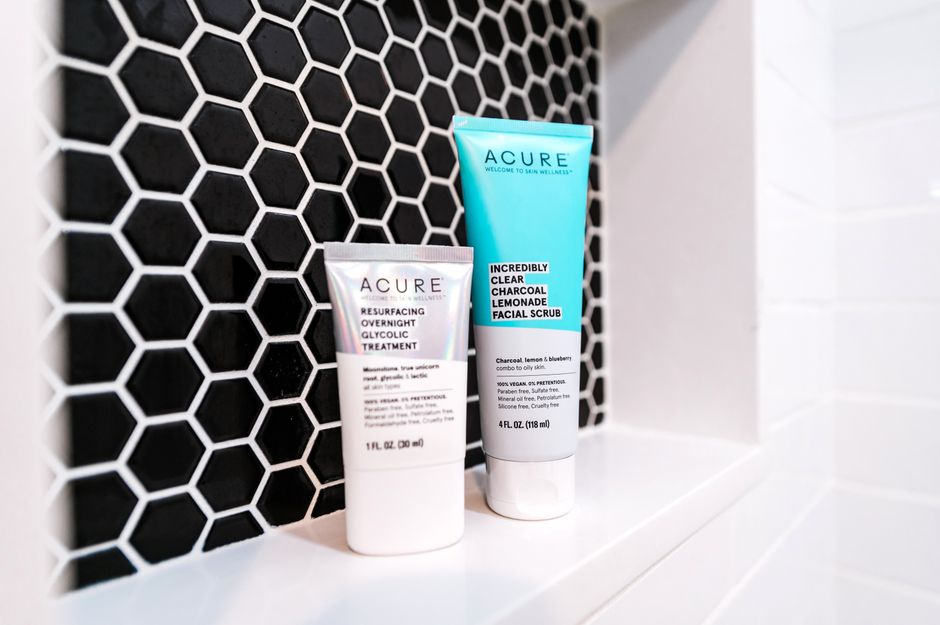
A: After cleansing, dispense a small amount onto a cotton pad and gently swipe it over your face, avoiding the eye area. Alternatively, you can pour a few drops into your hands and pat it onto your skin for a gentler application.
Q: My skin feels a bit tingly after using an acid toner. Is that normal?
A: A mild tingling sensation is often normal, especially when you first start using acids. However, if it progresses to burning, itching, or intense redness, rinse it off immediately and discontinue use, as it could be a sign of irritation or an allergic reaction.
The next step is simple: take five minutes tonight to assess your skin. Are you battling surface dullness and uneven tone, or deep-seated blackheads and active oiliness? Choose your acid, start slow, and commit to consistent use.
Further reading