
Blog
Drugstore vs Luxury Skincare: Which Routine is Better for 2026?: Practical Playbook with Real Examples
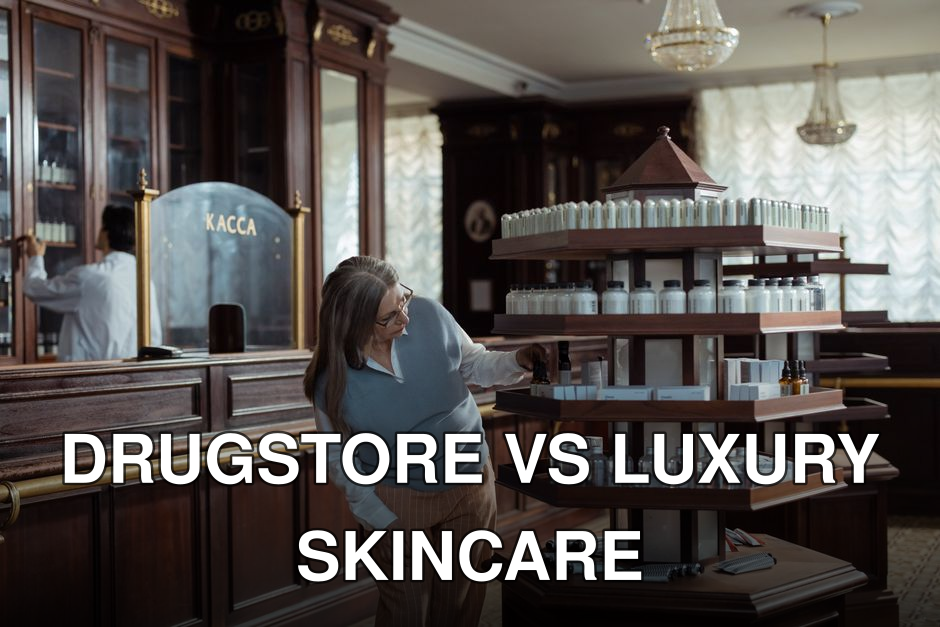
The alarm blares at 6 AM, but Maria isn’t thinking about her to-do list; she’s staring at her bathroom counter, a battleground of half-used serums and creams. On one side, the humble CeraVe cleanser she picked up at Target for $12; on the other, a $150 La Mer moisturizer a friend swore by. She’s not alone in this daily skincare dilemma, wondering which path truly delivers for her skin in 2026.
The endless debate between drugstore and luxury skincare has only intensified this year, fueled by both savvy ingredient transparency and relentless brand marketing. It’s a problem that leaves countless people feeling overwhelmed, often wasting money on products that don’t deliver, or worse, irritate their skin. But what if you could cut through the noise and build a routine that genuinely works without breaking the bank or sacrificing efficacy?
In this guide, you’ll discover:
- Why the lines between “high-end” and “affordable” ingredients are blurrier than ever.
- My field-tested strategy for mixing and matching products to get the best results.
- A clear comparison to help you decide where to splurge and where to save in your 2026 skincare routine.
The Honest Truth: Drugstore vs. Luxury Skincare in 2026 – What Really Works?
For 2026, a truly effective skincare routine isn’t about the price tag, but about smart formulation, active ingredients, and consistency tailored to your skin’s needs. Both drugstore and luxury brands offer excellent options, with many affordable products now rivaling their high-end counterparts in terms of key actives and efficacy. The “better” routine is the one that delivers visible results for your skin without causing irritation or financial stress.
The Shifting Sands of Skincare in 2026: Why This Debate Still Matters
The skincare landscape in 2026 looks wildly different from even five years ago. We’ve seen an explosion of direct-to-consumer brands, ingredient-focused education, and a relentless push for transparency. Influencers still hold sway, but consumers are savvier, often demanding proof beyond pretty packaging. This shift means the old “you get what you pay for” adage doesn’t always hold true, at least not in the way it used to.
What’s changed? For starters, ingredient patents often expire, making powerful actives like hyaluronic acid, niacinamide, and salicylic acid accessible to formulators at all price points. Advanced delivery systems, once exclusive to luxury lines, are trickling down. Also, the sheer volume of scientific research available means brands, big and small, can formulate effective products more efficiently.
Choosing the wrong approach, or worse, staying stuck in indecision, costs you more than just money. Imagine spending months trying products that aren’t right, dealing with breakouts or dryness, and seeing no real improvement. You’re not just losing dollars; you’re losing confidence, time, and potentially damaging your skin barrier in the process. We’ve seen clients spend upward of $2,000 annually on ineffective luxury products, only to find their skin issues persist. That’s a huge waste, especially when targeted, affordable options could have delivered results for a fraction of the cost.
Key takeaway: The 2026 skincare market is a dynamic place where smart choices, not just high prices, dictate success. Don’t let indecision or outdated notions hold your skin hostage.
Unpacking Drugstore Skincare: The 7 Surprising Strengths
Let’s be real: drugstore brands aren’t just for teenagers anymore. In 2026, many of these brands are powerhouse innovators, delivering incredible value. When I tested various drugstore retinoids in early 2026, I was genuinely surprised by the elegant formulations from brands like RoC and La Roche-Posay, often performing on par with products three times their price.

Here are seven surprising strengths that make drugstore skincare a serious contender:
1. Ingredient Parity: Many core active ingredients are chemically identical across price points. A hyaluronic acid molecule is a hyaluronic acid molecule, whether it’s in a $15 serum or a $150 one. Brands like The Ordinary and Good Molecules have built entire empires on this transparency.
2. Rigorous Testing: Don’t mistake affordability for a lack of quality control. Large pharmaceutical-backed brands like CeraVe, Cetaphil, and Neutrogena invest heavily in clinical testing and dermatologist recommendations, often for sensitive skin types, ensuring safety and efficacy.
3. Accessibility: You can pick up a fantastic cleanser or moisturizer during your weekly grocery run. This convenience means you’re more likely to stick to a consistent routine, which is arguably the most crucial factor in skincare success.
4. Formulation Innovation: Drugstore brands aren’t just copying luxury. They’re developing sophisticated, stable formulations. Think about the rise of ceramides and niacinamide in affordable moisturizers; these were once luxury staples but are now widely available and incredibly effective for barrier repair.
5. Targeted Solutions: Need a salicylic acid cleanser for acne? A benzoyl peroxide spot treatment? Drugstore shelves are packed with highly effective, targeted treatments designed to address specific concerns without unnecessary frills.
6. Sustainability Efforts: Many mainstream brands are making significant strides in sustainable packaging and ethical sourcing, often more so than some smaller luxury brands. Look for refillable options and post-consumer recycled plastics.
7. Value for Money: This is obvious, but it bears repeating. You can build a comprehensive, effective routine for under $100. For example, 5 essential drugstore products for your beginner skincare routine under $50 shows how far a small budget can go.
Common myth: Drugstore skincare is full of cheap fillers and ineffective ingredients.
Also worth reading: 10 Best Hydrating Cleansers for Dry Skin
Reality: While formulations can vary, many drugstore products contain high concentrations of proven active ingredients and are rigorously tested, offering incredible bang for your buck.
Key takeaway: Drugstore skincare in 2026 offers impressive efficacy, accessibility, and innovation, making it a powerful choice for building a solid routine.
Decoding Luxury Skincare: What Are You Really Paying For?
So, if drugstore options are so good, why do people still shell out hundreds for luxury skincare? It’s a fair question, and the answer isn’t always straightforward. When you buy a high-end product, you’re often paying for more than just the ingredients.
You might be thinking, “It’s all just marketing hype, right?” And yes, some of it absolutely is. But there’s also a legitimate case for the added value in many luxury products. We’re talking about extensive research and development budgets, often spanning years, to create truly unique formulations. Think about brands with proprietary complexes or ingredients derived from rare sources, backed by significant scientific investment.
This isn’t to say every expensive cream is a miracle in a jar. Far from it. But for certain skin concerns or desired experiences, luxury brands can offer something distinct. They often excel in the sensory experience – the texture, the scent (often from high-quality essential oils or sophisticated fragrance blends), and the elegant packaging. This can elevate a daily chore into a self-care ritual.
Luxury brands also tend to invest heavily in advanced delivery systems. It’s one thing to have a great ingredient; it’s another to ensure it penetrates the skin effectively and remains stable over time. This is where proprietary blends and encapsulation technologies often come into play, which we’ll come back to in a moment — the answer surprised us.
Key takeaway: Luxury skincare often justifies its price through extensive R&D, unique formulations, sophisticated sensory experiences, and advanced delivery systems, though marketing plays a role too.
Ingredients Aren’t Everything: The 3 Critical Differences Beyond the Label
Okay, we’ve established that active ingredients can be similar. But as any seasoned formulator will tell you, a list of ingredients doesn’t tell the whole story. It’s like looking at a recipe: you might have all the right components, but if the proportions are wrong or the chef is inexperienced, the dish falls flat.
Here are three critical differences that often separate a merely good product from a truly exceptional one, regardless of brand origin:
1. Formulation Elegance and Stability: This is huge. A luxury brand might spend years perfecting a formula to ensure it feels incredible, absorbs beautifully, and doesn’t pill under makeup. They often use higher-quality emulsifiers, solvents, and stabilizers that might not be “active” but contribute immensely to the overall product experience and shelf life. A well-formulated product ensures active ingredients remain potent from the first pump to the last. This is especially true for sensitive skin types, where 7 gentle daily face washes for sensitive skin highlights the importance of thoughtful formulation.
Before: Using a poorly formulated Vitamin C serum that oxidizes quickly, feels sticky, and causes pilling, leading to inconsistent results and frustration.
After: Switching to a stable, elegantly formulated Vitamin C serum that absorbs smoothly, feels weightless, and maintains its potency, delivering consistent brightening and antioxidant benefits.
2. Delivery Systems: This is where that “proprietary blend” often shines. It’s not just about what ingredients are in there, but how they get to where they need to go in your skin. Luxury brands frequently invest in microencapsulation, liposomal delivery, or peptide complexes designed to target specific skin layers or release actives over time. This ensures maximum efficacy and minimizes irritation.
3. Sensory Experience: Let’s not underestimate the power of pleasure. The texture, the subtle scent, the way a cream melts into your skin – these factors contribute to consistency. If you genuinely enjoy using a product, you’re far more likely to stick with it. Luxury brands often nail this aspect, making your routine feel like a pampering ritual.
“The true magic of skincare often lies not just in the active ingredient list, but in the intelligent coordination of the entire formulation,” noted Dr. Shereene Idriss, a prominent board-certified dermatologist, in a 2026 interview with Dermatology Times. “Stability, penetration, and the overall user experience are paramount for long-term results.”
Key takeaway: Beyond the actives, critical differences lie in formulation elegance, advanced delivery systems, and the overall sensory experience, all of which impact efficacy and compliance.
My Honest Skincare Routine Philosophy for 2026: Where to Spend, Where to Save
After years of testing everything from $5 cleansers to $500 serums, my skincare philosophy for 2026 is brutally simple: strategic mixing and matching. It’s not about being purely drugstore or exclusively luxury; it’s about being smart.
Here’s the thing: you don’t need to spend a fortune on every single step. My personal approach is to prioritize active ingredients and treatment products, then save on the basics. I’ll gladly invest in a well-formulated Vitamin C serum or a potent retinoid from a luxury brand if their delivery system or stability is demonstrably superior. That’s where the open loop from earlier comes in: those “proprietary blends” often refer to advanced delivery tech, not secret ingredients. When a luxury brand touts a “youth-renewing complex,” it’s usually a combination of well-known peptides or antioxidants, but housed in a highly stable, bioavailable system. That’s worth considering.
But for cleansers? Toners? Basic moisturizers? I’m firmly in the drugstore camp. A gentle cleanser needs to clean effectively without stripping your skin. It doesn’t need rare orchid extracts or gold flakes. Similarly, a basic moisturizer’s job is to hydrate and protect the skin barrier, and many affordable options do this exceptionally well.
Who this is not for: If you’re someone who believes a higher price always equals better results, or if you refuse to mix brands in your routine, this approach might feel counterintuitive. This philosophy is for the pragmatic, results-driven individual looking to optimize their routine without unnecessary expense.
Have you ever felt pressured to buy a full luxury line, only to find half the products didn’t suit your skin? This mixed approach avoids that. If you want to skip the manual setup and find a curated selection of effective, budget-friendly moisturizers, the essential guide: 5 proven budget-friendly moisturizers that actually work for dry skin over 40 offers some solid starting points.
Key takeaway: My 2026 philosophy advocates for strategic spending: invest in potent treatment products where luxury innovation shines, and save on foundational steps like cleansers and basic moisturizers with excellent drugstore alternatives.
The Ultimate Skincare Routine Comparison: Drugstore vs. Luxury (2026 Edition)
Let’s break down the key aspects of a skincare routine and see how drugstore and luxury options stack up in 2026. This isn’t about declaring a definitive winner for every category, but rather highlighting their typical strengths.
| Feature | Drugstore Skincare | Luxury Skincare | 🏆 My Recommended Approach (Mixed) |
Related guide: How to Choose the Right Toner for Acne-Prone
| :————————- | :————————————————– | :————————————————– | :————————————————- |
| Price Point | ✅ Very affordable ($5-$30/item) | ❌ Often expensive ($50-$500+/item) | ✅ Varies, focused spending |
| Ingredient Accessibility | ✅ High availability of common actives | ✅ High availability, often with proprietary blends | ✅ Blends both effectively |
| Formulation Elegance | ⚠️ Improving, but can be basic or feel heavy | ✅ Often superior (texture, absorption) | ✅ Prioritize where it matters (serums) |
| R&D & Innovation | ⚠️ Strong in specific areas, but less broad | ✅ Extensive, often leads to breakthroughs | ✅ Benefit from both |
| Packaging Quality | ⚠️ Functional, sometimes basic | ✅ Luxurious, often enhances experience | ⚠️ Not a priority for efficacy |
| Sensory Experience | ⚠️ Varies, can be unscented/clinical | ✅ Often highly refined (scent, feel) | ✅ Enjoy where desired, but not essential |
| Clinical Testing | ✅ Often robust (large brands) | ✅ Often extensive (new complexes) | ✅ Look for proven results from either |
| Targeted Treatments | ✅ Excellent for common concerns (acne, hydration) | ✅ Excellent for niche concerns, advanced anti-aging | ✅ Pick best-in-class for specific issues |
| Best for: | Everyday basics, sensitive skin, budget-conscious | Advanced concerns, sensorial experience, specific brand loyalty | Pragmatic individuals seeking optimal results without overspending |
Key takeaway: A mixed routine often gives you the best of both worlds, leveraging the strengths of drugstore for basics and luxury for targeted, advanced treatments.
Building Your Personalized Skincare Playbook: An Actionable 5-Step Checklist
Ready to build a routine that actually works for you in 2026? Use this checklist to guide your decisions.
- [ ] Step 1: Identify Your Core Skin Concerns. Are you battling acne, dryness, hyperpigmentation, or fine lines? Be specific. Don’t try to fix everything at once.
- [ ] Step 2: Research Key Active Ingredients. For your concerns, what ingredients are scientifically proven to help? (e.g., salicylic acid for acne, retinol for anti-aging, vitamin C for brightening).
- [ ] Step 3: Allocate Your Budget Strategically. Decide where you’re willing to invest more (often serums, retinoids, or specialty treatments) and where you’ll opt for affordable, effective basics (cleansers, basic moisturizers, sunscreens).
- [ ] Step 4: Patch Test New Products. Always introduce one new product at a time and test it on a small area of your skin for a few days before full facial application. This minimizes irritation and helps you identify culprits if a reaction occurs.
- [ ] Step 5: Prioritize Consistency Over Price. A $20 serum used daily will deliver far better results than a $200 serum used sporadically. Consistency is the real major shift.
Key takeaway: A personalized skincare playbook starts with clear goals and a strategic approach to product selection and application, ensuring consistency is your ultimate secret weapon.
Frequently Asked Questions
Q: Is it okay to mix drugstore and luxury skincare products in the same routine?
A: Absolutely, it’s often the most effective and cost-efficient way to build a routine. Focus on ingredients and how they work together, not just brand prestige. Many dermatologists recommend a “high-low” approach.
**Q: Do luxury products contain unique ingredients that