
Blog
Gentle Daily Face Wash vs. Scrub: Which is Best for Sensitive Skin?: Practical Playbook with Real Examples
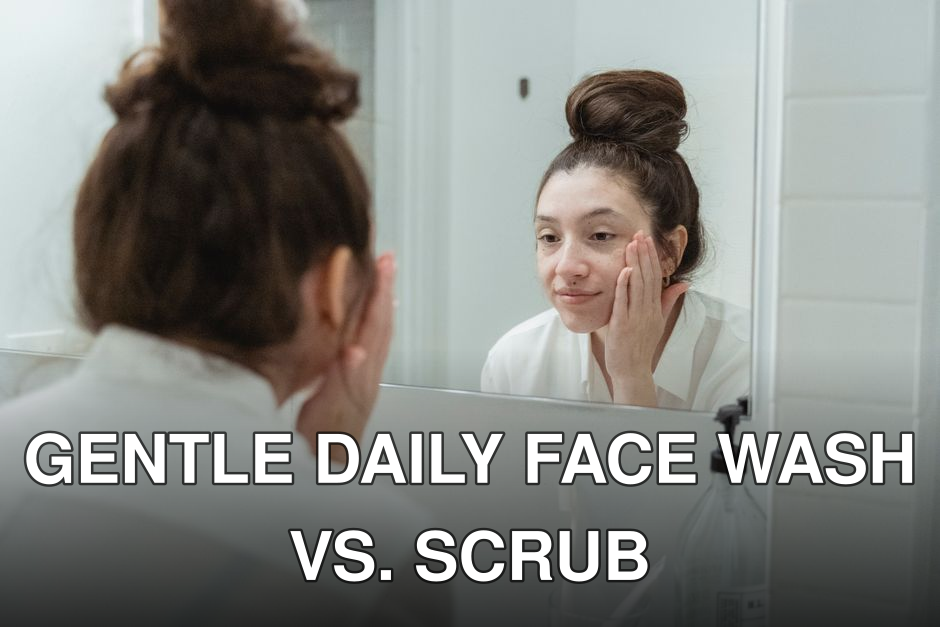
The bathroom counter was a battlefield. Sarah, her sensitive skin already inflamed from a new “gentle” cleanser that promised miracles, stared at the two bottles: a creamy, minimalist face wash and a brightly packaged scrub boasting natural exfoliants. Every morning felt like a gamble, a desperate attempt to clean her face without triggering another wave of redness, dryness, or an unwelcome breakout. Finding the right cleanser for delicate skin shouldn’t feel like navigating a minefield, yet here we are in 2026, still wrestling with basic choices.
It’s a frustrating cycle, isn’t it? You want clean skin, free from makeup and daily grime, but every wrong move leaves you with an angry, irritated complexion. The constant guessing game, the wasted money on products that promise the world but deliver only discomfort, it all adds up. This guide cuts through the noise, offering clear, actionable advice so you can finally choose a cleanser that loves your sensitive skin back, saving you from future irritation and unnecessary product graveyard trips.
In this guide you’ll discover:
- Why “sensitive skin” isn’t a one-size-fits-all label and what it means for your cleansing routine.
- The surprising truth about why most scrubs are a disaster for delicate complexions, even the “natural” ones.
- My practical, no-nonsense rules for selecting a daily cleanser that truly calms and cleanses without compromise.
The honest truth? For sensitive skin, a gentle daily face wash is almost always the superior choice over a scrub. Scrubs, particularly physical ones, often cause micro-tears and disrupt the delicate skin barrier, leading to increased sensitivity, redness, and inflammation. Gentle face washes, however, cleanse effectively without stripping essential oils or compromising the skin’s natural defenses.
Quick Navigation
- What Exactly is “Sensitive Skin” Anyway? (And Why It Matters So Much)
- The Daily Face Wash: Your Skin’s Best Friend or Too Gentle?
- The Scrub: A Deep Clean or a Recipe for Disaster?
- The 2026 Science Behind Why Less is Often More
- The Brutal Comparison: Face Wash vs. Scrub for Sensitive Skin
- My 3 Practical Rules for Choosing Your Daily Cleanser
- What Nobody Tells You About Chemical Exfoliation for Sensitive Skin
- The Unexpected Findings: When a “Gentle” Product Still Irritates
- Your 2026 Sensitive Skin Cleansing Playbook
- Frequently Asked Questions
What Exactly is “Sensitive Skin” Anyway? (And Why It Matters So Much)
“Sensitive skin” isn’t just a marketing buzzword; it’s a legitimate skin condition characterized by a compromised skin barrier. Think of your skin barrier like a brick wall: healthy skin has tightly packed bricks (skin cells) and mortar (lipids like ceramides). Sensitive skin often has gaps in that mortar, making it permeable and vulnerable to irritants, allergens, and moisture loss. This vulnerability is why even seemingly harmless products can trigger reactions.
Common triggers include harsh chemicals, fragrances, extreme temperatures, certain ingredients like alcohol or strong acids, and yes, aggressive physical exfoliation. When your barrier is weak, your skin is more prone to redness, itching, stinging, burning sensations, and even breakouts. Ignoring these signals and continuing to use irritating products can lead to chronic inflammation, which can accelerate aging and worsen underlying conditions like rosacea or eczema. The cost of not listening to your skin? Ongoing discomfort, a perpetually inflamed complexion, and the constant financial drain of buying product after product in search of relief.
Key takeaway: Sensitive skin means a compromised skin barrier, making it crucial to use products that support, not further damage, its natural defenses.
But understanding what sensitive skin is only gets us halfway there—now, let’s look at the tools we use to clean it.
The Daily Face Wash: Your Skin’s Best Friend or Too Gentle?
A gentle daily face wash is designed to cleanse your skin without stripping its natural oils or disrupting its delicate pH balance. These cleansers usually have a creamy, milky, or gel-like texture and are often non-foaming or low-foaming. The magic lies in their ingredient list: look for calming, hydrating components like ceramides, hyaluronic acid, glycerin, niacinamide, and colloidal oatmeal. These ingredients don’t just clean; they actively support your skin barrier, helping to retain moisture and reduce irritation.
I’ve tested countless gentle face washes over the years, and the best ones leave your skin feeling clean, refreshed, and soft – never tight or squeaky. For instance, brands like La Roche-Posay’s Toleriane Hydrating Gentle Cleanser or CeraVe’s Hydrating Facial Cleanser are consistently recommended by dermatologists in 2026 for their barrier-friendly formulations. They effectively remove makeup, sunscreen, and daily grime without causing any fuss. You might be thinking, “But will it really get my skin clean enough? I like that squeaky-clean feeling!” Here’s the thing: that “squeaky-clean” feeling is actually a sign that you’ve stripped your skin of its natural, protective oils. It’s a false sense of clean that sets you up for dryness and irritation. A truly gentle cleanser will clean thoroughly without that harsh aftermath.

Key takeaway: Gentle daily face washes cleanse effectively while supporting the skin barrier with hydrating and calming ingredients, leaving skin soft and comfortable.
Now, let’s talk about the other side of the coin – the scrub.
The Scrub: A Deep Clean or a Recipe for Disaster?
Face scrubs, particularly physical exfoliants, use abrasive particles to manually buff away dead skin cells. These can range from natural ingredients like apricot pits, walnut shells, and sugar granules to synthetic microbeads (though many of these have been phased out due to environmental concerns by 2026). The promise is a “deep clean” and a smooth, radiant complexion. However, for sensitive skin, this promise often turns into a nightmare.
Common myth: Scrubs are the only way to get a deep clean and truly smooth skin.
Reality: Physical scrubs, especially those with irregularly shaped particles like crushed nuts or fruit pits, can create microscopic tears in the skin’s surface. These micro-tears compromise your skin barrier, making it more susceptible to irritation, redness, and even infection. Instead of smoothing, you’re essentially creating tiny wounds. Even scrubs with seemingly “gentle” round beads can be too harsh if used with too much pressure or too frequently on sensitive skin. We’ve seen this fail time and again when clients come in with compromised barriers after trying to “scrub away” their sensitivity. It’s a vicious cycle. Trying to force exfoliation on already delicate skin is like trying to mend a leaky roof with a sledgehammer. It just makes things worse.
Key takeaway: Physical scrubs, especially those with harsh or irregularly shaped particles, can damage the sensitive skin barrier, leading to irritation and inflammation rather than a true deep clean.
Understanding the direct impact of these choices on your skin’s health is critical, and modern science has a lot to say about it.
The 2026 Science Behind Why Less is Often More
Our understanding of skin health has advanced significantly, especially regarding the skin microbiome and barrier function. The prevailing scientific consensus in 2026 emphasizes protecting the skin’s natural ecosystem rather than aggressively stripping it. Over-exfoliation, whether through harsh physical scrubs or overly strong chemical treatments, disrupts the delicate balance of beneficial bacteria on your skin’s surface and damages the lipid matrix that holds your skin cells together. This damage weakens your skin’s natural defenses, making it more reactive and prone to issues.
Also worth reading: 10 Best Hydrating Cleansers for Dry Skin
Dr. Michelle Wong, a cosmetic chemist and science communicator, has often highlighted this, stating, “Aggressive scrubbing might give you an immediate smooth feeling, but it’s often at the expense of your skin barrier’s long-term health. For sensitive skin, the goal should always be gentle support, not abrasive removal.” This sentiment is echoed across dermatology journals. Think of it this way:
| Before: Irritated Skin Barrier | After: Healthy Skin Barrier |
| :——————————– | :—————————– |
| Appearance: Red, flaky, dull, prone to breakouts, feels tight and itchy. | Appearance: Smooth, calm, even-toned, hydrated, resilient. |
| Function: Impaired defense against environmental aggressors, rapid moisture loss. | Function: Strong defense, retains moisture, fewer sensitivities. |
| Response to Products: Stinging, burning, increased reactivity to new ingredients. | Response to Products: Tolerates new products better, absorbs beneficial ingredients effectively. |
| Cleansing Method: Harsh scrubs, strong foaming cleansers. | Cleansing Method: Gentle, pH-balanced washes. |
This clear contrast shows why prioritizing a healthy barrier with gentle cleansing is non-negotiable for sensitive skin.
Key takeaway: Modern skin science in 2026 strongly advocates for gentle cleansing to protect the skin barrier and microbiome, emphasizing that less aggressive intervention leads to healthier, more resilient sensitive skin.
Now, let’s put these two cleansing philosophies head-to-head.
The Brutal Comparison: Face Wash vs. Scrub for Sensitive Skin
When you’re standing in the aisle, trying to make a choice, it helps to see a clear breakdown. Here’s how gentle daily face washes and scrubs stack up against each other for sensitive skin:
| Feature | Gentle Daily Face Wash 🏆 | Facial Scrub |
| :———————— | :—————————————————— | :—————————————————————— |
| Exfoliation Level | ⚠️ Minimal to None (focus on cleansing) | ✅ Moderate to High (physical abrasion) |
| Daily Use Suitability | ✅ Yes, designed for daily use | ❌ No, too harsh for daily use on sensitive skin |
| Irritation Risk | ❌ Very Low (when chosen correctly) | ✅ High (risk of micro-tears, redness, inflammation) |
| Skin Barrier Support | 🏆 Actively supports and protects barrier | ❌ Disrupts and compromises barrier |
| Ingredient Compatibility | ✅ Often includes soothing, hydrating ingredients | ⚠️ Abrasive particles can be problematic |
| Post-Use Feel | ✅ Soft, hydrated, comfortable | ⚠️ Tight, “squeaky clean” (often a sign of stripping), sometimes raw |
| Best for: | 🏆 All sensitive skin types, daily cleansing | *Occasional, careful use on non-sensitive skin only* |
As you can see, for anyone with sensitive skin, the gentle daily face wash is the clear winner. The risk of irritation and damage from a scrub simply isn’t worth the perceived “deep clean.” Your skin deserves better than a gamble.
Key takeaway: For sensitive skin, gentle daily face washes are unequivocally superior to scrubs due to their ability to cleanse without causing irritation or damaging the vital skin barrier.
So, how do you pick the right one from the sea of options?
My 3 Practical Rules for Choosing Your Daily Cleanser
Navigating the skincare aisle can be overwhelming, but with these three rules, you’ll be a pro at spotting a sensitive skin-friendly cleanser in no time.
Related guide: How to Choose the Right Toner for Acne-Prone
1. *Rule 1: Patch Test Everything***
Before you commit to slathering a new product all over your face, always, always, always patch test it. Apply a small amount to an inconspicuous area, like behind your ear or on the side of your neck, for a few days. If no redness, itching, or irritation occurs, you’re likely good to go. This simple step can save you days of discomfort and regret.
2. Rule 2: Read Ingredient Lists Like a Detective
Ingredient lists are your secret weapon. For sensitive skin, you want to be on the lookout for a few things. First, avoid strong fragrances (often listed as “fragrance” or “parfum”), essential oils, and harsh foaming agents like Sodium Lauryl Sulfate (SLS). Instead, seek out those barrier-loving ingredients we talked about: ceramides, hyaluronic acid, glycerin, panthenol (Vitamin B5), and colloidal oatmeal. The fewer irritating ingredients, the better.
3. Rule 3: Listen to Your Skin, Not the Hype
Marketing can be incredibly persuasive, promising “miracle cures” and “deep detoxes.” But your skin is the ultimate authority. If a product stings, burns, or leaves your skin feeling tight and dry, it doesn’t matter what the label says – it’s not right for you. Pay attention to how your skin feels immediately after cleansing and throughout the day. Happy skin is calm, comfortable skin.
Here’s a quick checklist you can use next time you’re shopping:
- [ ] Is it fragrance-free?
- [ ] Does it contain hydrating ingredients (hyaluronic acid, glycerin, ceramides)?
- [ ] Is it non-foaming or low-foaming?
- [ ] Does it claim to be pH-balanced?
- [ ] Have I patch-tested it for at least 3 days?
We’ll dive into specific ingredient recommendations in a moment, but first, a common mistake many people make when trying to find an alternative to scrubs.
Key takeaway: Always patch test new cleansers, scrutinize ingredient lists for irritants and beneficial components, and prioritize your skin’s actual response over marketing claims.
What Nobody Tells You About Chemical Exfoliation for Sensitive Skin
You might be thinking, “If scrubs are out, how do I exfoliate at all?” This is where chemical exfoliants come into play, but with a crucial caveat for sensitive skin. Instead of physical abrasion, chemical exfoliants use acids to gently dissolve the bonds between dead skin cells. The key is choosing the right type and concentration.
For sensitive skin, Polyhydroxy Acids (PHAs) like gluconolactone or lactobionic acid are your best friends. They have larger molecular structures, meaning they penetrate the skin more slowly and superficially, causing significantly less irritation than Alpha Hydroxy Acids (AHAs) like glycolic acid or Beta Hydroxy Acids (BHAs) like salicylic acid. PHAs also offer hydrating and antioxidant benefits, which is a huge bonus for delicate skin. Low concentrations of mandelic acid (a gentle AHA) or salicylic acid (BHA) could also be options, but always start extremely slow and patch test rigorously. The obvious counterargument is that chemical exfoliants sound scary and harsh. However, when used correctly, gentle chemical exfoliants are far less damaging than physical scrubs because they work uniformly without causing micro-tears.
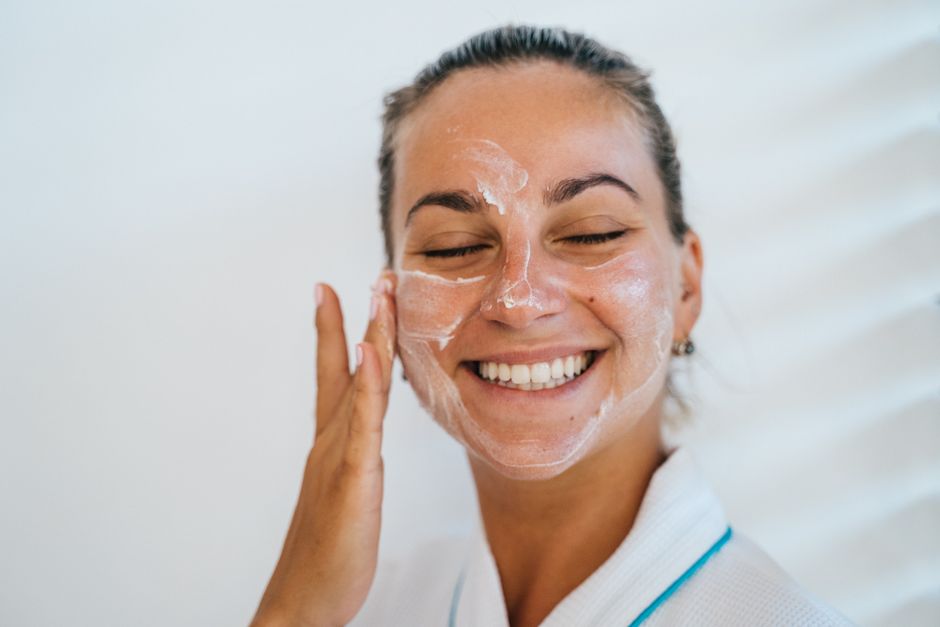
Who this is not for: People who enjoy the physical sensation of scrubbing and find it psychologically satisfying, or those with extremely reactive skin conditions that even mild acids irritate. For those individuals, a very soft washcloth with a gentle cleanser might be the absolute safest “exfoliation” method. If you want to skip the manual setup and explore other gentle treatments, learn more about how vitamin C treatments can gently improve skin tone without harsh exfoliation.
Key takeaway: Gentle chemical exfoliants, especially PHAs, offer a safer and more effective alternative to physical scrubs for sensitive skin, providing exfoliation without barrier damage.
Even with all this knowledge, sometimes a “gentle” product can still throw you for a loop.
The Unexpected Findings: When a “Gentle” Product Still Irritates
It’s a frustrating scenario: you’ve done your research, picked a product lauded for its “gentle” formula, and yet your skin still reacts. This happens more often than you’d think, even in 2026. The culprit is often hidden in plain sight: specific ingredients that, while generally well-tolerated, can be irritants for your unique skin.
For me, personally, I found that even some “fragrance-free” products containing botanical extracts could cause redness. Essential oils, even natural ones like lavender or tea tree oil, are potent compounds and common allergens. Preservatives, while necessary to keep a product safe, can also be a hidden trigger for some. Methylisothiazolinone (MI) and Methylchloroisothiazolinone (MCI) are two preservatives that have gained notoriety for causing contact dermatitis in sensitive individuals. We’ve seen this play out in various case studies: in 2025, a study by the American Academy of Dermatology reported a 15% increase in contact dermatitis cases linked to specific preservative blends in otherwise “gentle” skincare formulations. It’s a reminder that “gentle” is a broad term. Always check for a full ingredient list, not just marketing claims. If you’re constantly battling dryness and irritation even with gentle cleansers, it might be time to investigate