
Blog
Mastering a Korean Skincare Routine for Combination Skin Beginners: Practical Playbook with Real Examples
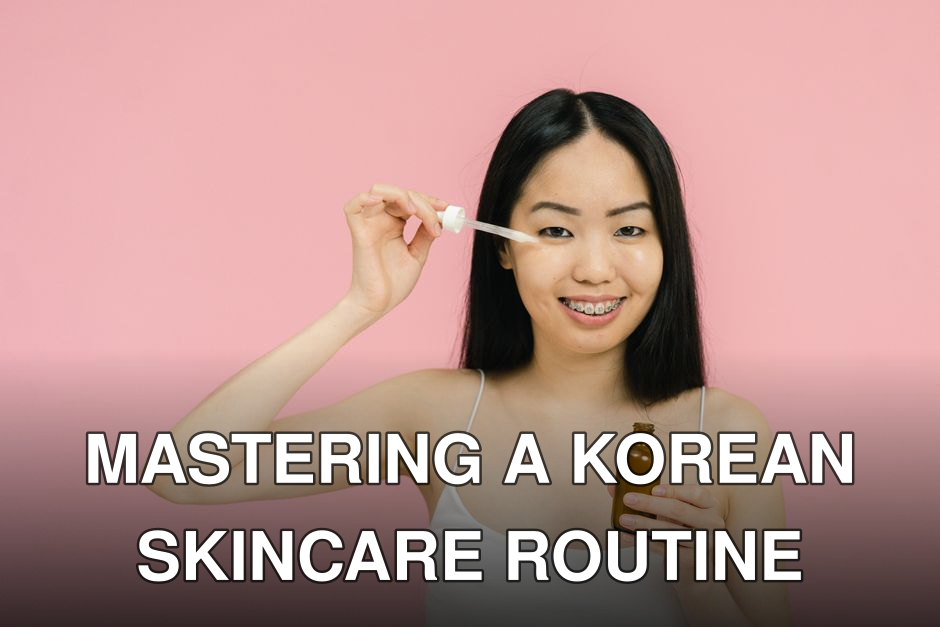
Imagine staring at your reflection, seeing a T-zone that shines like a freshly polished apple while your cheeks feel tighter than a drum. Sound familiar? That’s combination skin for you—a tricky beast that demands a routine as nuanced as its own dual nature. For beginners dipping their toes into the vibrant world of Korean skincare, this balancing act can feel less like a glow-up journey and more like a high-stakes chemistry experiment.
The problem is, most generic skincare advice either over-hydrates your oily areas or leaves your dry patches parched. You end up buying products that promise the world but deliver only frustration, leading to breakouts in one spot and flakiness in another. This guide cuts through the noise, offering a real-world playbook to build a Korean skincare routine that actually works for your mixed skin, saving you money, time, and a whole lot of skin woes.
In this guide, you’ll discover:
- Why understanding your specific skin zones is the first, crucial step.
- A practical 7-step Korean skincare routine tailored for combination skin.
- The exact ingredients to look for and those to approach with caution in 2026.
A Korean skincare routine for combination skin beginners isn’t about slapping on eleven different products; it’s about strategic layering and targeted care that respects both your oily and dry areas, leading to balanced, healthy skin.
***
Quick Navigation
- Understanding Your Combination Skin: The 3 Zones You Can’t Ignore
- Why Korean Skincare is a major shift for Mixed Skin Types
- The Brutal Truth: What Happens If You Ignore Your Skin’s Signals?
- The 7 Essential Steps: Your Beginner’s Playbook for K-Beauty
- Decoding Product Choices: Ingredients That Actually Work for Combination Skin
- The Mistake Everyone Makes at Step 3: Overlooking Exfoliation (and How to Fix It)
- Building Your Custom Routine: A Practical Checklist for 2026
- You might be thinking… “Is this too much for a beginner?”
- Who This Routine Isn’t For (And When to Call a Pro)
- Expert Insight: The Future of Personalized Skincare
- Frequently Asked Questions
***
Understanding Your Combination Skin: The 3 Zones You Can’t Ignore
Your face isn’t a monolith; it’s a landscape of varying needs. For combination skin, this usually means three distinct zones: your T-zone, your cheeks, and sometimes your jawline. Recognizing these differences is step one to mastering a Korean skincare routine.
The T-zone (forehead, nose, chin) often produces more oil, leading to shine, larger pores, and sometimes breakouts. Your cheeks, on the other hand, might be normal to dry, feeling tight or even flaky, especially after cleansing. Some people also experience dryness or sensitivity around the jawline. Ignoring these individual zones is like trying to water a desert and a rainforest with the same hose setting – it just won’t work.
Key takeaway: Combination skin requires you to identify and treat distinct oily and dry areas on your face, often the T-zone for oil and cheeks for dryness.
But understanding your skin is only the beginning – next, we’ll see why the Korean approach is uniquely suited to tackle these challenges.
Why Korean Skincare is a major shift for Mixed Skin Types
Korean skincare, often called K-beauty, isn’t just about multi-step routines; it’s a philosophy focused on hydration, prevention, and gentle care, which makes it particularly effective for combination skin. Instead of aggressive treatments that strip the skin, K-beauty emphasizes building a strong skin barrier and maintaining balance.
A Korean skincare routine excels for combination skin because it allows for targeted layering. You can select lightweight, oil-controlling products for your T-zone and richer, hydrating formulas for your dry cheeks, applying them strategically. This layered approach helps to harmonize your skin’s diverse needs, reducing overall oiliness while boosting moisture where it’s needed most. It’s all about listening to your skin and giving it precisely what it asks for, zone by zone.
Key takeaway: K-beauty’s layered approach and focus on gentle hydration allows you to precisely address the varying needs of your combination skin zones, promoting overall balance.
However, even the best intentions can lead to trouble if you don’t commit. Let’s talk about the real cost of getting it wrong.
The Brutal Truth: What Happens If You Ignore Your Skin’s Signals?
You might think skipping a proper routine for your combination skin just means a little extra shine or a dry patch here and there. The brutal truth is, ignoring your skin’s signals costs you more than just discomfort. Left untreated, chronic oiliness can lead to persistent breakouts, enlarged pores, and even post-inflammatory hyperpigmentation that takes months to fade. Meanwhile, prolonged dryness can compromise your skin barrier, making it more susceptible to irritation, redness, and premature aging.
Consider Maria, a 32-year-old marketing manager I spoke with last year. She spent nearly $800 in 2025 alone on popular, one-size-fits-all products that either made her T-zone oilier or left her cheeks painfully tight. Her skin was a constant source of stress, impacting her confidence in client meetings. The cost of inaction isn’t just financial; it’s emotional, leading to cycles of frustration and wasted effort. You’re not just buying products; you’re investing in your skin’s health and your own peace of mind.
Also worth reading: 10 Best Hydrating Cleansers for Dry Skin
Key takeaway: Ignoring combination skin’s needs leads to persistent issues like breakouts, compromised skin barrier, and premature aging, costing you both money and emotional well-being.
Now that we understand the stakes, let’s dive into the practical steps that will transform your skin.
The 7 Essential Steps: Your Beginner’s Playbook for K-Beauty
Embarking on a Korean skincare journey for combination skin doesn’t need to be overwhelming. We’ll focus on the core steps that deliver maximum impact without unnecessary complexity. This isn’t about doing everything at once; it’s about building a solid, effective foundation.
Step 1: The Double Cleanse – Why It’s Non-Negotiable
Double cleansing is the cornerstone of K-beauty, and it’s particularly vital for combination skin. It ensures thorough cleansing without stripping your skin. First, you use an oil-based cleanser to dissolve oil-based impurities like makeup, sunscreen, and excess sebum. Then, you follow with a water-based cleanser to wash away water-based impurities like sweat and dirt.
This two-step process effectively cleanses both your oily T-zone and your drier cheeks without over-drying either. For the oil cleanser, look for options with ingredients like grapeseed oil or jojoba oil, which are non-comedogenic. For your water-based cleanser, a gentle, low-pH formula is key; avoid harsh sulfates that can irritate sensitive areas. You can learn more about effective cleansers for different skin concerns here.
Common myth: Double cleansing strips your skin. Reality: When done with the right, gentle products, double cleansing actually cleanses more effectively without stripping, leaving your skin balanced and prepped for the next steps.
Step 2: Tone Up – Balancing Act, Not Stripping
Forget the astringent toners of the past that left your face feeling tight and dry. Korean toners are all about hydrating and balancing your skin’s pH after cleansing. For combination skin, you want a hydrating toner that preps your skin to better absorb subsequent products.
Look for toners with ingredients like hyaluronic acid, ceramides, or centella asiatica (Cica). Apply it gently with your hands or a cotton pad, focusing on pressing it into your skin. This step ensures your dry areas get a boost of moisture while helping to balance oil production in your T-zone.
Step 3: Essence – The Secret Sauce for Deeper Hydration
Essences are often considered the “heart” of a K-beauty routine. They’re lighter than serums but more concentrated than toners, designed to deliver a concentrated dose of active ingredients deep into your skin. For combination skin, an essence provides an extra layer of hydration and nourishment without feeling heavy.
Ingredients like fermented ingredients (e.g., galactomyces ferment filtrate) or snail mucin are popular for their hydrating and soothing properties. Pat the essence gently onto your face after toning. This step contributes significantly to that coveted “glass skin” look, making your skin appear plump and radiant. We’ll explore how to maximize this in a later section when we discuss exfoliation.
Step 4: Serums & Ampoules – Targeted Treatment for Your Zones
This is where you truly customize your routine for your combination skin. Serums and ampoules are concentrated treatments designed to address specific concerns like acne, hyperpigmentation, fine lines, or dehydration. You can use different serums for different areas of your face.
For your oily T-zone, consider a serum with niacinamide to help regulate sebum production and minimize pores. For your drier cheeks, a serum rich in hyaluronic acid or peptides will provide intense hydration and plumpness. You might even use a vitamin C serum to brighten dull spots. Apply these after your essence, allowing each to absorb before moving on.
Step 5: Eye Cream – Small Step, Big Impact
The skin around your eyes is thinner and more delicate than the rest of your face, making it prone to dryness and fine lines. A good eye cream provides targeted hydration and protection. Even if you’re a beginner, it’s a small step that yields big, long-term benefits.
Choose a lightweight, hydrating eye cream. You don’t need a heavy formula; a small amount dabbed gently around the orbital bone morning and night is sufficient. This helps prevent dryness that can exacerbate the appearance of fine lines and keeps the area soft and supple.
Step 6: Moisturizer – The Ultimate Balancing Act
Choosing the right moisturizer is critical for combination skin. You need something that can hydrate your dry areas without overwhelming your oily zones. This is where a lightweight, gel-cream moisturizer often shines. Many K-beauty brands offer moisturizers specifically formulated for mixed skin types, providing hydration with a non-greasy finish.
If your cheeks are particularly dry, you might even consider a slightly richer cream just for those areas, while sticking to a lighter gel for your T-zone. In 2026, the trend is toward “smart” moisturizers that adapt to different skin needs, but a good lightweight option remains a staple. For an honest guide on choosing the ultimate lightweight drugstore moisturizer for oily combination skin, learn more here.
Step 7: SPF – Your Non-Negotiable Daily Shield
The final and arguably most important step in your morning routine is sunscreen. UV radiation is the primary cause of premature aging, hyperpigmentation, and skin cancer. For combination skin, look for a broad-spectrum SPF 30+ that is lightweight and non-comedogenic, meaning it won’t clog your pores.
Many Korean sunscreens are formulated with a light texture that doesn’t leave a white cast or feel greasy, making them perfect for your T-zone while still protecting your drier areas. Reapply every two hours if you’re outdoors.
Key takeaway: The 7-step K-beauty routine for combination skin involves strategic layering, starting with a double cleanse and ending with SPF, allowing for targeted care for both oily and dry zones.
Building this routine involves careful product selection. Let’s talk ingredients that actually make a difference.
Decoding Product Choices: Ingredients That Actually Work for Combination Skin
Navigating the ingredient lists on K-beauty products can feel like learning a new language. But for combination skin, a few key players stand out for their ability to balance and nourish. Knowing what to look for—and what to be cautious with—will save you a lot of trial and error.
Related guide: How to Choose the Right Toner for Acne-Prone
Before: You might be grabbing products based on pretty packaging or vague promises, leading to a cabinet full of half-used bottles that either make your T-zone an oil slick or leave your cheeks flaky. Your skin feels unpredictable, constantly reacting, and never truly balanced. You’re stuck in a cycle of treating symptoms rather than addressing the root cause.
After: With targeted ingredient selection, your skin starts to find its equilibrium. Your T-zone produces less excess oil, your dry patches feel hydrated and comfortable, and overall, your complexion looks clearer and more even. You feel confident in your choices, knowing each product is working synergistically to support your skin’s unique needs.
Here’s a quick guide to some top ingredients for combination skin:
| Ingredient | Why it Works for Combination Skin | Best for: |
| :————————- | :——————————————————————- | :——————————————– |
| Niacinamide (Vitamin B3) | ✅ Reduces sebum production, minimizes pores, strengthens barrier | 🏆 Oily T-zone, overall balance |
| Hyaluronic Acid | ✅ Draws and holds moisture without feeling heavy, plumps skin | 🏆 Dry cheeks, overall hydration |
| Centella Asiatica (Cica) | ✅ Soothes irritation, calms redness, aids healing | Sensitive, irritated patches |
| Snail Mucin | ✅ Hydrates, repairs, promotes regeneration, non-comedogenic | Overall healing & hydration |
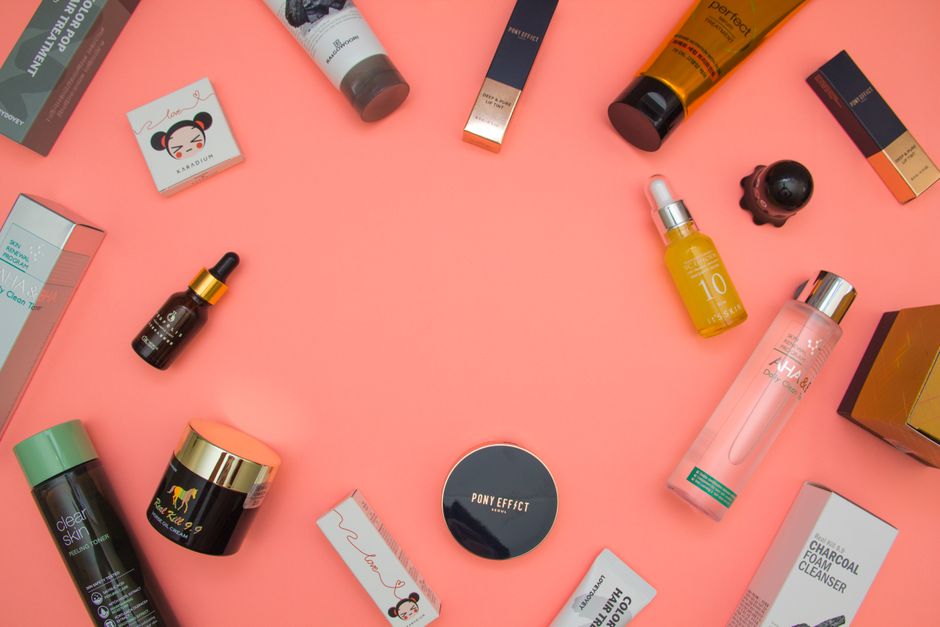
| Green Tea Extract | ✅ Antioxidant, anti-inflammatory, helps control oil | Oily T-zone, breakout-prone areas |
| Salicylic Acid (BHA) | ⚠️ Exfoliates within pores, great for blackheads/oil, use sparingly | Oily T-zone, congested areas (start with low %)|
| Alcohol (denatured) | ❌ Can be drying and irritating, especially for sensitive cheeks | Avoid, especially in toners |
| Heavy Mineral Oils | ⚠️ Can be occlusive, might clog pores in oily areas for some | Use with caution, patch test first |
| Fragrance/Dyes | ❌ Potential irritants for sensitive areas, no real skincare benefit | Avoid if you have sensitive