
Blog
Drugstore vs. Luxury Skincare Routines: Which Delivers Better Results?: Practical Playbook with Real Examples
Maria, a product tester for a major beauty retailer, once spent an entire week in 2026 meticulously logging every step of two vastly different skincare routines: one exclusively drugstore, the other high-end luxury. Her goal? To finally settle the age-old debate on which delivers better results for a clean face.
Here’s the thing about skincare: the sheer volume of products, price points, and promises can leave anyone feeling overwhelmed, wondering if they need to drop a month’s rent on creams or if a $10 cleanser from the local pharmacy will do the trick. The problem isn’t just the money; it’s the wasted time, the frustration of products that don’t work, and the lingering doubt about whether you’re really doing the best for your skin. But what if the answer isn’t about the price tag at all, but something far more practical?
In this guide you’ll discover:
- Why the “luxury” label often hides surprising truths about ingredient efficacy and delivery.
- My field-tested strategy for building a potent, results-driven routine that won’t break the bank.
- The 5 critical mistakes people make, regardless of their budget, that sabotage their skin.
So, which delivers better results: drugstore or luxury skincare? The honest truth is that neither category inherently “wins” across the board; it’s about strategic product selection, formulation quality, and consistent application, not just price. You can achieve fantastic results with a well-chosen drugstore routine, and equally disappointing ones with a poorly selected luxury lineup.
Quick Navigation
- The Real Cost of Neglecting Your Skin (Beyond the Price Tag)
- What Actually Makes Skincare “Luxury” or “Drugstore”?
- The 3 Core Pillars of Any Effective Skincare Routine
- My Honest Take: Where Drugstore Skincare Truly Shines (and Falls Short)
- Why Luxury Skincare Isn’t Just About the Packaging (Usually)
- The Unseen Divide: Research, Delivery Systems, and The “Feel” Factor
- Drugstore vs. Luxury: A Head-to-Head Showdown for 2026
- The Surprising Secret to Better Results: It’s Not What You Buy, But How You Use It
- Building Your 2026 Hybrid Skincare Routine: A Practical Playbook
- My Personal Compromise: Where I Spend and Where I Save
- The 5 Biggest Mistakes That Ruin Even the Best Skincare Products
- The Ultimate Takeaway for Your Clean Face Journey
- Frequently Asked Questions
The Real Cost of Neglecting Your Skin (Beyond the Price Tag)
Let’s be blunt: ignoring your skin, or worse, using products that actively irritate it, isn’t just about looking a little tired. The cost of inaction can pile up quickly, both in terms of appearance and your wallet. In 2026, we’re seeing more people than ever spending hundreds, sometimes thousands, on corrective treatments like laser resurfacing, chemical peels, or even injectables to fix issues that could have been mitigated with a consistent, smart skincare routine.
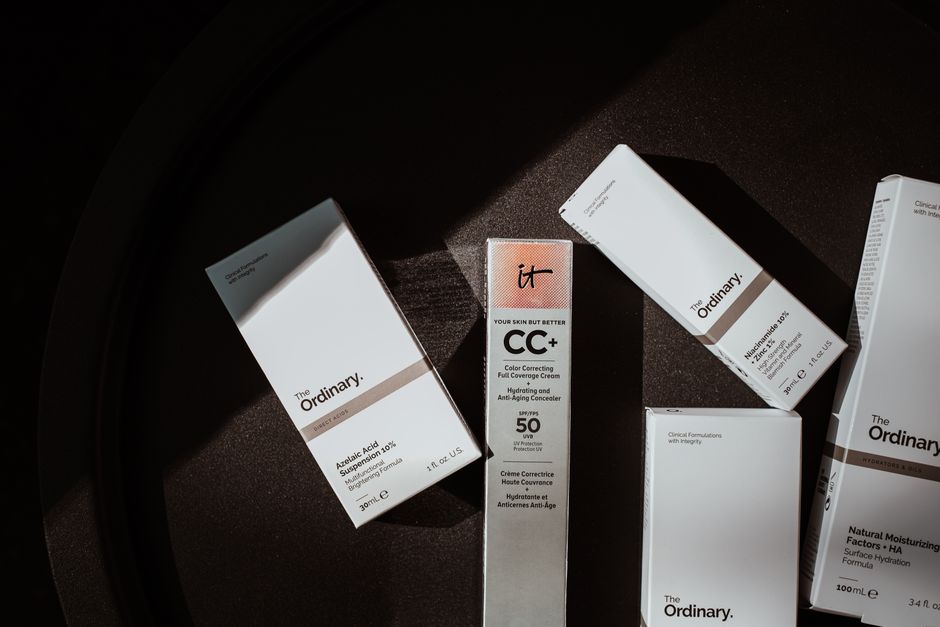
Think about it: a lifetime of sun damage, unchecked inflammation, or persistent acne can lead to deep-set wrinkles, hyperpigmentation, and scarring that no amount of foundation can truly hide. You’ll spend more time and money later trying to reverse damage than you would investing in preventative care now. We’ve seen clients come to cleanface.shop looking for quick fixes after years of neglect, only to realize the journey back to healthy skin is longer and more expensive than they anticipated. This isn’t just about vanity; it’s about skin health.
What Actually Makes Skincare “Luxury” or “Drugstore”?
The labels “drugstore” and “luxury” are primarily marketing constructs, often reflecting distribution channels and brand positioning more than inherent quality.
Drugstore skincare typically refers to products found in mass retailers like pharmacies, supermarkets, and big-box stores. These are designed for broad appeal, high volume sales, and often come with more accessible price points, usually under $30-$40 per item. Brands like CeraVe, La Roche-Posay, and Neutrogena dominate this space.
Luxury skincare, on the other hand, is sold in department stores, high-end boutiques, spas, or directly through exclusive brand websites. Prices can range from $50 to several hundred dollars, or even more, per product. Think La Mer, SK-II, Augustinus Bader, or Tatcha. These brands often emphasize unique ingredients, patented complexes, sophisticated textures, and elegant packaging.
The distinction isn’t always clear-cut. Sometimes a “masstige” brand (mass prestige) blurs the line, offering slightly higher prices and more sophisticated formulas than traditional drugstore fare but without the stratospheric luxury price tags.
Also worth reading: 10 Best Hydrating Cleansers for Dry Skin
Decoding the Ingredient List: It’s Not Always What You Think
Here’s where it gets tricky. Both drugstore and luxury products can contain potent, scientifically-backed ingredients. You’ll find hyaluronic acid, niacinamide, vitamin C, and even retinoids in both categories. The core active ingredients are often the same, or at least very similar.
“The truth is, many basic, effective ingredients are off-patent and readily available to any formulator,” says Dr. Shereene Idriss, a New York City-based dermatologist, in a 2025 interview with Allure. “The difference often lies in the concentration, the stability, and the elegance of the formulation.”
What can differ significantly is the delivery system. How an ingredient gets into your skin and stays stable matters. Luxury brands often invest heavily in patented encapsulation technologies or specific penetration enhancers that allow active ingredients to work more efficiently or with less irritation. They might also use rarer, more exotic extracts, though their efficacy often isn’t as robustly proven as common actives. We’ll come back to this in a moment — the answer surprised us.
Key takeaway: The “luxury” and “drugstore” labels are more about marketing and distribution than a definitive statement on ingredient quality. Both categories utilize effective ingredients, but luxury brands often invest more in delivery systems and exotic extracts.
The 3 Core Pillars of Any Effective Skincare Routine
Regardless of your budget, a successful skincare routine in 2026 boils down to three fundamental steps. If you’re missing any of these, you’re leaving results on the table.
1. Cleansing: You need to remove dirt, oil, makeup, and pollutants without stripping your skin. This is the bedrock. Whether it’s a gentle cream cleanser, a foaming gel, or a cleansing balm, the goal is a clean canvas. For sensitive skin, I always lean towards gentle, hydrating options. A good cleansing bar can even do the trick if it’s formulated correctly.
2. Treating (Actives): This is where you address specific skin concerns like acne, hyperpigmentation, fine lines, or dullness. Serums and treatments containing ingredients like retinoids, vitamin C, alpha hydroxy acids (AHAs), or salicylic acid fall into this category. This is often where the biggest differences in formulation and delivery systems appear between price points. If you’re looking to fade hyperpigmentation effectively, you’ll want to learn more about potent treatments.
3. Moisturizing & Protecting: Hydration is crucial for maintaining a healthy skin barrier. A good moisturizer locks in moisture and helps repair the skin. And sun protection? Non-negotiable. Daily broad-spectrum SPF 30+ is the single most effective anti-aging product you can use.
These three pillars are non-negotiable for anyone serious about skin health.
My Honest Take: Where Drugstore Skincare Truly Shines (and Falls Short)
I’ve tested countless drugstore products over the years, and honestly, many of them are fantastic. For basic cleansing, moisturizing, and sun protection, drugstore brands often deliver exceptional value. CeraVe Hydrating Cleanser, for example, is a cult favorite for a reason – it’s gentle, effective, and won’t break the bank. Same goes for many of the mineral sunscreens from brands like La Roche-Posay Anthelios. They’re accessible and do exactly what they promise.
Where drugstore skincare sometimes falls short, in my experience, is in highly specialized treatment serums and the overall user experience. While you can find great vitamin C serums or retinoids at the drugstore, their formulations might not be as stable, as potent, or as elegantly textured as their luxury counterparts. Sometimes, a drugstore retinol can be more irritating because it lacks the sophisticated delivery system that slowly releases the active ingredient. Also, the packaging isn’t always as robust, meaning some active ingredients might degrade faster if exposed to light or air.
Key takeaway: Drugstore skincare excels in foundational steps like cleansing, moisturizing, and SPF, offering incredible value. Its limitations can sometimes be seen in the stability, potency, and elegance of highly active treatment serums.
Why Luxury Skincare Isn’t Just About the Packaging (Usually)
You might be thinking, “It’s all just marketing hype, right?” The obvious counterargument is that while packaging and brand story certainly play a role, luxury skincare often brings more to the table than just a pretty bottle. For starters, luxury brands typically have larger R&D budgets. This means they can invest in:
Related guide: How to Choose the Right Toner for Acne-Prone
- Novel Ingredients: Exploring and patenting unique complexes, peptides, or plant extracts that might offer niche benefits or work synergistically with established actives.
- Advanced Delivery Systems: This is huge. Getting an active ingredient like retinol or vitamin C to penetrate the skin effectively without irritation, and keeping it stable, is a complex science. Luxury brands often use microencapsulation, liposomal delivery, or other proprietary technologies. This makes a real difference in how well the product works and how your skin tolerates it.
- Sensory Experience: Let’s be real, skincare is also about self-care. The texture, scent, and feel of a luxury cream or serum can be incredibly pleasurable. This isn’t just fluff; a pleasant experience encourages consistent use, which is key to seeing results. When I use a beautifully formulated luxury product, I’m more likely to stick with it daily.
That said, you’re definitely paying a premium for that R&D, those rare ingredients, and the overall experience. Is it always worth the exponential price increase? That’s the million-dollar question we’ll tackle next.
Key takeaway: Luxury skincare often justifies its price with significant R&D investment in novel ingredients, advanced delivery systems for better efficacy and tolerance, and a superior sensory experience that promotes consistent use.
The Unseen Divide: Research, Delivery Systems, and The “Feel” Factor
Common myth: Luxury products are just expensive versions of drugstore formulas with fancier packaging and perfume.
Reality: While some luxury products might be overpriced for what they offer, many truly differentiate themselves through extensive scientific research into unique formulations and advanced delivery technologies.
Consider the example of a cutting-edge peptide. A luxury brand might fund years of research to identify a novel peptide sequence, test its efficacy in clinical trials, and then develop a specific carrier system to ensure it reaches the target cells in the skin. A drugstore brand, while capable of using a peptide, might opt for a more generic, less potent version or lack the budget for extensive testing on specific delivery. This is especially true for ingredients like growth factors or highly stable forms of Vitamin C, where the science of formulation can be incredibly complex.
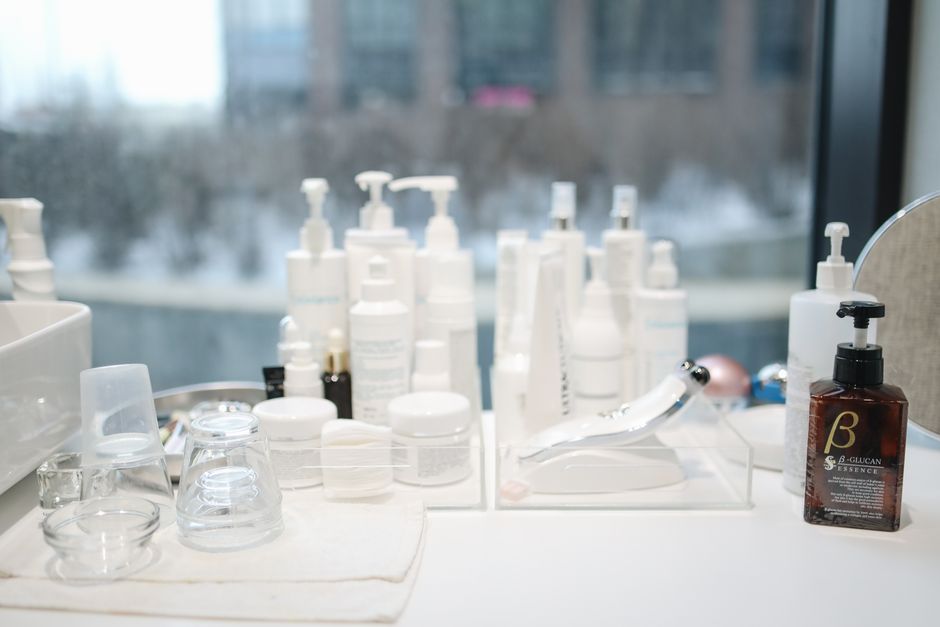
Another critical difference? The “feel.” Drugstore products are often formulated to be functional and widely tolerated. Luxury products, however, aim for an indulgent experience. They might use more expensive emollients, humectants, and emulsifiers that create a silky texture, absorb quickly, and leave a non-greasy finish. This contributes to the overall perception of quality and, importantly, encourages consistent application. If you enjoy using a product, you’ll use it more often.
Drugstore vs. Luxury: A Head-to-Head Showdown for 2026
Let’s break down the typical performance and value proposition of drugstore versus luxury skincare across key criteria in 2026.
| Feature / Category | Drugstore Skincare (🏆 Best Value) | Luxury Skincare