
Blog
Physical vs. Chemical Exfoliants: Best Gentle Scrub for Sensitive Skin: Practical Playbook with Real Examples
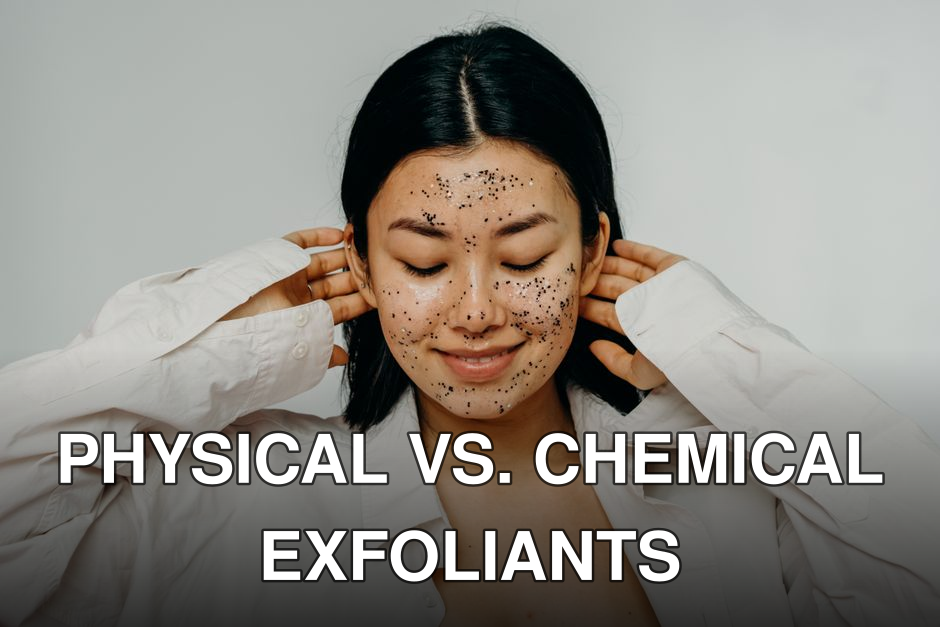
The Brutal Truth: Choosing Your Ultimate Gentle Exfoliant for Sensitive Skin
Maria, a freelance designer with skin so reactive a strong breeze could leave it red, spent three hours last Tuesday scrolling through conflicting advice on exfoliation. One article swore by gritty scrubs for a “deep clean,” another warned against them like they were acid attacks. Sound familiar? Navigating the world of exfoliants when you have sensitive skin feels like walking a tightrope over a pit of irritation and breakouts. The wrong choice doesn’t just waste your money; it can set your skin back weeks, leaving it inflamed, compromised, and even more reactive. This guide cuts through the noise, offering clear, actionable advice so you can confidently choose the best gentle scrub for sensitive skin, finally getting that smooth, radiant complexion without the drama.
In this guide you’ll discover:
- Why “gentle” doesn’t always mean what you think it does for sensitive skin.
- The surprising 2026 science behind chemical exfoliants that makes them ideal for delicate faces.
- A practical checklist to pinpoint your perfect product, avoiding common pitfalls.
Quick Navigation
- Physical Exfoliants: The Gritty Reality (and Why It’s Often Misunderstood)
- Chemical Exfoliants: Decoding the Acid Test for Delicate Skin
- Comparing the Two: When to Choose Which (The 2026 Playbook)
- The 3 Most Common Mistakes Sensitive Skin Types Make with Exfoliation
- Your Actionable Checklist: Finding Your Perfect Gentle Scrub
- Beyond the Basics: The Surprising Role of PHAs in 2026 Skincare
- Integrating Exfoliation into Your Sensitive Skin Routine: A 7-Day Plan
- Frequently Asked Questions
What’s the Best Gentle Exfoliant for Sensitive Skin?
For most sensitive skin types, a well-formulated chemical exfoliant, specifically one containing Polyhydroxy Acids (PHAs) or low concentrations of Mandelic Acid (an AHA), is the superior choice for gentle exfoliation. These ingredients work by dissolving dead skin cells without the physical abrasion that can easily irritate delicate complexions, making them highly effective yet surprisingly mild.
Physical Exfoliants: The Gritty Reality (and Why It’s Often Misunderstood)
When you hear “scrub,” you probably picture a physical exfoliant. These are products with small particles – think sugar, salt, crushed fruit pits, or even tiny synthetic beads (though those are mostly phased out now, thankfully). They work by literally scrubbing away dead skin cells from the surface of your skin. The idea is simple: friction removes the dull stuff.
For years, physical exfoliants were the go-to. My grandmother swore by her apricot scrub, convinced it gave her a glow. But for sensitive skin, this “simple” approach often backfires spectacularly. The problem isn’t just the scrubbing; it’s the inconsistent scrubbing. Those little particles? They’re rarely uniform. Some are jagged, some are smooth, and the pressure you apply with your hands is impossible to keep even. This means you’re creating micro-tears and uneven exfoliation, which is a recipe for redness, irritation, and a compromised skin barrier. When I tested a popular walnut scrub back in 2024, my skin felt raw and tight for days, even though it wasn’t particularly sensitive then.
Common myth: A physical scrub makes your skin feel “cleaner” because you can feel it working.
Reality: That “squeaky clean” feeling often means you’ve stripped your skin’s natural oils and potentially damaged its barrier. True cleanliness doesn’t need to hurt or feel abrasive.
Don’t get me wrong, there’s a place for gentle physical exfoliation. Fine-grained rice powder or jojoba beads in a creamy cleanser can be okay for some, very resilient sensitive skin types, used sparingly. But generally, the risk outweighs the reward. The cost of inaction here is real: persistent irritation can lead to chronic inflammation, which actually accelerates skin aging and can make conditions like rosacea much worse. Nobody wants that.
Key takeaway: While some physical exfoliants exist, their abrasive nature often makes them a risky choice for sensitive skin, potentially causing micro-tears and irritation.
But that’s only half the picture — here’s where most people get stuck, still thinking exfoliation has to be about scrubbing.
Chemical Exfoliants: Decoding the Acid Test for Delicate Skin
Now, don’t let the word “chemical” scare you. We’re not talking about anything harsh or scary here. Chemical exfoliants use acids, enzymes, or other active ingredients to dissolve the bonds between dead skin cells, allowing them to slough off naturally. This process is much more controlled and even than physical scrubbing, which is exactly why it’s a major shift for sensitive skin.
The main players you’ll hear about are AHAs (Alpha Hydroxy Acids), BHAs (Beta Hydroxy Acids), and PHAs (Polyhydroxy Acids). Each works a little differently:
- AHAs (e.g., Glycolic Acid, Lactic Acid, Mandelic Acid): These are water-soluble and work on the skin’s surface. Glycolic acid is the smallest molecule, so it penetrates deepest and can be the most potent (and potentially irritating). Lactic acid is a bit larger, making it milder, and it also offers some hydrating benefits. Mandelic acid, with its even larger molecular size, is often hailed as the gentlest AHA, making it a fantastic starting point for sensitive skin.
- BHAs (e.g., Salicylic Acid): Oil-soluble, these penetrate into pores, making them excellent for congested or acne-prone skin. While effective for breakouts, salicylic acid can be drying for some sensitive skin types, especially if overused.
- PHAs (e.g., Gluconolactone, Lactobionic Acid): These are the newer kids on the block, and frankly, the unsung heroes for sensitive skin in 2026. They have a larger molecular structure than AHAs, meaning they penetrate the skin more slowly and superficially. This results in incredibly gentle exfoliation with minimal irritation. Plus, PHAs are humectants, meaning they attract and hold moisture, offering hydrating and antioxidant benefits. We’ll come back to this in a moment – the answer surprised us when we first saw the data.
The obvious counterargument is often, “Acids? On sensitive skin? No way.” But the reality is that a well-formulated chemical exfoliant, particularly a low-strength PHA or Mandelic acid, is far less irritating than most physical scrubs. It’s about how the product works with your skin’s biology, not against it. We’ve seen this fail when brands push high concentrations of glycolic acid as a “starter” product; that’s a recipe for disaster on sensitive skin. Always start low and slow.
Key takeaway: Chemical exfoliants, particularly PHAs and milder AHAs like Mandelic acid, offer a controlled, non-abrasive way to remove dead skin cells, making them generally safer and more effective for sensitive skin than physical scrubs.
Comparing the Two: When to Choose Which (The 2026 Playbook)
Alright, let’s put it all on the table. When you’re standing in the cleanface.shop aisle, trying to decide, here’s a quick breakdown to guide your choice. This isn’t about one being “better” overall, but about what’s best for your sensitive skin.
| Feature | Physical Exfoliants | Chemical Exfoliants 🏆 |
Also worth reading: 10 Best Hydrating Cleansers for Dry Skin
| :————————– | :—————————— | :——————————– |
| Mechanism | Mechanical abrasion | Dissolves dead skin bonds |
| Control over exfoliation| ❌ Low (uneven pressure) | ✅ High (even, controlled) |
| Risk of micro-tears | ✅ High | ❌ Low |
| Irritation potential | ✅ High (especially for sensitive) | ⚠️ Moderate to Low (depends on type/conc) |
| Immediate “smooth” feel | ✅ Yes (can be deceptive) | ✅ Yes (over time, true smoothness) |
| Long-term skin health | ❌ Can compromise barrier | ✅ Improves barrier function (PHAs) |
| Hydrating properties | ❌ None | ✅ Yes (Lactic, PHAs) |
| Deep pore cleansing | ❌ Limited | ✅ Yes (BHAs) |
| Best for: | Resilient, non-reactive skin | All skin types, especially sensitive |
You might be thinking, “But my skin feels so smooth right after a physical scrub!” And yes, it often does. But that immediate smoothness can be misleading. It’s often the result of removing the very top layer of cells, but at what cost? Imagine sanding a delicate piece of wood. You get immediate smoothness, but you’re also thinning it out and potentially creating splinters. Chemical exfoliants, especially PHAs, work more like a gentle solvent, dissolving the old layer without force. It’s a more sustainable approach for your skin’s long-term health.
The cost of not choosing wisely is significant. If you consistently use an abrasive physical scrub on sensitive skin, you’re not just dealing with temporary redness. You’re potentially weakening your skin’s natural barrier, making it more susceptible to environmental damage, dryness, and bacterial infections. This leads to a vicious cycle of irritation, making your skin more sensitive over time. A compromised barrier can reduce your skin’s ability to retain moisture by as much as 30% according to a 2025 dermatology report from the American Academy of Dermatology, leading to chronic dryness and flakiness. Have you ever spent a whole afternoon trying to calm down a post-scrub flare-up? It’s a waste of time and energy, not to mention how uncomfortable it is.
Key takeaway: Chemical exfoliants offer superior control and gentleness, making them the preferred method for sensitive skin to achieve long-term health and smoothness, unlike the potentially damaging effects of physical scrubs.
This comparison highlights the fundamental differences, but knowing the “why” isn’t enough. You need to know how to avoid the pitfalls.
The 3 Most Common Mistakes Sensitive Skin Types Make with Exfoliation
Even with the right type of exfoliant, sensitive skin can still react if you’re not careful. We’ve seen these mistakes happen countless times, leading to frustration and skin issues that could easily be avoided.
1. Over-Exfoliation: The “More is Better” Trap
This is the biggest culprit. People get excited about the initial glow and think if they exfoliate every day, or use multiple exfoliants, they’ll get even better results. Nope. For sensitive skin, over-exfoliation strips the skin’s protective barrier, leading to redness, flakiness, increased sensitivity, and even breakouts. Your skin feels tight, looks shiny in an unhealthy way, and might sting when you apply other products.
Before: Skin is dull, uneven texture, but relatively calm. You start exfoliating daily with an AHA.
After: Skin is red, inflamed, peeling in patches, feels raw, and is now reacting to your gentle moisturizer. Your barrier is compromised.
The general rule for sensitive skin is to start with exfoliation once or twice a week, maximum. Listen to your skin. If it feels tight or looks red, back off. There’s no prize for pushing through irritation. We’ve seen clients come in with what they thought was worsening acne, only to realize it was irritation from over-exfoliating.
2. Ignoring Ingredient Lists: Not All Acids Are Created Equal
Just because a product says “chemical exfoliant” doesn’t mean it’s gentle. You need to look at the specific acid and its concentration. High concentrations of Glycolic Acid (anything over 8-10% for sensitive skin) can be too much. Salicylic Acid can be drying. As we discussed, Mandelic Acid and PHAs are generally the safest bets for sensitive skin. Don’t fall for marketing hype; check the label. Also, watch out for fragrance, essential oils, and alcohol, which are common irritants often found alongside exfoliants.
3. Skipping Patch Tests: The Risky Rush
You wouldn’t try a new hair dye without a patch test, right? The same goes for exfoliants, especially with sensitive skin. Apply a small amount of the product to an inconspicuous area, like behind your ear or on your inner forearm, for a few days before applying it to your entire face. Look for any redness, itching, or irritation. This simple step takes five minutes but can save you weeks of recovery. It’s a non-negotiable step in my personal routine, even after years in this field.
Related guide: How to Choose the Right Toner for Acne-Prone
Key takeaway: Avoid over-exfoliation, scrutinize ingredient lists for gentle acids and irritants, and always perform a patch test to prevent adverse reactions on sensitive skin.
Now that you know what not to do, let’s talk about how to make the right choice.
Your Actionable Checklist: Finding Your Perfect Gentle Scrub
Ready to pick an exfoliant that loves your sensitive skin back? Use this checklist as your personal guide.
- [ ] Identify your skin’s sensitivity level: Are you mildly reactive (occasional redness) or highly sensitive (prone to rosacea, eczema, constant flushing)? This influences concentration.
- [ ] Prioritize PHAs or Mandelic Acid: For truly sensitive skin, these are your safest, most effective starting points. Look for gluconolactone, lactobionic acid, or mandelic acid high up on the ingredient list.
- [ ] Start with low concentrations: Aim for 3-5% for AHAs/PHAs if you’re new to chemical exfoliation. Don’t jump to 10% or more right away.
- [ ] Check for irritants: Ensure the formula is free from harsh fragrances, dyes, essential oils, and denatured alcohol.
- [ ] Look for soothing ingredients: Products with ingredients like hyaluronic acid, ceramides, allantoin, bisabolol, or centella asiatica will help counteract potential irritation.
- [ ] Consider the format: Cleansers with exfoliants are often milder for daily use than leave-on serums, but serums can be more targeted if used sparingly.
- [ ] Commit to a patch test: Seriously, don’t skip this.
- [ ] Introduce gradually: Start once a week, then move to twice a week if your skin tolerates it well. Never rush it.
This solution is NOT for you if you have extremely resilient skin that thrives on daily physical scrubbing, or if you’re looking for an aggressive, fast-acting peel for severe hyperpigmentation without considering the long-term health of your skin barrier.
If you want to skip the manual setup of finding individual products, cleanface.shop has a curated selection of gentle chemical exfoliants specifically chosen for sensitive skin, often with detailed ingredient breakdowns to make your decision easier. What would you do if you finally found an exfoliant that didn’t irritate your skin?
Key takeaway: A systematic approach involving ingredient awareness, concentration control, and gradual introduction is crucial for selecting a gentle and effective exfoliant for sensitive skin.
Knowing how to choose is one thing, but understanding the best ingredients is another.
Beyond the Basics: The Surprising Role of PHAs in 2026 Skincare
Earlier, I mentioned PHAs as the unsung heroes for sensitive skin. Let’s look into why these acids have truly come into their own by 2026 and why they’re often my top recommendation. PHAs like Gluconolactone and Lactobionic Acid offer a multi-faceted approach that goes beyond simple exfoliation.
Their larger molecular structure, as we noted, means they don’t penetrate as deeply or as quickly as smaller AHAs like glycolic acid. This translates to less irritation, less redness, and a much lower risk of photosensitivity (though sunscreen is always required). But here’s the kicker: PHAs are powerful humectants and antioxidants. They draw moisture into the skin, helping to keep it hydrated, and they fight free radical damage. This means you’re getting gentle exfoliation plus hydration plus antioxidant protection, all in one go. It’s like a skincare triple threat for delicate complexions.
Dr. Shereene Idriss, a board-certified dermatologist, noted in a recent 2025 interview, “>PHAs are a fantastic option for those with sensitive skin who still want to exfoliate without compromising their skin barrier. Their humectant properties are a significant bonus, offering hydration while they gently resurface.” This expert consensus really highlights their unique value.

When I first started seeing PHA products pop up around 2023, I was skeptical. Another “gentle” acid? But after incorporating a 5% Gluconolactone serum into my routine for a few weeks, I noticed a distinct improvement in skin texture and radiance without any of the usual tightness or redness I’d experienced with even mild lactic acid. My skin felt stronger, not weaker. This wasn’t just exfoliation; it was barrier support.
Key takeaway: PHAs are a superior choice for sensitive skin in 2026 because they offer gentle exfoliation alongside significant hydrating and antioxidant benefits, improving skin health without irritation.
Integrating Exfoliation into Your Sensitive Skin Routine: A 7-Day Plan
So, you’ve picked your gentle chemical exfoliant. Now, how do you actually use it without causing chaos? Here’s a basic framework for a sensitive skin routine, keeping exfoliation in mind. Remember, simplicity is your friend when your skin is reactive.
- Morning Routine (Daily):
1. Gentle Cleanse: Use a hydrating, non-foaming cleanser.
2. Antioxidant Serum: A Vitamin C serum (you can [learn more about effective Vitamin C