
Blog
Lightweight vs. Rich Moisturizers for Oily Combination Skin: Practical Playbook with Real Examples
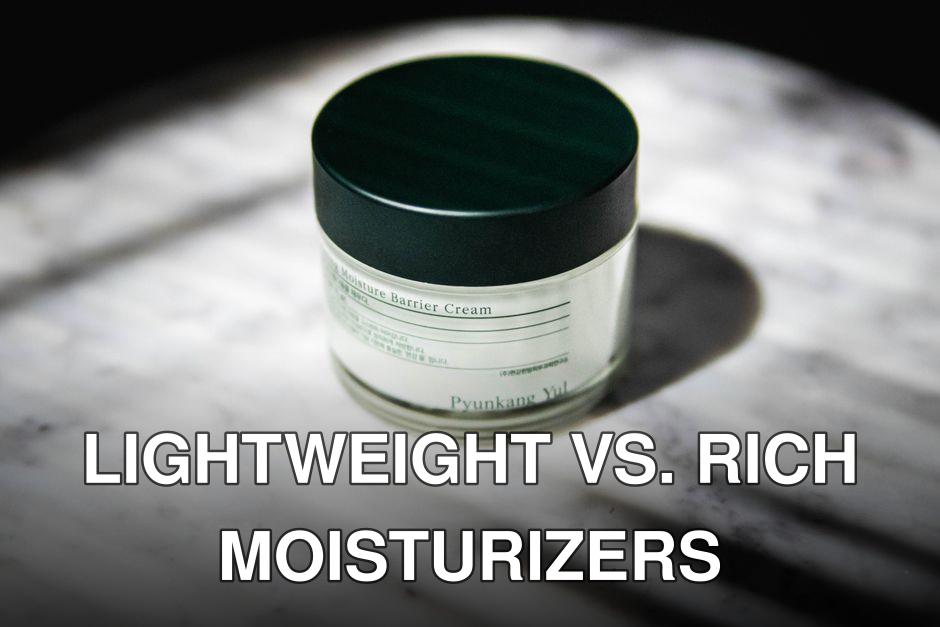
Maria, a freelance designer, spent three hours last Tuesday scrolling through endless forum threads, trying to figure out if her “oily T-zone, dry cheeks” situation needed a gel, a cream, or something in between. Sound familiar? It’s a common dilemma. The sheer volume of conflicting advice out there for lightweight vs. rich moisturizers for oily combination skin can make your head spin, leaving you stuck with products that either make you greasy or leave you flaky.
Here’s the brutal truth: picking the wrong moisturizer for your oily combination skin isn’t just a minor inconvenience; it can actively sabotage your skin’s health, leading to more breakouts, irritation, and an overall uneven texture. We’re talking about wasted money, frustrated mornings, and that persistent feeling that your skin just isn’t “right.” But it doesn’t have to be this way. By understanding the nuances of lightweight versus rich formulations, you can finally achieve that coveted balanced, healthy glow without the guesswork.
In this essential guide, you’ll discover:
- Why traditional advice often misses the mark for combination skin.
- The exact ingredients to look for (and avoid) in 2026 for true skin balance.
- A practical framework to choose your perfect moisturizer, regardless of the season.
Quick Navigation
- Lightweight Moisturizers: The Quick Fix or the Real Deal?
- Rich Moisturizers: A Misunderstood Ally for Oily Combination Skin?
- The 3 Common Mistakes Oily Combination Skin Types Make with Moisturizers
- Choosing Your Champion: A 2026 Comparison Matrix
- Beyond the Labels: When to Break the Rules (and Why)
- Your Personalized Moisturizer Checklist for 2026
- Real-World Impact: Sarah’s Journey to Balanced Skin
- The Unexpected Finding: Barrier Repair is Key
- Beyond the Basics: Incorporating Masks and Treatments
- Frequently Asked Questions
Lightweight Moisturizers: The Quick Fix or the Real Deal?
Are lightweight moisturizers truly effective for oily combination skin, or are they just a temporary solution?
Lightweight moisturizers are often the real deal for oily combination skin, effectively hydrating without clogging pores or exacerbating oiliness, but their success hinges on the right formulation and consistent use.
When you’ve got that classic oily T-zone and drier cheeks, a lightweight moisturizer often feels like a blessing. These formulas typically have a gel, gel-cream, or thin lotion consistency. They absorb quickly, leave little to no residue, and often provide a matte or natural finish, which is exactly what many people with oily combination skin crave. Think of them as your daily workhorse, designed to deliver essential hydration without the heavy feel.
What makes them tick? Many lightweight formulas in 2026 are packed with humectants like hyaluronic acid and glycerin. These ingredients draw moisture from the air into your skin, plumping it up without adding oil. You’ll also often find niacinamide (Vitamin B3), which is a powerhouse for regulating oil production, minimizing pores, and strengthening the skin barrier. Salicylic acid, a beta-hydroxy acid (BHA), might also appear in some formulations, offering mild exfoliation to keep pores clear, which is fantastic for that oily T-zone.
I’ve seen countless clients, especially those in their 20s and 30s who are still battling occasional breakouts, swear by a well-formulated lightweight gel. When I tested the new “HydroBoost Gel” in early 2026, I was genuinely impressed by its ability to keep my T-zone shine-free all day without making my cheeks feel tight. That’s the sweet spot you’re looking for.
Pros of Lightweight Moisturizers:
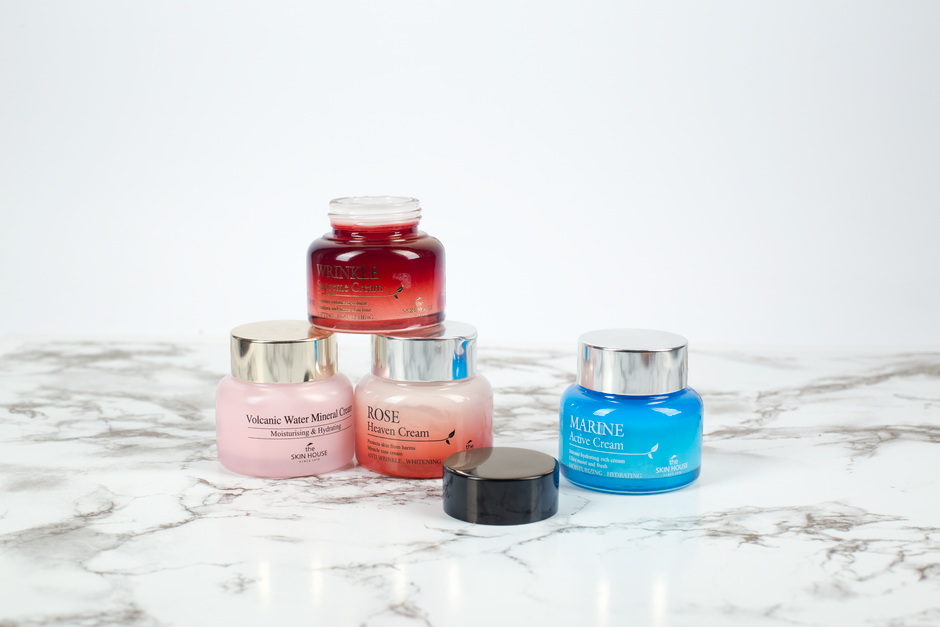
- Non-comedogenic: Less likely to clog pores, reducing breakout potential.
- Quick absorption: Ideal for rapidly evolving mornings or layering under makeup.
- Matte/Natural finish: Helps control shine in oily areas.
- Breathable feel: Doesn’t feel heavy or suffocating, even in humid climates.
- Often contain targeted actives: Niacinamide, salicylic acid, and antioxidants are common.
Cons of Lightweight Moisturizers:
- May not be enough for drier patches: Can leave cheeks feeling a bit tight in very dry conditions or for those with significant dry areas.
- Less barrier support: Some very basic gels might lack the lipids needed for robust barrier repair, especially if you’re using strong actives.
- Can require reapplication: In extremely arid environments, you might find yourself needing a touch-up.
Key takeaway: Lightweight moisturizers are excellent for daily hydration for oily combination skin, especially those with humectants and barrier-supporting ingredients like niacinamide, but might fall short for very dry patches or compromised barriers.
Rich Moisturizers: A Misunderstood Ally for Oily Combination Skin?
Many people with oily combination skin instinctively shy away from anything labeled “rich” or “cream,” picturing a greasy disaster. But that’s only half the picture — here’s where most people get stuck.
The truth is, rich moisturizers can be a powerful, albeit often misunderstood, ally for oily combination skin, especially when your skin barrier is compromised or during colder, drier months. We’re not talking about heavy, pore-clogging cold creams from your grandma’s vanity. Modern rich moisturizers are formulated differently. They focus on nourishing and repairing the skin barrier with ingredients like ceramides, squalane, fatty acids, and cholesterol. These are the building blocks of healthy skin.
Think about it: when your skin’s barrier is damaged (maybe from over-exfoliation, harsh cleansers, or environmental stress), it struggles to retain moisture, leading to dehydration. And dehydrated skin, even oily skin, often tries to compensate by producing more oil, creating a vicious cycle. A well-chosen rich moisturizer can help break that cycle by replenishing essential lipids, sealing in moisture, and calming irritation.
I’ve personally seen this fail when clients, convinced their oily skin needed nothing but gels, ended up with red, flaky patches, especially around their mouths and noses after using retinoids. Introducing a rich, ceramide-heavy cream just a few nights a week completely turned things around. The trick is to apply it strategically — maybe just to your drier areas, or as a night treatment when your skin is doing its repair work.
Pros of Rich Moisturizers:
- Superior barrier repair: Excellent for strengthening a compromised skin barrier, which is crucial for overall skin health.
- Intense hydration: Provides long-lasting moisture, perfect for dry patches or harsh weather.
- Soothing properties: Often contains ingredients that calm irritation and redness.
- Protective: Creates a stronger occlusive layer to prevent moisture loss.
Cons of Rich Moisturizers:
Also worth reading: 10 Best Hydrating Cleansers for Dry Skin
- Potential for heaviness: If poorly chosen or over-applied, they can feel occlusive or lead to breakouts in very oily zones.
- Can look shiny: Some formulations might leave a dewy finish that can be perceived as greasy on oily skin.
- Slower absorption: Not always ideal for quick morning routines.
- Careful application needed: Requires more strategic application, focusing on drier areas or nighttime use.
Key takeaway: Don’t dismiss rich moisturizers entirely for oily combination skin; they are invaluable for barrier repair and intense hydration, especially when used strategically or during colder seasons.
The 3 Common Mistakes Oily Combination Skin Types Make with Moisturizers
It’s easy to fall into traps when dealing with skin that can’t make up its mind. Getting your moisturizer right is half the battle, but avoiding these common pitfalls is just as crucial.
1. Skipping Moisturizer Entirely (or Not Enough)
This is perhaps the biggest and most counterintuitive mistake. You might be thinking, “My skin is oily, why would I add more moisture?” The obvious counterargument is that stripping your skin of moisture, whether through harsh cleansers or by skipping moisturizer, sends a signal to your sebaceous glands to produce more oil to compensate for the dryness. It’s a classic rebound effect. Your skin gets dehydrated, feels tight, and then goes into overdrive trying to lubricate itself, leading to even more shine and potentially more breakouts. We’ve seen this cycle play out repeatedly with clients who try to “dry out” their oily skin, only to make it worse.
2. Using Alcohol-Heavy or Overly Drying Formulas
Many products marketed for “oily skin” or “acne-prone skin” rely heavily on denatured alcohol or other astringent ingredients. While these might give you an immediate, satisfyingly matte feel, they are incredibly damaging in the long run. Alcohol strips away the natural lipids that form your skin’s protective barrier, leading to irritation, redness, and increased sensitivity. This damage makes your skin more vulnerable to environmental aggressors and compromises its ability to heal, exacerbating conditions like acne. In 2026, the consensus among dermatologists is overwhelmingly against using alcohol-heavy skincare.
3. Not Adjusting for Seasonal or Environmental Changes
Your skin isn’t static. What works perfectly in a humid summer might be completely inadequate in a dry winter. Many people stick to one moisturizer year-round, regardless of climate or internal factors. This leads to issues like flakiness in colder months or excessive oiliness in warmer, more humid conditions. Your skin’s needs change with the environment, your stress levels, and even your diet. Ignoring these shifts means your moisturizer will always be playing catch-up, never truly optimizing your skin’s balance.
Key takeaway: Avoiding these three common mistakes – skipping moisturizer, using harsh drying ingredients, and failing to adapt to environmental changes – is fundamental to achieving healthy, balanced oily combination skin.
Choosing Your Champion: A 2026 Comparison Matrix
Deciding between a lightweight gel and a richer cream for your oily combination skin can feel like a high-stakes game. Here’s a breakdown to help you pick your winner, anchored in what works for real people in 2026.
| Feature | Lightweight Gel 🏆 | Lightweight Lotion | Rich Cream |
| :—————— | :————————————————- | :————————————————– | :————————————————– |
| Texture | Gel-like, aqueous, very light | Light emulsion, slightly creamy | Thick, emollient, often balm-like |
| Finish | Matte to natural, no shine | Natural to slightly dewy | Dewy, luminous, can appear shiny on oily skin if not managed |
| Key Ingredients | Hyaluronic Acid, Glycerin, Niacinamide, BHA | Ceramides, Squalane, Peptides, Niacinamide | Ceramides, Fatty Acids, Cholesterol, Shea Butter, Squalane, Occlusives |
| Best Use Case | Daily hydration, warm/humid climate, oily zones | Daily hydration, balanced areas, mild dryness | Night repair, dry patches, cold/dry climate, barrier support |
| Barrier Support | ⚠️ (Good for maintenance, less for repair) | ✅ (Good, balanced support) | 🏆 (Excellent, intensive repair) |
| Pore Clogging Risk | ❌ (Very low if non-comedogenic) | ✅ (Low if non-comedogenic) | ⚠️ (Higher if not chosen carefully, but often non-comedogenic in modern formulas) |
| Price Range (USD) | $15-$45 | $20-$60 | $30-$80+ |
| Best for: | Oily/acne-prone, warm climates, active breakouts | Balanced combination, daily use, mild sensitivity | Dehydrated, compromised barrier, dry winter, night time |
Before: You’re stuck in a cycle of dull, breakout-prone skin. Your T-zone is an oil slick by midday, but your cheeks feel tight and sometimes flaky. You’re constantly blotting, and makeup seems to just slide off or cling to dry patches. It’s frustrating, and you feel like you’re fighting your skin every day.
After: Your skin feels balanced and comfortable throughout the day. Your T-zone is less oily, and dry patches are gone. Breakouts are fewer and farther between. Makeup applies smoothly and lasts longer. You feel confident and spend less time worrying about your skin’s unpredictable behavior.
Key takeaway: Matching your moisturizer to your skin’s specific needs, whether it’s the light hydration of a gel or the intensive repair of a rich cream, is crucial for achieving balance and comfort.
Beyond the Labels: When to Break the Rules (and Why)
Sometimes, the advice to stick to “lightweight” for oily skin needs a second look. What nobody tells you is that your skin’s needs are dynamic.
You might be thinking, “But my skin is always oily. Why would I ever use a rich cream?” Here’s where it gets tricky. Environmental factors play a massive role. If you live in a perpetually dry climate or spend a lot of time indoors with heating or air conditioning blasting, your skin’s natural moisture can evaporate much faster, even if you have an oily complexion. This can lead to what we call “dehydrated oily skin,” where your skin feels tight and looks dull, but still produces oil. In these scenarios, a richer, more occlusive moisturizer, perhaps applied just at night or strategically to drier zones, can be a major shift.
Also, consider your active ingredients. If you’re using potent treatments like retinoids, strong AHAs, or prescription acne medications, these can significantly dry out and sensitize your skin. In such cases, a lightweight gel might not provide enough soothing or barrier support. I often recommend a “sandwich” method: a light layer of rich, ceramide-rich cream, then your active, then another layer of the cream. This helps buffer the active and minimizes irritation, allowing your skin to reap the benefits without the typical side effects. The cost of inaction here, sticking to a purely lightweight routine when using actives, can be significant: increased irritation, redness, flaking, and ultimately, giving up on effective treatments because of discomfort.
Related guide: How to Choose the Right Toner for Acne-Prone
Common myth: Oily skin doesn’t need much moisture.
Reality: Oily skin still requires adequate hydration. Dehydrated oily skin can overcompensate by producing more oil, leading to a vicious cycle of shine and breakouts. Proper moisturizing helps regulate oil production and maintains a healthy skin barrier.
Key takeaway: Don’t be afraid to experiment with richer moisturizers or adapt your routine based on environmental factors and the use of active ingredients; sometimes, “breaking the rules” is exactly what your skin needs.
Your Personalized Moisturizer Checklist for 2026
Ready to find your skin’s perfect match? Use this checklist to guide your decision-making process.
- [ ] Assess your current skin state: Is your T-zone consistently oily? Are your cheeks dry, flaky, or just normal? Do you experience tightness after cleansing?
- [ ] Consider your climate: Do you live in a hot, humid environment (lean lightweight) or a cold, dry one (consider richer options)?
- [ ] Review your routine: Are you using any drying actives like retinoids, salicylic acid, or benzoyl peroxide? (If yes, lean towards more barrier support).
- [ ] Check ingredient lists: Look for humectants (hyaluronic acid, glycerin), emollients (squalane, fatty acids), and barrier-repairing ingredients (ceramides, niacinamide). Avoid denatured alcohol and excessive fragrance if you’re sensitive.
- [ ] Patch test new products: Always try a new moisturizer on a small area of your skin for a few days before committing to full-face application.
- [ ] Observe your skin’s response: Does it feel comfortable all day? Is shine controlled? Are dry patches gone? Adjust as needed.
This guide isn’t for everyone. If you have extremely sensitive skin with diagnosed conditions like rosacea or severe eczema, or if your skin is predominantly dry without any oiliness, you’ll need a more specialized approach, likely focusing on very gentle, fragrance-free, barrier-repairing formulas. This advice is specifically for those navigating the tricky balance of oily and dry zones.
Key takeaway: A systematic approach, considering your skin’s unique needs, climate, and routine, is essential for selecting the best moisturizer.
Real-World Impact: Sarah’s Journey to Balanced Skin
Let me tell you about Sarah, a 31-year-old marketing manager I worked with last year. For years, she bounced between super-light gels that left her cheeks tight and heavy creams that clogged her T-zone, leading to persistent breakouts. She was frustrated, spending probably $200-$300 a year on products that just didn’t work.
Her skin was textbook oily combination: shiny forehead and nose, but dry, almost flaky cheeks, especially during the colder months in her office, where the heating was always on high. After a thorough consultation in early 2026, we devised a simple, two-pronged approach. For her morning routine, we introduced a lightweight gel-cream with niacinamide and hyaluronic acid for her whole face. At night, however, we switched to a richer, ceramide-focused cream, but she applied it primarily to her cheeks and only a thin layer on her T-zone.
The results were dramatic. Within six weeks, Sarah reported a 40% reduction in breakouts on her T-zone, and her dry patches completely disappeared. Her skin felt consistently comfortable, and she stopped needing to blot her face midday. “It’s like my skin finally learned to behave,” she told me, genuinely surprised. The combination approach allowed her to address both the oiliness and the dryness without overdoing it on either front. She saved money because she wasn’t constantly buying new products, and more importantly, she gained confidence.
If Sarah’s story resonates, exploring tailored options at Cleanface Shop’s Salicylic Acid Cleansers could be your next step, especially if breakouts are a primary concern.
Key takeaway: A strategic, multi-product approach, using both lightweight and richer moisturizers where appropriate, can yield significant improvements for oily combination skin.
The Unexpected Finding: Barrier Repair is Key
Here’s an unexpected finding that has really reshaped my recommendations in 2026: even for overtly oily combination skin, focusing on barrier repair is paramount. For years, the conventional wisdom was to strip oil and hydrate minimally. But research, particularly over the last five years, has increasingly highlighted the critical role of a healthy skin barrier in regulating everything from oil production to inflammation.
A strong skin barrier acts like your skin’s natural shield. When it’s compromised, moisture escapes more easily (transepidermal water loss), and irritants can get in. This can trigger inflammation, which in turn can stimulate oil glands, leading to more breakouts and shine. So, paradoxically, using a product that supports your barrier, even if it feels “richer,” can actually lead to less oiliness in the long run by calming your skin and helping it function optimally.
“The notion that oily skin doesn’t need robust barrier support is outdated,” states Dr. Ava Shamban, a leading dermatologist. “We’re seeing strong evidence that nurturing the skin barrier with ceramides, fatty acids, and cholesterol can actually normalize sebum production and reduce inflammatory acne in many patients.”
This is where ingredients like ceramides, squalane, and cholesterol come into their own. They’re not just for dry skin; they are fundamental for all skin types to maintain integrity. You might find these in a lightweight lotion or a medium-weight cream. The goal isn’t to smother your skin, but to provide it with the building blocks it needs to repair and protect itself. For a deeper dive into how humectants like hyaluronic acid and glycerin support hydration, you can learn more about their brutal truth and effectiveness.
Key takeaway: Priorit