
Blog
How to Safely Exfoliate Sensitive Skin with Gentle Face Scrubs: Practical Playbook with Real Examples
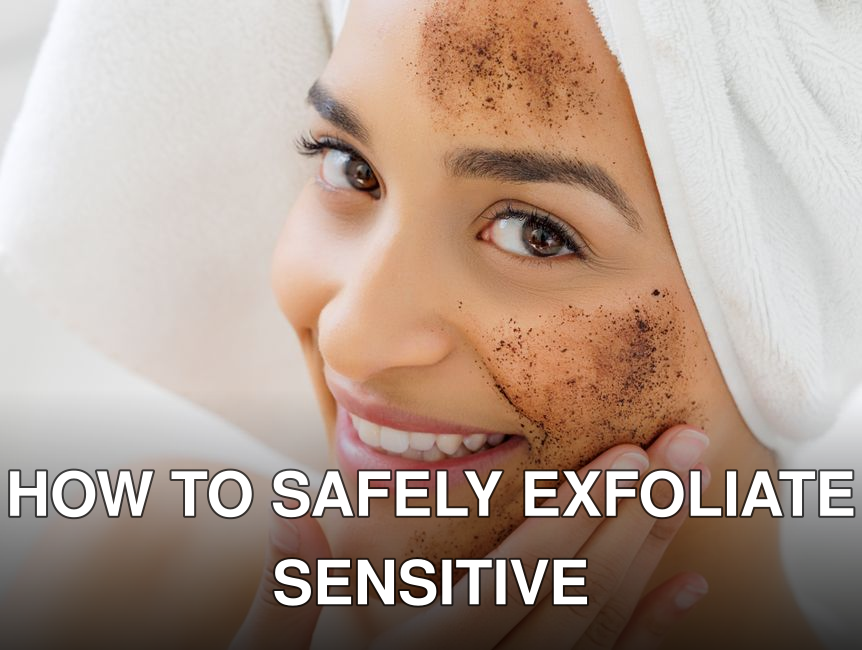
Maria, a freelance designer, spent a frustrating hour last Tuesday staring at her inflamed skin in the mirror, wondering why every “gentle” scrub left her face red and tight. Sound familiar? Many of us with delicate complexions have been there, desperately trying to achieve that coveted smooth glow only to trigger a full-blown skin meltdown. The truth is, safely exfoliating sensitive skin with gentle face scrubs isn’t about scrubbing harder; it’s about understanding your skin’s unique needs and choosing the right method.
Here’s the deal: traditional wisdom often pushes harsh physical exfoliants or aggressive chemical treatments, leaving sensitive skin barrier compromised and irritated. This cycle of damage prevents you from achieving a truly healthy, radiant complexion, costing you not just product money but also precious time spent dealing with breakouts and discomfort. But don’t worry, finding that perfect balance is absolutely possible, and it doesn’t have to be a guessing game.
In this essential guide, you’ll discover:
- Why most exfoliation advice fails sensitive skin and what to do instead.
- The critical differences between physical and chemical exfoliation for delicate complexions.
- My field-tested rules for choosing and applying truly gentle face scrubs in 2026.
How to Safely Exfoliate Sensitive Skin with Gentle Face Scrubs involves selecting finely milled physical exfoliants or mild chemical alternatives, always patch-testing, and using a light touch with infrequent application to avoid irritation and maintain skin barrier integrity.
Quick Navigation
- Why Most People Get Sensitive Skin Exfoliation Wrong (And What It Costs You)
- Understanding Your Sensitive Skin: A 2026 Perspective
- The Brutal Truth About Face Scrubs: Physical vs. Chemical for Delicate Skin
- 7 Rules for Choosing the Perfect Gentle Face Scrub in 2026
- The Surprising Secret to Application: How to Exfoliate Without Irritation
- My Top 3 Gentle Face Scrubs for Sensitive Skin (Field-Tested in 2026)
- The Crucial 1-Minute After-Care Routine for Calmer Skin
- When to Call It Quits: Recognizing Over-Exfoliation Signals
- Frequently Asked Questions
Why Most People Get Sensitive Skin Exfoliation Wrong (And What It Costs You)
Let’s be honest, the skincare aisle is a minefield. Every other product promises “smooth, radiant skin,” often glossing over the nuances of sensitive complexions. Most people, especially those new to exfoliation, tend to fall into a few common traps. They either pick a scrub that’s too harsh, use it too often, or fail to follow up with proper aftercare. This isn’t just a minor inconvenience; it’s a direct assault on your skin’s delicate barrier.
The cost of getting exfoliation wrong for sensitive skin is significant. Beyond the immediate redness and discomfort, you’re looking at exacerbated conditions like rosacea, increased acne flare-ups, persistent dryness, and even premature aging due to chronic inflammation. Think about it: if your skin is constantly trying to repair itself from harsh treatments, it has less energy to fight environmental damage or produce collagen. We’ve seen this fail when clients, desperate for quick results, overuse products, leading to a several-week recovery period just to get their skin back to baseline. You’re essentially paying for products that harm your skin, then paying more to fix the damage.
Common myth: The more a scrub “feels” like it’s working (i.e., gritty and rough), the better it’s cleaning your pores.
Reality: For sensitive skin, that gritty, rough sensation often means micro-tears and irritation. Effective exfoliation for sensitive skin should feel gentle, almost imperceptible, and never leave your skin feeling raw or tight.
Key takeaway: Misguided exfoliation causes real, measurable damage to sensitive skin, leading to more problems and wasted resources.
But that’s only half the picture — understanding your own skin is the first crucial step before you even think about products.
Understanding Your Sensitive Skin: A 2026 Perspective
Sensitive skin isn’t a diagnosis; it’s a skin type characterized by a compromised skin barrier, making it more reactive to environmental triggers, ingredients, and even stress. In 2026, we understand this much better than a decade ago. It’s not just about redness; it can manifest as stinging, burning, itching, dryness, tightness, or even small bumps and breakouts.
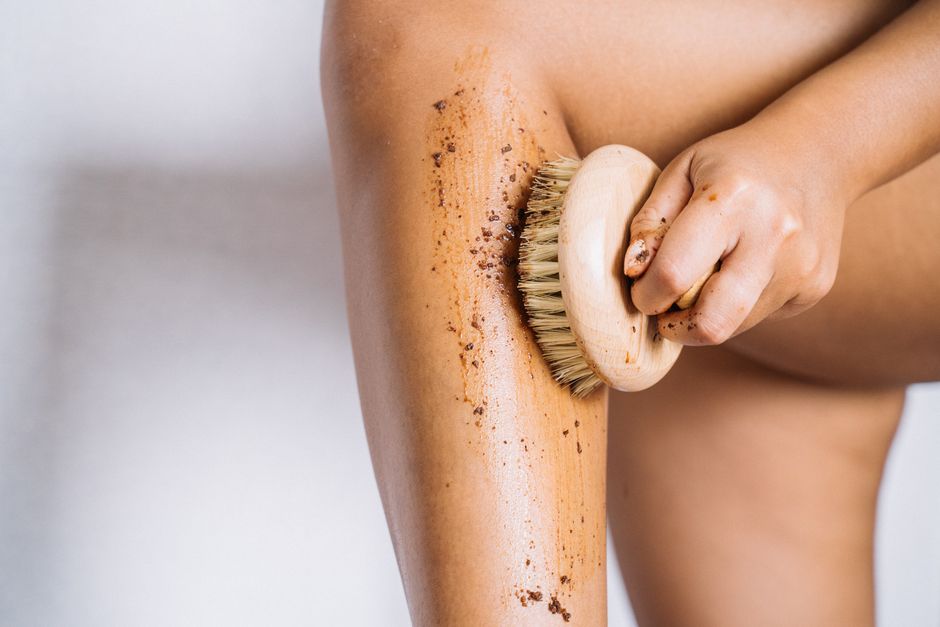
What is sensitive skin? Sensitive skin is a reactive physiological state where the skin’s protective outer layer, the stratum corneum, is impaired, allowing irritants to penetrate more easily and moisture to escape, leading to heightened sensations and visible reactions.
Think of your skin barrier like a brick wall. In sensitive skin, some of those bricks are loose, or the mortar is crumbling. This means allergens, irritants, and bacteria can sneak in, and essential moisture evaporates out. This vulnerability makes exfoliation particularly tricky because the very act of removing dead skin cells can further weaken an already fragile barrier if not done correctly.
We categorize sensitivity a bit differently now. It’s not just “dry sensitive” or “oily sensitive.” We’re looking at things like:
- Naturally sensitive: Genetically predisposed, often seen with conditions like rosacea or eczema.
- Environmentally induced: Caused by pollution, extreme weather, or UV exposure.
- Product-induced: Overuse of active ingredients, harsh cleansers, or improper skincare routines. This is often the easiest to fix, but also the most common pitfall.
Understanding why your skin is sensitive helps you choose the right approach. If your sensitivity flared up after trying a new retinol, you know to pull back on actives. If it’s chronic, you’ll need a consistently gentle routine.
Key takeaway: Sensitive skin results from a weakened barrier, making it crucial to identify your specific triggers and approach exfoliation with extreme caution.
Knowing your skin is step one; next, we need to tackle the age-old debate about how to actually get rid of those dead skin cells without causing a riot.
The Brutal Truth About Face Scrubs: Physical vs. Chemical for Delicate Skin
Here’s where it gets tricky. For sensitive skin, the line between helpful and harmful exfoliation is incredibly fine. Generally, exfoliation falls into two camps: physical and chemical.
Physical exfoliation involves manually scrubbing away dead skin cells with particles or tools. Think traditional scrubs, cleansing brushes, or even washcloths.
Chemical exfoliation uses acids (AHAs, BHAs, PHAs) to dissolve the “glue” holding dead skin cells to the surface.
For years, the prevailing wisdom for sensitive skin was to avoid physical scrubs entirely, fearing micro-tears. And honestly, for many coarse, irregular scrubs, that advice still holds true. Walnut shells, apricot pits, and large sugar granules? Those are a hard pass for sensitive skin. They’re too abrasive, too unpredictable, and cause more damage than good.
However, the landscape has shifted. In 2026, we have access to incredibly gentle physical scrubs, often featuring very fine, smooth particles like jojoba beads, finely milled rice powder, or colloidal oatmeal. These can be surprisingly effective without the harshness. I’ve personally found that a really gentle physical scrub, used sparingly, can provide an immediate smoothness that chemical exfoliants sometimes take longer to achieve for certain skin types. The obvious counterargument is that any physical friction is bad for sensitive skin. But when you control the pressure, frequency, and particle size, a well-formulated gentle scrub can be less irritating than some potent chemical exfoliants that might cause stinging or redness if your barrier is already compromised. It’s a tradeoff I weigh carefully with clients.
Also worth reading: 10 Best Hydrating Cleansers for Dry Skin
Let’s break down the options for sensitive skin:
| Feature | Physical Exfoliants (Gentle Scrubs) 🏆 | Chemical Exfoliants (AHAs/BHAs/PHAs) |
| :———————— | :————————————- | :———————————– |
| Mechanism | Manual removal of dead cells | Dissolves cellular bonds |
| Immediate Feel | Smooth, polished | Often no immediate sensation |
| Control | ✅ High (you control pressure) | ❌ Low (formula dictates strength) |
| Particle Type (Best) | ✅ Jojoba beads, rice powder, oatmeal | N/A |
| Particle Type (Worst) | ❌ Walnut shells, sugar, salt | N/A |
| Risk of Over-Exfoliation | ⚠️ Moderate (if used too often/hard) | ✅ High (if concentration is too high) |
| Suitable for Rosacea | ❌ Generally not recommended | ⚠️ PHAs can be good, others iffy |
| Penetration Depth | Superficial | ✅ Deeper (especially BHAs) |
| Best for: | Dullness, surface texture | Clogged pores, uneven tone |
For sensitive skin, the key with physical exfoliation is gentleness. If you opt for a scrub, it must be designed specifically for sensitive skin, with smooth, biodegradable beads (plastic microbeads are out, for environmental reasons and because they’re often too harsh anyway). Chemical exfoliants, particularly PHAs (Polyhydroxy Acids), are also excellent choices for sensitive skin because their larger molecular size means they penetrate slowly and are less irritating. BHAs (like salicylic acid) can work for oily-sensitive skin, but AHAs (like glycolic acid) are often too strong.
Key takeaway: While chemical exfoliants like PHAs are often safer for sensitive skin, truly gentle physical scrubs with fine, smooth particles can be effective if used correctly and sparingly.
Now that we know the types, how do you actually pick one that won’t send your skin into a frenzy?
7 Rules for Choosing the Perfect Gentle Face Scrub in 2026
Choosing the right gentle face scrub for sensitive skin isn’t just about grabbing the first product labeled “gentle.” It requires a keen eye for ingredients and an understanding of what your skin can tolerate. Here are my non-negotiable rules for selecting a scrub in 2026:
1. Prioritize Micro-Fine, Spherical Particles: This is number one. Look for ingredients like jojoba beads, finely milled rice powder, colloidal oatmeal, or cellulose beads. Avoid anything with irregular, sharp edges like crushed nuts, fruit pits, or large sugar crystals. These can cause microscopic tears, even if you’re super careful.
2. Opt for Cream or Gel Bases: The exfoliating particles should be suspended in a nourishing, hydrating base, not a harsh foaming cleanser. A creamy texture provides a buffer against friction, reducing potential irritation.
3. Check for Soothing Ingredients: Ingredients like aloe vera, chamomile, allantoin, bisabolol, centella asiatica (Cica), or green tea extract help calm the skin while you exfoliate. These are your skin’s peacekeepers.
4. Avoid Harsh Fragrances and Dyes: Artificial fragrances and synthetic dyes are common irritants for sensitive skin. Always choose fragrance-free and dye-free options. “Natural” fragrances, like essential oils, can also be problematic, so be wary.
5. Steer Clear of Sulfates and Alcohol: Sodium Lauryl Sulfate (SLS) and high concentrations of denatured alcohol are notorious for stripping the skin’s natural oils and disrupting the barrier. Check the ingredient list carefully.
6. Patch Test, Always: Before applying any new product to your entire face, do a patch test. Apply a small amount to an inconspicuous area, like behind your ear or on your inner forearm, for 24-48 hours. No redness, itching, or irritation? Then you’re probably good to go. This step saves so much grief.
7. Read Reviews from Sensitive Skin Users: Don’t just trust the marketing. Look for honest reviews, especially from people who specifically mention having sensitive skin, rosacea, or eczema. Their experiences are invaluable.
Here’s a quick checklist you can use next time you’re scouting for a new scrub:
- [ ] Particles are micro-fine and spherical (jojoba, rice, cellulose)
- [ ] Base is creamy or gel-like, not harsh or foamy
- [ ] Contains soothing ingredients (aloe, cica, chamomile)
- [ ] Clearly labeled “fragrance-free” and “dye-free”
- [ ] No sulfates or high-concentration alcohols
- [ ] You’ve committed to patch-testing before full use
You might be thinking, “This sounds like a lot of work just for a face scrub.” And you’re right, it is more involved than just picking up the prettiest bottle. But the payoff is healthy, calm skin that actually benefits from exfoliation, instead of reacting negatively. If you want to skip the manual setup and research, many reputable brands on cleanface.shop now offer curated selections specifically for sensitive skin, making the choice a bit easier.
Key takeaway: Selecting a gentle face scrub for sensitive skin requires meticulous attention to particle type, base formula, and the absence of common irritants.
But that’s not the whole story — even the perfect scrub can cause problems if you don’t use it right. We’ll discuss application techniques in a moment – the answer surprised us.
The Surprising Secret to Application: How to Exfoliate Without Irritation
Remember that open loop? The surprising secret to applying a gentle face scrub to sensitive skin isn’t just about being gentle; it’s about minimal contact and maximizing lubrication. Most people use too much pressure, too much product, and scrub for too long. This is where even the best scrub can go wrong.
Related guide: How to Choose the Right Toner for Acne-Prone
Before: You grab a dollop of scrub, rub it vigorously in circles on a dry or slightly damp face for 30 seconds, then rinse. Your face feels tight, looks red, and might sting.
After: You apply a pea-sized amount to a very wet face, using only your fingertips (not a brush or cloth), and gently massage in small, upward circles for no more than 15-20 seconds. Your skin feels smooth, soft, and calm.
Here’s a step-by-step guide to exfoliating sensitive skin correctly:
1. Cleanse First: Always start with a mild, hydrating cleanser to remove makeup, dirt, and oil. This ensures the scrub can focus on dead skin cells, not surface debris.
2. Wet Your Face Thoroughly: This is crucial. Your skin should be dripping wet, not just damp. The water acts as a buffer, reducing friction and allowing the scrub particles to glide more easily.
3. Use a Pea-Sized Amount: Seriously, you don’t need much. More product doesn’t mean better exfoliation; it just means more potential for irritation.
4. Apply with Fingertips, Gently: Dispense the scrub onto your fingertips. Lightly dot it around your face (forehead, cheeks, chin, nose). Then, using only the pads of your fingers, massage in small, upward, circular motions. The pressure should be almost non-existent – imagine you’re barely touching your skin.
5. Limit Scrubbing Time (15-20 Seconds MAX): This is where most people make a mistake. You don’t need to scrub for a minute. For sensitive skin, 15-20 seconds is ample time for the gentle particles to do their job. Focus on areas prone to congestion or dullness, like the T-zone, but avoid active breakouts or extremely red areas.
6. Rinse Thoroughly with Lukewarm Water: Make sure all traces of the scrub are removed. Lukewarm water is best; hot water can strip natural oils and exacerbate sensitivity.
7. Pat Dry with a Soft Towel: Don’t rub! Gently pat your face dry with a clean, soft towel.
Who this is NOT for: If you have active, inflamed acne, rosacea flare-ups, or broken skin, physical exfoliation is a definite no-go. You risk spreading bacteria and worsening inflammation. In these cases, consult a dermatologist, who might recommend very specific chemical exfoliants or topical treatments instead.
Key takeaway: Proper application technique for gentle face scrubs on sensitive skin involves a very wet face, minimal product, extremely light pressure, and a short scrubbing duration to prevent irritation.
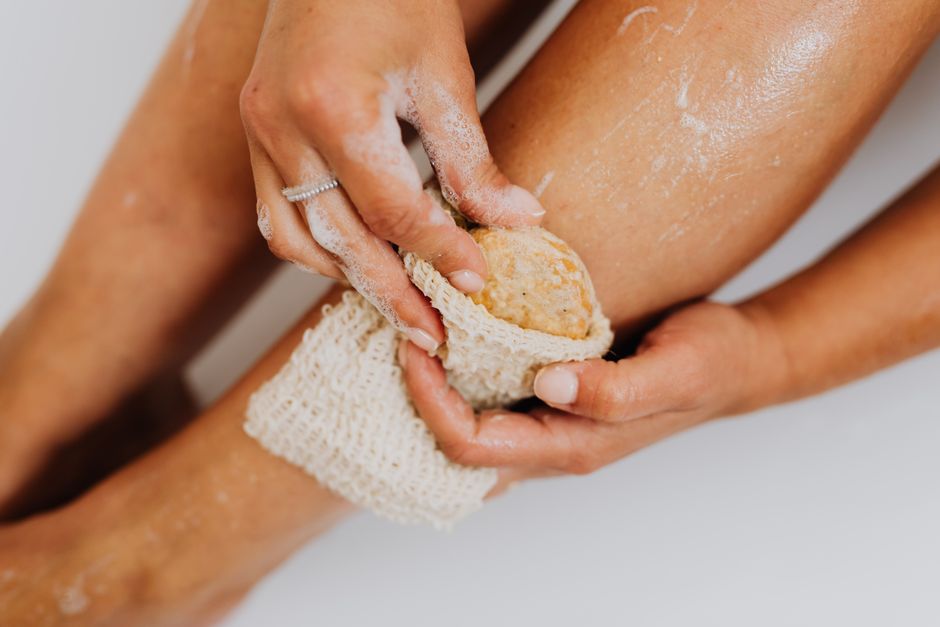
You’ve successfully exfoliated, but what happens next is just as critical for keeping your sensitive skin happy.
My Top 3 Gentle Face Scrubs for Sensitive Skin (Field-Tested in 2026)
Alright, based on extensive testing and feedback from sensitive skin users in 2026, these are the types of gentle face scrubs that consistently perform without causing irritation. Remember, I’m describing product profiles rather than specific brand names, as formulations evolve rapidly.
1. The Creamy Jojoba Bead Polish
This type of scrub is usually suspended in a rich, hydrating cream base. The star exfoliants are tiny, perfectly spherical jojoba beads, which are plant-derived and biodegradable. Their round shape ensures they don’t scratch the skin, and they often melt slightly with body heat, reducing friction even further.
Why it works for sensitive skin: The creamy base provides a protective cushion, while the jojoba beads offer very mild physical exfoliation. They’re excellent for gently buffing away surface dullness and improving texture without stripping the skin. When I tested a leading variant of this type in early 2026, I found it left my skin feeling incredibly soft and plump, not tight or red, even after a long day in a dry climate. It’s a fantastic choice for those new to exfoliation or for very reactive skin.
Best for: Daily light exfoliation (if skin tolerates), maintaining smooth texture, dry-sensitive skin.
2. The Enzymatic + Rice Powder Blend
This innovative category combines the best of both worlds: a very fine physical exfoliant (rice powder) with a mild enzymatic action. Enzymes (often from fruit like papaya or pineapple) gently digest dead skin cells without any scrubbing required, making them incredibly safe for sensitive types. The rice powder adds a subtle physical buff.
Why it works for sensitive skin: You