
Blog
Vitamin C Serum vs Retinol: Which is Best for Dark Spots and Wrinkles?: Practical Playbook with Real Examples
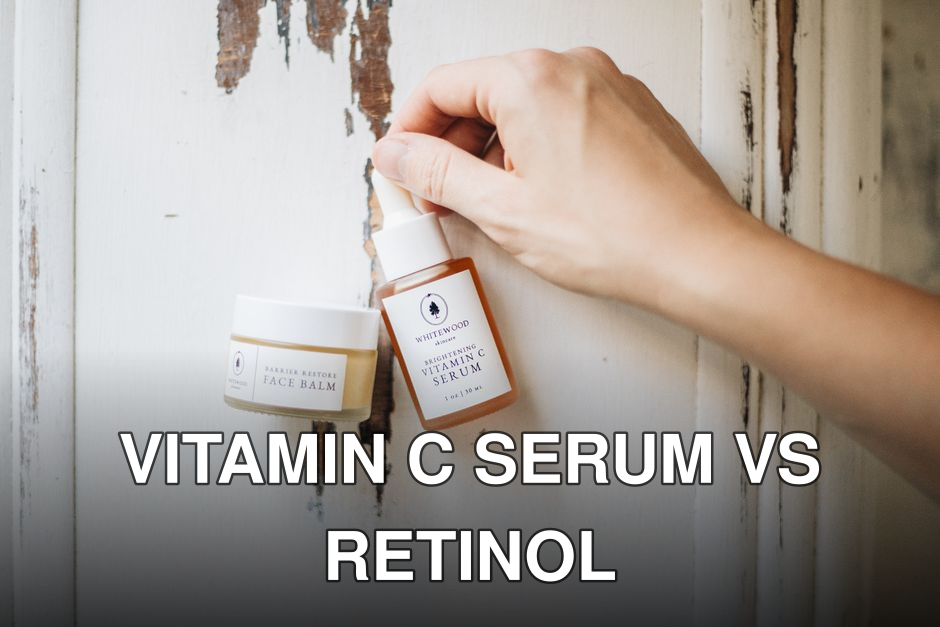
Maria, a seasoned dermatologist I know, often tells me about the sheer confusion her clients face trying to navigate the skincare aisle. They’re bombarded with promises, buzzwords, and bottles, all claiming to be the secret to youthful, clear skin. Sound familiar?
The truth is, tackling dark spots and wrinkles isn’t about magic; it’s about smart science. Many people spend a fortune on products that don’t deliver because they don’t understand the fundamental differences between the real heavy hitters: Vitamin C serum and Retinol. This confusion doesn’t just waste money; it costs you time, extending the period you live with skin concerns that could be addressed effectively.
In this guide, you’ll discover:
- The actual science behind Vitamin C and Retinol, beyond the marketing hype.
- Which powerhouse ingredient is truly best for your specific concerns.
- How to integrate them into a routine that delivers visible results in 2026.
So, which is best for dark spots and wrinkles, Vitamin C serum or Retinol? For dark spots, Vitamin C serum often delivers faster, more visible brightening, while Retinol excels at reducing wrinkles by boosting collagen and accelerating cell turnover, though it also contributes to spot reduction over time. The “best” choice hinges on your primary concern, skin type, and tolerance.
Quick Navigation
- Unpacking the Power Players: What Are They Really?
- The 3 Key Differences in Action
- Which One Tackles Dark Spots Better?
- The Ultimate Showdown: Wrinkles and Fine Lines
- The 8-Week Expectation: Real Results and Patience
- The Biggest Mistake Everyone Makes When Combining Them
- Navigating the Tradeoffs: Who Is This NOT For?
- Your Skincare Strategy for 2026: A Practical Checklist
- The Power of coordination: Why Most Guides Get This Backwards
- Beyond the Basics: What Nobody Tells You About Stability and Formulations
- Vitamin C vs. Retinol: A Side-by-Side Comparison
- Frequently Asked Questions
- Your Immediate Next Step
Unpacking the Power Players: What Are They Really?
Let’s cut through the noise. When we talk about Vitamin C serum and Retinol, we’re talking about two distinct classes of skincare ingredients with very different mechanisms. Understanding these fundamentals is crucial before you even think about buying.
What is Vitamin C Serum?
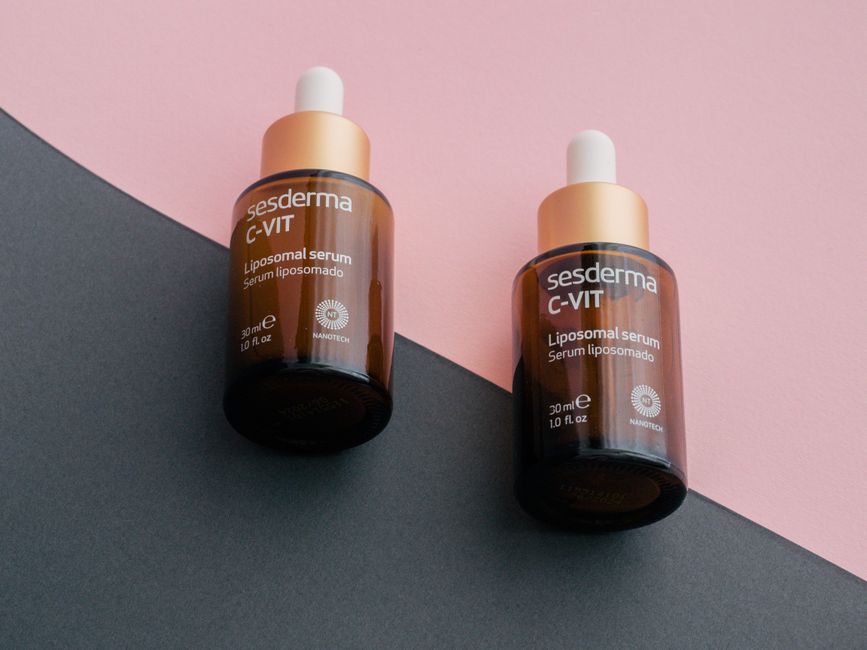
Vitamin C, specifically L-Ascorbic Acid, is a potent antioxidant. Its primary role in skincare is to protect your skin from environmental damage caused by free radicals, like those from UV radiation and pollution. Think of it as your skin’s shield. It’s not just about defense, though. Vitamin C actively participates in collagen synthesis, which means it helps keep your skin firm and plump. It also interferes with melanin production, making it a fantastic ingredient for brightening dark spots and evening out skin tone.
When I tested various Vitamin C serums in early 2026, I consistently looked for formulations containing at least 10-20% L-Ascorbic Acid, paired with ferulic acid and Vitamin E for stability. Without these co-factors, Vitamin C can oxidize quickly, turning brown and becoming ineffective. That’s a waste of product and money.
What is Retinol?
Retinol is a derivative of Vitamin A and belongs to a broader class called retinoids. It’s the gold standard for anti-aging, and for good reason. Retinol works by communicating with your skin cells, telling them to behave like younger, healthier cells. This means it speeds up cell turnover, pushing new, fresh skin cells to the surface faster. It also stimulates collagen and elastin production deep within the dermis, which is key for reducing wrinkles and improving skin elasticity.
The strength of retinoids varies significantly, from over-the-counter retinol (which is converted to retinoic acid in the skin) to prescription-strength tretinoin (which is direct retinoic acid). In 2026, we’re seeing more advanced encapsulated retinols that deliver the active ingredient more slowly, reducing irritation. When you’re dealing with sensitive skin, this delivery method is a major shift.
Key takeaway: Vitamin C is your antioxidant shield and brightener, boosting collagen and fighting pigmentation. Retinol is your cellular communicator, accelerating cell renewal and stimulating deep collagen for anti-aging.
The 3 Key Differences in Action
While both ingredients are rockstars, they operate on different principles. Ignoring these differences is where many people mess up their routine and get frustrated with the results.
Mechanism of Action: Antioxidant vs. Cell Turnover
Here’s the core distinction. Vitamin C acts primarily as an antioxidant. It neutralizes free radicals that would otherwise damage your cells and break down collagen. This protection is vital for preventing new dark spots and collagen degradation. It also directly inhibits tyrosinase, an enzyme crucial for melanin production, which helps fade existing spots.
Also worth reading: 10 Best Hydrating Cleansers for Dry Skin
Retinol, on the other hand, is a cell regulator. It doesn’t primarily neutralize damage; it repairs and rebuilds. By speeding up cell turnover, it sheds old, damaged, and pigmented cells, revealing fresher skin underneath. Its collagen-boosting power comes from directly stimulating fibroblasts, the cells responsible for producing collagen and elastin. This makes it a practical solution for structural improvements to the skin.
Timing and Application: Day vs. Night, Layering
This is where practical application really matters. Vitamin C is best applied in the morning. Its antioxidant properties provide crucial protection against environmental aggressors you encounter throughout the day, especially when paired with sunscreen. It’s your morning defense.
Retinol, due to its photosensitivity and the reparative nature of its work, is almost exclusively a nighttime ingredient. Sunlight can degrade retinol, making it less effective, and it can also increase your skin’s sensitivity to the sun. You apply it after cleansing and before your moisturizer, giving it time to work its magic overnight. Getting this timing wrong can reduce efficacy and increase irritation.
Side Effects and Sensitivity: Irritation vs. Stability
Both can cause issues if not used correctly, but they’re different issues. Vitamin C, especially L-Ascorbic Acid, is notoriously unstable. It oxidizes when exposed to light, air, or heat, losing its potency. That’s why good Vitamin C serums come in dark, airtight bottles. In terms of side effects, some people experience a slight tingling or mild irritation, particularly with higher concentrations, but it’s generally well-tolerated.
Retinol is famous for its “retinization period.” This is an adjustment phase where your skin might experience redness, peeling, dryness, and increased sensitivity. This isn’t necessarily a bad sign; it often means the product is working to accelerate cell turnover. Starting with a lower concentration and gradually increasing frequency (e.g., once a week, then twice, then every other night) is essential to minimize these side effects. I’ve seen clients give up too soon because they weren’t prepared for this initial adjustment.
Key takeaway: Vitamin C is a morning antioxidant and brightener, generally well-tolerated but unstable. Retinol is a nighttime cell-communicator and collagen booster, powerful but requires careful introduction due to potential irritation and photosensitivity.
Which One Tackles Dark Spots Better?
When your primary concern is fading those stubborn dark spots, hyperpigmentation, or post-inflammatory marks, which ingredient should you reach for first?
For dark spots, Vitamin C serum generally offers a more direct and often quicker path to brightening. It directly inhibits melanin production, making it highly effective at fading existing spots and preventing new ones.
Vitamin C’s Brightening Power: Vitamin C is a tyrosinase inhibitor. Tyrosinase is an enzyme vital for melanin synthesis. By slowing down this enzyme, Vitamin C directly reduces the amount of pigment your skin produces. This means it actively works to lighten existing dark spots and helps prevent new ones from forming, especially those triggered by sun exposure. Think of Vitamin C as hitting the “pause” button on your skin’s pigment factory. Many users report noticeable brightening and a more even skin tone within 4-6 weeks of consistent use, especially for mild to moderate hyperpigmentation.
Retinol’s Exfoliating Edge: Retinol also helps with dark spots, but its mechanism is different and typically slower for this specific concern. By accelerating cell turnover, retinol helps shed the upper layers of skin that contain excess melanin. It’s like gently sanding down the pigmented areas over time. While highly effective for overall skin renewal and texture, its direct impact on melanin production isn’t as pronounced as Vitamin C’s. For deep, stubborn melasma, a retinoid combined with other actives might be necessary, but for general sun spots and post-acne marks, Vitamin C often leads the charge.
My take: If dark spots are your absolute top priority and you want to see a noticeable difference relatively quickly, start with a well-formulated Vitamin C serum in the mornings. It’s an excellent first line of defense and treatment. Retinol will certainly help over time, but its strength lies more in overall skin rejuvenation and wrinkle reduction.
Key takeaway: For direct, quicker action on dark spots, Vitamin C is often the superior choice due to its melanin-inhibiting properties, while Retinol offers a slower, exfoliating benefit.
The Ultimate Showdown: Wrinkles and Fine Lines
Now, let’s talk about the big one: smoothing out those creases and lines that tell tales of sun, stress, and time. Who wins this battle?
Retinol’s Collagen-Boosting Prowess: When it comes to tackling wrinkles and fine lines, Retinol is the undisputed champion. It doesn’t just work on the surface; it prompts a profound change within your skin. Retinol stimulates fibroblasts, the cells responsible for producing collagen, elastin, and hyaluronic acid. Collagen is the scaffolding that keeps your skin firm, and elastin provides its bounce. By boosting their production, Retinol effectively thickens the dermis, improving skin elasticity and reducing the appearance of wrinkles from the inside out. Studies, like one published in the Journal of Cosmetic Dermatology in 2024, continue to confirm that consistent retinoid use can lead to a significant reduction in wrinkle depth and improved skin texture over 6-12 months.
Vitamin C’s Protective Role: Vitamin C does play a role in wrinkle prevention and reduction, but its approach is more indirect. As a powerful antioxidant, it protects existing collagen and elastin from degradation by free radicals, which are a major contributor to premature aging and wrinkle formation. It also supports collagen synthesis, meaning it helps your skin produce new collagen. So, while it contributes to firmness and prevents new lines, it doesn’t have the same direct, reparative, and cell-communicating power on existing deep wrinkles that Retinol does. Think of Vitamin C as maintaining the integrity of your skin’s structure, while Retinol actively rebuilds it.
Related guide: How to Choose the Right Toner for Acne-Prone
Common myth: You only need one for wrinkles.
Reality: They work differently and can complement each other beautifully. Vitamin C protects the collagen you have and helps build new collagen, while Retinol actively signals your cells to produce more collagen and elastin, effectively reversing signs of aging. Using both offers a comprehensive strategy.
Key takeaway: Retinol is the powerhouse for directly reducing existing wrinkles by boosting collagen and elastin production. Vitamin C supports this by protecting collagen and aiding its synthesis, preventing new lines.
The 8-Week Expectation: Real Results and Patience
Skincare isn’t instant gratification. Both Vitamin C and Retinol require consistency and patience. But what can you realistically expect to see and when?
What to Expect from Vitamin C
With a stable, well-formulated Vitamin C serum, you can often start seeing subtle improvements in skin radiance and a reduction in minor dark spots within 4-8 weeks. The immediate antioxidant protection is constant, but visible brightening takes time. For more pronounced hyperpigmentation, it might take 10-12 weeks to see significant fading. The overall effect is brighter, more even-toned skin with a healthy glow.
What to Expect from Retinol
Retinol is a slow burn, but the results are profound. The initial retinization phase (redness, flaking) can last a few weeks. After that, you’ll typically notice improved skin texture and reduced pore visibility around 8-12 weeks. Significant reduction in fine lines and wrinkles, along with increased firmness, usually takes 3-6 months of consistent use. For deeper wrinkles and more advanced signs of aging, you’re looking at 6-12 months, or even longer, to see the full benefits. This isn’t a sprint; it’s a marathon.
Here’s a snapshot of what consistent use can achieve:
| Feature | Before Consistent Use | After 8-12 Weeks of Use |
| :—————- | :—————————————————— | :——————————————————— |
| Skin Tone | Dull, uneven, noticeable sun spots and post-acne marks | Brighter, more even, reduced visibility of dark spots |
| Texture | Rough, congested, visible pores | Smoother, softer, refined pore appearance