
Blog
Hydrocolloid Patches vs. Salicylic Acid Cleanser for Teenage Acne: Practical Playbook with Real Examples
Maria, a high school junior, spent a frantic Monday morning trying to hide a massive cystic breakout before her first period. We’ve all been there, or at least seen it happen to someone we care about. Teenage acne isn’t just a cosmetic annoyance; it can seriously mess with a young person’s confidence, making them dread social events and even school itself. The constant struggle to find something that actually works, without irritating already fragile skin, is a battle many teens fight daily.
This isn’t just about clear skin; it’s about feeling comfortable in your own skin, especially during those awkward teenage years. Ignoring persistent acne doesn’t make it go away; it often leads to scarring, hyperpigmentation, and a deeper hit to self-esteem. The cost of inaction isn’t just skin-deep; it can mean missed opportunities, social anxiety, and a general feeling of not being good enough. We’re talking about real emotional burdens that shouldn’t be dismissed.
In this guide, you’ll discover:
- Why hydrocolloid patches are your secret weapon for targeted breakouts.
- The essential role of salicylic acid cleansers in managing overall acne, and where most people get it wrong.
- A practical playbook for combining both treatments for the clearest skin possible in 2026.
So, which one wins the battle for clear skin? The short answer: It’s not a zero-sum game. Hydrocolloid patches are fantastic for quick, targeted treatment of individual pimples, while salicylic acid cleansers offer a broader, preventative approach to manage oily, acne-prone skin. The best strategy often involves using both, strategically.
Quick Navigation:
- The Core Problem: Why Teenage Acne Isn’t Just About Dirty Skin
- Hydrocolloid Patches: Your Overnight Pimple Assassin
- Salicylic Acid Cleansers: The Daily Grunt Work for Clearer Skin
- The Head-to-Head: Patches vs. Cleansers in 2026
- Crafting Your Teenage Acne Action Plan: A 7-Step Checklist
- Frequently Asked Questions
The Core Problem: Why Teenage Acne Isn’t Just About Dirty Skin
Let’s get one thing straight: teenage acne isn’t a cleanliness issue. It’s mostly hormonal, genetic, and sometimes diet-related. During puberty, those pesky hormones, particularly androgens, kick oil glands into overdrive. This excess oil, or sebum, mixes with dead skin cells and clogs pores, creating a perfect breeding ground for P. acnes bacteria. That’s when you get blackheads, whiteheads, papules, pustules, and sometimes those deep, painful cysts. Sound familiar?
Many teenagers, and even their parents, assume scrubbing harder or using harsh soaps will fix it. That’s a huge mistake. Over-cleansing can strip the skin, leading to more oil production as the skin tries to compensate, making the problem worse. It’s a vicious cycle that I’ve seen play out too many times, leaving teens frustrated and their skin irritated. The idea that “less is more” is crucial here, but it applies differently to various treatments. We’ll come back to this in a moment – the answer surprised us.
In 2026, the understanding of acne has moved far beyond simple hygiene. We know now that inflammation plays a massive role, and gentler, more targeted approaches are usually more effective. The goal isn’t to obliterate all oil; it’s to balance the skin, reduce inflammation, and prevent clogged pores without causing further damage. This foundational understanding dictates how we approach both hydrocolloid patches and salicylic acid cleansers.
Key takeaway: Teenage acne is primarily hormonal and inflammatory, not a sign of poor hygiene. Harsh treatments often worsen the problem by stripping the skin and increasing oil production.
Hydrocolloid Patches: Your Overnight Pimple Assassin
Hydrocolloid patches are those small, translucent stickers you pop onto a pimple. They’re a relatively simple solution, but incredibly effective for specific types of breakouts. A hydrocolloid is a moisture-absorbing dressing, originally used in wound care. When applied to a pimple, it creates a moist healing environment, protecting the blemish from external bacteria and dirt. But here’s the real magic: it draws out pus and oil, flattening the pimple and speeding up healing.
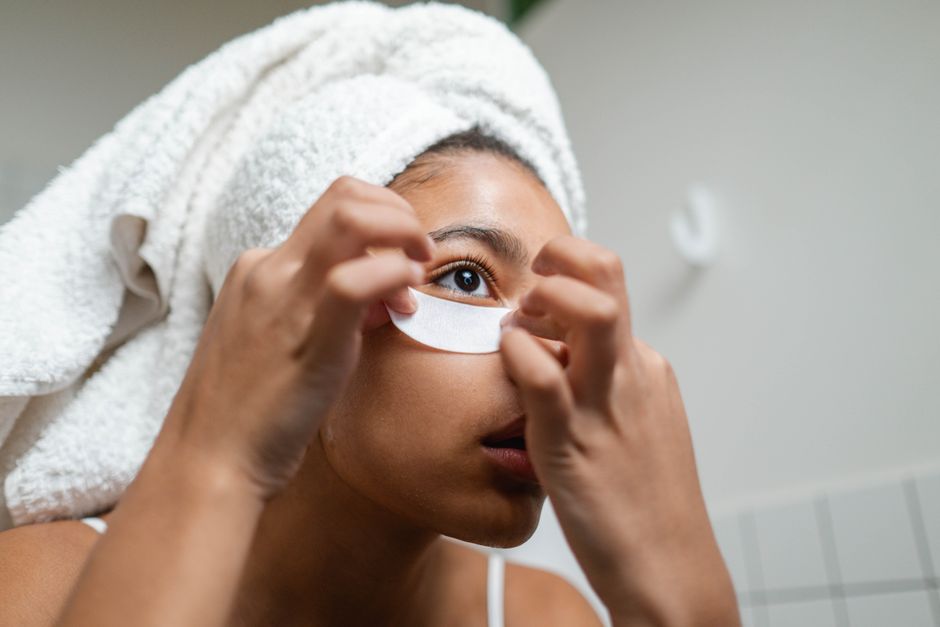
These patches work best on whiteheads and pustules, where there’s already some fluid to absorb. You slap one on before bed, and by morning, the patch often turns white and puffy, having sucked out the gunk. When I first tested these back in 2019, I was skeptical. Now, in 2026, they’re a staple in my routine for those emergency breakouts. They’re particularly brilliant for those times when a big event is looming, like a school dance or a job interview.
Specifics: What to Look For and Application Tips
When you’re shopping for hydrocolloid patches, look for brands that offer different sizes. Some pimples need a tiny dot, others a larger patch. Ensure the edges are thin enough to adhere well without peeling off overnight. Before applying, always wash your face gently and pat it completely dry. Don’t put serums or moisturizers directly under the patch – it needs to stick to clean, dry skin to work properly. Leave it on for at least 6-8 hours, or until the patch looks opaque.
Why Most Guides Get This Backwards: The Timing Trap
Many guides suggest using patches on any type of pimple. That’s where they get it wrong. Hydrocolloid patches are fantastic for active pimples with a head, or those that have been picked (though you shouldn’t pick!). They won’t do much for deep, cystic acne that hasn’t come to a head, or for blackheads and whiteheads that are just clogged pores without inflammation. Trying to use them on those types of blemishes is like using a band-aid on a broken bone – it just doesn’t address the core issue. Stick to whiteheads and pustules for the best results.
Common myth: Hydrocolloid patches pull out everything, even deep cysts.
Reality: They primarily work by absorbing fluid (pus and oil) from superficial, “poppable” pimples. They create a moist healing environment and protect the blemish, but they won’t magically extract deep, underground cysts.
Case Study: Mia’s Prom Night Save
Mia, 16, had a huge, angry whitehead erupt on her chin two days before prom in May 2026. Panicked, she slapped on a hydrocolloid patch from a brand like Cosrx. She wore it overnight, and by morning, the patch was a puffy white disc. The pimple was significantly reduced, flatter, and less red. She applied another one for a few hours that day, and by prom night, it was easily covered with a dab of concealer, saving her from a self-conscious evening. This is exactly where patches shine.
Also worth reading: 10 Best Hydrating Cleansers for Dry Skin
Who Hydrocolloid Patches Are NOT For
If you have widespread acne, hydrocolloid patches aren’t your primary solution. They’re great for targeted, occasional breakouts. If your skin is extremely sensitive and reacts poorly to adhesives, you might experience irritation, though this is rare. Also, for those deep, painful, under-the-skin cysts, patches won’t penetrate deep enough to make a significant difference. You’ll need a different approach for those, maybe even a dermatologist visit.
Key takeaway: Hydrocolloid patches excel at treating individual whiteheads and pustules by absorbing fluid and protecting the blemish, but they’re not a solution for widespread acne or deep cysts.
Salicylic Acid Cleansers: The Daily Grunt Work for Clearer Skin
Salicylic acid (SA) is a beta-hydroxy acid (BHA), and it’s a powerhouse for acne-prone skin. Unlike alpha-hydroxy acids (AHAs) that are water-soluble and work on the skin’s surface, SA is oil-soluble. This means it can penetrate through the oil in your pores, exfoliating from the inside out. It helps to dissolve the gunk (sebum and dead skin cells) that causes blackheads and whiteheads, preventing new breakouts from forming. It also has anti-inflammatory properties, which is a big win for angry, red pimples.
A salicylic acid cleanser is designed for consistent, daily use to manage and prevent acne. It’s not a quick fix for an immediate breakout like a patch; it’s a long-game player. Most over-the-counter SA cleansers contain 0.5% to 2% salicylic acid. For teenage skin, starting with a lower concentration, around 0.5% or 1%, is often a smart move to see how your skin reacts. You can always increase it if needed.
The 3 Common Mistakes with Salicylic Acid Cleansers
1. Over-scrubbing: You don’t need to scrub your face raw. SA does the work. Gentle massage for 30-60 seconds is enough.
2. Using too high a concentration too fast: Jumping straight to 2% SA, especially if your skin isn’t used to chemical exfoliants, can lead to dryness, redness, and irritation. Start low, go slow.
3. Not following up with moisturizer: Even oily skin needs hydration. SA can be drying. Skipping moisturizer will often lead to your skin producing more oil to compensate, completely defeating the purpose. This is a classic cleanface mistake we’ve seen.
Before & After: The Consistent Cleansing Difference
Here’s a look at what consistent use of a salicylic acid cleanser can do:
| Aspect | Before Consistent SA Cleanser Use | After 4-6 Weeks of Consistent SA Cleanser Use 🏆 |
| :——————— | :—————————————————————————————————————————— | :————————————————————————————————————————————————- |
| Blackheads/Whiteheads | Frequent, noticeable blackheads on nose and chin; whiteheads appear regularly. | Significantly reduced blackheads; fewer new whiteheads forming. Skin feels smoother. ✅ |
| Breakout Frequency | New pimples appearing almost daily; occasional painful breakouts. | Breakouts become less frequent and less severe; fewer inflammatory lesions. ✅ |
| Skin Texture/Tone | Uneven skin texture, some dullness, occasional redness. | Smoother, more even skin texture; brighter complexion; reduced overall redness and inflammation. ✅ |
| Oiliness | Excessively oily T-zone by midday, needing blotting. | More balanced oil production; less midday shine, but not dry or tight. ⚠️ |
| Best for: | Reactive, congested skin prone to regular breakouts. | Proactive management of oily, acne-prone skin, preventing future breakouts. |
My Personal Take: Why I Sometimes Hesitate
While I advocate for salicylic acid, I’ll admit I sometimes hesitate recommending it for every teenager, especially those with genuinely sensitive skin or who are already using other active ingredients. I’ve seen teens get too enthusiastic, combining an SA cleanser with a strong toner and a spot treatment, leading to a compromised skin barrier. It’s a practical solution, but like any strong ingredient, it needs to be used thoughtfully. My personal tradeoff is always balancing efficacy with gentleness, especially for young skin.
“Many teenagers fall into the trap of thinking more active ingredients mean faster results. With salicylic acid, consistency and moderation are far more crucial than intensity. Overdoing it can lead to irritation that actually prolongs the acne cycle,” advises Dr. Jessica Wu, a board-certified dermatologist and author of ‘Feed Your Face’. Her insights from a 2024 interview still ring true in 2026.
If you want to learn more about managing oily skin and pores, understanding how different BHAs compare is crucial.
Key takeaway: Salicylic acid cleansers work by penetrating oil to exfoliate pores, preventing blackheads and whiteheads. They require consistent, gentle use and proper moisturizing to avoid irritation.
The Head-to-Head: Patches vs. Cleansers in 2026
Alright, let’s put these two contenders side-by-side. Both have their place, but they tackle acne from different angles. One isn’t inherently “better” than the other; it’s about matching the tool to the specific job at hand. In 2026, we’re seeing more personalized skincare approaches, and understanding these distinctions is key to building an effective routine.
Here’s a direct comparison to help you decide:
| Feature/Criteria | Hydrocolloid Patches 🏆 | Salicylic Acid Cleanser |
Related guide: How to Choose the Right Toner for Acne-Prone
| :————————— | :——————————————————- | :—————————————————————– |
| Primary Function | Targeted spot treatment; fluid absorption & protection. | Preventative, overall pore exfoliation & anti-inflammation. |
| Best For | Individual whiteheads, pustules, picked spots. | Widespread blackheads, whiteheads, general oily/acne-prone skin. |
| Application Frequency | As needed (1-2 times per pimple). | Daily (1-2 times per day). |
| Mechanism of Action | Creates moist healing environment, absorbs exudate. | Oil-soluble exfoliant, penetrates pores, dissolves clogs. |
| Speed of Results | Noticeable reduction in size/redness overnight (6-8 hrs).| Gradual improvement over weeks (4-6 weeks for significant change).|
| Mess Factor | Minimal, discreet if clear. | None, washes off. |
| Risk of Irritation | Low (unless adhesive sensitivity). | Moderate (if overused or too high concentration). |
| Cost (Estimated) | $8-$15 for a pack of 20-40 patches. | $10-$25 for a 4-8 oz bottle (lasts 1-2 months). |
| Prevents New Breakouts? | ❌ (Treats existing ones). | ✅ (By keeping pores clear). |
| Treats Deep Cysts? | ⚠️ (Limited, only if it comes to a head). | ❌ (Requires stronger, leave-on treatments or prescriptions). |

| Best for: | Emergency spot treatment and quick healing. | Foundation of a daily preventative acne routine. |
You might be thinking: “Can’t I just use both?”
The obvious counterargument is that you don’t have to choose. And you’d be right! For most teenagers dealing with both persistent acne and occasional flare-ups, using both hydrocolloid patches and a salicylic acid cleanser is the most effective approach. It’s about a smart, layered strategy. Studies from dermatological journals in late 2025 increasingly emphasize combination therapy for better patient outcomes in moderate acne, rather than relying on a single ingredient.
When to Use Both for Maximum Impact
Think of the SA cleanser as your daily maintenance crew, working to keep your pores clear and prevent new breakouts. It’s the consistent effort that builds a strong foundation. The hydrocolloid patches are your special ops team, deployed only when a specific, angry invader (a whitehead) pops up. This combination allows you to proactively manage your skin while having a targeted solution for emergencies.
If you want to simplify your routine and consider a more holistic approach, [learn more about whether a complete facial kit or individual products are better for dry skin](https://cleanface.shop/is-a-complete-facial-kit-or-individual-products-better-for