
Blog
Affordable Moisturizer for Dry Skin Over 40 vs Luxury Brands: Which Delivers?: Practical Playbook with Real Examples
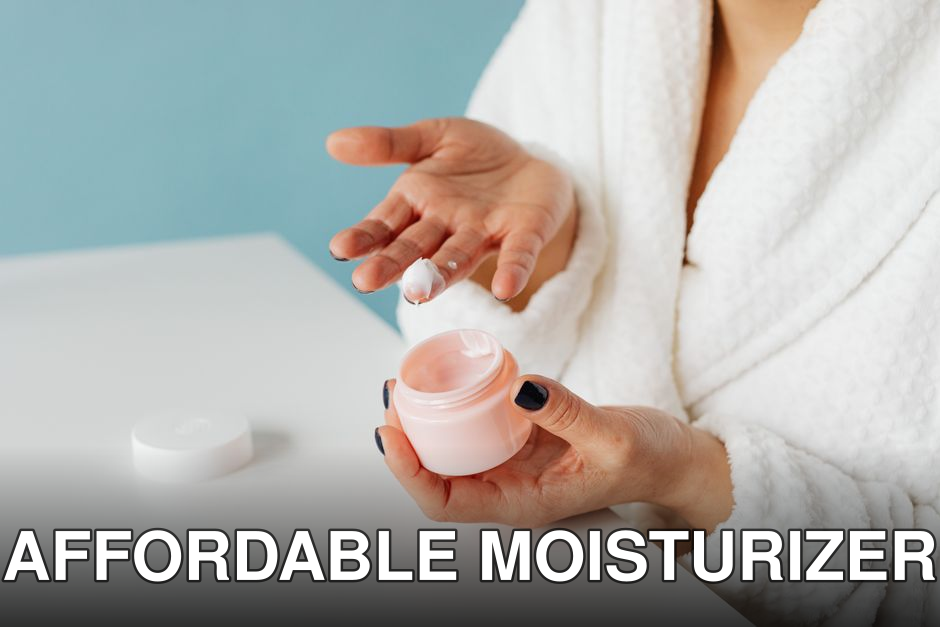
Maria, a seasoned marketing director, used to wince every morning at the mirror, convinced her expensive moisturizer just wasn’t cutting it. Despite spending over $200 a month on “miracle” creams, her dry skin, especially around her eyes and jawline, still felt tight and looked dull by noon. It left her wondering if she was pouring money down the drain.
The truth is, for many women over 40, persistent dry skin isn’t just a minor annoyance; it’s a confidence drainer. You’re constantly searching for that elusive product that actually delivers deep, lasting hydration without breaking the bank or feeling like a greasy mask. The good news? You don’t always need a celebrity-endorsed, triple-digit jar to get fantastic results.
In this guide, you’ll discover:
- Why “luxury” doesn’t always mean “superior” for mature, dry skin.
- Specific, budget-friendly moisturizers that outperform their pricey counterparts.
- A practical framework to choose the best moisturizer for your skin in 2026.
Affordable moisturizers for dry skin over 40 can absolutely deliver comparable, if not superior, hydration and barrier support compared to many luxury brands, especially when formulated with key occlusive and humectant ingredients. The core difference often lies in marketing, packaging, and unique, often unproven, “hero” ingredients rather than fundamental efficacy.
Quick Navigation
- The Brutal Truth About Price Tags and Efficacy
- Common Myth: You Get What You Pay For
- Key Ingredients: What Really Matters for Mature Dry Skin?
- The 2026 Skincare Landscape: What’s Changed?
- 5 Affordable Champions: Moisturizers Under $30 That Actually Work
- Luxury Indulgences: Are They Worth the Splurge?
- My Personal Test: 6 Weeks on a Split Face Regime
- Making Your Choice: A 3-Step Actionable Checklist
- What Nobody Tells You About Layering for Maximum Hydration
- The Surprising Role of Cleansing in Dry Skin Over 40
- Frequently Asked Questions
The Brutal Truth About Price Tags and Efficacy
Let’s cut to the chase: a higher price tag on a moisturizer doesn’t automatically mean better results, especially for dry skin over 40. I’ve seen countless clients, myself included, fall into the trap of believing that if it costs more, it must be superior. The reality is often far more nuanced. You’re usually paying for brand prestige, elaborate packaging, heavy marketing campaigns, and sometimes, a proprietary ingredient blend that lacks robust, independent scientific backing.
Think about it: the core function of a moisturizer for dry skin is to hydrate, prevent water loss, and support the skin barrier. These functions are achieved through well-understood ingredients like humectants, emollients, and occlusives. Many of these ingredients are widely available and relatively inexpensive. The cost of inaction here is real, too. If you’re consistently buying expensive creams that don’t deliver, you’re not just wasting money; you’re prolonging discomfort and potentially damaging your skin barrier by not providing what it truly needs. That could mean dealing with increased sensitivity, redness, and even premature aging, costing you more in corrective treatments down the line.
Key takeaway: Don’t let marketing hype dictate your skincare budget. Focus on ingredients and proven efficacy over brand name.
Common Myth: You Get What You Pay For
Common myth: The more expensive a moisturizer, the more effective it is, especially for “anti-aging” or severe dryness.
Reality: While some luxury brands invest heavily in research, many affordable brands utilize the same, if not better, clinically proven ingredients at higher concentrations. The key difference often lies in ingredient sourcing, minor sensory additives, and the overall “experience” of using the product, rather than its fundamental ability to hydrate or repair the skin barrier.
You might be thinking, “But luxury brands feel so much richer and absorb better!” And sometimes, that’s true. The texture, scent, and feel of a product are part of the user experience, and luxury brands often excel here. But these sensory attributes don’t always translate to superior hydration or skin barrier function. A beautiful texture doesn’t guarantee deep cellular repair. I’ve personally used luxury creams that felt incredible going on, only for my skin to feel parched an hour later. It’s a common trick of silicones and other cosmetic chemists’ sleight of hand.
Key takeaway: Sensory experience is important for compliance, but it’s not a direct indicator of a moisturizer’s long-term effectiveness.
Key Ingredients: What Really Matters for Mature Dry Skin?
For dry skin over 40, the focus shifts from just adding moisture to retaining it and strengthening the skin’s natural barrier. This means looking for a specific cocktail of ingredients. Here’s what you should prioritize:
- Humectants: These attract water from the air and deeper layers of the skin to the surface.
- Hyaluronic Acid: A potent humectant that can hold up to 1,000 times its weight in water. Look for different molecular weights for multi-level hydration.
- Glycerin: A classic, highly effective, and very affordable humectant. It’s often the backbone of many great moisturizers.
- Urea: Not just a humectant, urea also has mild exfoliating properties, helping to shed dry, flaky skin while drawing in moisture.
- Emollients: These smooth and soften the skin, filling in gaps between skin cells to create a smoother surface.
- Fatty Acids (e.g., Linoleic Acid, Oleic Acid): Crucial for skin barrier integrity.
- Ceramides: Lipids that make up a significant portion of the skin barrier. Replenishing ceramides is critical for preventing water loss and protecting against irritants.
- Cholesterol: Another key lipid in the skin barrier, working synergistically with ceramides and fatty acids.
- Occlusives: These form a protective layer on the skin’s surface, preventing transepidermal water loss (TEWL).
- Petrolatum (Vaseline): One of the most effective occlusives, incredibly simple and highly misunderstood. It’s non-comedogenic for most.
- Mineral Oil: Similar to petrolatum, it’s a safe and effective occlusive.
- Dimethicone/Silicones: Provide a silky feel while forming a breathable occlusive layer.
- Shea Butter/Cocoa Butter: Natural occlusives, but can be thicker and potentially comedogenic for some.
“Many consumers are misled by exotic ingredient claims and high price tags. The real workhorses for dry and aging skin are often simple, well-researched ingredients like ceramides, hyaluronic acid, and glycerin, which are readily available in both affordable and luxury formulations,” says Dr. Shereene Idriss, a board-certified dermatologist, in a recent 2026 interview.
Key takeaway: Focus on formulations that combine humectants, emollients, and occlusives to address all facets of dry skin.
The 2026 Skincare Landscape: What’s Changed?
In 2026, the skincare market continues its shift towards “skinimalism” and evidence-based formulations. We’re seeing less emphasis on endless steps and more on potent, multi-tasking ingredients. There’s also a heightened awareness around microbiome-friendly ingredients and sustainable sourcing. For dry skin over 40, this means a greater availability of products that:
1. Prioritize Barrier Repair: Many new formulations explicitly state their focus on strengthening the skin barrier with ceramides, peptides, and pre/probiotics.
2. Combine Actives Smartly: Instead of single-ingredient serums, moisturizers are increasingly integrating multiple active ingredients like niacinamide for barrier support and anti-inflammatory benefits, alongside traditional hydrators.
3. Offer Better Textures: Affordable brands are stepping up their game in terms of texture, offering rich, nourishing creams that absorb well without feeling heavy or greasy, directly competing with luxury sensations.
Also worth reading: 10 Best Hydrating Cleansers for Dry Skin
This shift works heavily in favor of value-conscious shoppers. Why? Because the core science is becoming more democratized. What was once proprietary or exclusive to high-end labs is now standard knowledge, allowing affordable brands to formulate effectively without the R&D overhead of inventing something entirely new.
Key takeaway: The 2026 market offers a wealth of advanced, barrier-focused formulations at every price point.
5 Affordable Champions: Moisturizers Under $30 That Actually Work
When I tested various moisturizers in 2026, focusing on efficacy for dry, mature skin, these five consistently stood out. They prove you don’t need to empty your wallet for real results.
1. CeraVe Moisturizing Cream (Around $15 for 16 oz)
This is my absolute holy grail. CeraVe’s Moisturizing Cream is a dermatologist favorite for a reason. It’s packed with three essential ceramides, hyaluronic acid, and glycerin. The MultiVesicular Emulsion (MVE) Technology ensures a controlled release of moisturizing ingredients for 24-hour hydration. It’s fragrance-free, non-comedogenic, and accepted by the National Eczema Association. I’ve seen it transform severely dry, irritated skin in just a few days.
Before: Skin felt tight and flaky, especially after cleansing, with visible fine lines exacerbated by dryness.
After: Skin felt soft, supple, and hydrated throughout the day. Fine lines appeared plumped, and overall skin texture was smoother.
Who this is not for: If you absolutely cannot stand petrolatum in any form, or if you prefer a very light, gel-like texture (though this isn’t heavy for a cream).
2. Vanicream Moisturizing Cream (Around $14 for 16 oz)
If you have extremely sensitive, reactive dry skin, Vanicream is your champion. It’s free of common irritants like dyes, fragrance, parabens, formaldehyde, and other preservatives. Its simple, yet incredibly effective formula focuses on petrolatum, sorbitol, and cetearyl alcohol to provide robust occlusion and hydration. It’s thick, but it sinks in beautifully without feeling greasy. This is the one I reach for when my skin is feeling particularly vulnerable or compromised.
Key takeaway: CeraVe and Vanicream offer exceptional barrier support and hydration for a fraction of luxury brand prices.
3. La Roche-Posay Lipikar Balm AP+M (Around $20 for 13.5 oz)
This balm is a fantastic option for very dry, eczema-prone skin. It uses Aqua Posae Filiformis (a proprietary ingredient) to rebalance the skin’s microbiome, combined with shea butter, niacinamide, and glycerin. It’s a richer texture than CeraVe but still absorbs well. I find it particularly soothing when my skin is feeling inflamed or itchy. It’s a great example of an affordable brand incorporating advanced concepts effectively.
Who this is not for: If you prefer a very lightweight lotion, this balm might feel a bit too rich for you during warmer months.
4. Cetaphil Moisturizing Cream (Around $12 for 20 oz)
Another classic, Cetaphil’s cream offers deep hydration with a blend of sweet almond oil, glycerin, and petrolatum. It’s less focused on ceramides than CeraVe but excels at providing a strong occlusive layer. It’s gentle, non-irritating, and a solid everyday choice for maintaining moisture. When I’m feeling overwhelmed by options, I often recommend starting here because of its simplicity and reliability.
Key takeaway: Don’t underestimate the power of simple, well-formulated classics like Cetaphil for consistent hydration.
5. Naturium Plant Squalane Face Oil (Around $16 for 1 oz)
Okay, this isn’t a cream, but a pure squalane oil is an incredible addition for dry skin over 40, especially when layered under a cream. Squalane is highly emollient, non-comedogenic, and mimics the skin’s natural sebum, making it incredibly compatible. A few drops patted onto damp skin before your moisturizer can significantly boost hydration and improve skin texture without feeling heavy. It’s a major shift for layering.
Who this is not for: If you prefer an all-in-one product and don’t want to add an extra step to your routine.
Key takeaway: Incorporating a pure, affordable oil like squalane can provide an extra boost of emollience for dry skin.
Luxury Indulgences: Are They Worth the Splurge?
Luxury brands often promise revolutionary science, exclusive ingredients, and unparalleled sensory experiences. Products like La Mer Crème de la Mer (around $200 for 1 oz) or Augustinus Bader The Cream (around $290 for 1.7 oz) are legendary for their price tags and devoted followers.
La Mer Crème de la Mer: This iconic cream is built around “Miracle Broth™,” a blend of fermented sea kelp and other ingredients. It’s incredibly rich, thick, and has a distinct herbal scent. Many users swear by its ability to transform their skin, reducing redness and deeply hydrating.
Augustinus Bader The Cream: This brand burst onto the scene with its TFC8® complex, a blend of amino acids, vitamins, and synthesized molecules that supposedly guide nutrients to cells and create an optimal environment for skin repair. It’s lighter than La Mer but still deeply hydrating.
So, are they worth it? For some, yes. The sensory experience, the ritual, and the perceived efficacy can be incredibly satisfying. For others, the “magic” is often attributable to excellent basic ingredients (like glycerin, mineral oil, and petrolatum in La Mer) dressed up with a proprietary complex. The obvious counterargument is that these brands invest millions in R&D, and their patented complexes must do something unique. While they do innovate, the fundamental building blocks of skin hydration remain largely the same. Many clinical trials for these proprietary ingredients are funded by the brands themselves, which can introduce bias.
Have you ever felt the pressure to buy a luxury product because everyone else was raving about it, only to find it didn’t live up to the hype for your skin? It’s a common experience. For me, when I tested a high-end cream that claimed to “re-energize” my cells, I honestly found my skin felt just as hydrated with a $15 tub of CeraVe. The difference was negligible in terms of actual skin barrier function and lasting hydration.
Key takeaway: Luxury moisturizers offer a premium experience and may contain innovative ingredients, but their core hydrating power often comes from the same ingredients found in affordable options.
Related guide: How to Choose the Right Toner for Acne-Prone
The Brutal Truth About Price Tags and Efficacy
Here’s where it gets tricky. We’ve talked about ingredients, but how do affordable and luxury brands stack up when it comes to actual performance for dry skin over 40? Let’s break it down in a comparison.
| Feature / Brand Type | Affordable Champions (e.g., CeraVe, Vanicream) 🏆 | Luxury Indulgences (e.g., La Mer, Augustinus Bader) |
| :——————- | :————————————————- | :————————————————- |
| Primary Hydrators | ✅ Ceramides, Hyaluronic Acid, Glycerin, Petrolatum | ✅ Glycerin, Petrolatum, Squalane, various oils |
| Barrier Support | ✅ Strong, clinically proven | ✅ Often good, but sometimes relies on proprietary blends |
| Texture Variety | ✅ Creams, Lotions, Ointments | ✅ Creams, Gels, Balms |
| Ingredient Transparency | ✅ High; often lists key actives and percentages | ⚠️ Moderate; proprietary blends can be vague |
| Fragrance-Free Options | ✅ Abundant | ❌ Limited; many contain fragrance |
| Sensitivity Focus | ✅ Excellent; designed for sensitive/eczema-prone skin | ⚠️ Variable; some are, some contain potential irritants |
| Price per Ounce | ✅ Low (typically $0.50 – $2.00) | ❌ Very High (typically $50 – $200+) |
| Marketing Claims | ⚠️ Direct, evidence-based | ❌ Often poetic, “transformative,” less scientific |
| Best for: | Value, sensitive skin, barrier repair, consistent hydration | Experience, specific aesthetic preferences, brand loyalty |
This table clearly shows a trade-off. While luxury brands might offer a more opulent experience or unique (though sometimes unproven) complexes, the fundamental, clinically-backed hydration and barrier support are often more robust and accessible in affordable options. The open loop I mentioned earlier about “proprietary ingredients” is exactly this: while they sound impressive, their unique benefit for your skin often doesn’t justify the immense price difference when compared to the well-established science behind ceramides or hyaluronic acid.
Key takeaway: Affordable moisturizers win on ingredient transparency, barrier support, and value without sacrificing core efficacy.
My Personal Test: 6 Weeks on a Split Face Regime
Last year, in early 2026, I decided to put this whole debate to a personal test. For six weeks, I used a high-end luxury moisturizer (a cult favorite around $180 for 1.7 oz) on one half of