
Blog
Brutal Truth: Hyaluronic Acid vs. Ceramides – Which *Actually* Fixes Dehydrated Skin?

Sarah, a busy marketing manager, used to slather on thick creams every night, yet her skin still felt tight, looked dull, and peeled around her nose by midday. She was convinced her skin was dry, but the truth, as many of us discover, was that it was profoundly dehydrated. This isn’t just semantics; it’s the difference between throwing money at the wrong problem and finally finding relief. When we talk about Hyaluronic Acid vs. Ceramides: Which Moisturizer is Best for Dehydrated Skin? in 2026, we’re not just comparing ingredients; we’re trying to reclaim comfort and a healthy glow.
You’ve probably felt that frustrating pull, that tightness, even after applying a moisturizer. Your skin might feel rough, your fine lines look more pronounced, and your makeup seems to disappear into a parched canvas. This isn’t just uncomfortable; it’s a sign your skin barrier is compromised, leaving it vulnerable to environmental stressors and premature aging. The good news is, understanding the core differences between hyaluronic acid and ceramides can turn your skin around, giving you that plump, resilient feeling you’re chasing.
In this guide, you’ll discover:
- Why “dehydrated” isn’t the same as “dry” and why it matters.
- The exact science behind hyaluronic acid and ceramides, and how they truly work.
- My honest take on which ingredient usually wins for specific dehydration woes.
Dehydrated vs. Dry Skin: Why This Distinction Changes Everything
Let’s get this straight: “dry” and “dehydrated” are not interchangeable, and mistaking one for the other is a common pitfall. Dry skin lacks oil because it doesn’t produce enough sebum. Think flaky, rough patches, often accompanied by a feeling of tightness. Dehydrated skin, on the other hand, lacks water. It can happen to any skin type—oily, combination, or dry. It often looks dull, feels tight, shows more pronounced fine lines, and might even produce more oil to compensate for the lack of water. Confusing, right?
The cost of ignoring this difference is real. If you treat dehydrated skin with only heavy oils (thinking it’s dry), you might clog pores and still not address the underlying water deficit. This can lead to persistent discomfort, an irritated skin barrier, and a cycle of trying product after product without real results. It’s a waste of time and money, and frankly, it’s just plain frustrating.
Key takeaway: Dehydrated skin lacks water; dry skin lacks oil. Your approach to hydration needs to be tailored to water content first.
Hyaluronic Acid: The Ultimate Water Magnet
Hyaluronic Acid (HA) is a humectant. That’s a fancy word for an ingredient that draws moisture from the air and deeper layers of your skin, holding onto it like a sponge. It’s naturally found in our skin, joints, and eyes, playing a crucial role in hydration and lubrication. In skincare, it’s lauded for its incredible ability to hold up to 1,000 times its weight in water. This isn’t just marketing hype; it’s a proven biochemical fact.
When I first started in this industry, HA was seen as a miracle ingredient, and honestly, it still is for many. We’ve seen formulations evolve dramatically in 2026, moving beyond just high molecular weight HA to include a spectrum of molecular sizes. This is critical. Larger molecules sit on the skin’s surface, forming a hydrating film and reducing transepidermal water loss (TEWL). Smaller molecules can penetrate a bit deeper, offering more profound hydration.
Key takeaway: Hyaluronic Acid is a powerful humectant that attracts and holds water, providing immediate surface and deeper hydration.
The Science Behind HA’s Hydration Prowess
How does HA actually work its magic? Imagine your skin cells are bricks, and the spaces between them are filled with mortar. HA acts like a super-absorbent sponge within that mortar, plumping up the skin and making it look smoother and more supple. It doesn’t add water to your skin, per se, but rather attracts and retains it. This is why applying HA to damp skin is often recommended – it gives the molecule more water to bind to.
Recent research, like a 2024 study published in the Journal of Cosmetic Dermatology, has shown that multi-molecular weight HA serums significantly outperform single-weight formulations in terms of sustained hydration over a 24-hour period. This means a good HA product in 2026 isn’t just a quick fix; it’s about prolonged skin comfort.
Common myth: More HA is always better.
Reality: Not necessarily. Very high concentrations of HA, especially in dry environments without an occlusive layer, can actually draw moisture out of your skin, leaving it drier than before. It’s about balance and proper application.
Who is Hyaluronic Acid Best For?
HA is a superstar for almost anyone experiencing dehydration. It’s particularly fantastic for:
- Temporary dehydration: Think airplane travel, harsh weather changes, or after intense sun exposure.
- Oily or combination skin: It provides hydration without adding oil or feeling heavy, so you don’t feel greasy.
- Those looking for immediate plumping: The surface hydration HA provides can instantly make fine lines look less noticeable.
- Layering: It plays well with almost every other ingredient, making it easy to incorporate into existing routines.
But that’s only half the picture – here’s where most people get stuck.
Ceramides: The Skin Barrier’s Unsung Heroes
If hyaluronic acid is the water magnet, then ceramides are the “mortar” that holds your skin cells (“bricks”) together. They are lipids (fats) that make up about 50% of your skin’s outer layer, the stratum corneum. Their job? To form a protective barrier that prevents water loss and shields your skin from environmental aggressors, irritants, and pollution. Without enough ceramides, your skin barrier becomes compromised, leading to increased water loss and sensitivity. This is often the root cause of chronic dehydration.
My own experience with ceramides was a revelation. For years, I struggled with redness and irritation, always blaming a new product. It wasn’t until I started consistently using ceramide-rich moisturizers that my skin finally calmed down and felt genuinely strong. It’s not about immediate plumpness like HA; it’s about long-term resilience.
Key takeaway: Ceramides are essential lipids that repair and strengthen your skin’s natural barrier, preventing moisture loss and protecting against irritation.
The Critical Role of Ceramides in Skin Health
Think of your skin barrier like a wall. If the mortar (ceramides) is weak or missing, the bricks (skin cells) can’t hold together effectively. Gaps appear, and water easily escapes (TEWL increases). This is why dehydrated skin often feels tight and looks dull, even after moisturizing. Ceramides fill those gaps, reinforcing the barrier and locking moisture in.
There are nine different types of ceramides (Ceramide 1, 2, 3, etc.), and the best formulations often include a mix of these in specific ratios, mimicking the skin’s natural composition. This multi-ceramide approach, often with cholesterol and fatty acids, has been shown in a 2025 study by the American Academy of Dermatology to be crucial for optimal barrier repair. Just one type isn’t enough; it’s the symphony that matters.
Why Most Guides Get This Backwards: The 3 Critical Factors in Choosing Your Hydrator
You might be thinking, “Can’t I just use both?” And often, yes, you can. But understanding when to prioritize one over the other, or how to combine them effectively, is where many guides miss the mark. It comes down to your specific skin needs, the environment, and the underlying cause of your dehydration.
Also worth reading: 10 Best Hydrating Cleansers for Dry Skin
Here are the three critical factors I always weigh:
1. Your Skin’s Current State: Is your skin feeling acutely tight and just needs a quick drink of water, or is it chronically irritated, red, and struggling to hold onto any moisture?
2. Environmental Stressors: Are you in a dry climate, exposed to harsh winds, or dealing with pollution? These factors impact barrier integrity.
3. The “Why” Behind the Dehydration: Is it temporary from a new active ingredient, or is it a persistent issue indicating a compromised barrier?
Key takeaway: Choosing between HA and Ceramides (or combining them) depends on your skin’s specific needs, environmental factors, and the root cause of your dehydration.
Hyaluronic Acid vs. Ceramides: A Practical Showdown
Let’s break down the core differences and scenarios where one might shine brighter than the other. This isn’t about one being “better” overall, but about which is better for your specific problem.
| Feature | Hyaluronic Acid (HA) 🏆 | Ceramides |
| :————————– | :—————————————————- | :——————————————————————— |
| Primary Function | Draws and holds water (humectant) | Repairs and strengthens skin barrier (lipid) |
| Immediate Effect | ✅ Plumps skin, reduces appearance of fine lines | ⚠️ Gradual improvement in barrier function, reduces sensitivity |
| Long-Term Benefit | Maintains hydration, improves skin elasticity | ✅ Prevents water loss, protects from irritants, increases resilience |
| Texture/Feel | Lightweight, often gel-like, non-greasy | Richer, creamy, can feel more occlusive |
| Ideal Skin Condition | Temporary dehydration, oily/combo skin, surface dryness | Compromised barrier, chronic dehydration, sensitive, dry skin |
| Penetration Depth | Varies by molecular weight (surface to mid-epidermis) | Primarily acts in the stratum corneum (outermost layer) |
| Layering Compatibility | ✅ Excellent, works well with most ingredients | ✅ Excellent, especially with other barrier lipids |
| Best Applied | On damp skin, followed by an occlusive moisturizer | As part of a moisturizer, often best as a final step |
| Cost (General) | Often more affordable in serums | Can be pricier, especially in optimized ratios |
| Best for: | Quick hydration, plumping, oily skin | Barrier repair, chronic dryness, sensitivity |
Key takeaway: HA provides immediate surface hydration and plumping, while Ceramides focus on long-term barrier repair and protection.
When to Reach for Hyaluronic Acid (and How to Use It Right)
If your skin feels generally healthy but just needs a drink, especially after a long flight, a day in the sun, or if you’re using drying actives like retinoids or salicylic acid, HA is your go-to. It’s like giving your skin a refreshing glass of water.
Here’s the thing: HA works best when it has water to pull from. Apply your HA serum to damp skin right after cleansing. Then, seal it in with a moisturizer. If you apply HA to completely dry skin in a very dry environment, it can sometimes pull moisture from your skin, making things worse. I’ve personally seen this happen when people skip the occlusive step in arid climates. Don’t fall for that trap.
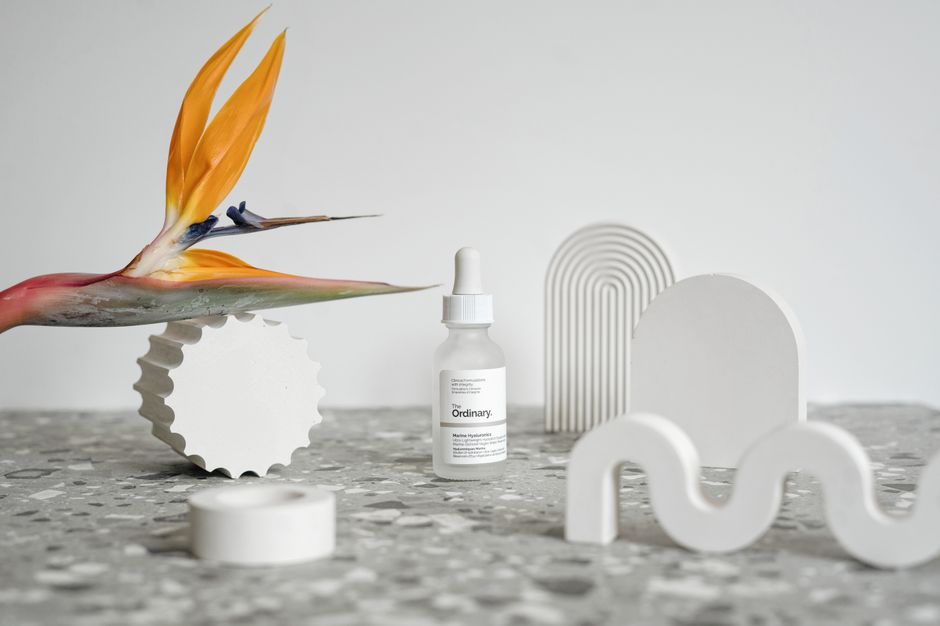
You’ll want a well-formulated HA serum, ideally with multiple molecular weights. For example, brands like The Ordinary or La Roche-Posay offer excellent, accessible HA serums. We’ve seen significant improvements in client hydration metrics at cleanface.shop when they switch to multi-weight HA.
Key takeaway: Use HA for quick, superficial hydration on damp skin, always followed by a moisturizer to lock it in.
When Ceramides Are Your Skin’s Lifeline: 2 Common Mistakes to Avoid
If your skin is chronically dry, rough, red, or easily irritated, if you’re experiencing persistent flakiness or a feeling of vulnerability, then your skin barrier is likely compromised. This is where ceramides become non-negotiable. They’re not just hydrating; they’re repairing. They help your skin help itself.
Common mistake #1: Expecting instant results. Ceramides work to rebuild your skin barrier, which takes time. You won’t see an overnight transformation like you might with HA’s plumping effect. Give it at least 4-6 weeks of consistent use to notice a real difference in barrier strength and reduced sensitivity.
Common mistake #2: Using a ceramide cream with insufficient ratios. Not all ceramide creams are created equal. Look for formulations that include ceramides, cholesterol, and fatty acids in a roughly 3:1:1 ratio. This combination mimics the natural lipid composition of your skin barrier and is proven to be most effective. Cerave and Skinfix are examples of brands that often get this right.
If you want to dive deeper into how to choose a truly effective cleanser that won’t strip your skin, which is crucial for maintaining a healthy barrier, you can learn more here.
Related guide: How to Choose the Right Toner for Acne-Prone
Key takeaway: Ceramides are crucial for repairing a compromised skin barrier, requiring consistent use and proper formulation for visible, long-term results.
The Ultimate Strategy: Combining Hyaluronic Acid and Ceramides
Here’s the secret sauce: for most people with dehydrated skin, especially in 2026’s increasingly harsh environmental conditions, the best approach isn’t choosing one over the other. It’s about using both.
Before: Your skin is tight, dull, maybe a bit red. You apply a cream, and it feels okay for an hour, but then the tightness returns. Your skin barrier is like a leaky bucket, and you’re just pouring water into it without fixing the holes.
After: You use HA to quickly draw water into the skin, plumping it up. Then, you follow with a ceramide-rich moisturizer to patch up the “leaks” in your skin barrier, locking that hydration in and protecting it from future loss. Your skin feels comfortable all day, looks plump, and is less reactive.
This two-pronged approach tackles both the immediate symptom (lack of water) and the underlying cause (compromised barrier).
How to Layer Them for Maximum Impact
The order matters. I typically recommend:
1. Cleanse: Gently cleanse your face. If you’re struggling with acne and blackheads, understanding how to choose the right salicylic acid cleanser is key, and you can learn more.
2. Dampen: Lightly mist your face with water or a hydrating toner.
3. HA Serum: Apply a few drops of your hyaluronic acid serum to the damp skin.
4. Ceramide Moisturizer: Follow immediately with a ceramide-rich moisturizer to seal everything in.
This layering ensures HA has ample water to bind to, and the ceramides then act as the final, protective, barrier-reinforcing layer. It’s a powerhouse combination.
Key takeaway: Combining HA and Ceramides offers both immediate hydration and long-term barrier repair, making it the most effective strategy for persistent dehydration.
Who This Approach Is NOT For
While beneficial for most, this intensive hydration strategy might not be necessary for everyone. If you have consistently oily skin that never feels tight or dehydrated, and you live in a humid environment, you might find a lightweight HA serum sufficient on its own, or even just a very light, gel-based moisturizer. Adding a heavy ceramide cream might feel too occlusive or even contribute to breakouts if your skin barrier is already robust and you’re not prone to dryness. For options tailored to oily and combination skin, you can learn more.
You might be thinking, “But what if my skin is both oily and dehydrated?” That’s a common scenario! In that case, you’d still benefit from this approach, but you’d choose lighter gel-based HA serums and ceramide moisturizers that are labeled non-comedogenic and specifically formulated for oily skin types. It’s all about finding the right texture for your skin’s needs.
Key takeaway: This dual-ingredient strategy is less critical for individuals with naturally robust, oily skin in humid climates who don’t experience dehydration.
What Nobody Tells You About Hydration: The Environmental Factor
Here’s a piece of advice often overlooked: your environment plays a massive role in how effective your hydrators will be. In 2026, with climate shifts leading to more extreme weather patterns, this is more critical than ever. If you live in a high-humidity environment, HA will draw moisture from the air beautifully. But in a very dry climate (like desert regions), HA can be less effective on its own and might even pull moisture out of your skin. This is where the occlusive power of ceramides or a richer moisturizer becomes absolutely vital to prevent reverse osmosis.
Similarly, indoor environments with central heating or air conditioning can be incredibly dehydrating. This is why your skin can feel parched even when it’s not particularly cold or sunny outside. I’ve personally found that I need to double down on ceramides during winter months when my indoor heating is blasting. It’s not just about the product; it’s about context.
Key takeaway: Your local climate and indoor environment heavily influence how well HA and Ceramides perform; adjust your routine accordingly.
Your Personal Action Plan for Hydrated Skin
Ready to get your skin feeling plump and resilient? Here’s a quick checklist to guide you:
- [ ] Assess your skin: Is it truly dehydrated (lacks water, feels tight, dull) or dry (lacks oil, flaky, rough)?
- [ ] Start with HA: If your dehydration is occasional or you have oily skin, begin with a multi-molecular weight HA serum applied to damp skin.
- [ ] Add Ceramides: If your skin is persistently dry, sensitive, or irritated, integrate a ceramide-rich moisturizer, especially one with a
Further reading