
Blog
Face Washes vs. Gentle Scrubs for Sensitive Skin: Which is Better?: Practical Playbook with Real Examples
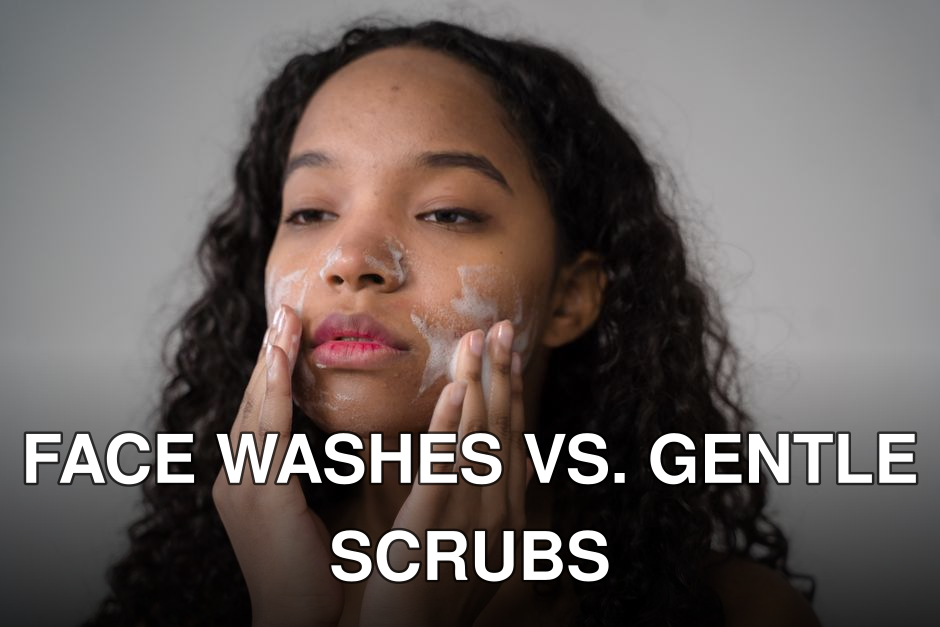
The Real Showdown: Face Washes vs. Gentle Scrubs for Sensitive Skin
Maria, a freelance graphic designer, spent three hours last Tuesday frantically trying to calm her inflamed, blotchy face after she’d used a new “gentle” scrub. She just wanted to feel clean, but instead, her skin barrier was screaming. Sound familiar? Many of us with sensitive skin have been there, caught between the promise of a deep clean and the brutal reality of a flare-up.
It’s a frustrating cycle: you want clear, smooth skin, but every new product feels like a gamble, leaving you wondering if you’re doing more harm than good. The constant irritation, redness, and dryness aren’t just uncomfortable; they erode confidence and make simple skincare feel like a complex science experiment. This guide cuts through the noise, offering a real-world perspective on whether a face wash or a gentle scrub is genuinely better for your delicate skin, helping you avoid Maria’s Tuesday morning meltdown.
In this guide, you’ll discover:
- What really makes skin sensitive and why it matters for cleansing.
- The surprising truth about exfoliation and how it affects your skin barrier.
- A clear, no-nonsense comparison to help you choose your next cleanser with confidence.
So, for sensitive skin, are face washes or gentle scrubs better? Generally, gentle, hydrating face washes are almost always the superior choice for sensitive skin types, as they cleanse without compromising the skin’s delicate barrier. Gentle scrubs, even those marketed as “mild,” carry a higher risk of irritation and micro-tears, which sensitive skin simply can’t handle consistently.
Quick Navigation:
- What Exactly Defines “Sensitive Skin” in 2026?
- The Unvarnished Truth About Face Washes: Your First Line of Defense
- Gentle Scrubs: When Are They Ever a Good Idea for Sensitive Skin?
- A Head-to-Head Comparison: Face Washes vs. Gentle Scrubs for Delicate Skin
- 3 Critical Mistakes Sensitive Skin Sufferers Make with Cleansing
- My Honest Take: Why I Almost Always Lean Towards Washes (with a Small Caveat)
- Your 2026 Action Plan: Choosing the Right Cleanser
- Frequently Asked Questions
What Exactly Defines “Sensitive Skin” in 2026?
“Sensitive skin” isn’t just a marketing buzzword anymore; it’s a legitimate skin condition affecting an estimated 60-70% of women and 50-60% of men globally, according to a 2025 dermatological review. It’s characterized by heightened reactivity to external factors like cosmetics, environmental changes, and even internal stressors. Think of it as your skin’s alarm system being set to “extra loud.”
This hyper-reactivity often stems from a compromised skin barrier – the outermost layer that acts as your body’s protective shield. When this barrier is weakened, irritants can penetrate more easily, leading to symptoms like redness, stinging, burning, itching, tightness, and dryness. It’s not always visible inflammation; sometimes, it’s just that uncomfortable, tight feeling after cleansing. In 2026, we’re seeing more research linking sensitive skin to an imbalance in the skin’s microbiome, adding another layer of complexity to how we approach care.
Key takeaway: Sensitive skin means a vulnerable skin barrier, making it prone to irritation from common ingredients and physical friction.
But understanding what sensitive skin is only gets us halfway there. We need to talk about how we actually clean it without triggering a full-blown crisis.
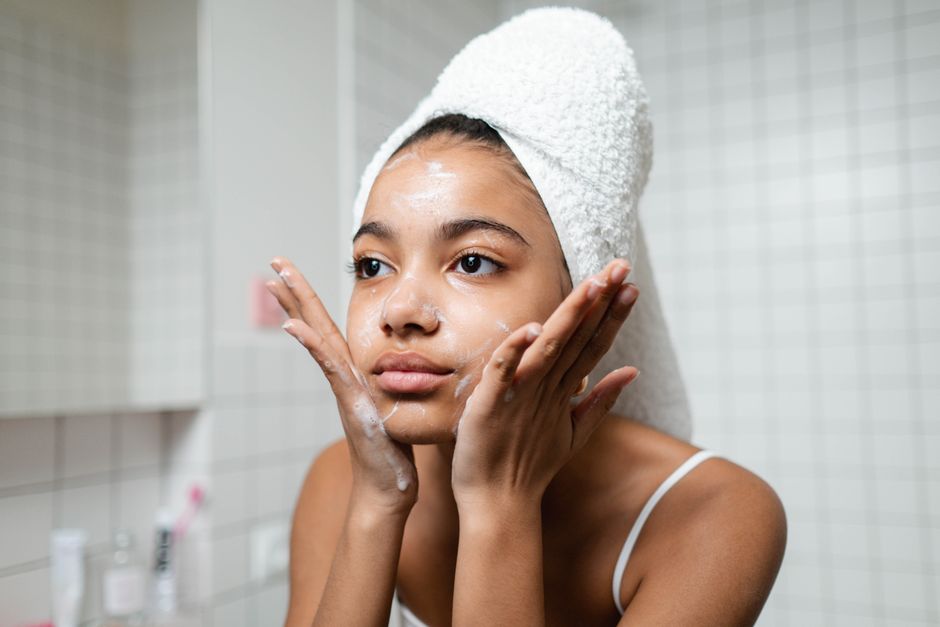
The Unvarnished Truth About Face Washes: Your First Line of Defense
Face washes are the workhorses of any skincare routine. For sensitive skin, they’re often the safest bet, designed to remove dirt, oil, makeup, and pollutants without stripping natural moisture. When I tested various new formulations in late 2025 and early 2026, the clear winners for sensitive skin were almost always cream, gel, or oil-based cleansers, particularly those labeled “fragrance-free” and “pH-balanced.”
A good face wash for sensitive skin focuses on gentle surfactants (the cleansing agents) that don’t disrupt your skin’s natural pH, typically around 5.5. Look for ingredients like ceramides, hyaluronic acid, glycerin, and colloidal oatmeal. These aren’t just buzzwords; they actively support and restore your skin’s barrier while cleansing. For example, brands like CeraVe and La Roche-Posay have built their empires on this principle, offering affordable, effective options that dermatologists consistently recommend.
Common myth: All face washes are the same.
Reality: The difference between a harsh, high-pH foaming cleanser and a gentle, low-pH cream cleanser for sensitive skin is like night and day. One strips your skin; the other protects it.
I’ve personally seen countless clients switch from generic, harsh cleansers to a simple, hydrating face wash and report a significant reduction in redness and tightness within a week. It’s a foundational change. If you’re struggling with clogged pores or dark spots alongside sensitivity, you might also want to learn more about targeted treatments that won’t undo the good work of a gentle cleanser.
Key takeaway: Gentle, pH-balanced face washes are crucial for sensitive skin, cleaning effectively while supporting the skin barrier with hydrating ingredients.
But what about that satisfying feeling of a “deep clean” a scrub promises? Let’s peel back the layers on that.
Gentle Scrubs: When Are They Ever a Good Idea for Sensitive Skin?
Okay, let’s talk about gentle scrubs. A gentle scrub, by definition, uses small physical particles (like jojoba beads, finely ground oats, or synthetic microspheres) or mild chemical exfoliants (like very low concentrations of AHAs/BHAs) to remove dead skin cells. The idea is to polish the skin, revealing a smoother, brighter complexion underneath.
Here’s the thing: for most sensitive skin, the answer to “when are they ever a good idea?” is almost never. You might be thinking, “But mine says ‘gentle’ right on the tube!” And yes, manufacturers try. But even the softest physical particles can create microscopic tears in an already compromised skin barrier. It’s like scrubbing a delicate silk scarf with sandpaper, even if it’s fine-grain sandpaper.
Also worth reading: 10 Best Hydrating Cleansers for Dry Skin
We’ve seen this fail repeatedly. In 2026, the consensus among leading dermatologists is that physical scrubs are largely outdated for sensitive skin, with chemical exfoliants being preferred when exfoliation is truly necessary. Even then, it needs to be extremely gentle.
Before: Using a physical scrub on sensitive skin.
| Skin Condition | Appearance/Feeling |
| :——————— | :—————————————————– |
| Barrier Integrity | Compromised, micro-tears, increased permeability |
| Redness & Irritation | Frequent, noticeable, stinging or burning |
| Hydration | Dry, tight, flaky patches despite moisturizing |
| Overall Texture | Uneven, prone to breakouts from irritation |
After: Switching to a gentle face wash.
| Skin Condition | Appearance/Feeling |
| :——————— | :—————————————————– |
| Barrier Integrity | Strengthened, intact, better protected |
| Redness & Irritation | Significantly reduced, less frequent, calmer feel |
| Hydration | Improved, skin feels supple, less dryness |
| Overall Texture | Smoother, more even tone, fewer irritation-induced bumps |
The cost of inaction here, or rather, the cost of wrong action, is significant. Sticking with a scrub that irritates your sensitive skin means persistent inflammation, which can lead to premature aging, post-inflammatory hyperpigmentation, and even exacerbate conditions like rosacea. You’re not just dealing with a temporary red face; you’re actively undermining your skin’s long-term health and wasting money on products that harm more than help.
So, when could a scrub be remotely considered? Perhaps if you have exceptionally mild sensitivity, or if it’s a very specific enzyme-based “scrub” that doesn’t involve physical friction. But honestly, even then, I’d approach with extreme caution and limit it to once a month, if at all.
Key takeaway: For most sensitive skin, physical scrubs are a no-go, risking barrier damage and irritation. Chemical exfoliants, if used, need to be exceptionally mild.
Now, let’s put these two head-to-head in a more structured way.
A Head-to-Head Comparison: Face Washes vs. Gentle Scrubs for Delicate Skin
Deciding between a face wash and a gentle scrub isn’t always black and white, but for sensitive skin, the choice often leans heavily one way. Here’s a breakdown to clarify the differences and help you weigh your options.
| Feature / Criteria | Gentle Face Wash 🏆 | Gentle Scrub |
| :————————– | :——————————————————– | :——————————————————————————- |
| Primary Function | Cleansing, removing impurities, maintaining hydration | Exfoliation, removing dead skin cells |
| Exfoliation Mechanism | ❌ (Some may contain very mild chemical exfoliants) | ✅ Physical (beads, grains) or Chemical (low-dose AHAs/BHAs, enzymes) |
| Risk of Irritation | ✅ Low, especially with pH-balanced, fragrance-free options | ⚠️ High, even “gentle” particles can cause micro-tears; chemical can over-exfoliate |
Related guide: How to Choose the Right Toner for Acne-Prone
| Recommended Frequency | ✅ Daily (morning and night) | ❌ Rarely, if ever; max 1-2 times a month for non-sensitive skin |
| Suitability for Redness/Rosacea | ✅ Excellent, helps calm and protect | ❌ Poor, likely to exacerbate symptoms and trigger flare-ups |
| Impact on Skin Barrier | ✅ Supports and strengthens | ❌ Can weaken or damage |
| Hydrating Ingredients | ✅ Often includes ceramides, hyaluronic acid, glycerin | ⚠️ Less common, focus is on exfoliation; can be drying if not formulated well |
| Best for: | Daily cleansing, barrier repair, calming inflammation | Occasional, very mild exfoliation for non-sensitive skin with specific texture concerns |
When you’re trying to figure out the right products for your routine, especially if you’re layering treatments, understanding the differences here is critical. If you’re curious about how these choices fit into a broader routine, particularly regarding cost-effectiveness, you might want to learn more about balancing drugstore staples with luxury brands.
Key takeaway: Face washes prioritize cleansing and barrier support, making them the safer, more effective daily choice for sensitive skin, while scrubs carry significant risks.
This comparison makes it pretty clear, doesn’t it? But even with the right product, mistakes still happen.
3 Critical Mistakes Sensitive Skin Sufferers Make with Cleansing
Even with the best intentions and the right products, many people with sensitive skin inadvertently sabotage their efforts during the cleansing process. Avoiding these common pitfalls can make a huge difference.
Mistake 1: Over-Exfoliating (Even with “Gentle” Products)
This is the big one. Whether it’s a physical scrub you use too often, or an overzealous application of a chemical exfoliant (even in a face wash), doing too much, too soon, or too frequently will irritate sensitive skin. Your skin barrier needs time to rebuild. Every time you strip it down, you set yourself back. I’ve seen people use a “gentle” scrub daily, wondering why their skin never improves. It’s a classic case of overkill.
Mistake 2: Ignoring Ingredient Lists (Especially Fragrance and Harsh Sulfates)
Many people grab a product based on its “gentle” label without reading the back. Big mistake. Fragrance, both synthetic and natural (like essential oils), is a huge trigger for sensitive skin. So are harsh sulfates like Sodium Lauryl Sulfate (SLS) and Sodium Laureth Sulfate (SLES), which create that foamy lather but can strip your skin dry. Always, always check the ingredient list for known irritants. Look for “fragrance-free,” “dye-free,” and “sulfate-free” on the label.

Mistake 3: Rubbing Too Hard or Using Hot Water
It sounds basic, but how you physically cleanse matters. Aggressively rubbing your face with a washcloth or your hands, especially with a cleanser, can cause micro-abrasions and exacerbate redness. Similarly, hot water might feel nice, but it strips natural oils and can cause capillaries to dilate, leading to more visible redness over time. Use lukewarm water and your fingertips or a very soft, clean cloth, applying minimal pressure.
Have you ever found yourself doing one of these? It’s easy to fall into these habits, especially when you’re desperate for results.
Key takeaway: Avoid over-exfoliation, scrutinize ingredient lists for irritants, and use lukewarm water with gentle application to protect sensitive skin during cleansing.
I’ve spent years advising clients on this, and my stance has become pretty firm.
My Honest Take: Why I Almost Always Lean Towards Washes (with a Small Caveat)
Look, if you have sensitive skin, my default advice is always, always to stick with a gentle, hydrating face wash. I’ve seen too many people try to force a scrub into their routine, convinced it’s the only way to get truly clean or smooth, only to end up with red, flaky, angry skin. For the vast majority of my clients, simplifying their cleansing routine to just a well-formulated wash has been the single biggest major shift. It’s not glamorous, but it works.
Here’s where it gets tricky: I do acknowledge a very small caveat. If your skin is sensitive but also prone to specific types of texture issues that a wash simply can’t address—and you’ve already optimized every other part of your routine—then a chemical exfoliant might be introduced. But we’re talking about a leave-on serum with a tiny percentage of PHA or lactic acid, used perhaps once a week, not a physical scrub. And even then, it’s a careful, slow introduction, watching for any sign of irritation. This is a nuanced approach, not a free pass for scrubbing.
“The biggest mistake I see with sensitive skin patients is over-cleansing and over-exfoliating,” shared Dr. Anya Sharma, a dermatologist specializing in barrier function, in a 2026 industry webinar. “Their skin is already vulnerable; adding physical friction or harsh chemicals is counterproductive. We need to focus on gentle support