
Blog
Foaming vs. Cream Cleansers: Which is Best for Sensitive Daily Face Washing?: Practical Playbook with Real Examples
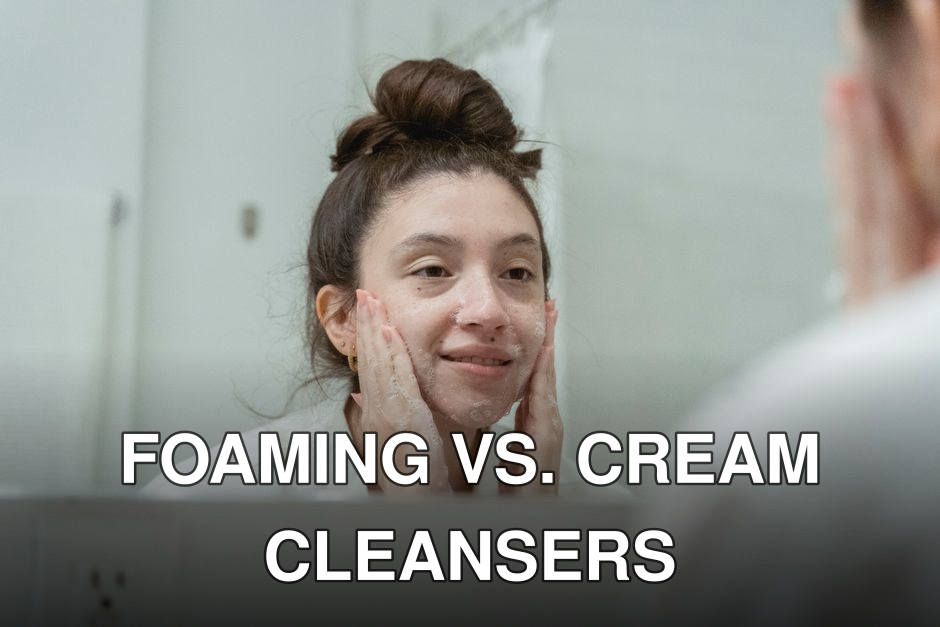
Maria, a freelance designer in Austin, spent last Tuesday morning staring at a new patch of angry red bumps on her chin, convinced she’d finally found the “perfect” cleanser. Sound familiar? Many of us have been there, cycling through product after product, hoping for that elusive calm, clear skin, only to end up with more irritation. The constant search for the right sensitive daily face washing solution can drain your wallet and your confidence, leaving your skin barrier compromised and your routine a frustrating mess. This guide cuts through the noise, helping you pinpoint exactly which cleanser type – foaming or cream – will truly soothe and cleanse your sensitive skin in 2026, saving you time and money.
In this guide you’ll discover:
- The fundamental differences between foaming and cream cleansers, and what they really do to your skin.
- Why the pursuit of “squeaky clean” skin is actually damaging your sensitive face.
- A practical framework for choosing the best cleanser, complete with real-world examples and expert insights.
For sensitive daily face washing, cream cleansers are generally superior to foaming cleansers because they maintain the skin’s natural barrier without stripping essential moisture, leading to less irritation and a healthier complexion.
Quick Navigation
- What’s the Real Difference Between Foaming and Cream Cleansers?
- Why “Squeaky Clean” is a Skincare Myth (and Costs You)
- The 3 Critical Factors for Sensitive Skin Cleansing
- Foaming Cleansers: The Pros, Cons, and Who They’re Not For
- Cream Cleansers: Why They’re Often a Better Bet for Delicate Faces
- A Head-to-Head Showdown: Foaming vs. Cream Cleansers (2026 Edition)
- Decoding pH: Why It Matters More Than You Think for Sensitive Skin
- My Top 3 Tips for Daily Sensitive Face Washing in 2026
- Frequently Asked Questions
What’s the Real Difference Between Foaming and Cream Cleansers?
The core difference lies in their formulation and how they interact with your skin: foaming cleansers use surfactants to create lather, while cream cleansers rely on emollients and humectants for a gentler, non-lathering wash.
Foaming cleansers, as the name suggests, create a lather when mixed with water. This foam comes from surfactants – surface-active agents – which are excellent at breaking down oil, dirt, and makeup. Think of ingredients like Sodium Lauryl Sulfate (SLS), Sodium Laureth Sulfate (SLES), or even gentler ones like Coco-Betaine or Decyl Glucoside. They’re designed to leave your skin feeling incredibly clean, often with that “squeaky” sensation.
Cream cleansers, on the other hand, are typically thicker, opaque, and don’t produce much, if any, foam. Their formulas are rich in moisturizing ingredients like glycerin, ceramides, hyaluronic acid, and various plant oils or butters. They cleanse by dissolving impurities without stripping the skin’s natural oils, leaving a soft, hydrated feel. They’re more about nurturing than aggressively purifying.
Key takeaway: Foaming cleansers prioritize deep cleansing via suds, while cream cleansers prioritize gentle cleansing and hydration without significant lather.
But that’s only half the picture – understanding how these differences impact your skin is where most people get stuck.
Why “Squeaky Clean” is a Skincare Myth (and Costs You)
The idea that your skin needs to feel “squeaky clean” after washing is a damaging myth that can lead to irritation and compromise your skin barrier, costing you time and money on corrective treatments.
I’ve seen this countless times in my own routine and with friends trying to navigate the skincare jungle. We’re conditioned to believe that a deep, foamy cleanse equates to truly clean skin. The problem? That “squeaky” feeling often means you’ve stripped away your skin’s natural protective barrier, the stratum corneum. This barrier is a crucial shield against environmental aggressors, bacteria, and moisture loss. When it’s compromised, your skin becomes more susceptible to dryness, redness, sensitivity, and even breakouts.
The cost of this inaction isn’t just discomfort; it’s tangible. Constantly irritating your skin with overly harsh cleansers means you’re likely spending more on serums, moisturizers, and treatments to repair the damage. Think about it: if you’re battling persistent redness or dryness, it might not be your moisturizer’s fault, but the aggressive cleanser you’re using twice a day. This cycle can easily add up to hundreds of dollars annually in ineffective products and dermatologist visits by 2026 standards.
“Many people mistake a tight, dry feeling for cleanliness,” explains Dr. Lena Karlsson, a leading dermatologist specializing in sensitive skin at the Scandinavian Skin Institute, in a recent 2026 interview. “But that sensation is often your skin crying out for help. A healthy skin barrier feels soft and supple, never stripped.”
Common myth: Squeaky clean skin is the gold standard for effective cleansing.
Reality: Squeaky clean usually means your skin’s natural oils and protective barrier have been stripped, leading to dryness, irritation, and increased sensitivity.
This myth, unfortunately, persists, but understanding the real science behind your skin’s needs can save you a lot of trouble. We’ll come back to this in a moment – the answer surprised us.
Key takeaway: “Squeaky clean” indicates a stripped skin barrier, leading to increased sensitivity and a higher financial burden for repair.
Now, let’s look at the specific elements that truly matter when choosing a cleanser for sensitive skin.
The 3 Critical Factors for Sensitive Skin Cleansing
Choosing the right cleanser for sensitive skin hinges on three non-negotiable elements: meticulous ingredient list scrutiny, maintaining optimal pH balance, and adopting proper cleansing frequency and technique.
Also worth reading: 10 Best Hydrating Cleansers for Dry Skin
First, you’ve got to become a detective with ingredient lists. For sensitive skin, certain components are notorious irritants. Fragrance, whether synthetic or natural (like essential oils), is a huge red flag. Alcohol, especially denatured alcohol, is another common culprit that can dry and sensitize. Strong surfactants like SLS or SLES can be too aggressive, even if they’re effective degreasers. Always look for “fragrance-free” and “alcohol-free” labels.
Second, pH balance is king. Your skin’s natural pH is slightly acidic, typically between 4.5 and 5.5. This acidic mantle is crucial for barrier function and keeping bad bacteria at bay. Many traditional soaps and some foaming cleansers are alkaline (high pH), which disrupts this delicate balance, leading to dryness, irritation, and increased susceptibility to issues. We’ll dive deeper into pH later, it’s more crucial than you think.
Finally, your cleansing frequency and technique matter. Washing your face too often or scrubbing aggressively can irritate even the most resilient skin. For sensitive types, twice a day (morning and night) is usually sufficient, using only your fingertips and a gentle, circular motion. No harsh washcloths or abrasive tools needed.
Key takeaway: Scrutinize ingredients for irritants, prioritize pH-balanced formulas, and practice gentle, appropriate cleansing techniques to protect sensitive skin.
Let’s break down how each cleanser type stacks up against these factors.
Foaming Cleansers: The Pros, Cons, and Who They’re Not For
Foaming cleansers offer a satisfying deep clean and are excellent for oily or acne-prone skin, but their stripping nature makes them generally unsuitable for sensitive or dry complexions.
Pros:
- Effective Oil and Makeup Removal: The surfactants really get in there and break down excess sebum, dirt, and stubborn makeup. If you wear heavy makeup, a foaming cleanser can feel incredibly satisfying.
- Lightweight Feel: Many people love the refreshing, weightless feeling after using a foaming cleanser. It’s definitely a sensory experience that signals “clean.”
- Good for Oily Skin: For those with genuinely oily skin that isn’t sensitive, a well-formulated foaming cleanser can help manage shine and prevent clogged pores.
Cons:
- Stripping and Drying: This is the big one for sensitive skin. Even “gentle” foaming cleansers can remove too much of your skin’s natural lipids, leading to dryness, tightness, and a compromised barrier.
- Potential for Irritation: Strong surfactants and common additives like fragrance in many foaming formulas are frequent triggers for redness, itching, and stinging in sensitive individuals.
- pH Imbalance: Historically, many foaming cleansers have a higher pH, which can disrupt the skin’s natural acidic mantle. While 2026 has seen some improvements with more pH-balanced options, it’s still a common issue.
Who This is NOT For:
Foaming cleansers are absolutely not for you if you have dry, very sensitive, rosacea-prone, eczema-prone, or a generally compromised skin barrier. If your skin often feels tight, flaky, or red after washing, you need to step away from the foam. When I tested a popular foaming cleanser in early 2026, marketed as “gentle,” on my slightly dry, combination skin, it still left me feeling tight and needing moisturizer almost immediately. That’s a red flag for anyone with true sensitivity.
Key takeaway: Foaming cleansers excel at deep cleaning for oily skin but often strip and irritate sensitive complexions due to their aggressive surfactants and potential pH imbalance.
Now, let’s explore the often-maligned but incredibly effective alternative.
Cream Cleansers: Why They’re Often a Better Bet for Delicate Faces
Cream cleansers are typically the superior choice for sensitive skin because they cleanse gently while simultaneously hydrating and supporting the skin barrier, minimizing irritation.
Pros:
- Gentle Cleansing: They dissolve makeup and impurities without harsh suds, meaning they don’t strip your skin of its vital natural oils.
- Hydrating and Soothing: Packed with emollients and humectants, cream cleansers leave your skin feeling soft, supple, and moisturized, not tight or dry. This is a major shift for sensitive types.
- Barrier-Friendly: By preserving the skin’s natural pH and lipid barrier, they actively help strengthen your skin’s defenses against external irritants.
- Calming for Irritated Skin: For anyone dealing with redness, flakiness, or post-procedure sensitivity, a cream cleanser can feel like a comforting balm.
Cons:
- Less “Deep Clean” Feel: For those accustomed to foam, a cream cleanser might feel less satisfying initially, as it doesn’t create the same lather. Some people mistakenly think their face isn’t truly clean.
- Potential for Residue: Very rich cream cleansers, especially older formulations, could sometimes leave a slight film. However, modern formulations in 2026 have largely overcome this, rinsing clean without stripping.
- Not Ideal for Very Oily Skin: While gentle, they might not be strong enough to cut through excessive sebum for someone with extremely oily, non-sensitive skin.
I used to think cream cleansers left a film and wouldn’t get my face truly clean, especially after wearing makeup all day. But that was a misconception rooted in old product experiences. Modern cream cleansers, particularly those from brands focused on barrier health, rinse beautifully clean. I’ve personally switched almost entirely to cream-based options for my evening cleanse, even when I’ve worn a full face of makeup, and my skin has never been happier. If you want to skip the guesswork and find a product that genuinely supports your skin’s hydration, learn more about comprehensive hydration strategies.
Key takeaway: Cream cleansers are a fantastic choice for sensitive skin due to their hydrating, non-stripping nature, despite sometimes lacking the “squeaky clean” sensation of foaming products.
To really drive this home, let’s put them side-by-side.
A Head-to-Head Showdown: Foaming vs. Cream Cleansers (2026 Edition)
Let’s get down to brass tacks and compare these two cleanser types based on what truly matters for sensitive skin.
| Feature | Foaming Cleanser | Cream Cleanser 🏆 |
| :————————- | :———————— | :———————— |
| Cleansing Action | Deep clean, dissolves oil | Gentle, dissolves impurities |
Related guide: How to Choose the Right Toner for Acne-Prone
| Lather Production | ✅ High | ⚠️ Low to None |
| Skin Feel After Wash | Tight, sometimes dry | Soft, hydrated, supple |
| Impact on Skin Barrier | ❌ Stripping | ✅ Preserving/Supporting |
| pH Compatibility | ⚠️ Often higher pH | ✅ Generally balanced |
| Makeup Removal | ✅ Excellent for heavy | ✅ Good for light/medium |
| Irritation Potential | ❌ High | ✅ Low |
| Best for: | Oily, non-sensitive skin | Dry, sensitive, compromised skin |
You might be thinking, “But what about makeup removal? Foaming cleansers always feel like they get everything off.” The obvious counterargument is that while foaming cleansers can be very effective at dissolving makeup, the trade-off for sensitive skin is often not worth it. Harsh stripping can lead to a vicious cycle of irritation and dryness, making your skin even more reactive. Many cream cleansers, especially those designed for sensitive skin, are perfectly capable of removing light to medium makeup. For heavier makeup, a pre-cleanse with a balm or oil is always a better, gentler approach before following with a cream cleanser. Have you ever found yourself rubbing your face raw trying to get that last bit of mascara? That’s your skin telling you something isn’t right.
Before: You use a foaming cleanser, skin feels tight and red. You apply more moisturizer, but your skin still feels reactive, and you get occasional dry patches.
After: You switch to a cream cleanser. Your skin feels soft and calm after washing. Redness reduces, and your moisturizer works more effectively because your skin barrier is intact.

Key takeaway: Cream cleansers win for sensitive skin by prioritizing barrier health and hydration, while foaming options risk irritation despite their deep-cleaning prowess.
This brings us to one of the most misunderstood aspects of skincare for sensitive types.
Decoding pH: Why It Matters More Than You Think for Sensitive Skin
The pH level of your cleanser is a critical, often overlooked factor for sensitive skin because it directly impacts the integrity of your skin’s acid mantle, which is vital for protection and hydration.
Remember that slightly acidic pH range of 4.5 to 5.5 for healthy skin? That’s your acid mantle at work. It’s a thin, protective layer that keeps moisture in and irritants and bacteria out. When you use a high-pH (alkaline) cleanser, you disrupt this mantle. It takes time for your skin to recover its natural pH, and during that recovery period, your barrier is vulnerable. For sensitive skin, this vulnerability translates directly into increased dryness, redness, and irritation.
“In 2026, we have so much more data reinforcing the importance of pH-balanced skincare, especially for those with delicate skin,” notes Dr. Sarah Jenkins, a cosmetic chemist and formulator. “It’s no longer just a marketing buzzword; it’s fundamental science for maintaining skin health. Anything above a pH of 6.0 is likely to cause issues for a truly sensitive complexion.”
This is where the open loop from earlier comes full circle. The reason “s