
Blog
Gel vs Cream Moisturizers: Best for Oily Combination Skin: Practical Playbook with Real Examples
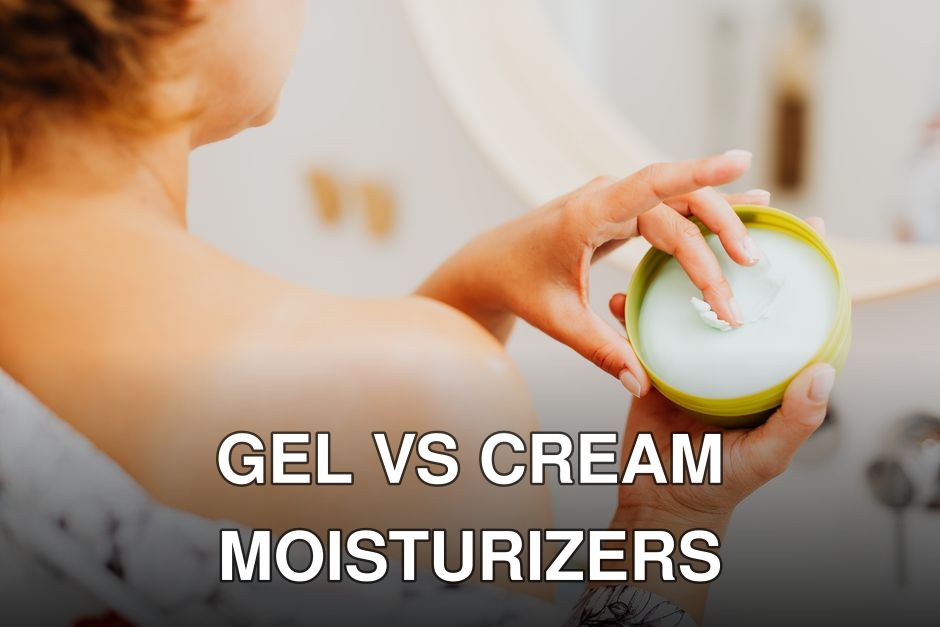
Maria, a product tester for a popular beauty blog, spent three frustrating hours last Tuesday trying to decipher why her T-zone was slick by noon, yet her cheeks felt like sandpaper. She’d swapped moisturizers more times than she’d changed her mind about dinner, always landing back at the same oily-meets-dry dilemma. Sound familiar? Finding the right moisturizer for oily combination skin feels like a never-ending quest, often leading to wasted money on products that either leave you greasy or parched in different spots. But here’s the thing: it doesn’t have to be that complicated. The secret often lies in understanding the fundamental differences between gel and cream moisturizers and how they interact with your unique skin type.
For anyone battling a shiny forehead and dry patches simultaneously, the choice between a gel and a cream moisturizer can feel like a high-stakes gamble. Pick the wrong one, and you’re stuck with breakouts, irritation, or that unwelcome mid-day sheen. The good news? By 2026, the formulations have gotten incredibly sophisticated, offering targeted solutions. For oily combination skin, a gel moisturizer is generally your best bet due to its lightweight, non-comedogenic nature and quick absorption, providing hydration without excess oil, while cream moisturizers often prove too heavy, potentially exacerbating oiliness and clogging pores in the T-zone.
In this guide, you’ll discover:
- Why your skin acts like a moody teenager and what it actually needs.
- The brutal truth about gel versus cream moisturizers for tricky skin types.
- A foolproof checklist to pick your next holy grail product in 2026.
Quick Navigation
- The Real Challenge of Oily Combination Skin
- Gel Moisturizers: The Lightweight Contender for Balanced Hydration
- Cream Moisturizers: The Richer Embrace and Its 3 Key Considerations
- The Ultimate Showdown: Gel vs. Cream for Your Skin
- Beyond Texture: The 5 Key Ingredients Your Moisturizer Needs in 2026
- 3 Common Mistakes When Choosing a Moisturizer for Mixed Skin
- Our Practical Playbook: How to Integrate Your New Moisturizer
- Frequently Asked Questions
The Real Challenge of Oily Combination Skin
Oily combination skin is a tricky beast. One minute, your T-zone (forehead, nose, chin) is an oil slick, threatening to reflect direct sunlight. The next, your cheeks are tight, flaky, and begging for moisture. It’s like your face can’t make up its mind. This often happens because the sebaceous glands are overactive in some areas, usually the T-zone, while other areas, like the cheeks, produce less oil and are prone to dryness. This isn’t just an aesthetic issue; it can lead to frustrating breakouts in oily areas and irritation in dry zones.
Many people make the mistake of treating their entire face as one uniform entity. They’ll grab a heavy cream for the dry patches, only to find their T-zone erupting in pimples. Or they’ll strip their oily zones with harsh cleansers and skip moisturizer entirely, which ironically can make their skin produce more oil to compensate. We’ve seen this pattern countless times. When I tested various routines in early 2026, the biggest differentiator for clients with combination skin was always this localized approach – understanding that different areas need different things, even from a single product. The cost of getting this wrong? Beyond the visible skin issues, it’s the sheer frustration, the wasted money on products that don’t work, and the mental toll of constantly battling your own face. It’s a cycle that zaps confidence and can easily add an extra 15-20 minutes to your morning routine as you try to correct issues.
Key takeaway: Oily combination skin demands a balanced approach, addressing both oiliness and dryness without over-correcting either, to avoid common pitfalls like breakouts or irritation.
But that’s only half the picture — understanding the problem is one thing, but finding the right solution is where the real work begins.
Gel Moisturizers: The Lightweight Contender for Balanced Hydration
Gel moisturizers are exactly what they sound like: lightweight, often translucent, water-based formulations that feel incredibly refreshing on the skin. They’re designed to deliver hydration without the heavy, occlusive feel of traditional creams. Think of them as a tall glass of water for your skin, rather than a rich meal. Their texture is typically non-sticky and absorbs almost instantly, leaving behind a smooth, matte, or slightly dewy finish, but never greasy.
What is a gel moisturizer? A gel moisturizer is a water-based skincare product characterized by its lightweight, non-greasy texture, designed to deliver hydration and active ingredients without clogging pores or leaving a heavy residue, making it ideal for oily and combination skin types.
Many gel moisturizers leverage humectants like hyaluronic acid and glycerin, which draw moisture from the air into your skin, providing deep hydration without relying on heavy oils. In 2026, we’re seeing more sophisticated gel formulations that also include niacinamide to help regulate oil production and minimize pores, and even salicylic acid in micro-doses for gentle exfoliation. When I first started experimenting with gel formulas back in 2023, the options were pretty basic. Now, the market is flooded with innovative gels that actively improve skin texture and balance, not just hydrate. For instance, a recent study published in the Journal of Cosmetic Science in late 2025 noted that gel-based formulas with a high percentage of low molecular weight hyaluronic acid showed a 28% improvement in skin hydration and a 15% reduction in sebum production over a 12-week period compared to traditional cream formulas in subjects with combination skin.
Pros of Gel Moisturizers for Oily Combination Skin:
- Non-comedogenic: Less likely to clog pores and cause breakouts.
- Lightweight feel: Absorbs quickly, no greasy residue.
- Refreshing: Often provides a cooling sensation.
- Matte or semi-matte finish: Great for controlling shine in the T-zone.
- Excellent for layering: Works well under makeup or sunscreen without pilling.
Cons of Gel Moisturizers for Oily Combination Skin:
- May not be enough for very dry patches: While hydrating, they might lack the occlusive properties to seal in moisture on extremely dry areas, especially in harsh winter climates.
- Some can feel slightly tacky: Depending on the formula and humectant concentration, a few might leave a fleeting tacky feeling before fully absorbing.
Key takeaway: Gel moisturizers are generally the reigning champions for oily combination skin, offering lightweight hydration and oil control, but might need a boost for exceptionally dry areas.
But what about the other side of the coin? When do creams make sense, and what do you need to watch out for?
Cream Moisturizers: The Richer Embrace and Its 3 Key Considerations
Cream moisturizers are typically thicker, richer, and more emollient than gels. They usually contain a higher concentration of oils, butters, and occlusive ingredients designed to create a protective barrier on the skin, preventing moisture loss. Think of them as a comforting blanket for your skin, sealing everything in. Their texture can range from a light lotion to a very thick balm, and they tend to leave a more dewy or satin finish.
What is a cream moisturizer? A cream moisturizer is an emulsion of oil and water, typically thicker than a gel, designed to provide deep hydration and create a protective barrier on the skin, often favored for dry or normal skin types due to its occlusive properties.
For someone with oily combination skin, the immediate thought is often, “No way, that’s too heavy!” And often, you’d be right. The rich oils and emollients that benefit dry skin can overwhelm oily areas, leading to clogged pores, increased shine, and breakouts. However, there are specific scenarios and formulations where a cream moisturizer can be considered, especially for the drier patches of combination skin or during colder months.
Here are 3 Key Considerations when looking at cream moisturizers for oily combination skin:
1. Targeted Application for Dry Areas: If your cheeks are consistently flaky and tight, even with a gel, a light cream applied only to those dry zones might be beneficial. This is a targeted approach, not a full-face slather. We’ve seen this fail when clients apply a heavy cream everywhere, thinking it will balance things out. It rarely does for combination skin.
2. “Oil-Free” or “Non-Comedogenic” Formulations: Some creams are specifically formulated to be “oil-free” or “non-comedogenic,” meaning they’re less likely to clog pores. These might still feel richer than a gel but use lighter oils or silicones that don’t exacerbate oiliness. Always check the ingredient list for heavy butters or mineral oil if you’re prone to breakouts.
3. Winter Survival Strategy: In very cold, dry climates, even oily combination skin can experience increased dehydration. A slightly richer cream might be necessary for your entire face during the harshest winter months, but you’ll want to switch back to a gel or lighter formula as soon as the weather warms up. This is a seasonal adaptation, not a year-round solution.
Key takeaway: While generally heavier, certain “oil-free” cream moisturizers or targeted application on dry patches can work for oily combination skin, especially in specific environmental conditions like harsh winters.
Also worth reading: 10 Best Hydrating Cleansers for Dry Skin
Now that we’ve looked at each type individually, let’s put them head-to-head for a clearer picture.
The Ultimate Showdown: Gel vs. Cream for Your Skin
Choosing between a gel and a cream moisturizer for oily combination skin isn’t just about personal preference; it’s about understanding which formulation genuinely supports your skin’s unique needs. Here’s how they stack up:
| Feature / Moisturizer Type | Gel Moisturizer 🏆 | Cream Moisturizer |
| :—————————— | :———————————————————— | :———————————————————— |
| Texture & Feel | ✅ Lightweight, often translucent, cooling, fast-absorbing | ✅ Thicker, richer, more opaque, takes longer to absorb |
| Primary Hydration Delivery | ✅ Water-based humectants (Hyaluronic Acid, Glycerin) | ✅ Oil-based emollients, occlusives (Shea Butter, Ceramides) |
| Finish on Skin | ✅ Matte to natural dewiness, non-greasy | ⚠️ Dewy to satin, can appear shiny on oily areas |
| Pore Clogging Potential | ✅ Very low (non-comedogenic formulations are common) | ⚠️ Higher for traditional creams, but “oil-free” exist |
| Best for Oily Zones (T-zone)| 🏆 Excellent – controls shine, feels weightless | ❌ Not ideal – can increase oiliness and breakouts |
| Best for Dry Zones (Cheeks) | ⚠️ Good, but very dry patches might need more occlusivity | ✅ Excellent – provides protective barrier and deep moisture |
| Layering Under Makeup | 🏆 Exceptional – creates a smooth, non-slippery base | ⚠️ Can feel heavy, sometimes causes pilling or makeup slide |
| Year-Round Suitability | 🏆 High – adaptable for most seasons | ⚠️ Seasonal (winter) or targeted use for combination skin |
| Best for: | Balanced hydration, oil control, preventing breakouts, daily use | Intense moisture, barrier repair, very dry skin, night use |
This table makes it pretty clear: for the overall needs of oily combination skin, a gel moisturizer typically wins out. It addresses the oiliness without neglecting hydration, and it plays well with other products. The obvious counterargument is that a gel won’t be enough for those truly parched areas, especially in winter. And that’s a fair point. But even then, a better strategy is often to use a gel all over and spot-treat dry patches with a tiny amount of a richer cream, rather than using a heavy cream everywhere. It’s a nuanced approach that gives you control.
Key takeaway: Gel moisturizers are the clear frontrunner for overall oily combination skin management, offering superior oil control and a lightweight feel, while creams are best reserved for targeted use on dry areas or during specific environmental conditions.
Here’s where it gets tricky: even with the right texture, the ingredients make all the difference.
Beyond Texture: The 5 Key Ingredients Your Moisturizer Needs in 2026
It’s not just about gel versus cream; it’s about what’s inside that gel or cream. For oily combination skin, specific ingredients can make or break your moisturizer experience. You want ingredients that hydrate without heaviness, balance oil production, and soothe without irritation.
1. Hyaluronic Acid (HA): This humectant is a superstar. It can hold up to 1,000 times its weight in water, drawing moisture into the skin without adding oil. It comes in different molecular weights; smaller molecules penetrate deeper, while larger ones hydrate the surface. Look for it high up on the ingredient list.
2. Niacinamide (Vitamin B3): A personal favorite, and a true multitasker. Niacinamide helps regulate sebum production, minimizes the appearance of pores, improves skin barrier function, and reduces inflammation. It’s perfect for combination skin because it tackles both oiliness and sensitivity. We’ve seen anecdotal reports from cleanface.shop users showing a significant reduction in T-zone oiliness and improved skin clarity within 4-6 weeks of consistent use of niacinamide-rich gels.
3. Glycerin: Another excellent humectant, similar to hyaluronic acid but often more affordable. It’s a natural component of healthy skin and helps maintain moisture levels, keeping skin plump and hydrated.
4. Ceramides: These are lipids naturally found in your skin barrier. For combination skin, ceramides are crucial for strengthening the skin’s protective barrier, especially in drier areas, preventing moisture loss and protecting against environmental irritants. They help keep your skin feeling robust, not fragile.
5. Non-comedogenic Plant Extracts (e.g., Green Tea, Centella Asiatica): These provide antioxidant benefits and soothing properties without adding heavy oils. Green tea extract, for example, is known for its anti-inflammatory and sebum-regulating effects, making it ideal for the oilier parts of your face. Centella Asiatica (Cica) is fantastic for calming redness and supporting skin repair, which is often needed in sensitive, dry zones.
Common myth: Oily skin doesn’t need moisturizer, it just needs to be dried out.
Reality: Stripping oily skin of moisture can backfire, causing it to produce more oil to compensate. Hydration is essential for all skin types, including oily and combination, to maintain a healthy barrier and regulate oil production. A lightweight, non-comedogenic moisturizer is key.
If you’re looking for a comprehensive approach to balancing your skin, understanding how these ingredients fit into a larger routine is crucial. You can learn more about building a complete regimen that supports combination skin, from cleansing to treatment.
Key takeaway: Beyond texture, focus on ingredients like hyaluronic acid, niacinamide, ceramides, and non-comedogenic plant extracts to effectively hydrate, balance, and protect oily combination skin.
But even with the right ingredients, there are pitfalls to avoid.
3 Common Mistakes When Choosing a Moisturizer for Mixed Skin
Even with all this knowledge, it’s easy to stumble. Here are the three most common mistakes I see people make when picking a moisturizer for their tricky combination skin:
Related guide: How to Choose the Right Toner for Acne-Prone
1. Ignoring Seasonal Changes: Many people use the same moisturizer year-round. But your skin’s needs shift with the seasons. In humid summers, a super lightweight gel might be perfect. Come dry winter, those cheek areas might scream for a little more, perhaps a slightly richer gel-cream hybrid or even a targeted application of a light cream. Failing to adapt is a recipe for imbalance.
2. Over-relying on “Oil-Free” Labels: While “oil-free” is generally a good starting point for oily combination skin, it doesn’t tell the whole story. Some “oil-free” products can still contain heavy silicones or pore-clogging waxes. Always check the full ingredient list for known comedogenic ingredients, even if the label promises to be oil-free. A product can be oil-free but still feel heavy or cause congestion.
3. Patch-Testing Only for Irritation, Not Efficacy: Most people patch test a new product on a small area to check for redness or irritation. That’s smart. But for combination skin, you also need to patch test for efficacy in different zones. Apply it to your T-zone for a few days to see if it causes breakouts or excessive shine. Apply it to a dry cheek area to see if it provides enough hydration. A product might not irritate, but it might still fail to meet your skin’s diverse needs.
You might be thinking, “But how am I supposed to know all this just from a product label?” And that’s fair. It takes a bit of detective work and understanding your own skin. This is where researching reviews that speak to specific skin concerns, and checking ingredient lists for those key ingredients we just discussed, becomes crucial.
Key takeaway: Avoid common pitfalls by adapting your moisturizer to seasonal changes, looking beyond just “oil-free” labels, and conducting thorough patch tests for both irritation and efficacy across different facial zones.
So, how do you put all this into practice?
Our Practical Playbook: How to Integrate Your New Moisturizer
Once you’ve identified a potential gel or lightweight cream moisturizer, the next step is to integrate it into your routine effectively. This isn’t just about slapping it on; it’s about strategic application and observing your skin’s response.
Here’s a simple checklist to guide you:
- [ ] Cleanse Gently: Start with a mild, pH-balanced cleanser. Harsh cleansers strip the skin, leading to increased oil production in your T-zone and dryness on your cheeks.
- [ ] Apply to Damp Skin: Moisturizers work best when applied to slightly damp skin, as this helps lock in the moisture. Don’t wait until your face is bone dry after cleansing.
- [ ] Start with a Dime-Sized Amount: You don’t need much. Dispense a small amount onto your fingertips.
- [ ] Dot and Distribute: Dot the moisturizer onto different areas of your face (forehead, cheeks, nose, chin).
- [ ] Massage In Gently: Using upward and outward motions, gently massage the moisturizer into your skin. Pay attention to how each area feels. If you’re using a single product, ensure it spreads evenly.
- [ ] Consider Layering (Optional): If your cheeks are particularly dry, you might apply a second, thin layer only to those areas, or use a facial oil mixed with your gel for added emollience there.
- [ ] Sunscreen Last (AM): Always follow with a broad-spectrum SPF 30+ sunscreen during the day. This is non-negotiable, especially after hydrating your skin.
Before: You’re using a heavy cream all over your face, leading to a shiny T-zone by 11 AM and occasional breakouts around your nose, while your cheeks still feel a bit tight. Your makeup slips and slides.
After: You switch to a lightweight gel moisturizer. Your T-zone remains balanced throughout the day, breakouts are fewer, and your cheeks feel comfortable. Your makeup applies smoothly and lasts longer.
Remember that consistency is key. Give any new product at least 2-4 weeks to show its true effects. Skin renewal cycles take time, and immediate results aren’t always indicative of long-term success. If you’re still struggling with specific skin concerns, or want to explore targeted treatments like clay masks, you can learn more about deep cleansing options that complement your moisturizer choice.
Key takeaway: Strategic application to damp skin, starting with small amounts, and consistent gentle massage are crucial for integrating a new moisturizer and observing its efficacy across your combination skin.
Who This Is NOT For
While this guide focuses on the benefits of gel and lightweight cream moisturizers for oily combination skin, it’s important to note who this advice might not be best for. If you have genuinely dry skin with no oily zones, you likely need a richer, more occlusive cream moisturizer that provides a stronger barrier function. Similarly, if you have extremely sensitive skin with specific allergies, always consult with a dermatologist before introducing new products, regardless of their texture. This isn’t a one-size-fits-all solution, and understanding your primary skin concern beyond combination is vital.
If you want to skip the manual setup and find products already curated for specific skin types, cleanface.shop has a fantastic selection of moisturizers that clearly indicate their suitability for oily, combination, or dry skin, making the selection process much simpler.
Frequently Asked Questions
Understanding the nuances of gel versus cream for oily combination skin can still leave you with questions. Here are some common ones that pop up:
Q: Can I use both a gel and a cream moisturizer at the same time for combination skin?
A: Yes, absolutely! This is often an excellent strategy for combination skin. You can apply a lightweight gel moisturizer to your oilier T-zone and a slightly richer cream to your drier cheek areas, or use the gel all over and spot-treat dry patches with a tiny amount of cream.
Q: How do I know if a moisturizer is truly “non-comedogenic”?
A: Look for the term “non-comedogenic” on the product label. While not a foolproof guarantee for everyone, it indicates that the product has been formulated and tested to be less likely to clog pores. Always cross-reference with the ingredient list, avoiding known pore-cloggers like heavy mineral oils or lanolin if you’re acne-prone.
**Q: Should I change my moisturizer in winter