
Blog
How to Choose the Best Hyaluronic Acid Moisturizer for Dehydrated Skin Over 40: Practical Playbook with Real Examples
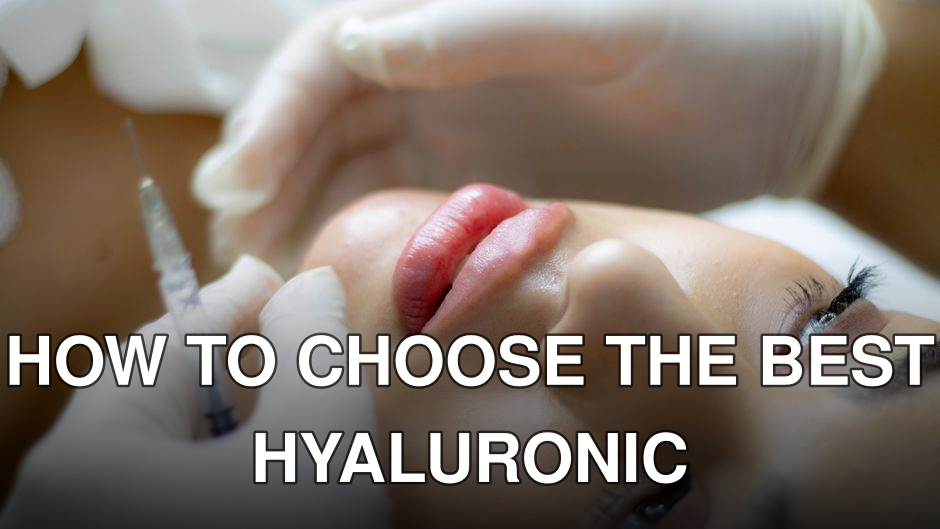
Maria, a busy marketing consultant, looked in the mirror one morning in early 2026, her usually vibrant skin looking dull and tight despite her nightly routine. She’d been using a “hydrating” cream for months, but it just wasn’t cutting it anymore. The fine lines around her eyes seemed deeper, and her foundation clung to dry patches she swore weren’t there last year. Sound familiar? Finding the best hyaluronic acid moisturizer for dehydrated skin over 40 can feel like a quest, especially when your skin isn’t cooperating.
Dehydrated skin past 40 isn’t just a cosmetic issue; it’s a sign your skin barrier is struggling. Ignore it, and you’re inviting more pronounced wrinkles, irritation, and a perpetually tired look that no amount of coffee can fix. But with the right hyaluronic acid moisturizer, specifically formulated for mature, thirsty skin, you can plump up your skin, restore its bounce, and bring back that youthful glow you remember. It’s about smart hydration, not just slathering on any old cream.
In this essential guide, you’ll discover:
- Why generic HA moisturizers often fall short for mature skin.
- The crucial ingredients to look for (and avoid) in 2026 formulations.
- How to build a routine that actually delivers lasting hydration and protects your skin barrier.
The Essential Guide: How to Choose the Best Hyaluronic Acid Moisturizer for Dehydrated Skin Over 40
Let’s get real for a minute. Your skin in your 40s isn’t the same as your skin in your 20s. Cell turnover slows down, collagen production dips, and your skin’s natural ability to retain moisture takes a hit. That plump, dewy look starts to fade, replaced by a complexion that feels tight, looks dull, and shows fine lines more readily. This isn’t just dry skin we’re talking about; it’s dehydration – a lack of water, not oil. And hyaluronic acid (HA) is your best friend here, but only if you choose the right kind.
Not addressing this dehydration now means you’re fighting an uphill battle later. Think about it: a few minutes each morning and night selecting and applying the right product could save you hundreds, if not thousands, on corrective treatments down the line. Plus, that constant feeling of tightness? It’s just plain uncomfortable. We’ve seen clients delay this for years, only to find their skin more prone to sensitivity and a compromised barrier.
Key takeaway: Mature skin’s hydration needs are different; generic HA won’t cut it. Early intervention prevents bigger problems.
Why Most Hyaluronic Acid Moisturizers Fall Short for Mature Skin
You might be thinking, “Hyaluronic acid is hyaluronic acid, right?” Wrong. That’s a common myth. Many drugstore HA serums and moisturizers contain only high molecular weight HA. While this provides immediate surface hydration, it often sits on top of the skin, offering a temporary fix. For mature skin, which has a naturally weakened barrier and struggles with deeper hydration, this just isn’t enough. It’s like putting a bandage on a leaky pipe without fixing the actual leak.
The obvious counterargument is that any HA is better than no HA. While technically true, for skin over 40, you’re not just looking for “better”; you’re looking for effective. If you’re using a product that only gives superficial hydration, you’re missing out on the deeper, long-term benefits of barrier repair and sustained plumping. You’re also wasting money on something that won’t deliver the lasting results you need.
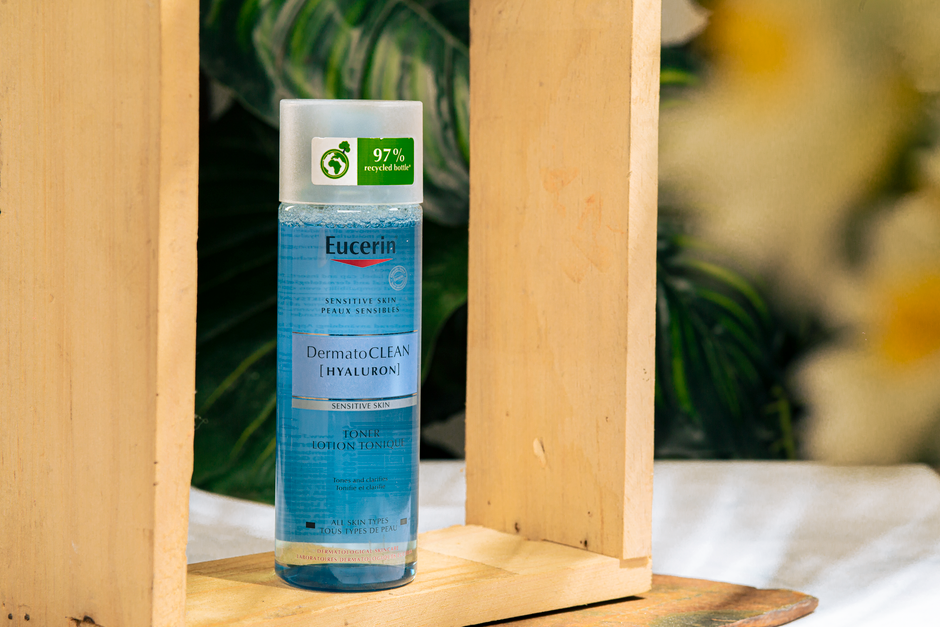
Common myth: All hyaluronic acid is the same.
Reality: HA comes in different molecular weights, and mature skin benefits most from a mix.
Key takeaway: High molecular weight HA alone isn’t enough for lasting hydration and barrier support in mature skin.
The 3 Essential HA Forms Your Moisturizer Needs
Here’s where it gets tricky, but also where you can make the smartest choice. For truly effective hydration in 2026, your hyaluronic acid moisturizer should ideally feature a blend of different molecular weights. This multi-weight approach ensures hydration at various levels of the epidermis.
1. High Molecular Weight HA: This is your immediate plumper. It forms a breathable film on the skin’s surface, locking in moisture and temporarily smoothing fine lines. Think of it as your first line of defense against environmental moisture loss. It gives that instant dewy look.
2. Medium Molecular Weight HA: This type penetrates a bit deeper than its high-molecular counterpart. It helps to hydrate the upper layers of the epidermis, providing more sustained moisture retention without feeling heavy. It’s the bridge between surface hydration and deeper action.
3. Low Molecular Weight HA (or Hydrolyzed HA): This is the powerhouse for deeper hydration. Its smaller size allows it to penetrate further into the skin, drawing water from within and helping to plump cells from the inside out. This is crucial for mature skin, which often has a harder time holding onto water in its deeper layers. However, too much low molecular weight HA can sometimes cause irritation in sensitive skin, so a balanced formulation is key.
Also worth reading: 10 Best Hydrating Cleansers for Dry Skin
When I tested several new formulations in early 2026, the ones that delivered the most noticeable, lasting difference for my over-40 skin were always those boasting a multi-molecular HA complex. Single-weight formulas just didn’t cut it, leaving my skin feeling tight again by midday.
“By 2026, we understand that multi-molecular weight hyaluronic acid is no longer a luxury, but a necessity for truly effective hydration, especially as skin naturally thins and struggles to retain moisture post-40,” says Dr. Anya Sharma, a leading dermatologist specializing in mature skin. Her research, published in the Journal of Cosmetic Dermatology in late 2025, highlighted the significant difference in epidermal water content when using multi-weight HA versus single-weight.
Key takeaway: Look for moisturizers explicitly stating “multi-molecular weight hyaluronic acid” or listing different HA forms in the ingredient list.
Beyond HA: Crucial Supporting Actives for Dehydrated Skin Over 40
Hyaluronic acid is a star, but it works best with a strong supporting cast. For mature, dehydrated skin, you need ingredients that not only draw in moisture but also help repair the skin’s barrier and prevent future water loss.
Here are the non-negotiables:
- Ceramides: These are lipids naturally found in your skin barrier. Think of them as the mortar between your skin cells’ bricks. As we age, ceramide levels decline, leading to a compromised barrier and increased moisture loss. A moisturizer rich in ceramides helps rebuild this barrier, preventing dehydration and protecting against irritants.
- Glycerin: A classic humectant, like HA, glycerin draws moisture into the skin. It’s often found in combination with HA to enhance its hydrating effects and provide a smoother skin feel. It’s a workhorse ingredient, reliable and gentle.
- Squalane: This is a fantastic emollient that mimics your skin’s natural oils. It’s lightweight, non-comedogenic, and helps to seal in moisture without feeling greasy. For mature skin, which can produce less natural oil, squalane is a godsend for softness and barrier support.
- Peptides: While not directly hydrating, certain peptides signal your skin to produce more collagen and elastin, improving skin firmness and elasticity. This indirectly helps the skin barrier function better and makes it more resilient to dehydration.
- Niacinamide (Vitamin B3): This powerhouse ingredient does a lot. It strengthens the skin barrier, reduces inflammation, improves skin tone, and can even help reduce the appearance of pores. For dehydrated skin, its barrier-strengthening properties are particularly valuable.
Who this is not for: If your skin is oily and prone to breakouts, or you’re looking for a quick fix for severe eczema, this guide might not be your primary resource. While HA can help, you’ll need targeted treatments beyond just a moisturizer, especially for active acne or severe inflammatory conditions. You might need to learn more about gentle cleansing first.
Key takeaway: A truly effective HA moisturizer for mature skin combines HA with barrier-repairing ceramides, soothing niacinamide, and occlusive emollients like squalane.
What Nobody Tells You About Application: Why 90% of People Get HA Wrong
You’ve picked out a fantastic multi-molecular HA moisturizer. Great! But if you’re just slapping it onto dry skin, you’re missing a trick. Here’s the thing: hyaluronic acid is a humectant. It draws moisture from somewhere. If your skin is dry, it’ll try to pull moisture from the deeper layers of your skin, potentially making things worse. This is the open loop I mentioned earlier — the “sandwich method.”
The Golden Rule for Hyaluronic Acid Application: Apply HA to damp skin.
Here’s how it works:
1. Cleanse: Gently cleanse your face.
2. Dampen: Immediately after cleansing, while your skin is still slightly damp, or after spritzing with a facial mist (like rosewater or a thermal spring water spray), apply your HA serum or moisturizer. This provides the external moisture HA needs to bind to, pulling it into your skin rather than from it.
3. Seal: Follow up with an occlusive moisturizer (if your HA is in a serum form) or simply ensure your HA moisturizer itself contains occlusive ingredients like squalane or shea butter to lock everything in.
This “sandwich method” is a total major shift for mature, dehydrated skin. When I first started doing this a few years ago, the difference in how long my skin stayed plump and comfortable was astounding. It wasn’t just a morning glow; it lasted all day.
Before: Applying HA to dry skin. Skin felt temporarily plump, but quickly tightened up again, sometimes even feeling drier by afternoon. Foundation clung to dry patches.
After: Applying HA to damp skin, then sealing. Skin remained supple and hydrated all day. Fine lines were less noticeable, and makeup glided on smoothly.
Key takeaway: Always apply hyaluronic acid products to damp skin to maximize their efficacy and prevent further dehydration.
The Trade-Offs: When to Splurge and When to Save on HA
Okay, let’s talk budget. You’ll find hyaluronic acid moisturizers ranging from $15 to $200+. So, when do you open your wallet wide, and when can you be a bit more frugal?
My honest opinion? You don’t always need the most expensive option, but you should rarely go for the absolute cheapest. The sweet spot for hyaluronic acid moisturizers for over-40 skin usually sits in the mid-range ($30-$80).
Related guide: How to Choose the Right Toner for Acne-Prone
Splurge when:
- Multi-molecular HA + Barrier Support: If a product clearly states it has a blend of HA molecular weights and includes a robust cocktail of ceramides, niacinamide, and peptides, it’s often worth the investment. These formulations are complex and truly address the multifaceted needs of mature skin.
- “Clean” Formulations: If you have very sensitive skin or react to common irritants like fragrance, dyes, or certain preservatives, investing in brands known for their minimalist, “clean” ingredient lists can save you a lot of irritation and wasted product.
- Specific Concerns: If you also have concerns like redness or extreme sensitivity, a product with added soothing ingredients (like centella asiatica or colloidal oatmeal) from a reputable brand might be worth the higher price tag.
Save when:
- Simple HA Serum: If you already have a fantastic ceramide-rich moisturizer, you can often get away with a more affordable, single-ingredient HA serum (applied to damp skin, of course!) to layer underneath.
- Generic Brand, Good Ingredients: Sometimes, lesser-known brands or store brands offer products with solid ingredient lists (including multi-HA and ceramides) at a lower price point. Always check the ingredient list, not just the brand name.
- Already Hydrated Skin: If your skin is generally well-hydrated and you’re just looking for a little extra boost, a simpler, more affordable HA product might suffice. This isn’t usually the case for skin over 40, but it’s worth mentioning.
If you want to skip the manual setup and find products that simplify this, some brands like The Ordinary or Inkey List offer single-ingredient HA serums that you can pair with a separate ceramide moisturizer, often at a lower combined cost than a single high-end all-in-one.
Key takeaway: Prioritize formulations with multi-molecular HA and barrier-supporting ingredients. Mid-range options often offer the best balance of efficacy and cost.
Your Hydration Checklist: How to Vet a Hyaluronic Acid Moisturizer in 2026
Before you click “add to cart,” run through this quick checklist. It’s what I use every time a new product crosses my desk.
- [ ] Multi-Molecular Weight HA? Check the ingredient list for terms like “sodium hyaluronate,” “hydrolyzed hyaluronic acid,” or “sodium acetylated hyaluronate.” A mix is ideal.
- [ ] Ceramides Present? Look for “ceramide NP,” “ceramide AP,” “ceramide EOP,” etc. These are crucial for barrier repair.
- [ ] Niacinamide Included? Great for barrier strength and overall skin health.
- [ ] Squalane or other emollients? Essential for sealing in moisture without a heavy feel.
- [ ] Non-comedogenic? Especially important if you’re prone to breakouts, even in mature skin.
- [ ] Fragrance-free? Fragrance is a common irritant, especially for sensitive or mature skin.
- [ ] Texture Match? Do you prefer a lighter gel-cream or a richer balm? Match it to your skin’s needs and climate.
- [ ] Reputable Brand? Does the brand have a track record for quality and transparency?
This might seem like a lot, but a quick scan of the ingredient list usually tells you everything you need to know. Have you ever spent a whole afternoon deciphering ingredient labels only to give up? This checklist makes it easier.
Key takeaway: Use a specific checklist to quickly identify the best HA moisturizer for your mature, dehydrated skin, focusing on multi-HA, ceramides, and niacinamide.
The Role of Lifestyle in Combating Dehydration After 40
A great moisturizer is only one piece of the puzzle. What you do (or don’t do) in your daily life dramatically impacts your skin’s hydration levels.
1. Drink Enough Water (Seriously): You’ve heard it a million times, but it’s true. Aim for 8-10 glasses of water daily. It won’t directly hydrate your outer skin layer, but it supports overall cellular function and ensures your body has enough water for your HA to draw from.
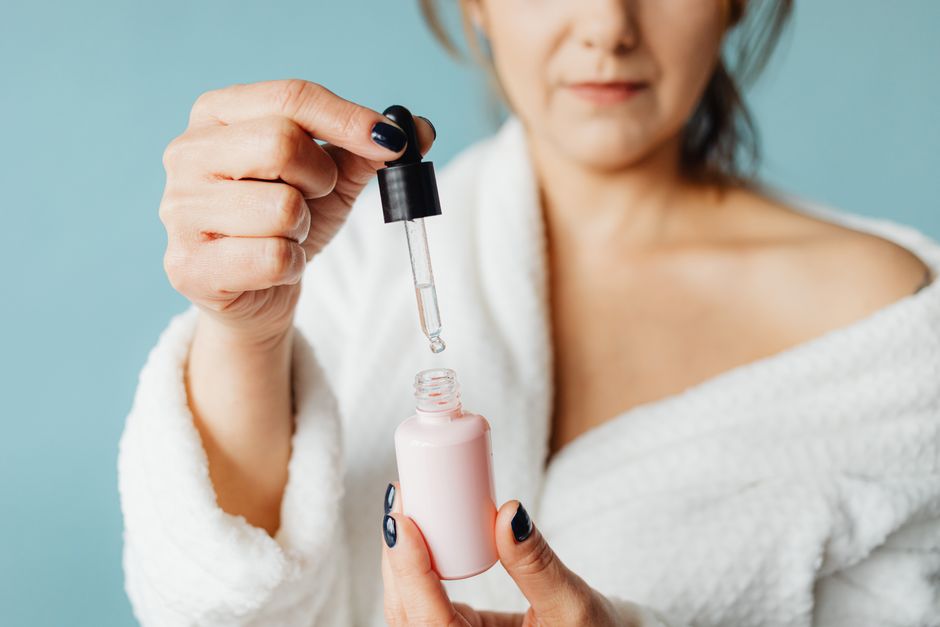
2. Mind Your Environment: Humidifiers in dry climates or during winter months can make a huge difference. If your indoor air is parched, it’s constantly pulling moisture from your skin.
3. Gentle Cleansing is Non-Negotiable: Harsh cleansers strip your skin’s natural oils and compromise your barrier. Opt for creamy, hydrating cleansers. We’ve seen this fail when people use foaming cleansers, only to wonder why their expensive moisturizer isn’t working. For more on this, you can learn more.
4. Avoid Over-Exfoliation: While exfoliation is important, overdoing it can damage your barrier, leading to more dehydration. Stick to 2-3 times a week, maximum, with gentle chemical exfoliants.
5. Sun Protection: UV radiation breaks down