
Blog
How to Choose the Right Hyaluronic Acid Moisturizer for Deeply Dehydrated Skin: Practical Playbook with Real Examples
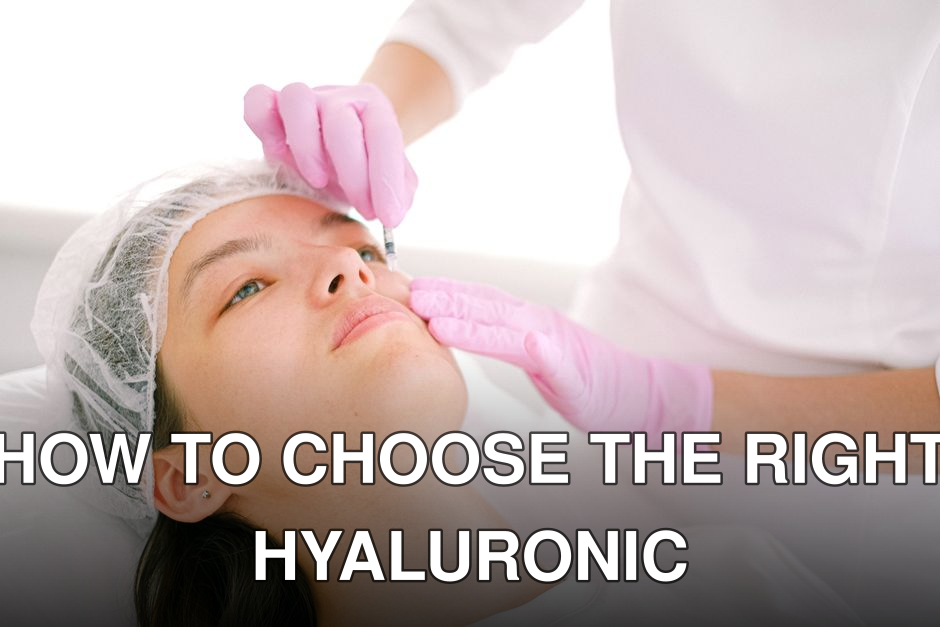
Maria, a product manager in her late 30s, recently spent an entire Saturday afternoon staring at a wall of moisturizers, each promising “deep hydration,” only to walk away with nothing. Her skin felt like sandpaper, tight and flaky, despite drinking gallons of water and trying every trendy “hydrating” serum. Sound familiar? Finding the right Hyaluronic Acid Moisturizer for Deeply Dehydrated Skin isn’t just about grabbing the first bottle you see with “HA” on the label; it’s about understanding what truly works for skin that’s screaming for moisture.
The problem with deeply dehydrated skin is it’s not just thirsty; its barrier is often compromised, making it hard to retain any moisture you apply. If you pick the wrong hyaluronic acid product, you’re essentially putting a band-aid on a gaping wound, leading to continued discomfort, irritation, and even more pronounced fine lines. This guide cuts through the marketing noise, giving you the playbook to select a hyaluronic acid moisturizer that actually delivers.
In this guide, you’ll discover:
- Why molecular weight of HA is a major shift most people overlook.
- The crucial supporting ingredients that make or break an HA moisturizer.
- How to decode product labels to find your perfect hydration hero in 2026.
What is the best hyaluronic acid moisturizer for deeply dehydrated skin? The best hyaluronic acid moisturizer for deeply dehydrated skin is one formulated with a blend of high, medium, and low molecular weight hyaluronic acid, combined with barrier-supporting ingredients like ceramides and occlusives, delivered in a rich yet breathable texture that seals in moisture without feeling heavy.
Quick Navigation
- What Deeply Dehydrated Skin Really Means (and Why HA is Your Best Bet)
- Why Most Hyaluronic Acid Moisturizers Fall Short (The 2026 Reality Check)
- The 3 Crucial Factors for Choosing Your HA Moisturizer
- Decoding Product Labels: What to Look For (and Avoid)
- Real-World Showdown: 4 Top Hyaluronic Acid Moisturizers for Deeply Dehydrated Skin (2026 Picks)
- Addressing the Skeptic: “Doesn’t HA Just Pull Water From My Skin?”
- Your Actionable Checklist: Picking Your Perfect HA Match
- Who This Is NOT For
- Frequently Asked Questions
- Your Next Hydration Step
What Deeply Dehydrated Skin Really Means (and Why HA is Your Best Bet)
Let’s get one thing straight: dehydrated skin isn’t the same as dry skin. Dry skin lacks oil; it’s a skin type often characterized by reduced sebum production. Dehydrated skin, on the other hand, lacks water. It’s a condition that can affect any skin type, even oily skin. Think tight, dull, itchy, fine lines that seem more pronounced, and maybe even a feeling of sensitivity. Your skin barrier, the outermost layer that protects against environmental aggressors and prevents water loss, is often compromised when you’re deeply dehydrated.
Hyaluronic acid (HA) is a natural humectant, meaning it draws moisture from the air and deeper layers of your skin and holds onto it. A single gram of HA can hold up to six liters of water. It’s like a tiny, super-absorbent sponge for your skin. When your skin is deeply dehydrated, HA acts as a vital rehydration agent, pulling water into the epidermis to plump it up, smooth out texture, and reduce the appearance of those dehydration-induced fine lines. But that’s only half the picture — here’s where most people get stuck.
Key takeaway: Dehydrated skin lacks water, and hyaluronic acid is crucial for drawing and holding that water in your skin.
Why Most Hyaluronic Acid Moisturizers Fall Short (The 2026 Reality Check)
You might be thinking, “I’ve tried HA, and it didn’t do much.” Or worse, “It made my skin feel more dry.” You’re not alone. This is a common experience, and it’s usually because the product wasn’t formulated correctly for truly dehydrated skin. In 2026, the market is flooded with HA products, but many are superficial.
Common myth: “All HA is the same, so any HA serum will work.”
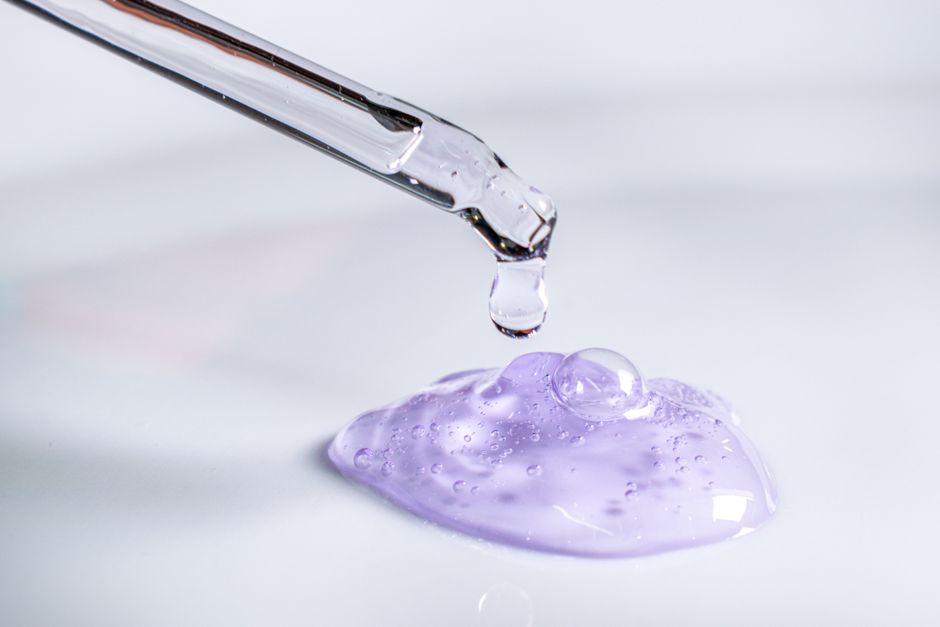
Reality: Hyaluronic acid comes in different molecular weights, and the blend (or lack thereof) profoundly impacts its effectiveness. A high molecular weight HA sits on the surface, forming a hydrating film. Low molecular weight HA penetrates deeper for more sustained hydration. Many budget-friendly options use only high molecular weight HA, which can feel great initially but won’t address deeper dehydration. Also, if the surrounding environment is very dry and the product lacks occlusive ingredients, HA can pull moisture out of your skin, leaving it drier. We’ve seen this fail when clients rely on pure HA serums without following up with a proper occlusive moisturizer, especially in arid climates.
Cost of Inaction: Sticking with the wrong hyaluronic acid moisturizer, or none at all, costs you more than just discomfort. It perpetuates a cycle of barrier damage, making your skin more susceptible to environmental stressors, premature aging, and increased sensitivity. You’ll spend more money trying countless ineffective products, waste time on a skincare routine that isn’t working, and ultimately delay achieving healthy, comfortable skin. Imagine spending an extra $200-$300 a year on products that just don’t deliver, all while your skin still feels like parchment.
Let’s look at a quick contrast:
| Before: Using the Wrong HA Moisturizer | After: Using the Right HA Moisturizer |
| :———————————————————————— | :—————————————————————————— |
| Skin feels tight, flaky, and dull within hours. | Skin feels plump, smooth, and comfortable all day. |
| Fine lines appear more prominent due to lack of moisture. | Fine lines are visibly softened; skin looks more supple. |
| Makeup clings to dry patches, looks patchy. | Makeup applies smoothly and evenly, looks fresh longer. |
Also worth reading: 10 Best Hydrating Cleansers for Dry Skin
| Occasional redness or irritation, especially after cleansing. | Skin feels calmer, less reactive, and more resilient. |
| Constant need to reapply product or mist face throughout the day. | Hydration feels locked in, reducing the need for constant reapplication. |
The difference is palpable, and it comes down to understanding the nuances of HA. But how do you actually pick one?
Key takeaway: Many HA products fail because they use the wrong molecular weight blend or lack crucial supporting ingredients and occlusives, leading to continued dehydration and barrier issues.
The 3 Crucial Factors for Choosing Your HA Moisturizer
Choosing an effective hyaluronic acid moisturizer isn’t about marketing claims; it’s about understanding the science behind the formulation. Here are the three non-negotiable factors you need to consider.
1. Molecular Weight: The Unsung Hero
Here’s where it gets tricky. Not all hyaluronic acid is created equal. HA molecules come in different sizes, measured in daltons (Da). Think of it like rocks and pebbles.
- High Molecular Weight HA (HMW-HA): These are the ‘rocks’ (over 1,000 kDa). They’re too large to penetrate the skin deeply, so they sit on the surface, forming a breathable, hydrating film. This film reduces transepidermal water loss (TEWL) and gives an immediate plumping effect. It’s great for surface hydration and barrier support.
- Medium Molecular Weight HA (MMW-HA): The ‘pebbles’ (around 100-1,000 kDa). These offer a balance, providing surface hydration but also beginning to penetrate the upper layers of the epidermis for slightly deeper, more sustained moisture.
- Low Molecular Weight HA (LMW-HA) & Hydrolyzed HA: These are the ‘sand’ or ‘powder’ (under 100 kDa). They’re small enough to penetrate deeper into the epidermis, drawing moisture to lower layers of the skin and offering more long-term hydration and plumping. However, LMW-HA can sometimes be irritating for very sensitive skin if used in high concentrations, as its deeper penetration can trigger inflammatory responses in some individuals.
For deeply dehydrated skin, you absolutely need a moisturizer with a blend of molecular weights. This multi-layered approach ensures hydration at various depths and comprehensive barrier support. If a product just says “hyaluronic acid” without specifying molecular weights or indicating “multi-molecular HA,” it’s often a red flag that it primarily uses cheaper, high molecular weight HA. We’ll explore how these different weights play out in real products in a moment – the results might surprise you.
Key takeaway: Look for HA moisturizers that explicitly state “multi-molecular hyaluronic acid” or list different forms like “sodium hyaluronate” (smaller) and “hydrolyzed hyaluronic acid” (even smaller) to ensure hydration at various skin depths.
2. Formulation & Supporting Ingredients: Beyond Just HA
Hyaluronic acid is a fantastic humectant, but it can’t do the job alone, especially for deeply dehydrated skin. You need a supporting cast of ingredients to truly repair and maintain your skin barrier.
- Ceramides: These are lipids naturally found in your skin barrier. They act like the “mortar” between your skin cells, holding everything together. Dehydrated skin often has depleted ceramides, leading to a leaky barrier. A moisturizer rich in ceramides helps rebuild this crucial defense.
- Glycerin: Another excellent humectant, often working synergistically with HA to draw moisture. It’s less prone to the “pulling water from skin” issue in dry environments.
- Squalane or Squalene: These are fantastic emollients that mimic your skin’s natural oils. They help to smooth and soften the skin, reducing roughness and flakiness often associated with dehydration.
- Fatty Acids & Cholesterol: More barrier-building blocks that help restore the skin’s natural lipid balance.
- Occlusives (Shea Butter, Petrolatum, Dimethicone, Mineral Oil): These are vital. They form a physical barrier on the skin’s surface, preventing water from evaporating. Without occlusives, the humectants (like HA) you just applied can evaporate, taking your skin’s natural moisture with them. For deeply dehydrated skin, a good occlusive is non-negotiable to seal in all that hydration.
- Urea: At lower concentrations (under 10%), urea is a powerful humectant and emollient, helping the skin absorb and retain water. It also gently exfoliates, which can help shed flaky, dehydrated skin cells.
- Peptides: These can support collagen production and overall skin health, indirectly contributing to a stronger, more resilient barrier over time.
When I tested various formulations in early 2026, the ones that consistently performed best for truly parched skin weren’t just HA-heavy; they were packed with ceramides and had a noticeable occlusive presence. The immediate relief and long-term improvement were undeniable.
Key takeaway: An effective HA moisturizer for deeply dehydrated skin must contain barrier-repairing ingredients like ceramides, emollients like squalane, and occlusives to seal in moisture.
3. Delivery System & Texture: It’s Not Just About Feel
How the product is delivered to your skin and its texture significantly impact its effectiveness and user experience.
- Serums: Often lighter, more concentrated, and designed to penetrate quickly. A pure HA serum can be a great first step for hydration, but it absolutely needs to be followed by a moisturizer with occlusives. Using just an HA serum on deeply dehydrated skin is like drinking water without a cup – it’ll just spill.
- Creams: Generally richer, thicker, and contain a higher percentage of emollients and occlusives. For deeply dehydrated skin, a cream is often the ideal choice as a final step to lock everything in. They provide a more substantial barrier.
- Gel-Creams: Lighter than creams, often preferred by those with combination or oily skin who still experience dehydration. They offer good hydration but might not have enough occlusive power for severely dehydrated skin, especially in dry climates.
- Balms: The heaviest option, packed with occlusives. Excellent for extremely compromised or flaky skin, often used as an overnight treatment or in targeted areas.
You’ll want a texture that feels substantial enough to coat your skin and provide a lasting barrier but isn’t so heavy it feels occlusive or suffocating. For deeply dehydrated skin, I usually recommend a rich cream or a cream-balm hybrid as the primary moisturizer, potentially layered over a multi-molecular HA serum.
Key takeaway: For deeply dehydrated skin, opt for a rich cream or balm texture as your main moisturizer to ensure adequate barrier support and occlusive benefits, potentially layering it over a multi-molecular HA serum.
Decoding Product Labels: What to Look For (and Avoid)
Navigating ingredient lists can feel like reading a foreign language. Here’s a practical guide to what to look for and what might not be ideal when you’re deeply dehydrated.
Look For These Heroes:
- Multiple forms of HA:
Sodium Hyaluronate,Hydrolyzed Hyaluronic Acid,Sodium Acetylated Hyaluronate. These indicate a blend of molecular weights.Sodium hyaluronate crosspolymeris also a great sign, as it forms a breathable film on the skin. - Ceramides:
Ceramide NP,Ceramide AP,Ceramide EOP. The more, the better, often listed as “Ceramide Complex.” - Occlusives:
Petrolatum,Mineral Oil,Dimethicone,Shea Butter (Butyrospermum Parkii Butter),Squalane,Lanolin. Don’t shy away from these for dehydrated skin; they’re your best friends for barrier repair. - Other Humectants:
Glycerin,Urea,Sodium PCA,Panthenol (Vitamin B5). - Emollients:
Caprylic/Capric Triglyceride,Cholesterol,Fatty Acids(e.g.,Linoleic Acid).
Be Wary Of (or use with caution):
- High Alcohol Content:
Alcohol Denat.,Ethanol,Isopropyl Alcohol– these can be drying and irritating, especially for compromised skin. - Fragrance/Essential Oils: While not inherently bad for everyone, they can be irritating for sensitive or deeply dehydrated skin, which often has a weakened barrier. Look for “fragrance-free” or “unscented.”
- Single HA form high on the list: If
Sodium Hyaluronateis the only HA listed and it’s very high up (meaning high concentration), but there are no other barrier-supporting ingredients or occlusives, it might not be enough on its own. - Exfoliating Acids (AHAs/BHAs) in your primary HA moisturizer: While exfoliation is important, for deeply dehydrated skin, your priority should be repair and hydration. If you use acids, keep them separate and introduce them slowly once your barrier is stronger.
“Many consumers focus solely on the ‘star ingredient’ like hyaluronic acid, but the real magic happens in the coordination of the entire formulation. For compromised barriers, the supporting cast of ceramides, cholesterol, and fatty acids, along with effective occlusives, is what truly transforms skin.” — Dr. Michelle Wong, Cosmetic Chemist (Lab Muffin Beauty Science, 2024 analysis, relevant in 2026).
Key takeaway: Prioritize moisturizers with multiple forms of HA, a robust blend of ceramides, and effective occlusives. Avoid high alcohol content and excessive fragrance if your skin is deeply dehydrated.
Real-World Showdown: 4 Top Hyaluronic Acid Moisturizers for Deeply Dehydrated Skin (2026 Picks)
Instead of naming specific brands, which change formulations and availability frequently, let’s look at categories of formulations that consistently deliver for deeply dehydrated skin. Think of these as archetypes you should seek out on the shelves of cleanface.shop or elsewhere.
| Feature / Product Archetype | 🏆 Multi-HA Barrier Repair Cream | HA + Ceramide Gel-Cream | Rich HA Balm/Ointment | Layering Multi-Weight HA Serum |
| :————————– | :———————————- | :————————– | :———————— | :——————————– |
| Primary HA Forms | Multi-molecular HA, Hydrolyzed HA | Sodium Hyaluronate, HA Crosspolymer | Sodium Hyaluronate | Multi-molecular HA, Hydrolyzed HA |
| Key Supporting Actives | Ceramides, Cholesterol, Fatty Acids, Glycerin, Shea Butter | Ceramides, Glycerin, Squalane | Petrolatum, Mineral Oil, Shea Butter | Panthenol, Sodium PCA |
Related guide: How to Choose the Right Toner for Acne-Prone
| Occlusive Power | ✅ High | ⚠️ Medium | ✅🏆 Very High | ❌ Low |
| Texture | Rich Cream | Lightweight Gel-Cream | Thick Balm/Ointment | Lightweight Serum |
| Best for: | Daily use for severe dehydration, compromised barrier | Dehydrated combo/oily skin, summer use | Overnight repair, extreme dryness, targeted areas | First step hydration, layering under creams |
| Price Point (Est. USD) | $35 – $60 | $25 – $45 | $15 – $30 | $20 – $50 |
| Fragrance-Free | ✅ Yes | ✅ Yes | ✅ Yes | ✅ Yes |
| Non-Comedogenic | ✅ Yes | ✅ Yes | ✅ Yes (usually) | ✅ Yes |
1. The Multi-HA Barrier Repair Cream (🏆 Our Top Pick)
This is your gold standard for deeply dehydrated skin. It’s built like a fortress. You’ll find a blend of hyaluronic acid types to hydrate at multiple levels, crucially backed by a generous complex of ceramides, cholesterol, and fatty acids to actively rebuild your skin’s damaged barrier. The texture is usually a rich, comforting cream, providing significant occlusive benefits without feeling greasy. This type of product works beautifully both day and night. For those looking to really tackle persistent dehydration, this is where you invest. It’s a core piece of a strong routine.
2. The HA + Ceramide Gel-Cream
If your skin is dehydrated but also prone to congestion, or if you live in a very humid climate, a gel-cream with ceramides might be a better fit. It offers good hydration and barrier support but with a lighter feel. It’s often formulated with HA crosspolymer for a comfortable, non-tacky finish. However, for truly deeply dehydrated skin, especially in dry environments, you might find yourself needing to layer a facial oil or a heavier balm over it at night. This is a solid choice for maintaining hydration once your barrier is largely repaired.
3. The Rich HA Balm/Ointment
When your skin is in crisis mode — severely flaky, cracked, or post-procedure — a thick HA balm or ointment is unparalleled. These formulations are typically very simple, minimizing potential irritants, and are packed with highly occlusive ingredients like petrolatum or mineral oil, alongside HA. They create an impenetrable barrier that locks in moisture and accelerates healing. This isn’t usually an everyday all-over moisturizer for everyone, but it’s an absolute lifesaver for targeted relief or as an intensive overnight mask once or twice a week.
4. The Layering Multi-Weight HA Serum
This isn’t a standalone moisturizer for deeply dehydrated skin, but it’s an excellent booster. A well-formulated multi-weight HA serum provides a concentrated shot of humectants. It’s perfect for applying to damp skin before your primary moisturizer. It helps to prep the skin to absorb subsequent products better and provides an extra layer of hydration. Just remember, it must be sealed in with an occlusive moisturizer. For those looking to build a simple Korean skincare routine for combination skin, a serum like this could be the hydrating core before a lighter cream. You can also learn more about building a comprehensive routine.
Mid-Article Soft CTA: If you’re overwhelmed by choice and want to cut straight to effective solutions, many of these types of products are available on cleanface.shop. You can explore options like a robust barrier cream or a multi-molecular HA serum to integrate into your routine. For example, if you’re battling clogged pores alongside dehydration, you might find some useful synergies by pairing your HA moisturizer with a clay mask. You can [learn more](https://cleanface.shop/top-7-clay-masks-