
Blog
How to Exfoliate Sensitive Skin Gently Without Irritation: Step-by-Step Guide: Practical Playbook with Real Examples
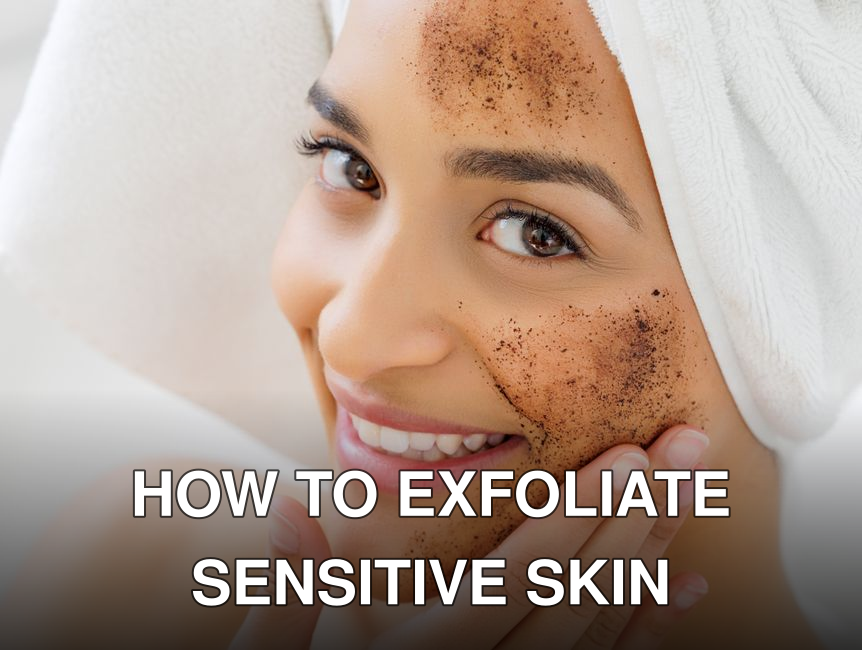
That familiar sting, the one that screams, “You messed up your face again!”? Sarah knows it well. She spent years trying to get that coveted glow, only to end up with a red, angry complexion that felt tighter than a drum. For anyone with sensitive skin, the idea of exfoliation often brings up more dread than excitement. It’s a tightrope walk between clearing dullness and triggering a full-blown skin meltdown.
Here’s the problem: if you don’t exfoliate, dead skin cells pile up, making your skin look dull, uneven, and prone to clogged pores. But if you exfoliate too aggressively, especially with sensitive skin, you damage your crucial skin barrier, leading to irritation, redness, and even more sensitivity. It’s a vicious cycle that costs you not just discomfort, but also money spent on soothing products that wouldn’t be necessary if you just exfoliated correctly in the first place.
But what if you could gently exfoliate sensitive skin, getting that fresh, clear look without any of the drama? It’s totally possible in 2026, and it’s simpler than you think.
In this guide you’ll discover:
- Why most exfoliation advice misses the mark for sensitive skin.
- The exact types of exfoliants you should be using (and which to ditch).
- A foolproof, step-by-step routine that respects your skin’s delicate balance.
Quick Navigation:
- Why Most Guides Get Sensitive Skin Exfoliation Wrong
- Understanding Your Sensitive Skin: What’s Really Going On?
- Choosing Your Exfoliant Weapon: Chemical vs. Physical in 2026
- The 3 Golden Rules for Pre-Exfoliation Prep
- Your Step-by-Step Gentle Exfoliation Routine (And Why It Works)
- The Critical Aftermath: 2 Post-Exfoliation Steps You Can’t Skip
- Troubleshooting Common Sensitive Skin Exfoliation Mistakes
- Frequently Asked Questions
Why Most Guides Get Sensitive Skin Exfoliation Wrong
Look, most mainstream exfoliation advice is built for “normal” skin types. You know, the kind that can handle a gritty scrub or a daily acid toner without batting an eye. But for us sensitive folks? That’s a recipe for disaster. We’re not just dealing with dullness; we’re trying to coax our skin into a healthier state without pushing it over the edge.
The biggest mistake I see, even in 2026, is the “more is more” mentality. People assume if a little exfoliation is good, a lot must be great. Wrong. For sensitive skin, over-exfoliation is a real and painful problem. It strips away essential lipids, compromises the skin barrier, and leaves you vulnerable to environmental aggressors. Have you ever felt that tight, burning sensation after trying a new product? That’s your skin screaming for help. We need a nuanced approach, not a blanket recommendation.
Key takeaway: Generic exfoliation advice often ignores the delicate nature of sensitive skin, leading to irritation and barrier damage from over-exfoliation.

Understanding Your Sensitive Skin: What’s Really Going On?
Before we dive into how to exfoliate, let’s talk about why your skin reacts the way it does. Sensitive skin isn’t just a “type”; it’s often a condition characterized by a compromised skin barrier. Think of your skin barrier like a brick wall: healthy skin has strong, intact bricks (skin cells) and plenty of mortar (lipids like ceramides, fatty acids, and cholesterol) holding it all together. This wall keeps moisture in and irritants out.
With sensitive skin, that wall might have cracks, missing mortar, or just be thinner overall. This means irritants can sneak in more easily, and moisture escapes faster. So, when you introduce an exfoliant, it’s not just removing dead cells; it’s interacting with an already delicate structure. We’ll dive deeper into protecting this barrier later — the answer surprised us when we first looked into it.
This approach is crucial for anyone who experiences redness, stinging, itching, or dryness after using new products. It’s not for those with open wounds, active infections, or severe, flaring eczema, though. In those cases, you need to heal your skin first, not exfoliate.
Key takeaway: Sensitive skin often has a compromised barrier, making it more susceptible to irritation and requiring a gentle, informed approach to exfoliation.
Choosing Your Exfoliant Weapon: Chemical vs. Physical in 2026
Alright, this is where most people get tripped up. Forget the aggressive walnut scrubs of the past. For sensitive skin, we’re looking for ingredients that do the job without causing drama. This generally boils down to two main categories: chemical and physical exfoliants.
Common myth: Physical exfoliants are always harsher than chemical ones. Reality: While many physical exfoliants are too harsh, some gentle options (like konjac sponges) can be incredibly mild. Conversely, some chemical exfoliants, if chosen incorrectly or used too often, can be far more irritating. It’s all about the specific ingredient and concentration.
Here’s the thing: “chemical” sounds scary, but it’s often the most gentle option for sensitive skin. These exfoliants use acids to dissolve the “glue” holding dead skin cells together, allowing them to shed naturally without any scrubbing.
Also worth reading: 10 Best Hydrating Cleansers for Dry Skin
Let’s break down the best options for us:
| Feature | Physical Exfoliants (Gentle) | Chemical Exfoliants (Gentle) 🏆 |
| :————————– | :——————————————— | :————————————————————————————————————————————————————————————————————————————————————————————————————————————————————— |
| Mechanism | Manual rubbing/buffing | Dissolves bonds between dead skin cells |
| Types | Konjac sponge, soft washcloth, cellulose beads | PHAs (Polyhydroxy Acids), low-concentration AHAs (Lactic Acid, Mandelic Acid), low-concentration BHAs (Salicylic Acid) |
| Skin Sensitivity | ⚠️ Can be too abrasive if not chosen carefully | ✅ Generally well-tolerated at low concentrations |
| Risk of Over-Exfoliation| ⚠️ High if using harsh particles/brushes | ✅ Lower if used correctly (infrequent, low concentration) |
| Evenness of Exfoliation | ❌ Can be uneven, dependent on technique | ✅ Very even, works uniformly across the skin |
| Hydration Benefits | ❌ Minimal | ✅ PHAs (like Gluconolactone, Lactobionic Acid) are humectants, drawing moisture to the skin. Lactic Acid also offers hydration. |
| Best for: | Occasional, very light buffing | Most sensitive skin types seeking gentle renewal, especially those prone to dryness (PHAs, Lactic) or mild congestion (low-Salicylic). |
Polyhydroxy Acids (PHAs): Your New Best Friend. If there’s one chemical exfoliant I’d recommend for almost all sensitive skin types in 2026, it’s PHAs. Think of them as the gentle giants of the acid world. Their larger molecular size means they penetrate the skin more slowly and superficially than AHAs, causing less irritation. Plus, they’re humectants, meaning they attract and retain moisture. Gluconolactone and Lactobionic Acid are fantastic examples. I’ve personally seen PHAs transform skin that couldn’t handle anything else.
Low-Concentration AHAs (Lactic Acid, Mandelic Acid): These are still Alpha Hydroxy Acids, but Lactic Acid is slightly larger than Glycolic Acid and is also a humectant, offering hydration alongside exfoliation. Mandelic Acid is even larger, making it another excellent choice for sensitive skin, especially if you’re concerned about hyperpigmentation. Stick to concentrations under 5% to start.
Low-Concentration BHAs (Salicylic Acid): Beta Hydroxy Acids, specifically Salicylic Acid, are oil-soluble. This means they can dive into pores and help clear out congestion. If your sensitive skin is also prone to blackheads or very mild breakouts, a low-concentration BHA (around 0.5% to 1%) in a cleanser or leave-on treatment can be effective. Just be cautious; some sensitive skin types find BHAs too drying. For more on this, you can learn more about specific salicylic acid options.
“The shift towards gentle, barrier-supporting ingredients like PHAs and ceramides isn’t just a trend; it’s a fundamental understanding of skin physiology. In 2026, we’re seeing dermatology prioritize long-term skin health over quick fixes, especially for vulnerable skin types.” — Dr. Anya Sharma, Dermatologist and Skincare Innovator.
What to avoid: Harsh physical scrubs with jagged particles (like crushed nuts or apricot pits), high-concentration glycolic acid, and anything with strong fragrances or essential oils. These are just asking for trouble.
Key takeaway: PHAs and low-concentration Lactic or Mandelic acids are your top chemical exfoliant choices for sensitive skin due to their gentle action and hydrating properties. Avoid harsh physical scrubs entirely.
The 3 Golden Rules for Pre-Exfoliation Prep
You can have the best exfoliant in the world, but if your skin isn’t prepped correctly, you’re still risking irritation. These three rules are non-negotiable for sensitive skin.
Rule 1: Patch Testing is Your Lifeline
This isn’t just a suggestion; it’s a requirement. Before you slather any new exfoliant all over your face, you must patch test. Apply a tiny amount to an inconspicuous area, like behind your ear or on a small patch of skin on your jawline. Wait 24-48 hours. No redness, itching, or stinging? You’re probably good to go. I can’t tell you how many times this simple step has saved me from a week of irritated skin. It’s the ultimate insurance policy.
Rule 2: Cleanse with Care, Always
Before exfoliating, your face needs to be clean, but not stripped. Use a gentle, hydrating cleanser that doesn’t leave your skin feeling tight or squeaky clean. Think cream cleansers, oil cleansers, or milky formulas. Avoid anything with harsh sulfates or strong foaming agents. If you’re looking for a solid routine starting point, you can learn more about building a clear skin routine that prioritizes gentleness. Your skin should feel soft and comfortable after cleansing, not irritated.
Related guide: How to Choose the Right Toner for Acne-Prone
Rule 3: Timing is Everything
For sensitive skin, less is almost always more. You’ll want to exfoliate in the evening. This gives your skin ample time to recover overnight and avoids immediate exposure to sunlight, which can increase sensitivity. Also, make sure you haven’t used any other potentially irritating active ingredients (like retinoids) in the 24-48 hours leading up to your exfoliation session. Give your skin a break.
Key takeaway: Always patch test new exfoliants, cleanse gently with a hydrating formula, and exfoliate in the evening, avoiding other actives around that time.
Your Step-by-Step Gentle Exfoliation Routine (And Why It Works)
Okay, you’ve chosen your weapon, and your skin is prepped. Now for the actual process. Stick to these steps, and you’ll minimize the risk of irritation while maximizing the benefits.
Step 1: Cleanse with Care
Start with your gentle cleanser. Massage it onto damp skin for about 60 seconds, then rinse thoroughly with lukewarm water. Pat your face gently dry with a clean, soft towel. Remember, no rubbing or tugging!
Step 2: Apply Your Chosen Exfoliant
This is crucial. For chemical exfoliants (PHAs, Lactic, Mandelic), dispense a small amount (pea-sized is usually enough) onto your fingertips. Gently pat or smooth it over your face, avoiding the immediate eye area and lips. Do not rub vigorously. If it’s a leave-on product, just let it absorb. If it’s a rinse-off mask, follow the product’s instructions for timing.
If you’re using a very gentle physical exfoliant like a konjac sponge, moisten it and gently glide it over your damp skin in small, circular motions. Use almost no pressure. This is about a feather-light touch, not scrubbing. Limit this to 30 seconds, max.
Step 3: Wait It Out
For leave-on chemical exfoliants, let the product fully absorb. This usually takes 5-10 minutes. Don’t rush to the next step. If it’s a rinse-off product, follow the time on the package—usually 5-15 minutes. Set a timer. Over-exfoliating often happens because people leave products on for too long.
Common myth: Exfoliate daily for best results. Reality: For sensitive skin, exfoliating once or twice a week is usually the absolute maximum. Many sensitive skin types thrive on a once-a-week schedule, or even every 10-14 days. Listen to your skin.
Key takeaway: Apply exfoliants with a light touch, adhere strictly to recommended contact times, and never exfoliate more than twice a week for sensitive skin.

The Critical Aftermath: 2 Post-Exfoliation Steps You Can’t Skip
Exfoliation is only half the battle. What you do after is just as important, especially for sensitive skin. This is where we close that open loop about skin barrier integrity.
Step 1: Hydrate, Hydrate, Hydrate
This is absolutely non-negotiable. After exfoliating, your skin needs moisture and barrier support more than ever. Immediately apply a rich, fragrance-free moisturizer packed with ceramides, hyaluronic acid, glycerin, and fatty acids. These ingredients help replenish your skin’s natural lipids, repair the barrier, and lock in hydration. Don’t skimp here. This step actively prevents the irritation and dryness that can follow exfoliation.
Here’s a quick look at the difference:
| Before: Inadequate Post-Exfoliation Care | After: Proper Post-Exfoliation Care