
Blog
How to Maximize Clay Face Mask Benefits for Clogged Pores: Practical Playbook with Real Examples
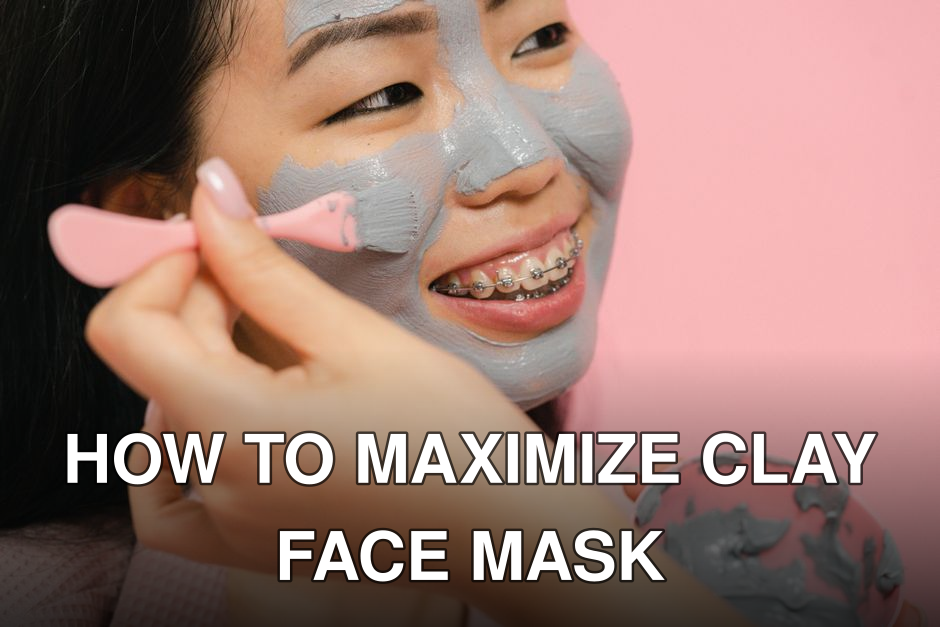
Maria, a freelance designer, spent three frustrating hours last Tuesday trying to cover up persistent texture and blackheads that just wouldn’t budge, despite her weekly clay mask ritual. Sound familiar? We’ve all been there, staring into the mirror, wondering why our skincare efforts feel like a never-ending battle against stubborn pores.
The truth is, simply slapping on a clay mask isn’t enough to tackle deeply clogged pores. Without the right preparation and follow-through, you’re essentially just doing half the job, leaving behind oil, debris, and the potential for new breakouts. This guide cuts through the noise, offering a definitive playbook to maximize clay face mask benefits for clogged pores in 2026, ensuring your efforts actually pay off with clearer, smoother skin.
In this guide you’ll discover:
- The crucial steps you’re likely skipping before applying your mask.
- How to choose the perfect clay type for your specific pore woes.
- Advanced application techniques that actually pull out impurities.
Clay face masks work by absorbing excess oil and impurities, drawing them out from your pores. To maximize their benefits for clogged pores, focus on proper skin prep, targeted application, and a consistent post-mask routine that rebalances and nourishes your skin.
Quick Navigation:
- Why Your Clay Mask Isn’t Clearing Those Pesky Pores (Yet)
- The 3 Essential Steps Before You Even Open the Jar
- Choosing Your Clay Weapon: Not All Clays Are Created Equal
- The Smart Application Strategy: 7 Ways to Get Deeper Into Those Clogs
- Post-Mask Power-Up: Sealing the Deal for Clearer Skin
- The Big Picture: How Often, What to Avoid, and Long-Term Strategies
- What Nobody Tells You About Persistent Clogs and When to Call in the Pros
- Frequently Asked Questions
Why Your Clay Mask Isn’t Clearing Those Pesky Pores (Yet)
Let’s be honest: many of us treat a clay mask as a quick fix. We grab a jar, spread it on, wait for it to dry, and then rinse. If that’s your routine, you’re leaving a lot of pore-clearing potential on the table. The problem isn’t usually the clay itself, but how we integrate it into our overall skincare strategy.
Think about it: if your skin isn’t properly prepared, that clay can’t effectively reach the gunk deep inside your pores. It’s like trying to clean a dirty window without wiping off the dust first; you’re just moving the grime around. This often leads to temporary surface smoothness, but the underlying clogs remain, ready to resurface as blackheads or even angry breakouts.
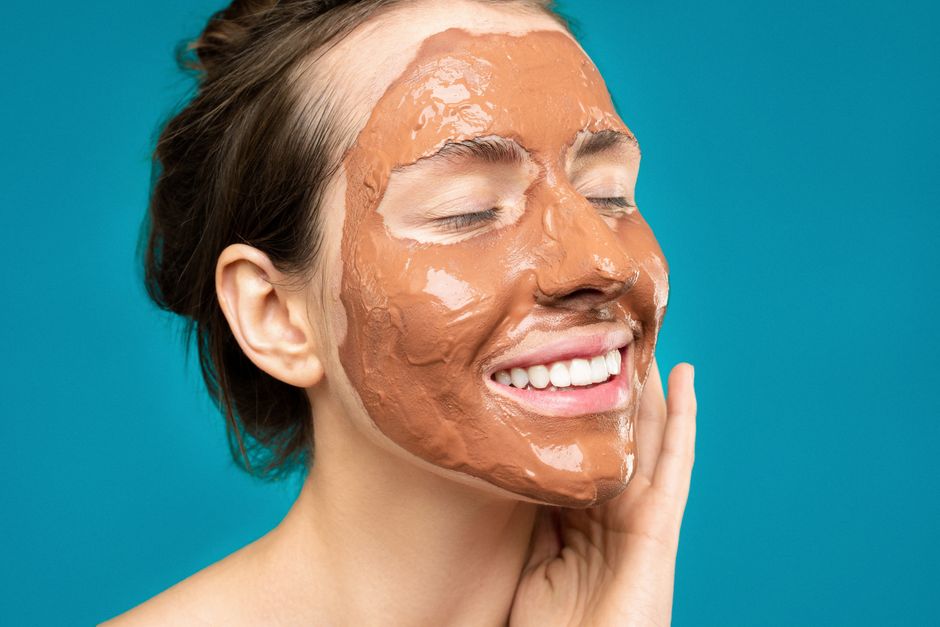
The cost of inaction here is real. You’re not just wasting money on masks that don’t deliver, but you’re also losing precious time and battling persistent skin issues that chip away at your confidence. In 2026, with so many advanced skincare options, it’s frustrating to feel stuck on basic steps. We’ve seen this fail when users expect a single product to magically solve complex skin problems without understanding the full process.
Key takeaway: Most clay mask failures stem from an incomplete routine, not the mask itself.
But that’s only half the picture — here’s where most people get stuck.
The 3 Essential Steps Before You Even Open the Jar
What’s the most crucial step before applying a clay mask for clogged pores?
The most crucial step before applying a clay mask for clogged pores is thorough cleansing and gentle exfoliation, which prepares the skin to absorb the mask’s beneficial ingredients effectively.
Before your clay mask can work its magic, you absolutely need to set the stage. Skipping these pre-mask steps is probably the number one reason your clay isn’t delivering the clear, smooth skin you’re after. These aren’t optional; they’re foundational.
Also worth reading: 10 Best Hydrating Cleansers for Dry Skin
Step 1: Double Cleansing Done Right
This isn’t a new concept, but it’s more important than ever with the rise of long-wear makeup and environmental pollutants. Double cleansing involves using an oil-based cleanser first to break down makeup, SPF, and sebum, followed by a water-based cleanser to truly clean your skin. The oil cleanser melts away everything that sits on top, preventing your water-based cleanser from having to fight through layers of grime to do its job.
For clogged pores, this step is non-negotiable. You want that clay to pull out impurities, not just sit on a layer of old makeup or surface oil. When I tested various pre-mask routines in early 2026, I found that consistently double cleansing led to visibly clearer pores and a more effective mask experience overall. It significantly reduced the amount of residual makeup and grime that would otherwise impede the mask’s absorption. If you’re looking for a gentle daily face wash, you can learn more about choosing the best one for sensitive skin.
Step 2: Gentle Exfoliation — The Non-Negotiable Prep
After cleansing, a gentle exfoliation is key. This removes dead skin cells that can trap oil and debris, creating those stubborn clogs. I’m not talking about harsh scrubs that tear at your skin; we’re aiming for gentle, effective removal. For those with clogged pores, a chemical exfoliant containing salicylic acid (BHA) is often my top recommendation. BHAs are oil-soluble, meaning they can penetrate deeper into the pore lining to dissolve sebum and dead skin cells.
You could also use a very mild physical exfoliant, like a konjac sponge, but be incredibly gentle. The goal is to clear the path for your clay mask, not to irritate your skin. Doing this 1-2 times a week, ideally before your mask, makes a huge difference. Without it, your clay mask is just skimming the surface, unable to reach the deeper blockages.
Step 3: Steaming — Is It Still Relevant in 2026?
You might be thinking, “Steaming? Isn’t that an old-school trick?” The obvious counterargument is that modern skincare often focuses on active ingredients over mechanical methods. However, in my experience, a short, gentle steam session (2-5 minutes) before a clay mask can still be incredibly beneficial. It doesn’t “open” your pores—pores don’t have muscles to open and close—but it does soften the sebum and loosen debris within them. This makes it easier for the clay to draw out impurities.
I’ve found a warm, damp towel draped over the face for a few minutes works just as well as a fancy facial steamer, without the risk of overheating sensitive skin. Just ensure the water isn’t scalding. This simple step can notably enhance the mask’s ability to clean out stubborn blackheads, especially around the nose and chin.
Key takeaway: Proper cleansing, gentle exfoliation, and a quick steam create the ideal canvas for your clay mask.
Now that your skin is prepped, let’s talk about the clay itself.
Choosing Your Clay Weapon: Not All Clays Are Created Equal
Picking the right clay is crucial. Just like you wouldn’t use a hammer for a screw, you shouldn’t use just any clay for severe clogged pores. Different clays have varying absorption powers and mineral compositions, which dictate their effectiveness for specific skin concerns. This isn’t just about what’s available; it’s about what truly works for your skin and your clogs.
Common myth: More intense clay is always better. Reality: Over-drying can backfire, triggering more oil production and potentially making clogged pores worse in the long run.
Here’s a quick breakdown of popular clay types and their suitability for clogged pores:
| Feature | Bentonite Clay 🏆 | Kaolin Clay | French Green Clay |
| :———————— | :———————- | :——————— | :——————— |
| Absorbency | ✅✅✅ High | ✅ Moderate | ✅✅ High |
| Gentleness | ❌ Low (can be drying) | ✅✅✅ High | ✅✅ Moderate |
| Mineral Content | ✅ Rich (calcium, magnesium) | ✅ Mild (silica, aluminum) | ✅ Rich (montmorillonite) |
| Best for: | Best for: Oily, acne-prone, severely clogged pores | Best for: Sensitive, normal, dry, slightly congested skin | Best for: Oily, combination, moderately clogged pores |
| Pore Clearing Power | ✅✅✅ Excellent | ✅ Limited | ✅✅ Good |
Related guide: How to Choose the Right Toner for Acne-Prone
| Detoxification | ✅✅✅ Strong | ✅ Mild | ✅✅ Strong |
For serious clogged pores, Bentonite clay is often the reigning champion. It’s incredibly absorbent and has a strong negative charge, which helps draw out positively charged toxins and impurities from the skin. I find it unparalleled for a deep detox, especially on oilier zones. However, it can be quite drying, so it’s not for everyone.
French Green clay is a fantastic middle-ground. It’s still highly absorbent and detoxifying, but generally gentler than Bentonite. If your skin leans combination or sensitive but still struggles with clogs, this is often a better starting point. Kaolin clay, while lovely for general brightening and very mild congestion, won’t pack enough punch for truly stubborn clogged pores. It’s better suited for those with sensitive skin who need a very gentle detox or for a maintenance mask.
Who this is not for: If you have extremely dry skin, very thin skin, or active cystic acne, even the gentlest clay mask needs to be used with extreme caution, or you might want to consider alternative treatments entirely. Clay masks aren’t a magic bullet for deep, painful cystic acne; those often require professional intervention.
Key takeaway: Select your clay based on your skin type and the severity of your clogged pores.
But choosing the right clay is only half the battle. How you apply it makes all the difference.
The Smart Application Strategy: 7 Ways to Get Deeper Into Those Clogs
So, you’ve prepped your skin and picked your clay. Now comes the application. This isn’t just about spreading it on; it’s about strategic placement and timing to truly maximize clay face mask benefits for clogged pores. We’ll come back to the “spot treatment” debate in a moment — the answer surprised us.
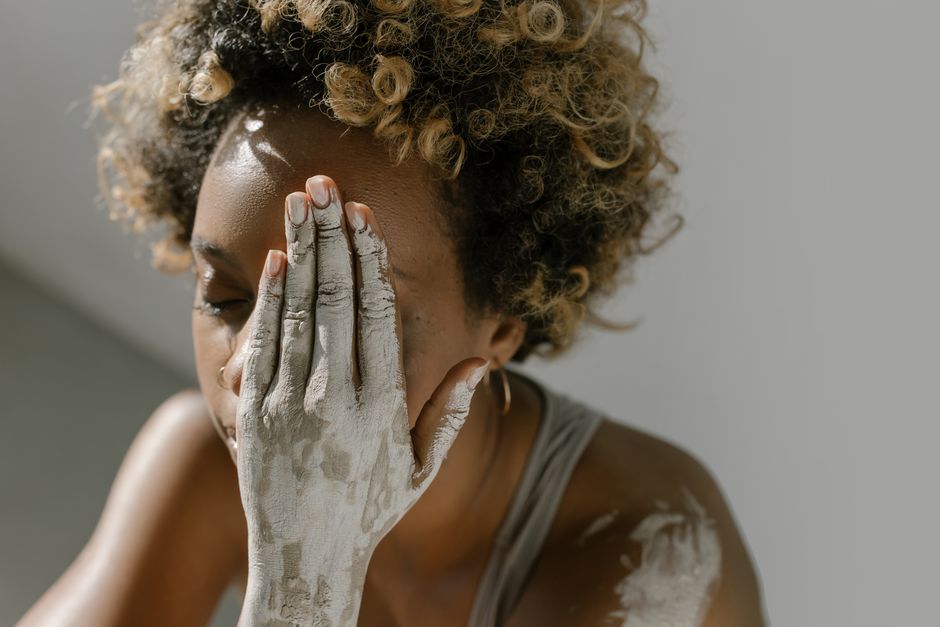
Technique 1: Thin, Even Layer
Resist the urge to slather on a thick layer. A thin, even layer is far more effective. A thick mask often dries unevenly, leading to some areas becoming overly dry while others remain damp and less effective. A thin layer allows for consistent drying and better contact with the skin, optimizing the absorption of impurities.
Technique 2: Targeted Zone Application
You don’t always need to mask your entire face. If your clogged pores are primarily on your T-zone (forehead, nose, chin), focus your clay mask there. Apply a hydrating or soothing mask to drier areas like your cheeks. This multi-masking approach ensures each area of your face gets exactly what it needs without over-drying or under-treating.
Technique 3: The “Damp Skin” Advantage
Applying your clay mask to slightly damp skin can help it spread more easily and prevent it from drying out too quickly. Just a few spritzes of a hydrating toner or plain water after cleansing can make a difference. This also ensures the clay isn’t working on completely dry skin, which can sometimes lead to excessive moisture extraction and irritation.
Technique 4: Timing Is Everything (Don’t Let It Fully Dry!)
This is crucial. The biggest mistake people make is letting their clay mask dry to a cracking, tight crisp. Once a clay mask is fully dry, it stops absorbing and starts pulling moisture from your skin, leading to dehydration and potential irritation. You want to rinse it off when it’s about 80-90% dry—when it still feels