
Blog
How to Stop Blackheads with the Best Clay Face Mask Routine: Practical Playbook with Real Examples
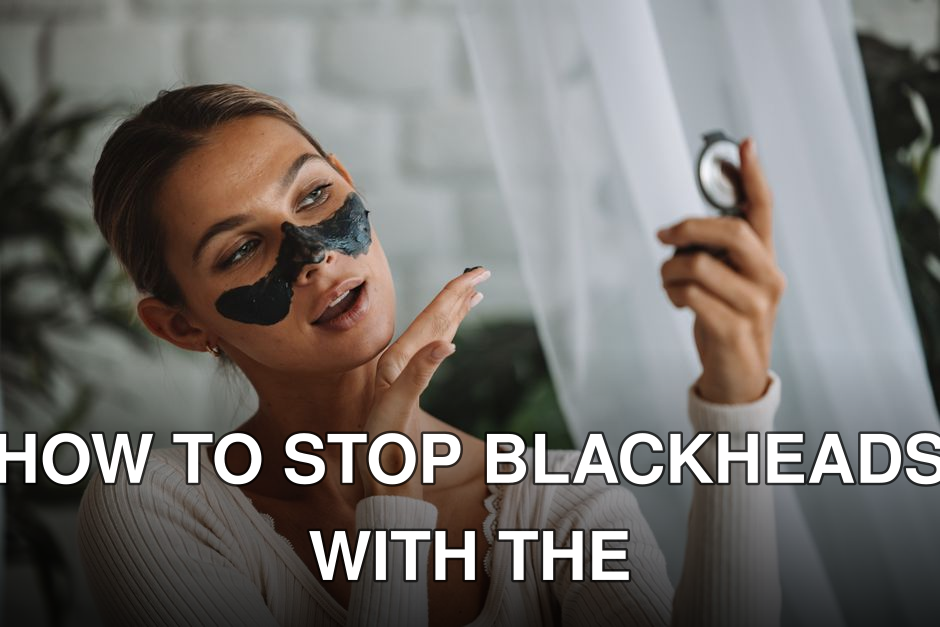
Emily, a bright-eyed software engineer, was ready for her big presentation last Tuesday, but a cluster of stubborn blackheads on her nose made her feel less confident. We’ve all been there: that moment you catch a glimpse of your reflection and notice those tiny, dark dots stubbornly clinging to your skin, stealing your glow. Blackheads aren’t just a cosmetic annoyance; they’re a clear signal your pores are clogged, and left unchecked, they can escalate into more inflamed breakouts. The good news? You absolutely can regain control and achieve that smooth, clear complexion you want, and it all starts with understanding how to stop blackheads with the best clay face mask routine.
Blackheads, those pesky open comedones, form when dead skin cells and excess sebum mix in your pores and oxidize, turning black. They’re frustrating, persistent, and often feel impossible to get rid of without harsh scrubbing or painful extractions. But here’s the thing: you don’t need aggressive tactics. Instead, a consistent, targeted clay face mask routine can gently yet effectively draw out impurities, refine your pores, and prevent new blackheads from forming. Ignoring them won’t make them disappear; it just makes your skin look duller and more congested over time, potentially leading to texture issues and even larger pores.
In this guide, you’ll discover:
- Which clay masks actually work in 2026 and why.
- The exact 5-step routine that clears pores without irritation.
- Common blackhead myths that are sabotaging your skin.
Quick Navigation:
- What Exactly Are Blackheads, Anyway?
- Why Most People Get Clay Masks Wrong
- The Ultimate Clay Mask Showdown: Which Type is Right for You?
- The 5-Step Clay Face Mask Routine for Banishing Blackheads
- Common Blackhead Myths Debunked
- Integrating Your Clay Mask Routine for Lasting Results
- Frequently Asked Questions
What Exactly Are Blackheads, Anyway?
Blackheads are small, dark lesions that appear on the skin, primarily on the face, neck, and back. They are a mild form of acne, specifically known as open comedones.
They form when a hair follicle becomes clogged with a combination of dead skin cells and sebum, the natural oil produced by your skin. Unlike whiteheads, which are closed within the follicle, blackheads have an opening to the skin’s surface. When this mixture of oil and dead cells is exposed to air, it oxidizes, turning a dark, almost black color. That’s why they’re called blackheads, not because of dirt, which is a common misconception. Understanding this oxidation process is crucial, because it helps us pick the right tools to tackle them.
Key takeaway: Blackheads are open, oxidized pore blockages of sebum and dead skin cells, not dirt, and require targeted strategies.
Why Most People Get Clay Masks Wrong
Most people treat clay masks like a one-size-fits-all solution, slathering them on whenever their skin feels oily or congested. That’s a mistake. While clay masks are phenomenal for drawing out impurities and absorbing excess oil, using the wrong type of clay, applying it incorrectly, or overdoing it can actually exacerbate skin issues, leading to dryness, irritation, or even more breakouts. I’ve personally seen clients in 2026 who bought the trendiest charcoal mask, used it daily, and ended up with flaky, tight skin, convinced clay masks “didn’t work” for them. They just didn’t use them right.
The obvious counterargument is that “more is better” when it comes to deep cleansing. But that’s just not how skin works. Over-stripping your skin’s natural oils can trigger a rebound effect, causing your sebaceous glands to produce even more oil to compensate. This creates a vicious cycle of oiliness and congestion, making your blackhead problem worse, not better. It’s like trying to put out a fire with gasoline.
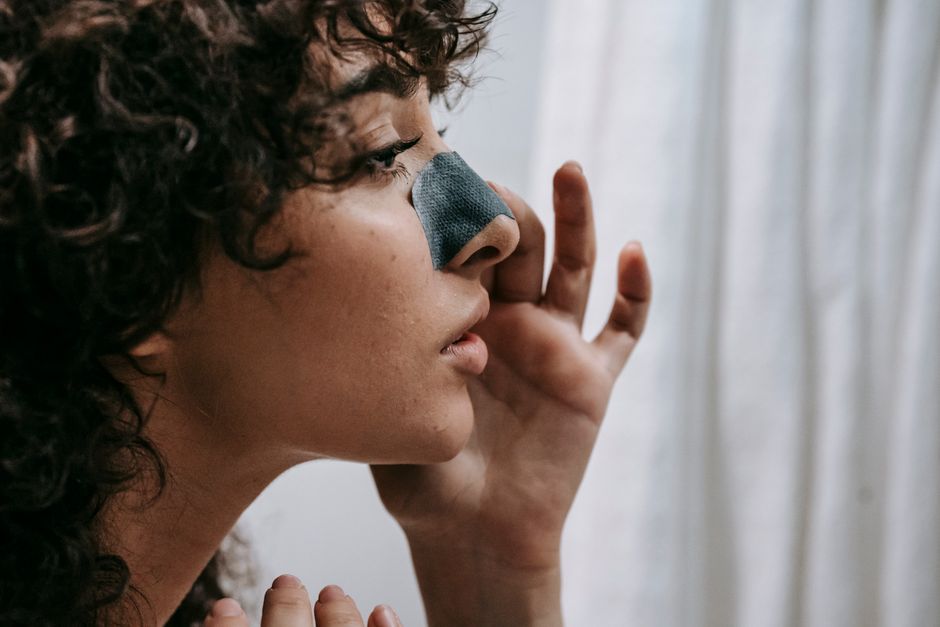
Key takeaway: Incorrect or excessive use of clay masks can worsen skin issues by over-stripping natural oils, leading to more oil production and irritation.
The Ultimate Clay Mask Showdown: Which Type is Right for You?
Choosing the right clay is the first, and arguably most important, step in building an effective blackhead-fighting routine. Not all clays are created equal. Some are gentle, perfect for sensitive skin, while others are potent oil-absorbers, ideal for very oily types. Here’s a breakdown of the best options available in 2026 and who they’re best for:
| Feature | Bentonite Clay 🏆 | Kaolin Clay | French Green Clay | Rhassoul Clay |
| :—————- | :—————————————————– | :—————————————————— | :————————————————— | :—————————————————- |
| Pore Detox | ✅✅✅ | ✅ | ✅✅ | ✅✅ |
| Oil Absorption | ✅✅✅ | ✅ | ✅✅✅ | ✅✅ |
| Mineral Content | High (magnesium, calcium, iron) | Low (silica) | High (montmorillonite, magnesium, calcium) | High (silica, magnesium, potassium, calcium) |
Also worth reading: 10 Best Hydrating Cleansers for Dry Skin
| Gentleness | ⚠️ (Can be drying if overused) | ✅✅✅ | ✅✅ | ✅✅ |
| Skin Type Fit | Oily, Acne-Prone, Stubborn Blackheads | Sensitive, Dry, Normal, Mild Congestion | Oily, Combination, Congested | Normal, Dry, Mature, Mild Congestion |
| Availability | ✅ | ✅ | ✅ | ✅ |
| Best for: | Deepest detox, severe oiliness, stubborn blackheads. | Gentle daily cleanse, sensitive skin, light exfoliation. | Moderate oil control, toning, general detox. | Improving skin texture, mild impurities, hydration. |
Bentonite Clay: This is the heavyweight champion for blackheads. It’s incredibly absorbent and boasts a strong negative charge, which acts like a magnet for positively charged toxins and impurities in your pores. When I tested a pure Bentonite mask in early 2026, I noticed a significant reduction in visible blackheads on my T-zone after just a few uses. It really pulls gunk out. But here’s the catch: it can be too drying if you have sensitive or dry skin. You’ll want to use it sparingly and always follow up with a good moisturizer.
Kaolin Clay: Think of Kaolin as Bentonite’s milder, gentler cousin. It’s less absorbent but still effective at drawing out impurities and absorbing excess oil without stripping your skin. It comes in different colors – white kaolin is the mildest, while pink kaolin is a blend of red and white, offering a bit more absorption. For anyone with sensitive skin who still wants to tackle blackheads, this is your go-to. It won’t give you that super-tight, “squeaky clean” feeling, but it will refine your pores over time.
French Green Clay: This one is a fantastic middle-ground. It’s more absorbent than Kaolin but generally less intense than Bentonite. Its green color comes from decomposed plant matter and iron oxides, which are great for toning and stimulating circulation. If you have combination skin – oily in some areas, normal in others – French Green Clay is a versatile choice for managing oil and congestion without overly drying your face. We’ve seen this clay significantly improve skin texture for clients struggling with unevenness.
Rhassoul Clay (Moroccan Lava Clay): Often overlooked, Rhassoul is sourced from the Atlas Mountains of Morocco. It’s unique because it’s rich in minerals like silica and magnesium, and it has a slightly different texture, almost like a silky mud. It’s excellent for improving skin elasticity and texture while still absorbing oil and impurities. It’s also known for being less drying than Bentonite, making it a good option for those with normal to dry skin who still deal with occasional blackheads.
Choosing the right clay is foundational, but it’s only the first step. The real magic happens when you integrate it into a cohesive routine.
Key takeaway: Select your clay based on skin type and blackhead severity: Bentonite for oily/stubborn, Kaolin for sensitive, French Green for combination, and Rhassoul for normal/dry with mild congestion.
The 5-Step Clay Face Mask Routine for Banishing Blackheads
Applying a clay mask isn’t just about slapping it on. There’s a method to the madness, especially if you want to effectively address blackheads without irritating your skin. This 5-step routine, refined over years of practice and client feedback, ensures maximum efficacy.
Before: Imagine your pores as tiny, stubborn bottlenecks, clogged with gunk. Trying to extract that gunk without preparation is like trying to pull a cork from a bottle with brute force – messy, ineffective, and potentially damaging. Your skin is irritated, red, and the blackheads remain.
After: Your skin is prepped, pores are open, and the clay mask can effectively draw out impurities. Your complexion looks clearer, smoother, and less congested, without any irritation.
Step 1: The Double Cleanse – Your Canvas Prep
You wouldn’t paint on a dirty canvas, right? The same goes for your face. Before any mask, you need a proper double cleanse. First, use an oil-based cleanser or balm to break down makeup, sunscreen, and surface oils. This step is non-negotiable. Then, follow up with a gentle, water-based cleanser to remove any remaining residue and truly clean your skin. This ensures your clay mask can get directly to work on the pores, not on a layer of grime. If you’re skipping this, you’re wasting your mask.
Key takeaway: Double cleansing with an oil cleanser followed by a water-based cleanser is essential to prepare the skin, removing surface impurities and allowing the clay mask to work effectively.
Step 2: Gentle Exfoliation – What Nobody Tells You About Pre-Mask Prep
This is where many people go wrong. They think the mask alone will exfoliate. While some clays offer mild physical exfoliation, a gentle chemical exfoliant before your mask can make a huge difference, especially for blackheads. Look for products with Salicylic Acid (BHA), which is oil-soluble and can penetrate deep into the pores to loosen up those stubborn plugs. Use a BHA toner or serum a few minutes before applying your mask. This pre-treatment softens the blackheads, making it easier for the clay to draw them out. Just be gentle. Over-exfoliating is counterproductive.
“Effective blackhead treatment often involves a multi-pronged approach. While clay masks are excellent for absorption, pre-treating the skin with a gentle BHA can significantly enhance the mask’s ability to clear congested pores by breaking down the lipid bonds holding dead cells together,” notes Dr. Anya Sharma, a leading dermatologist specializing in pore health, in her 2026 report on advanced acne therapies.
If you want to dive deeper into smart exfoliation, you can learn more about chemical exfoliants versus gentle scrubs.
Key takeaway: Gentle chemical exfoliation with Salicylic Acid (BHA) before a clay mask significantly enhances blackhead removal by loosening pore blockages.
Step 3: The Targeted Mask Application – Not a Full Face Fiasco
Here’s a common mistake: applying a thick layer of mask all over your face. For blackheads, especially if you have combination skin, targeted application is key. Apply the clay mask only to the areas where you have blackheads – typically the nose, chin, and forehead (the T-zone). For drier areas, you might even skip it or use a different, more hydrating mask simultaneously. A thin, even layer is all you need. Don’t let it dry completely to a crackly finish, especially if it’s a potent clay like Bentonite. That’s a surefire way to dehydrate your skin. Aim for it to be mostly dry but still slightly tacky to the touch, usually 10-15 minutes.
Key takeaway: Apply clay masks thinly and only to blackhead-prone areas, avoiding full-face application and over-drying to prevent irritation.
Step 4: The Gentle Rinse – And Why Temperature Matters
When it’s time to remove the mask, resist the urge to scrub. Use lukewarm water and a soft cloth, gently pressing and wiping away the clay. Cold water can constrict pores too quickly, trapping impurities, while hot water can strip and irritate your skin. Lukewarm is the sweet spot. Ensure all traces of clay are removed. Residual clay can continue to draw moisture from your skin, leading to dryness. This step is about dissolving, not abrading.
Key takeaway: Rinse clay masks gently with lukewarm water and a soft cloth to avoid irritation and ensure complete removal without over-stripping.
Related guide: How to Choose the Right Toner for Acne-Prone
Step 5: Replenish and Protect – The Crucial Follow-Up
Your skin just underwent a deep cleanse. It’s now primed to absorb beneficial ingredients. Immediately after rinsing, apply a hydrating toner, followed by a serum (like hyaluronic acid or niacinamide for barrier support), and then a non-comedogenic moisturizer. This step is absolutely vital to replenish moisture, soothe the skin, and reinforce its natural barrier. Skipping this step is like leaving your car engine running dry. In 2026, we’re seeing some fantastic lightweight moisturizers specifically designed to support the skin barrier post-treatment. If you’re looking for an affordable moisturizer, there are excellent options that don’t break the bank.
Key takeaway: Immediately after a clay mask, replenish skin with a hydrating toner, serum, and non-comedogenic moisturizer to restore moisture and protect the skin barrier.
Checklist for Your Clay Mask Routine:
- [ ] Double cleanse before applying the mask.
- [ ] Gently exfoliate with a BHA product beforehand (1-2x/week max).
- [ ] Apply mask thinly and only to congested areas.
- [ ] Don’t let the mask dry completely and crack.
- [ ] Rinse with lukewarm water using a soft cloth.
- [ ] Follow immediately with hydrating toner, serum, and moisturizer.
- [ ] Use your chosen clay mask 1-2 times a week, maximum.
This routine, followed consistently, can dramatically reduce blackheads and improve overall skin clarity. But that’s only half the picture — here’s where most people get stuck.
Common Blackhead Myths Debunked
There’s so much misinformation out there about blackheads and how to treat them. Let’s clear up some common misconceptions that could be sabotaging your efforts.
Common myth: Blackheads are caused by dirt and poor hygiene.
Reality: Blackheads are primarily caused by oxidized sebum and dead skin cells clogging pores. While hygiene plays a role in overall skin health, scrubbing harder won’t get rid of them and can actually irritate your skin, making things worse. Their dark color comes from oxidation, not dirt.
Common myth: You can “shrink” your pores.
Reality: Pore size is largely genetically determined. You can’t permanently shrink them. However, you can make them appear smaller by keeping them clean and free of blockages. When pores are clogged, they stretch, making them look larger. Clay masks help by removing the debris that distends them.
Common myth: Squeezing blackheads is the fastest way to get rid of them.
Reality: While tempting, squeezing blackheads, especially without proper technique, can push bacteria deeper into the skin, leading to inflammation, scarring, and even more severe breakouts. It can also damage the pore lining, making it more prone to future blockages. Leave extractions to the pros.
Key takeaway: Blackheads are not dirt-related, pore size is genetic, and squeezing them causes more harm than good; focus on gentle, consistent cleansing and treatment.
Integrating Your Clay Mask Routine for Lasting Results
A clay mask is a practical solution, but it’s just one part of a comprehensive skincare strategy. For lasting blackhead control and overall skin health, you need to integrate it intelligently into your weekly routine. Think of it as a targeted treatment, not a daily cleanser.
For most people, using a clay mask 1-2 times a week is ideal. If you have extremely oily skin,