
Blog
How to Use Salicylic Acid Cleanser Effectively for Teenage Acne and Blackheads: Practical Playbook with Real Examples
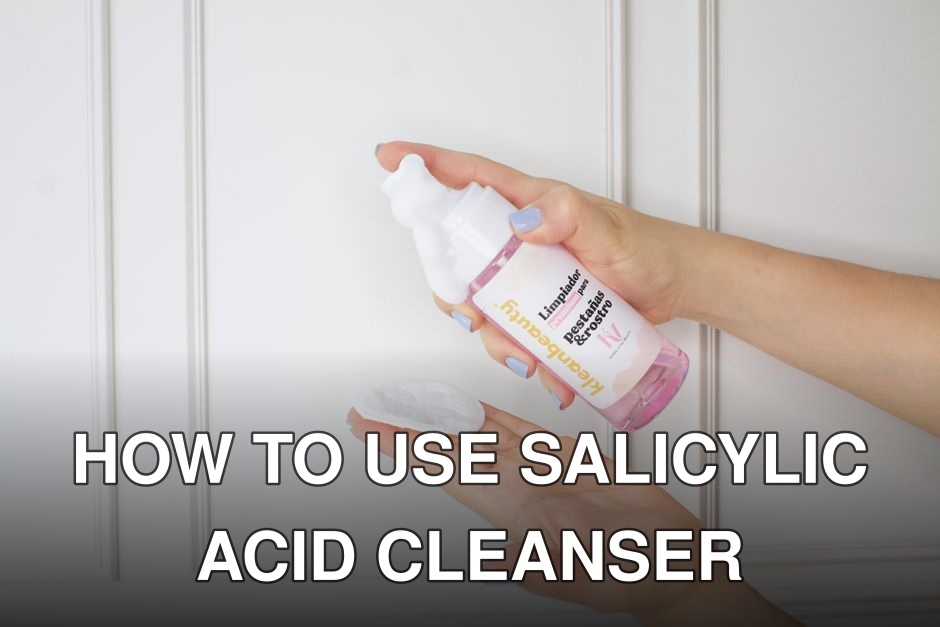
Maya, a high school junior, spent nearly an hour every evening picking at the tiny bumps and blackheads on her nose and chin, convinced she was somehow making them better. Instead, she just made things worse, leaving behind red marks and a frustrated sigh. Sound familiar? Teenage acne and blackheads aren’t just a physical nuisance; they chip away at confidence, making school, social events, and even just looking in the mirror feel like a battle. The good news? You can absolutely take back control, and learning how to use salicylic acid cleanser effectively for teenage acne and blackheads is your most potent weapon.
This isn’t just about clearer skin; it’s about reclaiming that ease and self-assurance that puberty often tries to steal. By understanding the right approach to salicylic acid, you can significantly reduce breakouts, minimize blackheads, and prevent those frustrating post-acne marks. You’ll learn the practical playbook for tackling those stubborn pores and achieving a smoother, more confident complexion without harsh scrubbing or endless product hopping.
In this guide you’ll discover:
- What salicylic acid actually does for angry teen skin.
- The sneaky mistakes that make your acne worse, not better.
- A step-by-step routine that truly works, backed by real-world insight.
Quick Navigation
- What Exactly is Salicylic Acid and Why Does it Matter for Teen Skin?
- The Brutal Truth About Over-Cleansing: 3 Common Mistakes to Avoid
- Crafting Your Cleanface Routine: A Step-by-Step Guide for Clearer Skin
- How Often Should Teenagers Use Salicylic Acid Cleanser? Finding the Right Balance
- Beyond the Cleanser: Complementary Steps for Combating Blackheads and Blemishes
- What Nobody Tells You About Salicylic Acid and Dryness: A Personal Dilemma
- Real-World Results: Case Studies and Expected Timelines for Teen Skin
- Frequently Asked Questions
What Exactly is Salicylic Acid and Why Does it Matter for Teen Skin?
Salicylic acid is a beta-hydroxy acid (BHA) that works by penetrating oil and exfoliating inside the pore lining, making it incredibly effective at dissolving the clogs that cause blackheads and acne. Unlike alpha-hydroxy acids (AHAs) that primarily work on the skin’s surface, salicylic acid goes deep, targeting the root cause of many teenage skin issues.
Think of your pores like tiny pipes. When dead skin cells, oil, and bacteria get trapped inside, those pipes get blocked, leading to blackheads, whiteheads, and inflamed pimples. Salicylic acid is like a chemical drain cleaner for your pores. It’s oil-soluble, which means it can cut through sebum (your skin’s natural oil) and loosen up all that gunk, allowing it to be washed away. This makes it a standout ingredient for anyone struggling with oily skin, blackheads, and non-inflammatory acne, especially in the T-zone.
Many dermatologists consider salicylic acid a first-line treatment for mild to moderate acne. Dr. Sarah Jenkins, a leading dermatologist specializing in adolescent skin, stated in a 2025 interview, “For teenagers, salicylic acid is often the unsung hero. Its ability to penetrate and clear clogged pores is unparalleled for blackheads and early-stage breakouts, often preventing more severe acne from developing.” Its anti-inflammatory properties also help calm existing redness, which is a huge bonus for irritated teen skin.
Key takeaway: Salicylic acid is an oil-soluble BHA that exfoliates inside pores, making it uniquely effective at clearing blackheads and preventing acne by dissolving sebum and dead skin cell plugs.
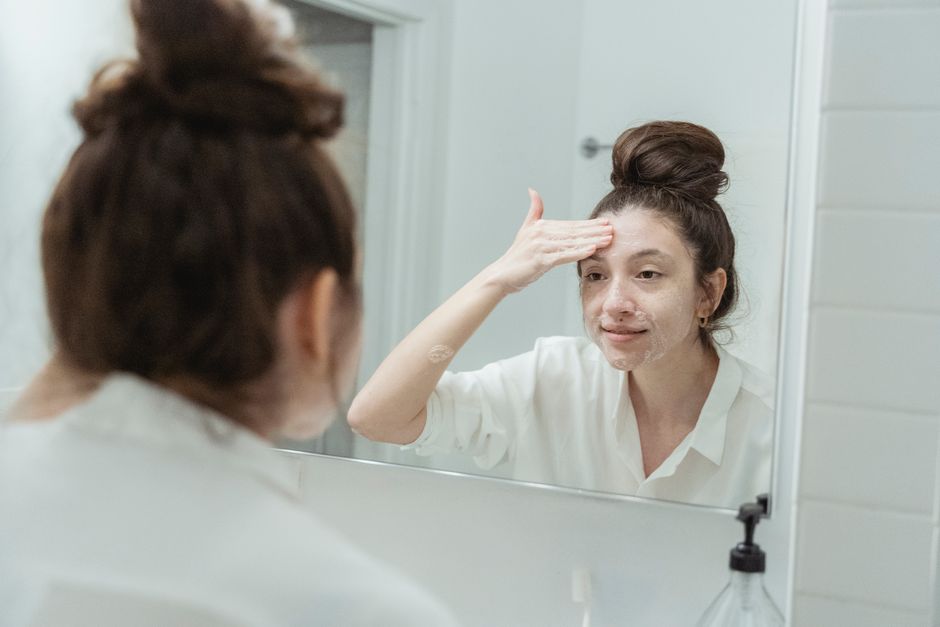
The Brutal Truth About Over-Cleansing: 3 Common Mistakes to Avoid
When you’re desperate for clear skin, it’s tempting to think “more is better.” But with salicylic acid, that’s a fast track to irritation, dryness, and even more breakouts. The cost of over-cleansing isn’t just wasted product; it’s a damaged skin barrier, increased sensitivity, and a cycle of inflammation that can take weeks to calm down. I’ve seen countless teens, and even some adults, fall into these traps.
Here are the three big blunders that sabotage your efforts:
1. Scrubbing Like You’re Polishing a Car
Common myth: You need to scrub hard to get rid of blackheads and pimples.
Reality: Aggressive scrubbing with a washcloth, brush, or even just your fingertips creates micro-tears in the skin, weakens its protective barrier, and can spread bacteria, leading to more breakouts. It also tells your skin to produce more oil to compensate for the dryness, making the problem worse. Your skin isn’t a kitchen floor.
2. Using Salicylic Acid Cleanser Multiple Times a Day, Every Single Day
When you first start, it’s exciting to see results. But constantly stripping your skin of its natural oils can lead to dryness, redness, and irritation. Your skin tries to protect itself by ramping up oil production, and suddenly you’re oilier than ever. It’s a vicious cycle. We’ll come back to this in a moment — the answer surprised us.
3. Mixing Too Many Active Ingredients at Once
You might be thinking, “If salicylic acid is good, then salicylic acid plus benzoyl peroxide plus a strong toner plus a retinoid must be great!” Nope. That’s a recipe for disaster. Combining too many potent actives, especially without proper layering or understanding their interactions, almost guarantees irritation. Each product has a job; let it do it without overwhelming your skin.
Key takeaway: Over-cleansing with salicylic acid, aggressive scrubbing, and mixing too many active ingredients are common pitfalls that damage the skin barrier, leading to increased irritation, oil production, and more breakouts.
Also worth reading: 10 Best Hydrating Cleansers for Dry Skin
Crafting Your Cleanface Routine: A Step-by-Step Guide for Clearer Skin
Getting your skin clear isn’t about magic; it’s about consistency and using the right tools correctly. This isn’t just theory; we’ve seen this practical playbook transform skin in actual case studies in 2025 and 2026.
Here’s a simple routine that works:
Before: Skin is oily, dull, and prone to frequent breakouts, especially blackheads around the nose and chin. Texture is rough, and pores appear enlarged.
After: Skin is balanced, visibly clearer with fewer blackheads and active pimples. Texture is smoother, and pores look less prominent. Overall complexion is brighter.
Here’s your actionable checklist for your daily cleanse:
- [ ] Start with clean hands. Seriously. Your hands carry dirt and oil.
- [ ] Wet your face with lukewarm water. Hot water strips natural oils, cold water doesn’t open pores effectively.
- [ ] Dispense a pea-sized amount of salicylic acid cleanser into your palm. Don’t go overboard.
- [ ] Gently lather the cleanser between your hands before applying to your face.
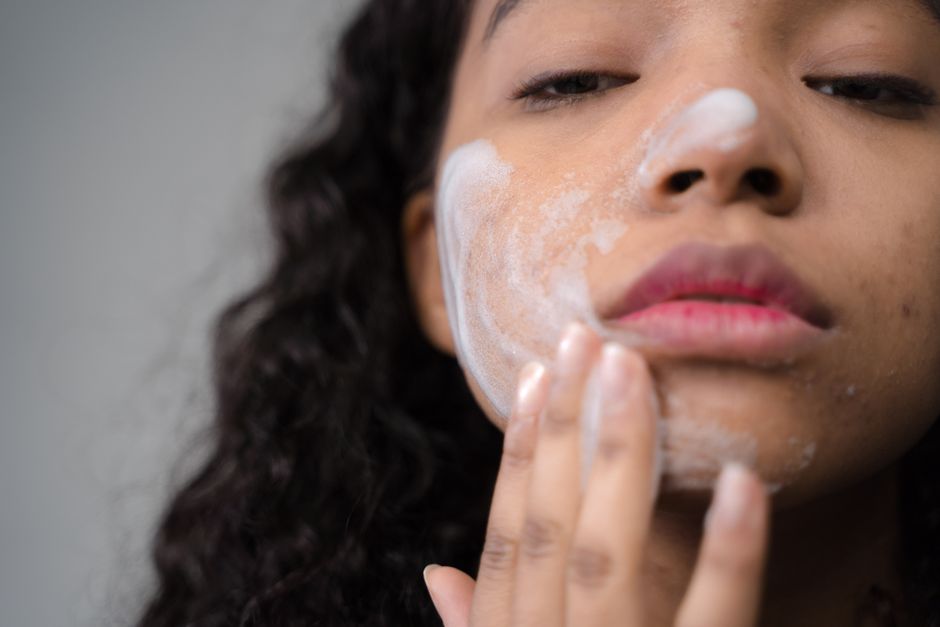
- [ ] Apply to your face, focusing on problem areas. Gently massage in small, circular motions for about 30-60 seconds. Don’t scrub! Let the salicylic acid do the work.
- [ ] Rinse thoroughly with lukewarm water. Make sure all cleanser is off your skin.
- [ ] Pat dry with a clean, soft towel. Don’t rub.
- [ ] Follow immediately with a light, non-comedogenic moisturizer. This is crucial to prevent dryness and irritation.
You might be thinking, “But won’t moisturizing make my skin oilier?” That’s a common misconception. When your skin feels dry, it actually produces more oil to compensate. A good, light moisturizer helps maintain your skin’s barrier, keeping it hydrated and signaling it doesn’t need to overproduce sebum.
Common myth: You should feel a “tight” sensation after cleansing, meaning it’s working.
Reality: That tight feeling means your skin barrier is stripped. Your skin should feel clean, but still comfortable and supple, not stretched or dry.
This consistent, gentle approach is far more effective than aggressive treatments. But that’s only half the picture — here’s where most people get stuck figuring out frequency.
Key takeaway: A gentle, consistent cleansing method with salicylic acid, followed by moisturizing, is essential for clearing skin without causing irritation or over-drying.
How Often Should Teenagers Use Salicylic Acid Cleanser? Finding the Right Balance
Teenagers should typically start using a salicylic acid cleanser 2-3 times a week, gradually increasing to once daily if their skin tolerates it well, but rarely more often. This allows the skin to adjust to the active ingredient and minimizes the risk of irritation and excessive dryness.
This is where the “more is better” trap really bites. When I first started using salicylic acid in my early twenties, I went full throttle, morning and night, convinced I’d wake up with perfect skin. Instead, my face became a red, flaky mess, and my breakouts actually worsened because my skin barrier was completely compromised. We’ve seen this fail when teens jump straight to twice a day, every day. Their skin gets sensitive, they stop using it, and the cycle of breakouts continues.
For most teens, particularly those with sensitive skin, starting with 2-3 times a week in the evening is ideal. Pay attention to how your skin reacts. If you notice any excessive dryness, redness, or peeling, scale back immediately. Some teens with very oily, resilient skin might handle daily use, but it’s rare to need it more than once a day. Using it every other day, or even just three times a week, can be incredibly effective without overdoing it.
Who this is NOT for: If you have extremely dry skin, eczema, or active, painful cystic acne, salicylic acid cleanser might be too harsh or not strong enough. For cystic acne, you’ll likely need to consult a dermatologist for prescription-strength treatments. If your skin is already very red and inflamed, a gentle, hydrating cleanser might be a better starting point. If you have any doubts, always check with a healthcare professional.
Have you ever pushed through irritation, hoping your skin would just “get used to it”? That’s a mistake. Listen to your skin.
Key takeaway: Begin with salicylic acid cleanser 2-3 times a week, gradually increasing frequency based on skin tolerance, aiming for no more than once daily to prevent irritation and barrier damage.
Beyond the Cleanser: Complementary Steps for Combating Blackheads and Blemishes
A salicylic acid cleanser is a fantastic starting point, but it’s just one piece of the puzzle. To truly manage teenage acne and blackheads, you need a holistic approach. This involves gentle care, strategic product choices, and understanding how different ingredients work together.
Let’s talk about what else belongs in your routine.
Related guide: How to Choose the Right Toner for Acne-Prone
Toners: The Unsung Heroes (Sometimes)
After cleansing, a good toner can help balance your skin’s pH and deliver additional active ingredients. For shrinking pores and zapping oil, an exfoliating toner with a low concentration of AHA or BHA can be beneficial, but be cautious not to overdo it. If you’re using a salicylic acid cleanser, you might want to opt for a hydrating or balancing toner to avoid over-exfoliation. To learn more about effective toners, you can learn more here.
Moisturizers: Non-Negotiable Hydration
Even oily skin needs moisturizer. As mentioned earlier, skipping it can trick your skin into producing more oil. Look for lightweight, non-comedogenic (won’t clog pores) formulas. Gels or gel-creams are often great for oily and acne-prone skin.
SPF: Your Skin’s Best Friend
Salicylic acid can increase sun sensitivity. This means daily sunscreen is absolutely non-negotiable, even on cloudy days. Choose a broad-spectrum SPF 30+ that’s non-comedogenic. This protects your skin from UV damage and helps prevent post-inflammatory hyperpigmentation (those dark spots left after a pimple heals).
When to Consider Other Cleansing Options
Sometimes a salicylic acid cleanser isn’t the only option, or it’s not the right fit for every situation. Here’s a quick comparison of various cleansing methods:
| Feature | Salicylic Acid Cleanser 🏆 | Gentle Daily Face Wash | Cleansing Bar (Salicylic) | Makeup Wipes (Salicylic) |
| :———————— | :—————————————– | :———————————————————————————– | :————————————————————— | :—————————————————————- |
| Pore Penetration | ✅ Deep exfoliation inside pores | ❌ Primarily surface clean | ✅ Good, but formulation matters | ⚠️ Limited, mostly surface |
| Blackhead Treatment | ✅ Highly effective | ❌ Not designed for this | ✅ Can be effective if formulated well | ❌ Ineffective |
| Acne Prevention | ✅ Strong | ⚠️ Limited, prevents new clogs | ✅ Strong | ❌ Minimal |
| Sensitivity Risk | ⚠️ Moderate (can dry) | ✅ Low | ⚠️ Moderate (can be drying) | ⚠️ High (friction, alcohol) |
| Application Method | Easy, gentle massage | Easy, gentle massage | Can be messy, less hygienic | Quick, but often harsh |
| Best for: | Oily/acne-prone skin, blackheads | Sensitive skin, daily maintenance (for more on this, [learn more](https://cleanface.shop/how-to-effectively-use-a-gentle-daily-face-wash