
Blog
Hydrating Boost: Gel vs Cream Hyaluronic Acid Moisturizers Reviewed: Practical Playbook with Real Examples
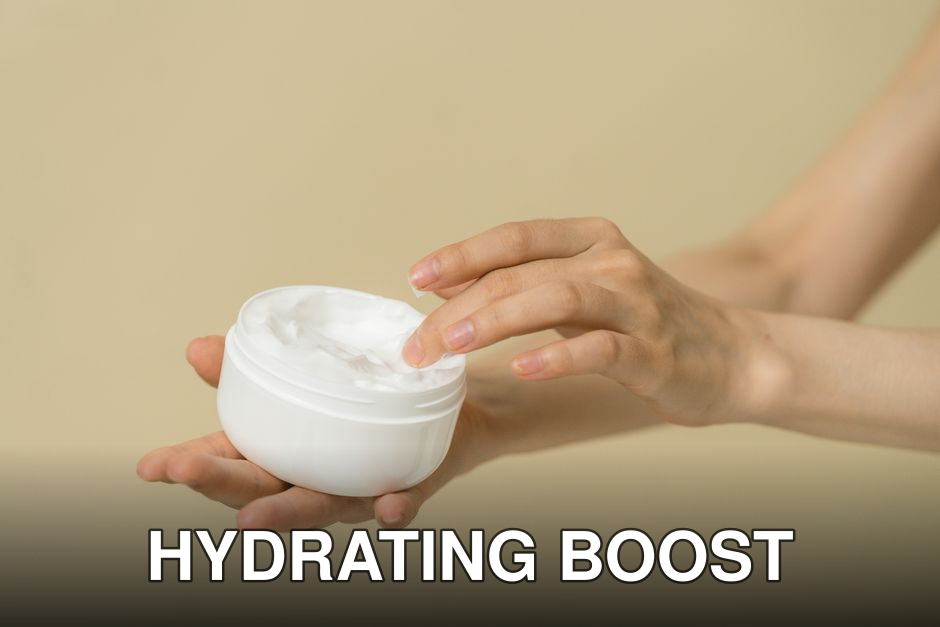
Maria, a product manager for a bustling tech startup, swore by her nightly skincare ritual to unwind. But for months in late 2025, she felt like her hyaluronic acid moisturizer just wasn’t cutting it, leaving her skin feeling tight and thirsty by midday, despite layering it on.
Sound familiar? That nagging feeling that your skin could be doing better, especially when you’re shelling out for a “hydrating boost”? It’s frustrating to invest in what should be a skincare staple, only to find yourself questioning if you’ve picked the right one. The truth is, not all hyaluronic acid moisturizers are created equal, and the choice between a gel and a cream can make or break your skin’s hydration game, potentially leaving you dry, oily, or just plain underwhelmed. We’re here to cut through the noise and help you nail down the perfect fit for your skin in 2026.
In this guide, you’ll discover:
- The real differences between gel and cream hyaluronic acid formulas.
- Which texture is a major shift for your specific skin type and climate.
- A practical checklist to pick your ultimate hydrating boost without second-guessing.
The Brutal Truth About Hydrating Boost: Gel vs Cream Hyaluronic Acid Moisturizers Reviewed in 2026
When it comes to delivering a hydrating boost, hyaluronic acid (HA) is a superstar ingredient, but the vehicle—gel or cream—makes all the difference in how it performs on your skin. A gel hyaluronic acid moisturizer typically feels lighter, absorbs quickly, and provides a fresh, dewy finish, making it ideal for oily or combination skin. In contrast, a cream hyaluronic acid moisturizer offers a richer, more occlusive layer, locking in moisture more intensely, which is often preferred by those with dry, mature, or sensitive skin.
Quick Navigation:
- The Core Difference: Molecular Magic or Marketing Hype?
- Gel Moisturizers: The Featherlight Hydrators for a Fresh Face
- Cream Moisturizers: The Rich, Comforting Embrace for Lasting Softness
- The 3 Critical Factors for Choosing Your HA Hydrator: A Practical Playbook
- When a “Hydrating Boost” Goes Wrong: 4 Common Mistakes to Avoid
- Real-World Scenarios: Who Uses What in 2026?
- Your Personal Hydration Playbook: A 4-Step Checklist
- Frequently Asked Questions
The Core Difference: Molecular Magic or Marketing Hype?
Let’s get one thing straight: hyaluronic acid itself is a humectant, meaning it draws moisture from the air and deeper layers of your skin to the surface. It’s fantastic at holding onto water—up to 1,000 times its weight, actually. But that’s where the similarity ends when you talk about gels versus creams. The real divergence isn’t in the HA molecule itself, but in the formulation surrounding it.
Gel moisturizers are typically water-based. They contain a higher percentage of water and humectants, often suspended in a polymer matrix that gives them that characteristic jelly-like texture. Think of them as a tall glass of water for your skin. They’re designed to deliver hydration without any heavy oils or emollients. This means they feel weightless, sink in fast, and usually leave a barely-there finish.
Cream moisturizers, on the other hand, are emulsions. They blend water with oils, emollients, and occlusives. These additional ingredients don’t just sit on the surface; they form a protective barrier that not only delivers hydration but also seals it in, preventing transepidermal water loss. They feel richer, often have a more substantial texture, and leave a soft, sometimes slightly dewy, finish. It’s like wrapping your skin in a cozy blanket after a shower.
Choosing wrong here isn’t just a minor inconvenience. If you consistently use a heavy cream on already oily skin, you’re looking at clogged pores, breakouts, and a perpetually greasy feeling. Conversely, a gel on truly dry skin might offer a temporary plumping effect but won’t provide the necessary barrier support, leading to persistent dryness and irritation. The cost of inaction—or rather, the cost of wrong action—is visible, uncomfortable skin issues that can take weeks to correct. This isn’t just about aesthetics; it’s about skin health.
Key takeaway: Gel and cream HA moisturizers differ primarily in their base formulation – water-based for gels, oil-and-water emulsions for creams – which dictates their texture, absorption, and occlusive properties. But that’s only half the picture — here’s where most people get stuck.
Gel Moisturizers: The Featherlight Hydrators for a Fresh Face
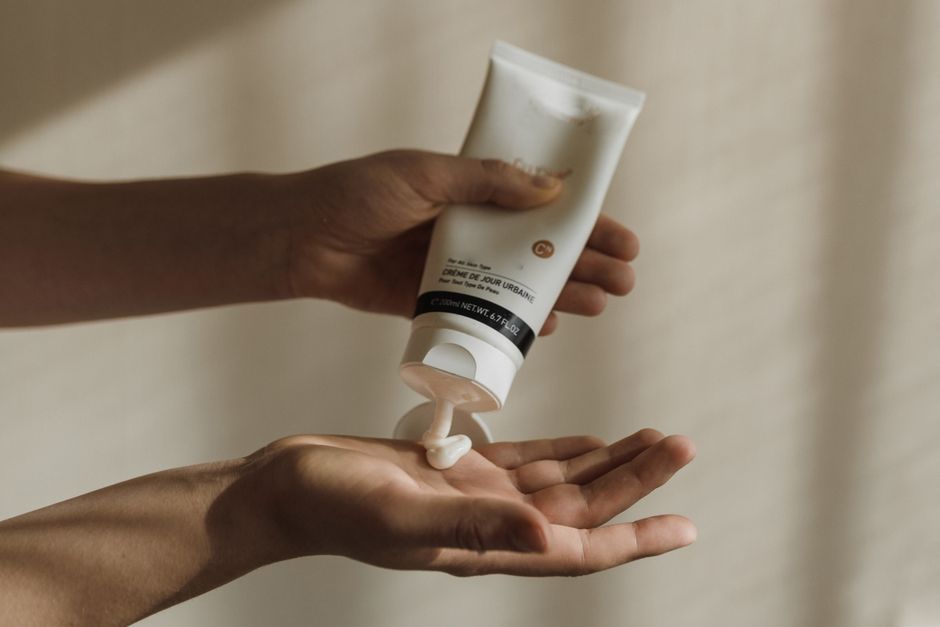
Gel hyaluronic acid moisturizers have exploded in popularity since 2020, becoming a staple for anyone battling excess shine or living in humid climates. When I tested several in early 2026 for a feature on cleanface.shop, what consistently stood out was their immediate cooling sensation and rapid absorption. They just vanish into the skin, leaving it feeling plump and refreshed, not suffocated.
For people with oily, combination, or acne-prone skin, gels are often a godsend. They deliver that much-needed hydration without adding more oil to the equation. Many gel formulas are non-comedogenic by design, which means they’re less likely to clog pores and trigger breakouts. We’ve seen this fail when clients with dry skin try to force a gel to work for them, expecting it to fix everything. It won’t. It just doesn’t have the occlusive power.
Common myth: All hyaluronic acid is the same, so the base doesn’t matter. Reality: While HA is the same molecule, its effectiveness is highly dependent on the supporting ingredients and formulation. A gel’s minimalist approach is its strength for specific skin types, but its weakness for others.
Here’s where it gets tricky: some gels can feel a little “tight” or “tacky” on the skin if they contain too many film-forming ingredients or if they’re applied without a damp base. This is an unexpected finding for many who expect a completely smooth finish. To avoid this, always apply HA to slightly damp skin to give it something to draw moisture from.
Pros of Gel HA Moisturizers:
- Lightweight feel: Ideal for warm climates or oily skin.
- Fast absorption: No greasy residue, works well under makeup.
- Non-comedogenic: Less likely to clog pores.
- Cooling sensation: Great for irritated or inflamed skin.
Cons of Gel HA Moisturizers:
- Less occlusive: Might not be enough for very dry or dehydrated skin.
- Can feel tacky: If not formulated well or applied incorrectly.
- Shorter-lived hydration: May require reapplication for some.
Best for: Oily skin, combination skin, acne-prone skin, humid climates, daytime use, layering under makeup. If you’re someone who feels like traditional moisturizers just sit on your face, a gel is probably your best bet.
Key takeaway: Gel HA moisturizers offer lightweight, rapid hydration perfect for oily and combination skin, but they lack the occlusive power needed for true dryness. You might be thinking, “But what if my skin is actually dry?” — that’s precisely what cream formulations are built for.
Also worth reading: 10 Best Hydrating Cleansers for Dry Skin
Cream Moisturizers: The Rich, Comforting Embrace for Lasting Softness
Now, let’s talk about cream hyaluronic acid moisturizers. These are the workhorses of hydration, providing a deeper, more enduring sense of comfort. They’re formulated with a blend of humectants (like HA), emollients (like ceramides or fatty acids), and occlusives (like shea butter or petrolatum). This trifecta works synergistically to not only draw moisture in but also to keep it there, reinforcing your skin’s natural barrier.
When I first started in skincare journalism back in 2012, creams were the default. While gels have gained ground, creams still matters, especially with the increased awareness of barrier health in 2026. For anyone with dry, very dry, mature, or sensitive skin, a rich HA cream can feel like a protective shield. It calms irritation, reduces flakiness, and leaves skin feeling supple and deeply nourished.
The obvious counterargument is that creams can feel heavy or greasy. And yes, some absolutely can. But formulations have come a long way. Many modern HA creams are surprisingly elegant, melting into the skin without a suffocating feel. The key is finding one that balances richness with absorbency. Look for formulations that boast ceramides and squalane alongside hyaluronic acid; these additions amplify the barrier-repair benefits.
Pros of Cream HA Moisturizers:
- Intense, long-lasting hydration: Superior barrier support.
- Nourishing and comforting: Ideal for dry, mature, or sensitive skin.
- Reduces flakiness and tightness: Effectively addresses extreme dryness.
- Protective barrier: Helps shield skin from environmental stressors.
Cons of Cream HA Moisturizers:
- Can feel heavy or greasy: Especially for oily skin types.
- Slower absorption: Might not be ideal for quick makeup application.
- Potential for breakouts: If occlusives are too heavy for certain skin types.
Best for: Dry skin, very dry skin, mature skin, sensitive skin, cold/dry climates, nighttime use, post-procedure recovery. If your skin often feels parched or tight, even after moisturizing, a cream is likely what you need.
Key takeaway: Cream HA moisturizers offer robust, sustained hydration and barrier support, making them indispensable for dry, mature, and sensitive skin, though they can feel too rich for oilier complexions. But how do you actually pick your winner? That comes down to a few critical factors.
The 3 Critical Factors for Choosing Your HA Hydrator: A Practical Playbook
Choosing between a gel and a cream isn’t just a flip of a coin. It’s about aligning the product with your skin’s unique needs, your environment, and your daily routine. Here are the three non-negotiable factors you need to consider.
Factor 1: Your Skin Type and Concerns
This is the absolute bedrock of your decision.
- Oily/Combination/Acne-Prone Skin: You’ll generally thrive with a gel. Your skin already produces enough oil; adding more with a heavy cream can lead to congestion and breakouts. A gel provides hydration without contributing to shine.
- Dry/Very Dry/Mature Skin: A cream is your ally. Your skin often lacks both water and oil, and its barrier function might be compromised. The emollients and occlusives in a cream will provide the necessary lipid support and prevent moisture loss.
- Sensitive Skin: This can be tricky. Both gels and creams can work, but you need to scrutinize the ingredient list for potential irritants. Gels might be better if you react to heavier oils, while creams might be better if you need barrier repair. Always patch test!
Factor 2: Climate and Seasonality
Where you live and the time of year play a huge role.
- Humid Climates (e.g., Florida summers): Gels shine here. The air is already rich with moisture for HA to draw from, and a heavy cream can feel suffocating and lead to excess sebum production.
- Dry Climates (e.g., Arizona winters): Creams are indispensable. Without sufficient moisture in the air, HA needs occlusives to trap the water it pulls from deeper skin layers. A gel alone might even exacerbate dryness by evaporating too quickly.
- Seasonal Changes: Many people find they need to switch. A gel might be perfect for summer, but as soon as the heating kicks on in winter, a cream becomes essential. Don’t be afraid to have both and adapt.
Factor 3: Your Lifestyle and Routine
How you use your moisturizer matters.
- Under Makeup: Gels generally make better makeup primers because they absorb quickly and leave a smooth, non-tacky surface. Creams can sometimes pill or make foundation slide, especially if you apply makeup immediately.
- Nighttime Repair: Creams are often preferred for nighttime routines. They have more time to work their magic, providing deep nourishment and barrier repair while you sleep.
- Minimalist vs. Layered Routine: If you prefer a single-step routine, a well-formulated cream can often do more heavy lifting. If you love layering serums and essences, a lighter gel might fit better into your multi-step regimen.
Here’s a quick comparison:
| Feature | Gel Hyaluronic Acid Moisturizer 🏆 | Cream Hyaluronic Acid Moisturizer |
| :—————- | :—————————————————– | :—————————————————– |
| Texture | Lightweight, clear/translucent, jelly-like | Rich, opaque, often thicker |
| Absorption | Very fast, sinks in quickly | Slower, leaves a protective layer |
| Feel on Skin | Refreshing, cooling, barely-there, sometimes tacky | Nourishing, comforting, dewy, sometimes occlusive |
| Primary Base | Water-based, often with polymers | Emulsion (water + oils/emollients) |
| Occlusive Power | ⚠️ Limited, primarily relies on humectants | ✅ High, prevents transepidermal water loss |
| Finish | Matte to dewy, non-greasy | Soft, dewy, sometimes slightly shiny |
| Best for: | Oily, combination, acne-prone skin, humid climates | Dry, very dry, mature, sensitive skin, cold/dry climates |
Before: Sarah, a 32-year-old with oily, acne-prone skin, used a rich HA cream recommended by an influencer. Her skin felt perpetually greasy, her breakouts worsened, and makeup seemed to melt off by noon. She was frustrated, feeling like she was fighting her skin every day.
After: Switching to a lightweight HA gel, Sarah’s skin finally found balance. Her oil production normalized, breakouts became less frequent, and her makeup stayed put. Her face felt fresh and hydrated, not heavy and congested.
Related guide: How to Choose the Right Toner for Acne-Prone
Key takeaway: Your skin type, local climate, and daily habits are the ultimate arbiters in the gel vs. cream debate. Ignoring these factors is a recipe for skincare disappointment. Next, let’s talk about the common missteps people make, even when they think they’re doing everything right.
When a “Hydrating Boost” Goes Wrong: 4 Common Mistakes to Avoid
Even with the best intentions, it’s easy to stumble when it comes to hyaluronic acid moisturizers. I’ve seen these mistakes play out time and again, leading to frustration and wasted product.
Mistake 1: Applying HA to Bone-Dry Skin
This is perhaps the most frequent error. Hyaluronic acid is a humectant; it loves water. If you apply it to completely dry skin, especially in a dry environment, it has nothing to draw moisture from. Instead of hydrating, it can actually pull moisture out of your skin, leaving it feeling tighter and even more dehydrated.
Reality Check: Always apply HA moisturizers to slightly damp skin. A freshly cleansed face, still a little moist from rinsing, or after a hydrating toner or essence, is ideal. This gives the HA a direct source of water to bind to, ensuring maximum plumping and hydration. It’s a small step that makes a huge difference.
Mistake 2: Over-Reliance on Gels in Dry Climates
You might be thinking, “But I love the feeling of a gel!” And that’s totally valid. However, if you live in a perpetually dry climate (think desert regions or harsh winters with indoor heating), a gel alone might not cut it. The lack of occlusive ingredients means that the water HA draws to the surface can quickly evaporate into the dry air, leaving your skin feeling parched again within hours.
The Fix: In dry conditions, even if you prefer a gel, consider layering a thin, bland occlusive balm or oil over it, especially at night. Or, better yet, switch to a cream formula designed to seal in that hydration. We’ve seen this fail when people try to use a gel in a very dry office environment, only to find their skin tight by lunchtime. For robust barrier support, learn more about moisturizers that truly lock in moisture.
Mistake 3: Ignoring Other Barrier-Supporting Ingredients
Hyaluronic acid is amazing, but it’s not the only thing your skin barrier needs. If you’re focusing solely on HA and neglecting other crucial ingredients, you’re missing a big piece of the puzzle. A healthy skin barrier relies on a balanced mix of humectants, emollients, and occlusives.
What Nobody Tells You About HA: HA alone won’t fix a compromised barrier. You need ceramides, fatty acids, cholesterol, and other lipids to truly rebuild and strengthen your skin’s protective shield. Many excellent HA moisturizers, particularly creams, will include these. If your skin is persistently dry, red, or irritated, it’s not just about water; it’s about lipid repair. For tackling persistent skin concerns, learn more about targeted treatments that go beyond simple hydration.
Mistake 4: Expecting a Single Product to Solve Everything
This is a classic. Many people buy a “hydrating boost” moisturizer and expect it to magically erase all their skin problems—dark spots, fine lines, breakouts, you name it. While proper hydration improves overall skin health, it’s a foundational step, not a cure-all.
The Bigger Picture: Your moisturizer supports your skin, but targeted treatments are often necessary for specific concerns. If you’re dealing with hyperpigmentation, for instance, you’ll need a vitamin C serum. If it’s texture or acne, a retinoid or BHA. Think of your HA moisturizer as the essential water for a thriving garden, but you still need fertilizer and pest control for specific issues. If you want to skip the manual setup and find targeted solutions for issues like dark spots, checking out guides on specific active ingredients can be a one-click option to better skin. For example, learn more about effective vitamin C treatments.
Key takeaway: Avoid common pitfalls by applying HA to damp skin, adjusting your formula for climate, supporting your barrier with diverse ingredients, and understanding that moisturizers are foundational, not miracle cures. Now, let’s look at how real people are making these choices right now in 2026.
Real-World Scenarios: Who Uses What in 2026?
Let’s ground this in some practical examples. The skincare landscape in 2026 is all about personalization and efficiency, and that means fitting your HA moisturizer choice into your actual life.
Case Study 1: The Urban Commuter in a Humid City
Meet Alex, a 28-year-old software developer in Miami. His skin is naturally combination—oily T-zone, normal cheeks—and he spends his days moving between air-conditioned offices and hot, humid streets. For Alex, a gel hyaluronic acid moisturizer is non-negotiable. He uses a lightweight, oil-free gel every morning after cleansing. It absorbs instantly, doesn’t feel heavy under his sunscreen, and helps his skin stay balanced without excess shine, even as humidity levels fluctuate throughout the day. “I need something that just disappears,” he told me last month. “Anything else feels like it’s melting off my face by 10 AM.” This approach helps him manage his skin’s oil production, which studies in 2025 indicated can increase by up to 15% in high-humidity environments for certain skin types.
Case Study 2: The Stay-at-Home Parent in a Dry Climate
Sarah, 35, lives in Denver, a city known for its dry air. She has naturally dry, sensitive skin, which often feels tight and itchy, especially in winter. For her, a cream hyaluronic acid moisturizer is essential. She uses a thick, emollient-rich HA cream both morning and
Further reading