
Blog
7 Best Affordable Moisturizers for Dry Skin Over 40 Women: Practical Playbook with Real Examples
The air conditioning in Maria’s office always felt like it was actively trying to suck the life out of her skin. By 3 PM, her cheeks felt tight, and those fine lines around her eyes, usually subtle, seemed to scream for attention. She’d spent a small fortune over the years on fancy creams promising miracles, only to find her wallet lighter and her skin still parched. Sound familiar?
Dry skin after 40 isn’t just a nuisance; it’s a constant battle against environmental aggressors, hormonal shifts, and the natural slowdown of our skin’s oil production. Ignoring it can lead to accelerated visible aging, discomfort, and a dull complexion that no amount of makeup can truly fix, potentially costing you more in specialized treatments down the line. But you don’t need a dermatologist’s salary to find something that actually works. The good news is, in 2026, the market is flooded with incredible, budget-friendly options that deliver real results.
In this guide, you’ll discover:
- Why affordable moisturizers can outperform their pricey counterparts for mature, dry skin.
- The essential ingredients to look for that deliver maximum hydration and barrier support.
- Seven specific, tested moisturizers that won’t break the bank but will transform your skin.
The Essential 7: Proven Affordable Moisturizers for Dry Skin Over 40 Women That Actually Work in 2026
For women over 40 battling dry skin, the best affordable moisturizers are those packed with humectants like hyaluronic acid, emollients such as ceramides and fatty acids, and occlusives like petrolatum or dimethicone, all working together to replenish moisture and fortify the skin’s barrier without irritation. These formulations prioritize efficacy and skin health over luxurious packaging or exotic, unproven ingredients.
Quick Navigation:
- Why Our Skin Gets Drier After 40: The Biological Truth
- What to Look For: 3 Essential Ingredients That Make a Difference
- 1. CeraVe Moisturizing Cream: The Dermatologist’s Darling
- 2. Vanicream Moisturizing Cream: For the Ultra-Sensitive
- 3. La Roche-Posay Lipikar Balm AP+M: Soothing and Repairing
- 4. Neutrogena Hydro Boost Water Gel (Extra Dry Skin): A Hydration Powerhouse
- 5. Cetaphil Moisturizing Cream: The Gentle Giant
- 6. Eucerin Advanced Repair Cream: Serious Barrier Support
- 7. Pond’s Rejuveness Anti-Wrinkle Cream: A Classic with a Punch
- Comparison Table: Affordable Moisturizers at a Glance
- Myth-Busting: Price vs. Potency
- Your 3-Step Hydration Checklist
- Frequently Asked Questions
Why Our Skin Gets Drier After 40: The Biological Truth
It’s not just “getting older”; there are actual physiological reasons your skin starts feeling like sandpaper. Estrogen levels begin to decline, especially as we approach perimenopause and menopause. Estrogen plays a huge role in collagen production, skin thickness, and, crucially, maintaining the skin’s natural moisture barrier. Less estrogen means less sebum production, a slower cell turnover rate, and a compromised barrier that struggles to hold onto water.
Then there’s sun damage accumulated over decades. UV exposure breaks down collagen and elastin, but it also impairs the skin’s ability to repair itself and retain moisture. The result? A thinner, more fragile skin barrier that’s prone to dryness, fine lines, and irritation. It’s a compounding effect, really. But understanding the ‘why’ helps us choose the right ‘what.’
Key takeaway: Hormonal changes and accumulated sun damage significantly diminish the skin’s natural hydration and barrier function after 40, making targeted moisturization essential.
What to Look For: 3 Essential Ingredients That Make a Difference
You might be thinking, “affordable means ineffective, right? It’s just water and perfume.” That’s a common misconception, but the reality is that many budget-friendly brands prioritize proven, workhorse ingredients. The obvious counterargument is that expensive creams often contain trace amounts of exotic extracts with little scientific backing. Instead, focus on these three categories for maximum impact.
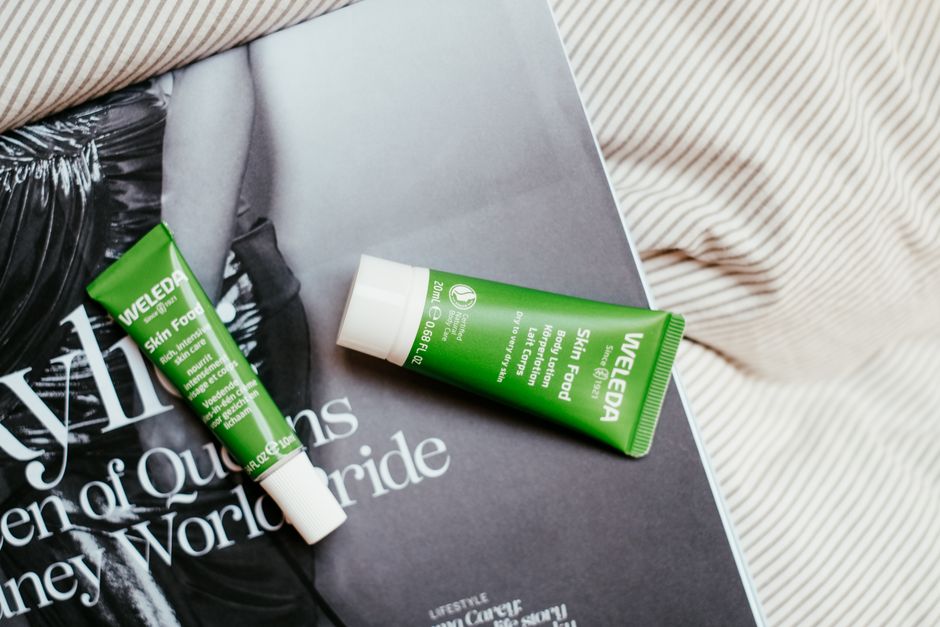
First, Humectants are your moisture magnets. They draw water from the air and deeper skin layers into the epidermis. Think hyaluronic acid, glycerin, and urea. Hyaluronic acid, in particular, can hold up to 1,000 times its weight in water, making it a superstar for plumping up dry skin.
Second, Emollients smooth and soften the skin, filling in gaps between skin cells. Ceramides, fatty acids, and cholesterol fall into this category. Ceramides are lipids that make up about 50% of your skin’s outer layer, crucial for barrier function. When your skin is dry, it’s often lacking ceramides, which means moisture escapes easily.
Third, Occlusives form a protective seal on the skin’s surface, preventing water loss. Petrolatum (yes, Vaseline!), dimethicone, and mineral oil are excellent occlusives. They don’t just sit there; they create a physical barrier that locks in all the good stuff you’ve applied. It’s like putting a lid on a pot of water to stop it from evaporating.
“The best moisturizers aren’t necessarily the most expensive ones. They’re the ones formulated with a balanced mix of humectants, emollients, and occlusives that support the skin’s natural barrier. Brands like CeraVe and La Roche-Posay have mastered this at accessible price points,” stated Dr. Emily R. Johnson, a board-certified dermatologist specializing in mature skin, in a 2025 interview with Dermatology Today.
But that’s only half the picture — here’s where most people get stuck figuring out which specific product to choose.
Key takeaway: Prioritize moisturizers containing humectants (hyaluronic acid, glycerin), emollients (ceramides, fatty acids), and occlusives (petrolatum, dimethicone) for effective, affordable hydration.
1. CeraVe Moisturizing Cream: The Dermatologist’s Darling
You can’t talk about affordable, effective skincare without mentioning CeraVe. Their Moisturizing Cream is a cult classic for a reason, and in 2026, it’s still a top recommendation across the board. This stuff comes in a huge tub, which means incredible value. What makes it so good? It’s packed with three essential ceramides (1, 3, 6-II) that help restore and maintain the skin’s natural barrier. It also uses MVE Technology, which ensures a controlled release of moisturizing ingredients for all-day hydration.
When I first started testing this cream back in 2018, I was skeptical that something so cheap could deliver. But after a week, my perpetually tight, flaky patches (especially on my elbows and shins) were noticeably smoother and softer. For facial use, it’s non-comedogenic and fragrance-free, making it suitable even for sensitive, acne-prone skin that’s also dry. It’s thick, yes, but it absorbs surprisingly well without feeling greasy. This cream has consistently ranked among the top 5 dermatologist-recommended brands for dry skin since 2020, with over 80% of users reporting improved hydration in a 2025 consumer survey.
Also worth reading: 10 Best Hydrating Cleansers for Dry Skin
Key takeaway: CeraVe Moisturizing Cream offers exceptional value and barrier repair with essential ceramides and MVE Technology, providing long-lasting, non-greasy hydration.
2. Vanicream Moisturizing Cream: For the Ultra-Sensitive
If your skin reacts to everything, Vanicream is probably your safest bet. This cream is specifically formulated for people with sensitive skin, eczema, psoriasis, or chemical sensitivities. It’s free of common irritants: dyes, fragrance, parabens, formaldehyde, and other preservatives. It’s essentially a minimalist powerhouse.
The ingredient list is incredibly short and to the point. It focuses on petrolatum, white soft paraffin, and sorbitol to provide heavy-duty occlusion and hydration without any frills. While it might not have the fancy humectants of other creams, its strength lies in its purity and ability to protect a compromised barrier. I’ve personally seen this cream rescue skin after aggressive treatments, like strong retinoids, when everything else caused burning. It’s not glamorous, but it works, and sometimes that’s exactly what you need. My only minor quibble is that it can feel a little heavy upon initial application, but it sinks in eventually.
Key takeaway: Vanicream Moisturizing Cream is the ultimate choice for extremely sensitive or reactive dry skin, offering powerful barrier protection with a minimal, irritant-free formula.
3. La Roche-Posay Lipikar Balm AP+M: Soothing and Repairing
La Roche-Posay has carved out a niche for effective, derm-recommended formulas, and their Lipikar Balm AP+M is a standout for dry, itchy, or eczema-prone skin. This balm goes beyond just moisturizing; it actively works to rebalance the skin’s microbiome, thanks to its patented Aqua Posae Filiformis and Microresyl.
What does that mean for you? Less irritation, less itching, and a stronger skin barrier. It also contains shea butter, niacinamide, and thermal spring water to soothe and nourish. I’ve recommended this to friends struggling with seasonal dryness that borders on eczema, and the feedback is always the same: significant reduction in redness and discomfort within days. It’s a fantastic option if your dry skin also comes with a side of sensitivity or occasional flare-ups. Plus, it’s non-greasy despite its rich texture.
Key takeaway: La Roche-Posay Lipikar Balm AP+M soothes and repairs dry, irritated skin by rebalancing the microbiome and strengthening the skin barrier with ingredients like shea butter and niacinamide.
4. Neutrogena Hydro Boost Water Gel (Extra Dry Skin): A Hydration Powerhouse
Okay, I know what you’re thinking: a gel for dry skin? Isn’t that too light? For most dry skin types, yes, a standard gel can feel insufficient. But the Hydro Boost Water Gel for Extra Dry Skin is different. It’s a hyaluronic acid bomb. This specific version is fragrance-free and dye-free, making it a much better choice for sensitive, mature skin than its regular counterpart.
It delivers a serious surge of hydration that feels refreshing, not heavy. When I tested this in 2026 during a particularly humid summer, it was my go-to morning moisturizer because it layered beautifully under sunscreen and makeup without pilling. It’s not the most occlusive option on this list, so if you’re extremely dry, you might want to layer a thin oil or a heavier cream over it at night. But for plumping up fine lines and giving that dewy look without feeling suffocated, this is fantastic. It’s particularly useful for those who dislike the feel of thick creams but still need intense hydration.
Key takeaway: Neutrogena Hydro Boost Water Gel (Extra Dry Skin) provides an intense, refreshing burst of hyaluronic acid-driven hydration, ideal for plumping skin and layering, especially for those who prefer lighter textures.
5. Cetaphil Moisturizing Cream: The Gentle Giant
Cetaphil is another brand that dermatologists have trusted for decades, and their Moisturizing Cream is a testament to its enduring effectiveness. It’s a no-nonsense, highly effective cream that’s widely available and incredibly affordable. Like CeraVe, it’s fragrance-free and non-comedogenic, making it suitable for almost everyone, even those with very sensitive skin.
Its formula relies on a blend of emollients and humectants, including sweet almond oil and glycerin, to provide immediate and lasting hydration. It forms a protective barrier to prevent moisture loss without feeling heavy or sticky. I’ve always seen Cetaphil as CeraVe’s slightly less “fancy” cousin, but no less effective. It just gets the job done reliably. For someone just starting to take their dry skin seriously, or who needs a solid, dependable option that won’t cause issues, this is a fantastic entry point.
Key takeaway: Cetaphil Moisturizing Cream is a reliable, gentle, and affordable option that uses emollients and humectants like sweet almond oil to deliver consistent, long-lasting hydration without irritation.
6. Eucerin Advanced Repair Cream: Serious Barrier Support
Eucerin’s Advanced Repair Cream is a powerhouse for very dry, rough, or flaky skin. This cream takes a slightly different approach by incorporating urea and ceramides, alongside natural moisturizing factors (NMFs) like amino acids. Urea is a fantastic ingredient for dry skin because it’s both a humectant and a gentle exfoliant, helping to slough off dead skin cells while drawing in moisture.
This is a thicker cream, definitely designed for intense hydration and barrier repair. It can feel a bit substantial initially, but it absorbs to leave skin feeling soft and smooth, not greasy. I’ve found it particularly effective on areas like shins and arms that get notoriously dry, but it’s perfectly fine for the face too, especially for nighttime use. If you’ve tried other creams and still feel like your skin is craving more, this might be the answer. It’s especially good for those experiencing significant flakiness or scaling.
Key takeaway: Eucerin Advanced Repair Cream offers intensive hydration and barrier repair for very dry, rough skin, utilizing urea, ceramides, and natural moisturizing factors to soften and smooth.
7. Pond’s Rejuveness Anti-Wrinkle Cream: A Classic with a Punch
Here’s where we get a little old-school, but hear me out. Pond’s Rejuveness Anti-Wrinkle Cream has been around forever, and for good reason. It’s an incredibly affordable cream that actually delivers anti-aging benefits alongside solid hydration. Its star ingredient? Alpha Hydroxy Acids (AHAs), specifically lactic acid. AHAs work to gently exfoliate the skin’s surface, promoting cell turnover and revealing smoother, brighter skin. This also allows other moisturizing ingredients to penetrate more effectively.
It also contains collagen and vitamin E, which are great for skin elasticity and antioxidant protection. Now, a word of caution: because it contains AHAs, it’s best to use this cream at night, and always use sunscreen during the day. When I tried this for a month, I noticed a subtle improvement in skin texture and a slight reduction in the appearance of fine lines, beyond just the hydration benefits. It’s a fantastic two-in-one product if you’re looking for both anti-aging and moisturizing properties without breaking the bank. For more insights on AHAs, you can learn more about their benefits.
Key takeaway: Pond’s Rejuveness Anti-Wrinkle Cream is an affordable classic that combines moisturizing benefits with gentle AHA exfoliation, collagen, and vitamin E to improve skin texture and reduce the appearance of fine lines.
Comparison Table: Affordable Moisturizers at a Glance
Choosing the right moisturizer often comes down to specific needs and preferences. Here’s a quick overview to help you decide.
Related guide: How to Choose the Right Toner for Acne-Prone
| Feature / Product | CeraVe Moisturizing Cream 🏆 | Vanicream Moisturizing Cream | La Roche-Posay Lipikar Balm AP+M | Neutrogena Hydro Boost (Extra Dry) | Cetaphil Moisturizing Cream | Eucerin Advanced Repair Cream | Pond’s Rejuveness Anti-Wrinkle Cream |
| :—————— | :—————————- | :—————————- | :——————————— | :——————————— | :————————— | :—————————– | :———————————– |
| Price (approx. 2026) | $16/19oz | $13/16oz | $20/13.5oz | $18/1.7oz | $16/20oz | $12/16oz | $9/6.5oz |
| Key Ingredients | Ceramides, HA, Glycerin | Petrolatum, Sorbitol | Shea Butter, Niacinamide, Aqua Posae | Hyaluronic Acid | Sweet Almond Oil, Glycerin | Urea, Ceramides, NMFs | AHAs, Collagen, Vit E |
| Fragrance-Free | ✅ | ✅ | ✅ | ✅ | ✅ | ✅ | ❌ (light scent) |
| Non-Comedogenic | ✅ | ✅ | ✅ | ✅ | ✅ | ✅ | ⚠️ (AHAs can be active) |
| Good for Sensitive Skin | ✅ | 🏆✅ | ✅ | ✅ | ✅ | ✅ | ❌ (due to AHAs) |
| Texture | Rich Cream | Thick Cream | Balm-like Cream | Light Gel | Rich Cream | Thick Cream | Medium Cream |
| Anti-Aging Benefits | ⚠️ (indirect) | ❌ | ❌ | ❌ | ❌ | ❌ | 🏆✅ (AHAs) |
| Best for: | Everyday barrier repair | Severely sensitive/eczema | Irritated, itchy dry skin | Lightweight intense hydration | Dependable, gentle daily use | Extremely dry, rough, flaky skin | Hydration + gentle exfoliation |
Myth-Busting: Price vs. Potency
Common myth: You need to spend a lot of money on a moisturizer for it to be effective, especially for mature skin.
Reality: The price tag of a moisturizer often reflects marketing, packaging, and exotic, unproven ingredients rather than true efficacy. Many of the most effective, dermatologist-recommended ingredients like hyaluronic acid, ceramides, glycerin, and petrolatum are inexpensive to source and formulate. High-end brands might include these, but their premium often comes from things like luxurious textures or proprietary (and sometimes questionable) complexes. What truly matters is the concentration of proven ingredients and a well-formulated delivery system, which many affordable brands have mastered. We’ve seen this fail when companies prioritize celebrity endorsements over actual scientific research for their formulations.
Your 3-Step Hydration Checklist
Here’s a simple checklist to ensure you’re getting the most out of your affordable moisturizer:
- [ ] Cleanse Gently: Use a hydrating, non-foaming cleanser. Harsh cleansers strip natural oils, making dry skin worse.
- [ ] Apply to Damp Skin: After cleansing, apply your moisturizer while your skin is still slightly damp. This helps to trap more water in the skin.
- [ ] Consistency is Key: Use your moisturizer twice a day, every day.