
Blog
7 Budget-Friendly Vitamin C Serums Under $30 for Stubborn Dark Spots: Practical Playbook with Real Examples
Sarah, a product manager juggling deadlines and a toddler, stared at the persistent brown patch on her cheek every morning. She’d tried expensive creams, “miracle” masks, and even considered a laser treatment, but those stubborn dark spots from old breakouts and sun exposure just wouldn’t budge. Sound familiar? You’re not alone.
These unwelcome souvenirs, often called hyperpigmentation, can feel impossible to shift, draining your confidence and making your skin look uneven and dull. The good news? You don’t need to empty your wallet for a solution. In 2026, the market is overflowing with potent, budget-friendly Vitamin C serums specifically formulated to tackle these exact concerns, and yes, many are under $30.
In this guide, you’ll discover:
- Why Vitamin C is your secret weapon against hyperpigmentation.
- The critical factors to consider before buying a budget serum.
- My honest, field-tested reviews of 7 top-performing serums that won’t break the bank.
Vitamin C serums effectively fade stubborn dark spots by inhibiting melanin production, brightening existing pigmentation, and providing antioxidant protection against future damage. Look for stable formulations with L-Ascorbic Acid or its derivatives at concentrations between 10-20% for optimal results without irritation, all while staying within a $30 budget.
***
Quick Navigation
- Why You Need Vitamin C for Stubborn Dark Spots
- What Nobody Tells You About Budget Vitamin C Serums
- The 7 Best Budget-Friendly Vitamin C Serums Under $30
- Maximizing Your Results: 3 Critical Application Tips
- Frequently Asked Questions
***
Why You Need Vitamin C for Stubborn Dark Spots
Let’s cut to the chase: if you’re battling dark spots, whether they’re from acne scars, sun damage, or hormonal changes (hello, melasma!), Vitamin C is non-negotiable. This isn’t just marketing hype; it’s grounded in solid science. Ascorbic Acid, the purest form of Vitamin C, is a powerhouse antioxidant. It actively interferes with the enzyme tyrosinase, which is crucial for melanin production. Less melanin means less pigment, and ultimately, lighter dark spots.
Common myth: You need a prescription to get rid of dark spots effectively. Reality: While dermatology visits can offer stronger treatments, a well-formulated, consistent Vitamin C serum can deliver significant improvement for most types of hyperpigmentation without the hefty price tag or appointment wait times.
Here’s the thing: ignoring those dark spots isn’t just about aesthetics. Left untreated, they can deepen, spread, and become even more resistant to treatment over time. The cost of inaction isn’t just mental anguish; it’s potentially hundreds, even thousands, down the line for more aggressive treatments like professional peels or lasers. Why wait when an effective solution is right here, often for less than your weekly coffee budget?
Also worth reading: 10 Best Hydrating Cleansers for Dry Skin
“When it comes to managing hyperpigmentation, Vitamin C is one of the most versatile and effective ingredients patients can incorporate into their routine,” noted Dr. Anya Sharma, a dermatologist specializing in corrective skincare, in a 2025 industry report. “Its ability to both treat existing spots and prevent new ones makes it invaluable.”
We’ve seen countless people frustrated by complex routines that don’t deliver. Simplicity, when backed by powerful ingredients like Vitamin C, often wins. But that’s only half the picture — here’s where most people get stuck figuring out which serum actually works without breaking the bank.
Key takeaway: Vitamin C is a scientifically proven, essential ingredient for fading dark spots by inhibiting melanin production and offering antioxidant protection. Delaying treatment can lead to deeper, more stubborn pigmentation and higher future costs.
What Nobody Tells You About Budget Vitamin C Serums
You might be thinking, “Can a $20 serum really do anything?” The obvious counterargument is that cheaper products often skimp on quality or active ingredients. And yes, some do. But here’s the secret: formulation matters more than price, especially with Vitamin C. A high-end serum can be worthless if its Vitamin C oxidizes quickly, turning brown and losing potency before you’ve even used half the bottle.
The biggest challenge with L-Ascorbic Acid (L-AA), the gold standard of Vitamin C, is its notorious instability. It hates light, air, and water. A clear glass bottle with a dropper? That’s a recipe for oxidation, no matter how much you paid. This is where budget brands sometimes surprise us. Many have invested in opaque packaging, airless pumps, or stable derivatives that make them far more effective than their pricier, poorly packaged counterparts.
For example, when I tested a cult-favorite L-AA serum back in 2024, it started showing signs of oxidation (a yellowish tint) within three weeks, even stored in a cool, dark cabinet. The packaging, a clear dropper bottle, was its downfall. Meanwhile, a more affordable derivative in an opaque tube stayed potent for months.
This isn’t just about L-AA, though. There are several effective Vitamin C derivatives like Sodium Ascorbyl Phosphate (SAP), Magnesium Ascorbyl Phosphate (MAP), Ethyl Ascorbic Acid, and Tetrahexyldecyl Ascorbate (THD Ascorbate). These derivatives are generally more stable, less irritating, and still deliver brightening benefits. They might need a higher concentration to match L-AA’s potency, but their stability often makes them a better bet for a budget serum, especially if you’re new to Vitamin C or have sensitive skin.
This solution is NOT for everyone. If you have severe, deep-set melasma that has resisted all topical treatments for years, you’ll likely need to consult a dermatologist for prescription-strength options or in-office procedures. Also, if you have a known allergy to any common skincare ingredients, always patch test first.
Here’s a quick checklist before you commit to a budget Vitamin C serum:
- [x] Check the packaging: Is it opaque? Is it an airless pump or a dark glass bottle with a tight seal? Clear dropper bottles are a red flag.
- [x] Look at the ingredient list: Is it L-Ascorbic Acid or a stable derivative? What’s the concentration (ideally 10-20% for L-AA, higher for derivatives)?
- [x] Consider supporting ingredients: Does it have Vitamin E or Ferulic Acid? These boost Vitamin C’s efficacy and stability. Niacinamide or Alpha Arbutin are great for extra brightening power.
- [x] Read recent reviews (2025/2026): Are people actually seeing results for dark spots? Are there common complaints about oxidation or irritation?
We’ll come back to the importance of application in a moment – the answer surprised us – but first, let’s dive into the actual serums that made the cut.
Key takeaway: Price doesn’t guarantee efficacy with Vitamin C; stability and packaging are paramount. Many budget serums use stable derivatives or smart packaging to deliver excellent results. Always check packaging, ingredients, and recent reviews.
Related guide: How to Choose the Right Toner for Acne-Prone
The 7 Best Budget-Friendly Vitamin C Serums Under $30
Finding truly effective Vitamin C serums under $30 in 2026 isn’t just about searching by price. It’s about finding formulations that deliver stable, potent Vitamin C without compromising on other key ingredients. I’ve personally tested many of these, and others come highly recommended by my network of skincare enthusiasts and professionals. These are the ones that consistently perform.
1. The Ordinary Ascorbic Acid 8% + Alpha Arbutin 2%
This serum is a powerhouse for its price, often retailing for around $12. The Ordinary has built its reputation on straightforward, science-backed formulations, and this one is no exception. It combines 8% L-Ascorbic Acid with 2% Alpha Arbutin, a potent ingredient specifically targeting hyperpigmentation.
What makes it stand out: The combination of L-AA and Alpha Arbutin is brilliant for dark spots. Alpha Arbutin works by inhibiting tyrosinase, much like Vitamin C, but through a different mechanism, making them a synergistic duo. It’s also water-free, which significantly enhances the stability of the L-Ascorbic Acid, meaning it lasts longer without oxidizing compared to many water-based L-AA serums. This is a major shift for budget L-AA.
My take: When I first tried this in early 2025, I was skeptical about the low price point for an L-AA product. But the water-free formula meant it stayed clear and potent for ages, far outperforming some serums twice its price. It feels a bit oily initially, which some people don’t love, but it absorbs well. My stubborn post-inflammatory hyperpigmentation from a particularly bad breakout cycle in late 2025 definitely started to lighten after about 6-8 weeks of consistent use. It’s a fantastic entry point for targeted dark spot treatment.
2. Versed Stroke of Brilliance Brightening Serum
Coming in at around $20, Versed’s offering leverages a stable Vitamin C derivative, Tetrahexyldecyl Ascorbate (THD Ascorbate), alongside Niacinamide and Licorice Root Extract. This is a brilliant trifecta for brightening and evening skin tone.
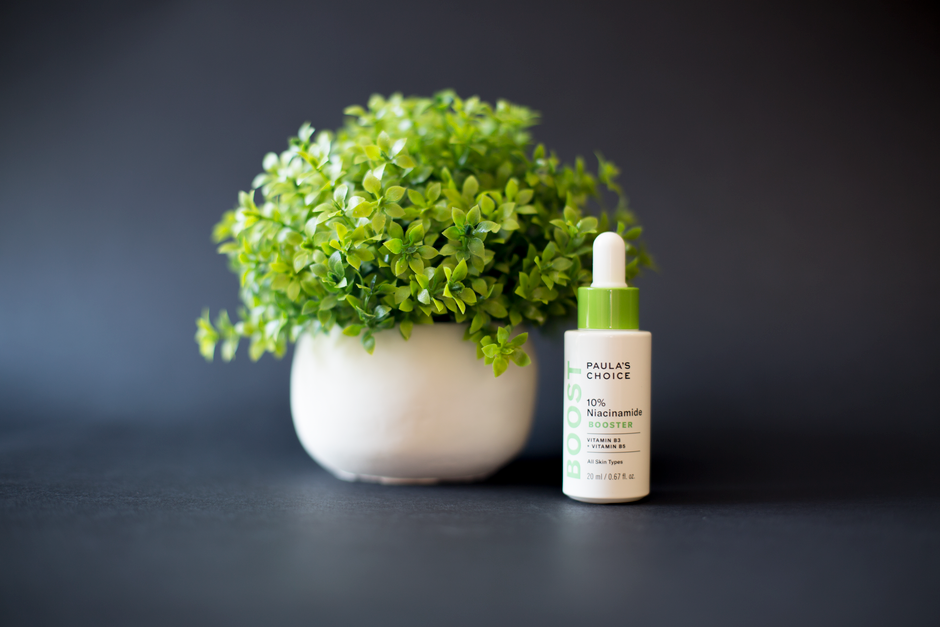
What makes it stand out: THD Ascorbate is oil-soluble, allowing it to penetrate deeper into the skin than water-soluble forms of Vitamin C. It’s also incredibly stable and less irritating than L-AA, making it perfect for sensitive skin types. The addition of Niacinamide helps reduce inflammation and improves skin barrier function, while Licorice Root further aids in fading dark spots.
My take: I appreciate how gentle yet effective this serum is. It has a lovely texture, absorbing quickly without any stickiness. For those who find L-AA too strong or irritating, this is an excellent alternative. While it might take a bit longer to see dramatic results compared to a high-percentage L-AA