
Blog
How to Build a Skincare Routine for Sensitive Skin with Clean Ingredients: Practical Playbook with Real Examples
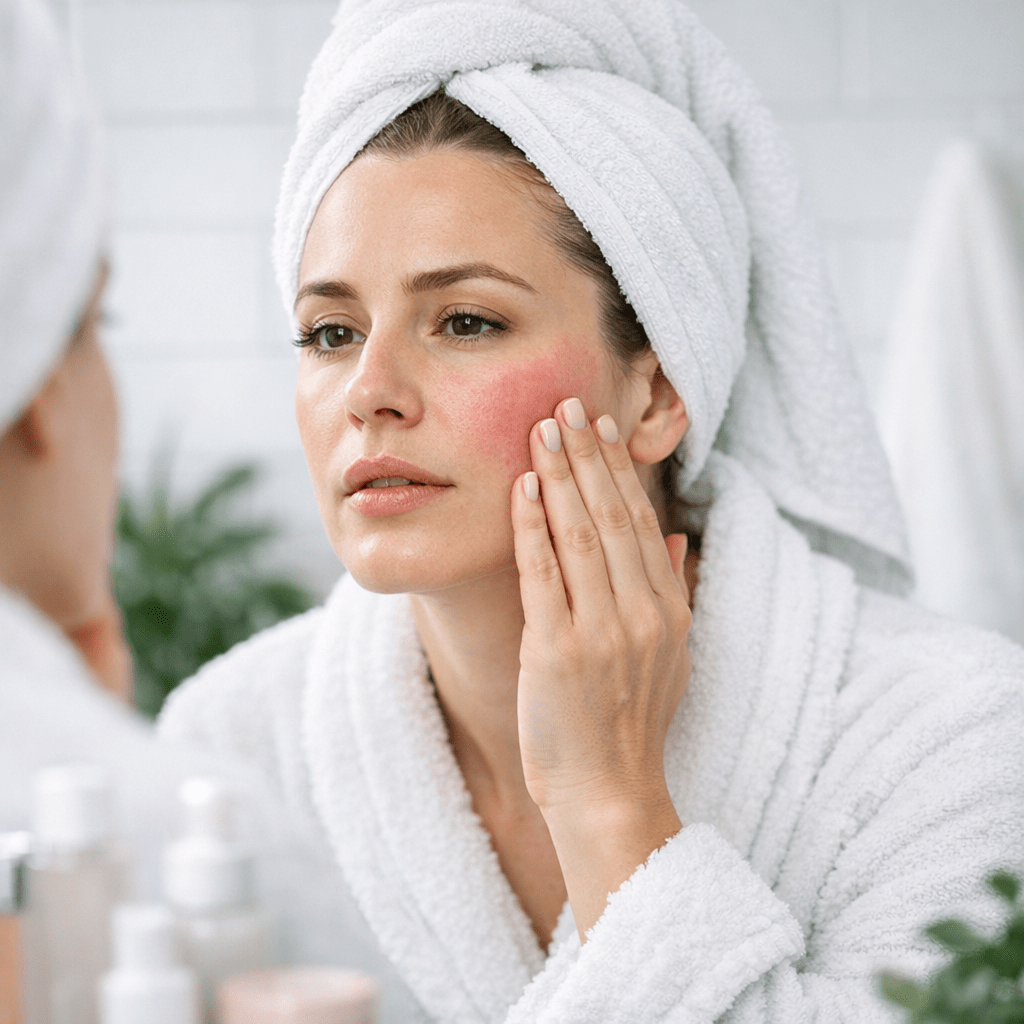
Sensitive skin can feel like a minefield. One wrong product, and you’re stuck with redness or irritation for days. But here’s the thing: you don’t need a 12-step routine filled with fancy serums to keep your skin happy. What you do need? A simple, effective lineup of clean, gentle ingredients that won’t freak out your skin.
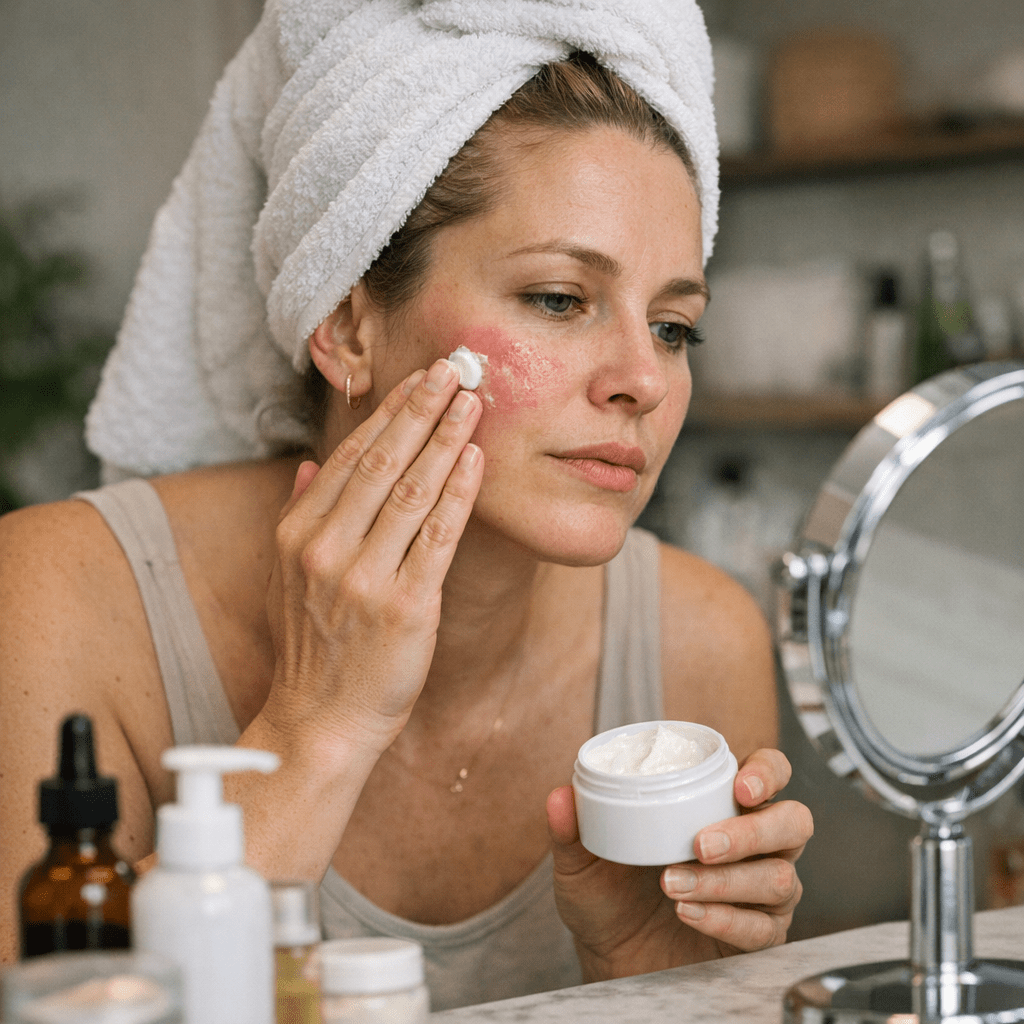
Let’s break it down, step by step, into something that actually works—no fluff, no gimmicks, just real advice from someone who’s been there (hello, lifelong sensitive skin sufferer here).
—
Why Clean Ingredients Are Non-Negotiable for Sensitive Skin
If you’ve got sensitive skin, you’ve probably already learned this the hard way: synthetic fragrances and harsh chemicals are a no-go. They’re like throwing gas on a fire. Clean ingredients—think botanical oils, minimal preservatives, and no unnecessary junk—are gentler and less likely to trigger a reaction.
But here’s the kicker: “clean” doesn’t automatically mean better. Some natural ingredients (looking at you, citrus oils) can still irritate sensitive skin. The goal is to find products that keep it simple: short ingredient lists with proven soothing agents like aloe vera, oat extract, or ceramides.
—
Step 1: Choose the Right Cleanser
Cleansing is where most people mess up their routine—either they overdo it with something too harsh or underdo it with something ineffective (yes, even gentle cleansers need to actually clean). For sensitive skin, look for sulfate-free formulas that remove dirt without stripping your natural moisture barrier.
Recommendations That Work:
- CeraVe Hydrating Facial Cleanser ($16): This one’s a cult favorite for good reason. It’s packed with ceramides and hyaluronic acid to hydrate while cleansing gently.
- Eve Lom Cleansing Balm ($60): If you wear makeup or sunscreen daily (and you should), this balm melts everything off without irritating your skin.
Avoid foaming cleansers unless explicitly labeled “gentle”—those bubbles usually come from sulfates that can dry out or irritate sensitive types.
—
Step 2: Add Hydration Without Overdoing It
Sensitive skin tends to be thirsty but temperamental—you want hydration without heaviness or pore-clogging ingredients like mineral oil or heavy silicones.
The Best Moisturizers for Sensitive Skin:
- Cetaphil Rich Hydrating Cream ($18): Affordable and dermatologist-approved. It locks in moisture without leaving a greasy film.
- Erno Laszlo Phelityl Night Cream ($145): Yes, it’s pricey. But if your budget allows splurging on one luxury item, this could be it—it soothes redness overnight like magic.
Pro tip: Apply moisturizer right after cleansing while your face is still damp—it helps seal in hydration better than waiting until your skin is completely dry.
—
Step 3: Don’t Skip Sunscreen (Ever)
Look—I get it. Finding sunscreen that doesn’t sting feels impossible when you have sensitive skin. But skipping this step will only make things worse in the long run (hello sun damage!). Mineral sunscreens are usually safer bets because they don’t contain chemical UV filters known to irritate reactive skin.
Two Reliable Options:
- EltaMD UV Clear Broad-Spectrum SPF 46 ($39): Designed specifically for sensitive and acne-prone skin.
- Cliganic Mineral Face Sunscreen SPF 30 ($25): A newer addition to the “clean beauty” world that balances affordability and effectiveness.
Cream formulas tend to work better than sprays for even application—and they’re less likely to contain alcohols that dry out your face.
7 Best Clean Beauty Products Under $50 That Actually Work: Practical Playbook wi
—
Step 4: Treat Specific Concerns Cautiously
Have redness? Dry patches? Maybe even some hormonal breakouts? You’ll want targeted treatments—but not ones loaded with active ingredients at sky-high concentrations (looking at all those trendy serums promising instant results).
Instead:
1. For redness: Try products with niacinamide (5% max) or colloidal oatmeal.
2. For dryness: Incorporate squalane oil—a lightweight hydrator—or glycerin-based masks.
3. For breakouts: Stick with salicylic acid at low percentages (~0.5%).
One product I swear by is the First Aid Beauty Ultra Repair Oatmeal Mask ($32)—it calms angry flare-ups in about 10 minutes flat.
—
Step 5: Simplify Your Night Routine
Here’s where people often go overboard—they add five different serums before bed “just because.” Don’t do this! At night, focus on repairing damage from the day using nourishing but minimal products:
1. Double cleanse if needed (especially if wearing makeup/sunscreen).
2. Apply a serum containing peptides or ceramides.
3. Use a thicker moisturizer than your daytime one.
For night creams under $40? Look into La Roche-Posay Toleriane Ultra Night Cream—its fragrance-free formula is gold for irritated evenings.
7 Best Clean Beauty Products Under $50 That Actually Work: Practical Playbook wi
—
Comparison Table of Popular Products
| Product | Price | Best For | Key Ingredient(s) |
|—————————–|———-|—————————-|————————-|
| CeraVe Hydrating Cleanser | $16 | Everyday gentle cleansing | Ceramides + Hyaluronic Acid |
| Eve Lom Cleansing Balm | $60 | Makeup removal | Chamomile Oil |
| Cetaphil Rich Hydrating Cream | $18 | Basic hydration | Glycerin + Vitamin E |
| EltaMD UV Clear SPF 46 | $39 | Daily sunscreen | Zinc Oxide + Niacinamide |
| First Aid Beauty Oat Mask | $32 | Calming flare-ups | Colloidal Oatmeal |
—
Tradeoffs You Should Know About
Not every clean product will work miracles—even within its category of “gentle.” Here are some common tradeoffs I’ve run into while testing routines:
- Natural Oils vs Synthetic Emollients: Natural oils sound great on paper but can clog pores if not formulated properly (cough coconut oil). Sometimes synthetics like dimethicone outperform them in terms of texture and functionality without irritation risks.
- Fragrance-Free ≠ Odor-Free: Many fragrance-free products have an earthy smell because there’s nothing masking raw ingredient scents—it takes some getting used to but beats irritation any day.
- Price vs Effectiveness: Luxury brands might feel more indulgent (Erno Laszlo, anyone?), but plenty of drugstore finds perform just as well if paired correctly within your routine.
—
Final Thoughts
Building a skincare routine for sensitive skin isn’t rocket science—but it does take patience and consistency. Start small—a cleanser, moisturizer, and sunscreen are non-negotiable basics—and layer in extras only when you know how your base reacts over time. And remember: what worked last year might not work now; our needs change as seasons (and stress levels) shift! Stay curious but cautious—you’ll find what works best eventually…without sacrificing half your paycheck doing so!