
Blog
How to Choose the Right Toner for Acne-Prone Skin: Practical Playbook with Real Examples
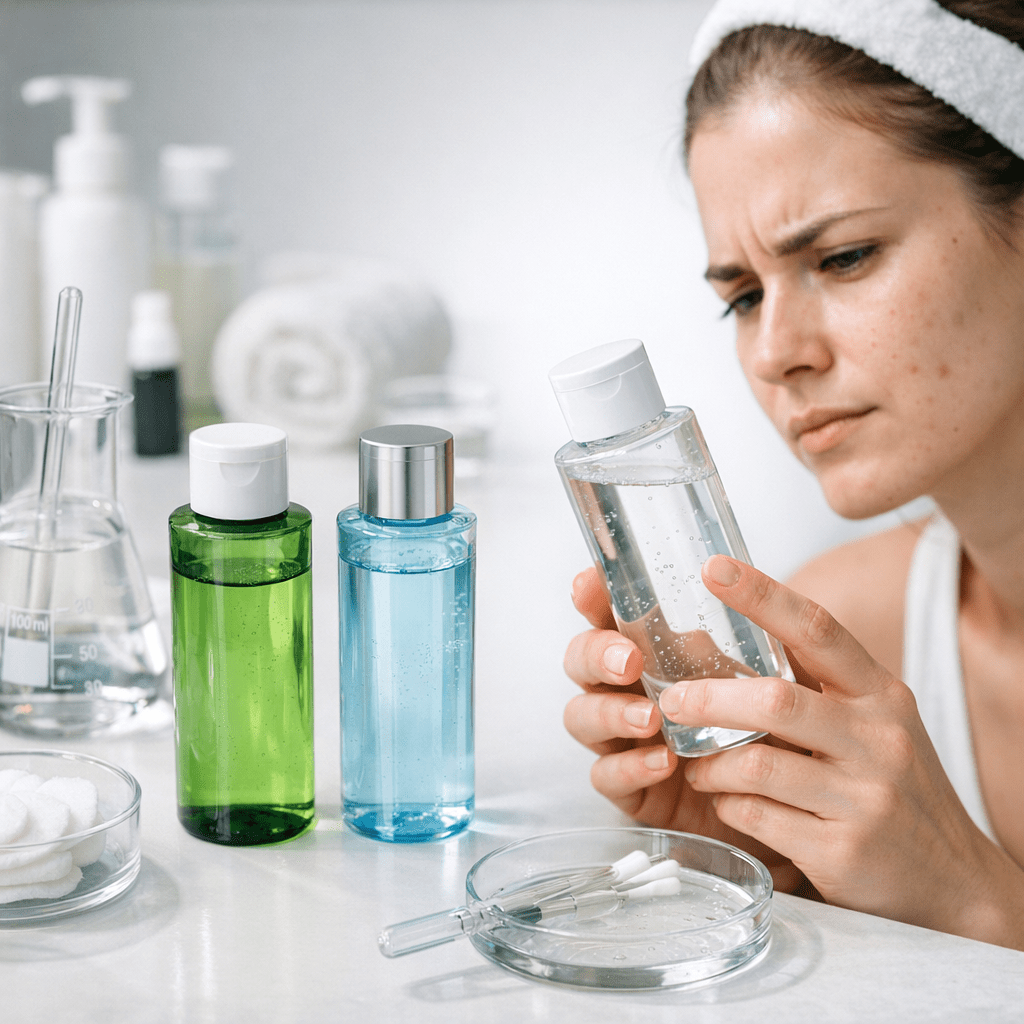
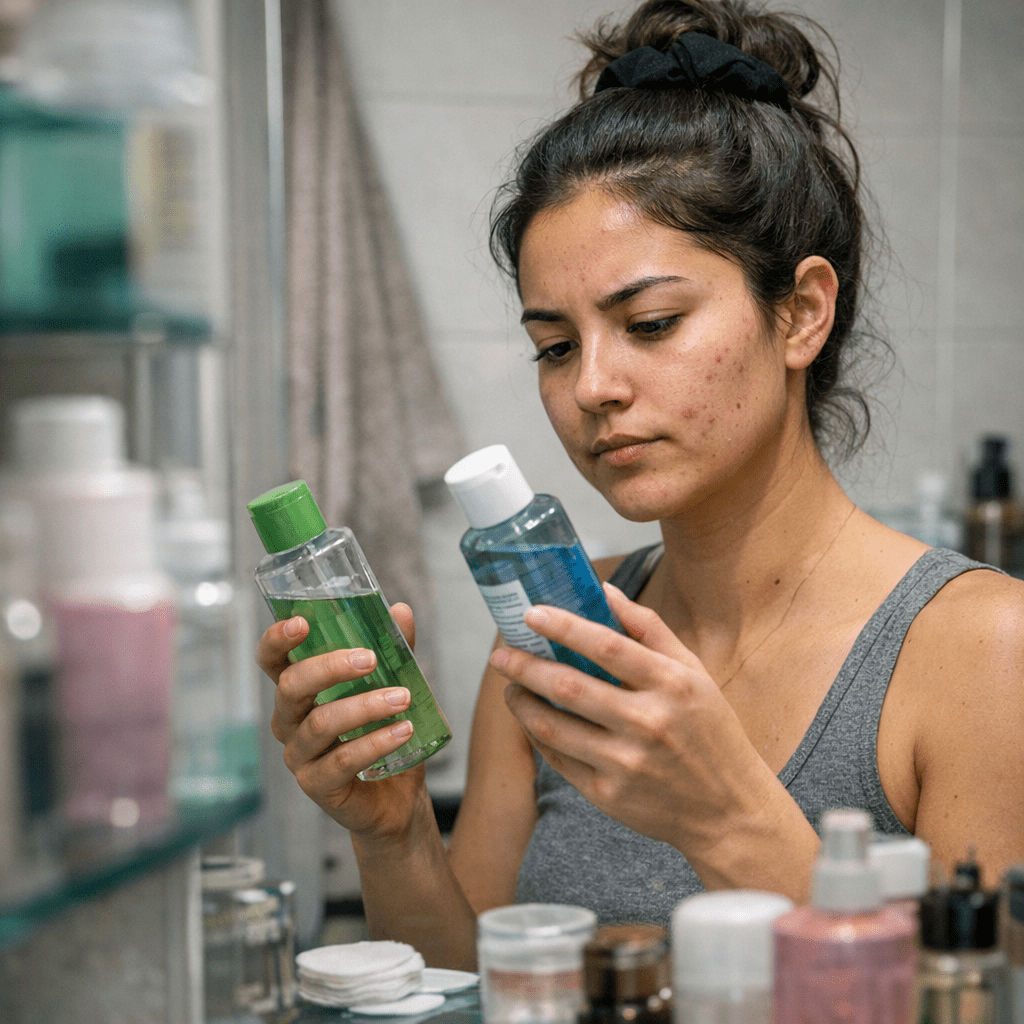
Let’s be real: finding the right toner when you’ve got acne-prone skin can feel like a never-ending science experiment. You buy one that promises to “clarify” and suddenly your face is red and flaking. You try another labeled “gentle,” but it doesn’t seem to do anything except make your wallet lighter. So, how do you actually choose a toner that works without turning your skin into a chemistry lab gone wrong?
The truth is, not all toners are created equal—especially in 2026, when skincare shelves are packed with every buzzword imaginable: “microbiome-friendly,” “postbiotic repair,” “cleanical” (ugh). Let’s cut through the noise and get to what matters most for acne-prone skin.
—
What Does a Toner Actually Do?
Toners used to have a bad reputation as harsh, alcohol-filled liquids designed to strip every last drop of oil from your face—along with half your dignity. Thankfully, things have evolved. These days, toners are more about balance.
For acne-prone skin specifically, the right toner can:
- Remove leftover dirt or makeup after cleansing (because no one’s double cleanse is perfect).
- Help control oil production without over-drying.
- Calm inflammation and reduce redness.
- Deliver active ingredients like salicylic acid or niacinamide deeper into the skin.
But here’s where it gets tricky: some toners can cause more breakouts if they’re too harsh or loaded with irritating ingredients. So let’s talk about how to avoid that.
—
Key Ingredients to Look For
When shopping for a toner for acne-prone skin, skip vague marketing claims and go straight to the ingredient list. Here’s what should catch your eye:
1. Salicylic Acid
This beta-hydroxy acid (BHA) is a classic for a reason—it gets deep into pores and breaks down oil buildup that leads to blackheads and whiteheads. If your breakouts tend to cluster around oily areas like your T-zone, salicylic acid is non-negotiable.
Example: Paula’s Choice Skin Perfecting 2% BHA Liquid Exfoliant has been a cult favorite for years because it works without being overly drying—assuming you don’t overdo it.
2. Niacinamide
Niacinamide isn’t just trendy; it legitimately helps regulate sebum production while calming redness and irritation—a huge win if your acne comes with sensitivity.
Pro tip: Look for toners that combine niacinamide with soothing ingredients like allantoin or panthenol.
3. Tea Tree Oil
This natural antibacterial ingredient can fight acne-causing bacteria without resorting to harsh chemicals like benzoyl peroxide (which many people find too irritating).
However: Tea tree oil isn’t always ideal if you’ve got super sensitive skin—it can still trigger dryness in high concentrations.
4. Aloe Vera or Centella Asiatica
These hydrating heroes help offset any potential dryness from active ingredients while soothing inflamed skin (you know, those angry red pimples that scream “don’t touch me”).
10 Best Hydrating Cleansers for Dry Skin Under $30: Practical Playbook with Real
—
Red Flags: What Ingredients Should You Avoid?
Now let’s flip the script and talk about what you don’t want in a toner if acne is already ruining your vibe:
- Alcohol Denat (Denatured Alcohol): This dries out pimples fast but often triggers rebound oil production—and more breakouts down the line.
- Fragrance/Essential Oils: Lavender might smell dreamy in candles, but on irritated skin? No thanks.
- Witch Hazel Overload: While witch hazel has its fans, it can sometimes strip too much moisture depending on how it’s formulated.
—
Picking by Skin Type
Here’s where things get nuanced—you’ve gotta consider what else is going on with your skin besides acne.
Oily + Acne-Prone Skin
If your face turns into an oil slick by noon, look for mattifying toners with salicylic acid or witch hazel (in moderate amounts). Bonus points if they contain zinc PCA—a superstar at controlling shine.
Dry + Acne-Prone Skin
Yes, dry-skinned folks get acne too! In this case, skip anything harsh and opt for hydrating formulas packed with aloe vera or hyaluronic acid alongside anti-acne actives like niacinamide.
Sensitive + Acne-Prone Skin
Your mission is twofold: fight breakouts while avoiding irritation flare-ups. Stick with alcohol-free toners featuring calming ingredients like calendula extract or oat kernel extract paired with gentle exfoliants such as lactic acid.
—
The Morning vs Night Debate
Do you need different toners for day vs night? Not necessarily—but here’s where strategy comes in handy:
1. Use an exfoliating toner (like one with salicylic acid) at night when your skin does most of its repairing.
2. In the morning, consider something lighter and hydrating—think niacinamide-based formulas—to prep your skin before sunscreen.
Personally? I keep two on hand because my nighttime needs are very different from my daytime ones.
—
A Quick Comparison Table
Here’s how popular toners stack up based on their key features:
10 Best Hydrating Cleansers for Dry Skin Under $30: Practical Playbook with Real
| Toner Name | Main Active Ingredient | Best For | Price Range |
|—————————–|————————–|——————————-|—————|
| Paula’s Choice 2% BHA | Salicylic Acid | Oily/Combo Skin | $32–$36 USD |
| Thayers Unscented Witch Hazel | Witch Hazel + Aloe Vera | Sensitive/Acne-Prone | $10–$12 USD |
| La Roche-Posay Effaclar | Lipo-Hydroxy Acid | Stubborn Breakouts | $15–$18 USD |
| Glow Recipe Watermelon PHA+BHA | PHA + BHA | Gentle Exfoliation + Hydration| $34–$38 USD |
—
The Tradeoff No One Talks About
Here’s something I struggled with early on: balancing effectiveness vs gentleness. When my breakouts were really bad, I’d reach for the strongest product I could find—but half the time I’d end up aggravating my skin even more (cue peeling forehead). On the other hand, ultra-gentle products didn’t seem powerful enough to make an impact on cystic spots.
The solution? Layering wisely instead of relying solely on one product. For example:
- At night: Use an exfoliating toner once every other day.
- In between: Hydrate like crazy using calming mists or serums so you’re not overloading your barrier function.
—
Final Takeaway
Choosing the right toner isn’t about chasing every new trend—it’s about understanding your specific needs (and maybe ignoring TikTok hype along the way). Stick to proven ingredients like salicylic acid or niacinamide but don’t forget hydration—it makes all those actives work better without wrecking your barrier function.
And remember this golden rule: consistency beats perfection every time in skincare—even if you mess up once in a while!