
Blog
Korean vs Drugstore Clay Masks: Which Clears Clogged Pores Better in 2026?: Practical Playbook with Real Examples
Here’s a scenario you’ve probably lived through: You spend 20 minutes analyzing your face in the mirror, wondering why your pores look like miniature black holes. You grab an overhyped clay mask from the drugstore, slap it on, and hope for miracles. A week later? No miracles, just frustration.
Sound familiar? If your battle with clogged pores feels never-ending, you’re not alone. Choosing the right clay mask can feel like playing skincare roulette—especially when faced with two very different options: trendy Korean masks or affordable drugstore staples.
The stakes are high because clogged pores don’t just sit there looking bad—they can lead to breakouts, uneven skin texture, and a constant cycle of insecurity. But what if you could finally pick a winner? In this guide, we’ll pit Korean clay masks against their drugstore rivals to see which one actually delivers clear skin in 2026.
Here’s what you’ll discover:
- How Korean clay masks use next-level formulations to target stubborn pores.
- Why some drugstore options are better than their reputation suggests.
- A clear verdict on which option reigns supreme for different skin types.
Let’s break it down and settle this once and for all.
Why Are Clay Masks So Popular Again in 2026?
Clay masks have been around forever, but they’ve had a major resurgence recently thanks to TikTok and Instagram skincare influencers calling them “essential” for pore-cleansing routines. But here’s the twist: It’s not just hype. Science backs up the benefits of clay. Clays like kaolin and bentonite are incredible at drawing out impurities because they act like magnets for oil, dirt, and dead skin cells.
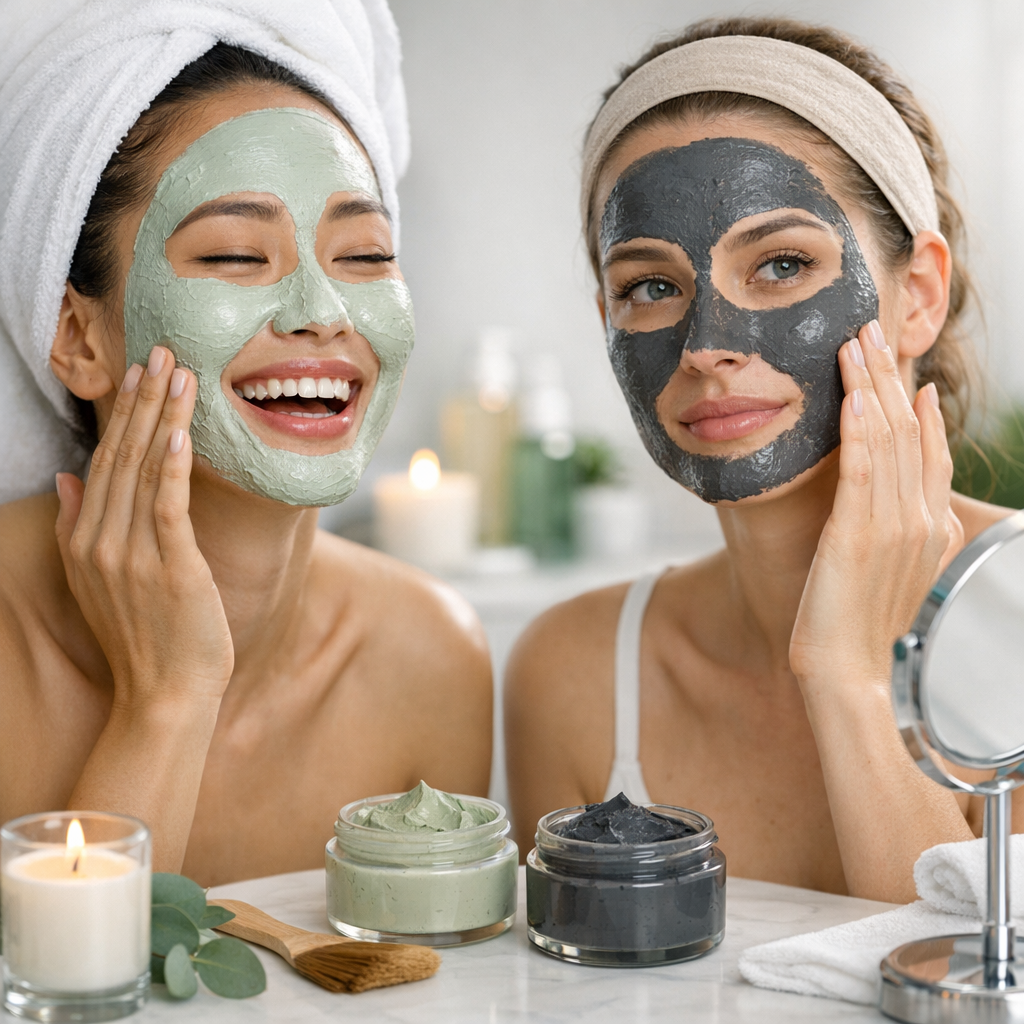
But not all clay masks are created equal. Formulations differ wildly depending on whether you’re grabbing an $8 tube from CVS or investing $35 in an imported Korean jar with instructions you can barely read.
Key takeaway: Clay works—but the formula matters more than people think.
What Makes Korean Clay Masks Different?
Korean beauty (or K-beauty) isn’t just about snail mucin sheet masks anymore—it’s evolved into high-performing products that often leave Western brands scrambling to catch up. When it comes to clay masks, here’s where Koreans set themselves apart:
1. Multitasking Ingredients
K-beauty is famous for packing its products with multitasking ingredients that go beyond basic cleansing. For example:
- Jeju Volcanic Ash: Found in cult favorites like Innisfree’s Super Volcanic Pore Clay Mask 2X ($22), it exfoliates while absorbing sebum.
- Centella Asiatica: Calms redness while detoxifying—perfect if your skin freaks out easily.
- Probiotics: Yes, even some clay masks now include probiotics (like Dr.Jart+’s Dermask Water Jet line) to support your skin barrier while de-gunking pores.
2. Focus on Hydration
Unlike traditional Western-style clay masks that leave your face feeling tight as a drum, many Korean formulations incorporate hydrating agents such as hyaluronic acid or glycerin to keep things balanced.
Also worth reading: 10 Best Hydrating Cleansers for Dry Skin
3. Innovative Textures
When I tried Laneige’s Mini Pore Waterclay Mask last month ($25), I immediately noticed how lightweight it felt—almost gel-like instead of pasty. This kind of innovation makes these products less likely to irritate sensitive skin compared to heavy-duty drugstore clays.
So why doesn’t everyone use them? Two reasons: price and availability. Expect to pay anywhere from $20–$40 per jar—and good luck finding some of these outside specialty retailers or online shops.
Key takeaway: Korean clay masks excel at combining deep cleansing with calming hydration—but they come at a premium price.
Can Drugstore Clay Masks Compete?
It’s tempting to dismiss drugstore options as inferior knockoffs—especially when they’re often marketed in bland packaging (seriously, who designs these?) and cost under $15. But here’s where they surprise:
1. Straightforward Formulas That Work
Need something simple but effective? Drugstore classics like Neutrogena Clear Pore Cleanser/Mask ($8) rely on tried-and-true ingredients like kaolin clay paired with salicylic acid—a killer combo for oily or acne-prone skin.
2. Budget-Friendly Accessibility
Let’s face it: Not everyone wants—or needs—to spend $30+ on skincare basics every few weeks when affordable alternatives exist right down the street at Target or Walgreens.
Common Myth:** Cheap means low quality.
Reality: Some budget-friendly options deliver comparable results if you’re targeting straightforward issues like excess oil production rather than intricate concerns like redness or dehydration.
That said… there are trade-offs:
- Many lack soothing ingredients found in pricier counterparts.
- Overuse might leave dry patches because hydration isn’t prioritized.
Still skeptical? Consider this real-world comparison:
| Feature | 🏆 Korean Masks | Drugstore Masks |
|————————–|————————–|————————–|
| Price Range | $15–$40 | $7–$15 |
| Hydrating Ingredients | ✅ | ⚠️ Limited |
| Oil Absorption | ✅ | ✅ |
| Skin Sensitivity Friendly| ✅ Often soothing | ⚠️ Depends on brand |
| Best For | Combination/Sensitive | Oily/Acne-Prone |
Best for: If you’ve got combination or sensitive skin that needs extra care during pore-cleansing sessions, go Korean every time. For oily types focused solely on fighting shine? Save yourself some cash with a solid drugstore pick instead.
Related guide: How to Choose the Right Toner for Acne-Prone
The Hidden Cost of Ignoring Your Pores
You might be thinking all this sounds dramatic—it’s just clogged pores after all! But let me lay it out bluntly: Neglecting proper cleansing today could mean dealing with cystic acne tomorrow—or worse yet—accelerated aging as trapped grime breaks down collagen over time (yes, really). Investing in the right clay mask now saves you dermatologist bills later when uneven texture becomes impossible to ignore.
Which Should You Choose?
So here’s my honest take after testing both categories extensively throughout early 2026:
1️⃣ If money isn’t an issue—or if calming hydration is equally important as clearing gunk—go straight for those meticulously formulated K-beauty jars from brands like Laneige or Innisfree (pro tip: shop during sales; Sephora usually runs discounts quarterly).
2️⃣ On tighter budgets but still want results? Stick with Neutrogena-level stalwarts that focus purely on keeping oil at bay without unnecessary extras—you may miss out slightly on luxury textures but hey—it gets the job done!
Still unsure where your priorities lie? Learn more.
Frequently Asked Questions
Q: How often should I use a clay mask?
Twice a week max! Overdoing it dries out your skin—and yes—even oily types need moisture balance too!
Q: Do expensive K-beauty masks last longer than cheaper ones though shorter expiration dates apply generally??