
Blog
The Essential Guide to Using Cream-Based Cleansers for Makeup Removal and Hydration
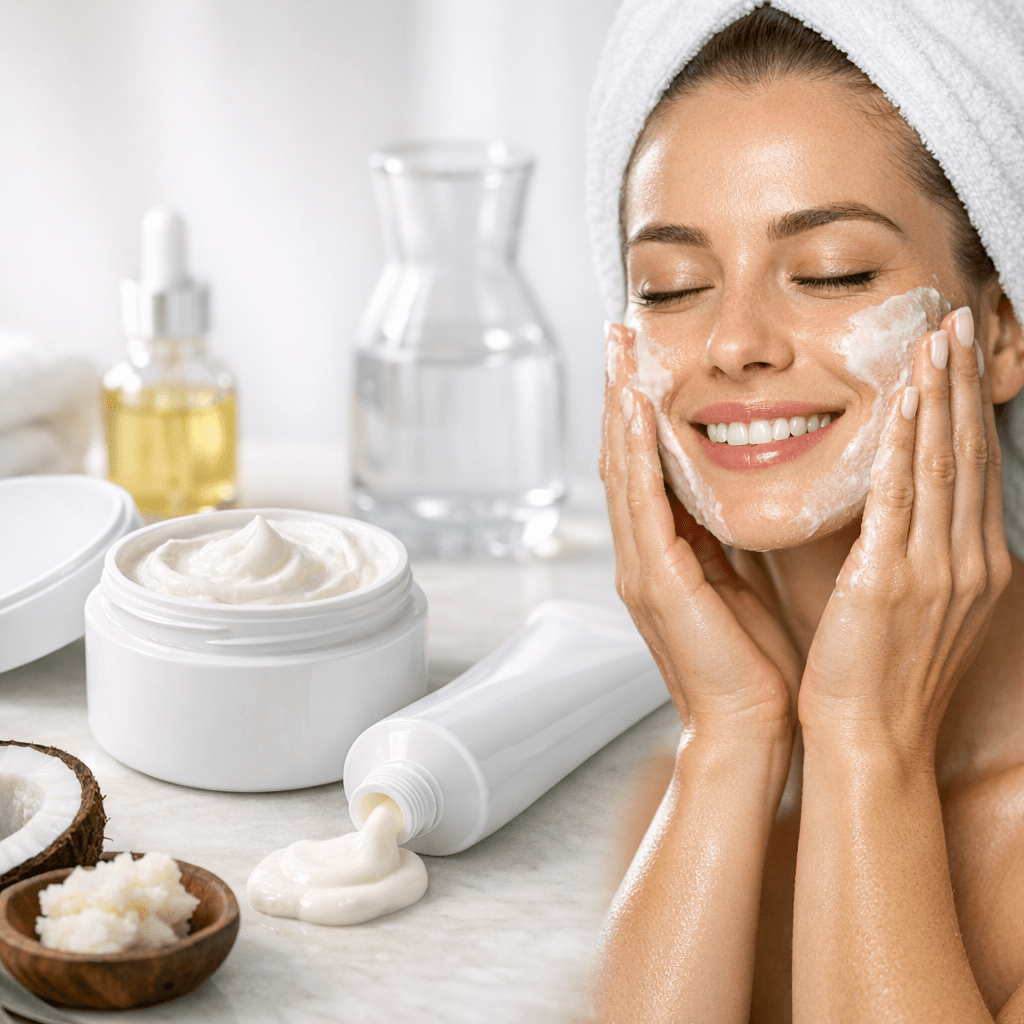
Imagine this: it’s 11 PM, you’ve just finished binge-watching the latest drama everyone’s talking about, and now you’re staring in the mirror at a full face of makeup. You know you need to take it off—leaving makeup on overnight is like signing up for clogged pores and dull skin—but your regular cleanser has been leaving your face feeling dry and tight lately. Sound familiar?
Here’s the thing: cream-based cleansers are absolute game-changers for situations like this. They don’t just remove every trace of makeup (yes, even waterproof mascara); they also leave your skin hydrated and soft instead of stripped and stressed. If you’ve been struggling with cleansers that leave your face looking like it just lost a fight with sandpaper, switching to a cream formula could be the secret weapon your skincare routine needs.
In this guide, you’ll discover:
- Why cream-based cleansers are perfect for removing makeup AND hydrating at the same time.
- The exact steps to use them effectively—even if you’ve got sensitive or acne-prone skin.
- Common mistakes people make (and how to avoid them).
Let’s break it all down so you never have to deal with stubborn makeup—or irritated skin—again.
What Makes Cream-Based Cleansers Special?
Here’s a simple truth: not all cleansers are created equal. Foam cleansers can feel squeaky clean but often strip your skin of essential oils, while gel formulas sometimes struggle with heavy-duty makeup removal. Cream-based cleansers balance both worlds—they’re gentle yet effective, hydrating yet powerful enough to dissolve everything from foundation to eyeliner.
How Do They Work?
Cream-based cleansers are oil-rich formulas designed to bind with dirt, makeup, and excess oils on your skin without disrupting its natural moisture barrier. Think of it as skincare multitasking: while they remove impurities, they also deposit nourishing ingredients like ceramides, aloe vera, or glycerin back into your skin.
Who Benefits Most?
If you’ve got dry or sensitive skin—or if winter air has turned your face into a flaky mess—a cream cleanser will feel like pure relief. But even oily-skinned folks can benefit from these formulas because they help maintain balance rather than triggering an overproduction of sebum.
Key takeaway: Cream-based cleansers don’t just clean—they protect and hydrate simultaneously.
Step-by-Step: How to Use a Cream-Based Cleanser Like a Pro
You might think using one is as simple as slapping it on and rinsing it off—and sure, that works in theory—but there’s actually a technique that’ll get you better results every time. Here’s how:
1. Start With Dry Skin
First things first: don’t wet your face before applying the cleanser! This is where most people mess up. Cream-based formulas work best when applied directly onto dry skin because water can dilute their effectiveness.
2. Massage It In (Take Your Time!)
Squeeze about a nickel-sized amount into your palms and warm it up slightly by rubbing them together—that helps activate the oils in the formula. Then massage it gently onto your face using circular motions for at least 30 seconds to one minute. Pay extra attention to areas like around the eyes (hello waterproof mascara) or along the jawline where product tends to stick around.
Also worth reading: 10 Best Hydrating Cleansers for Dry Skin
Pro tip: Use light pressure around delicate areas like under your eyes—no need to tug or pull.
3. Emulsify With Water
Here’s where water comes in handy: add a small amount of lukewarm water (not hot!) to emulsify the cleanser on your face—it’ll turn milky as it lifts away grime and makeup residue.
4. Rinse Thoroughly
Rinse until no residue remains—this part is crucial because leftover cleanser can cause breakouts or irritation later.
5. Follow Up With Toner or Moisturizer
Once you’re done cleansing, pat (don’t rub) your face dry with a clean towel and immediately follow up with toner or moisturizer while your skin is still damp for maximum hydration retention.
Key takeaway: Proper technique makes all the difference when using cream-based cleansers—don’t rush through it!
The Cost of Skipping This Step
Let me put this bluntly: skipping proper cleansing can cost you more than just clogged pores—it can ruin all those expensive serums and moisturizers sitting on your bathroom shelf! Why? Because if dirt or leftover makeup forms a barrier on your skin, none of those fancy actives will penetrate properly.
Think about it: what’s the point of investing $50+ in treatments if they’re not even reaching past yesterday’s foundation? A good cleansing routine sets up everything else in your regimen for success.
Common Myths About Cream-Based Cleansers (And What’s Actually True)
Myth: “They’re only for dry skin.”
Reality: While cream-based cleansers do wonders for dry types, oily-skinned folks can benefit too—as long as you choose non-comedogenic options that won’t clog pores.
Myth: “They don’t clean as well as foaming cleansers.”
Reality: If anything, they clean better. Oils attract oils—which means cream formulas excel at breaking down even stubborn products like long-wear foundations or sunscreen layers without harsh scrubbing.
Still skeptical? Give one try after wearing heavy eye makeup—you’ll wonder why you didn’t switch sooner!
Before vs After Using Cream-Based Cleansers
| Before | After |
|————————————-|—————————————|
Related guide: How to Choose the Right Toner for Acne-Prone
| Face feels tight post-cleansing | Skin feels soft + hydrated |
| Waterproof mascara is half-removed | All traces gone—including eye makeup! |
| Red patches from irritation | No redness; calm + smooth complexion |
Mistakes People Make When Using These Cleansers
Even if you’ve got top-notch products lined up on your sink counter, certain habits could sabotage their effectiveness:
1️⃣ Using too much product: A little goes further than you’d think—you only need about a nickel-sized dollop per cleanse.
2️⃣ Skipping double-cleansing after SPF use: Sunscreens are notoriously tough—pairing this cleanser with micellar water beforehand ensures nothing gets left behind.
3️⃣ Rinsing with hot water: Heat strips moisture faster than anything else; always stick with lukewarm temps instead.
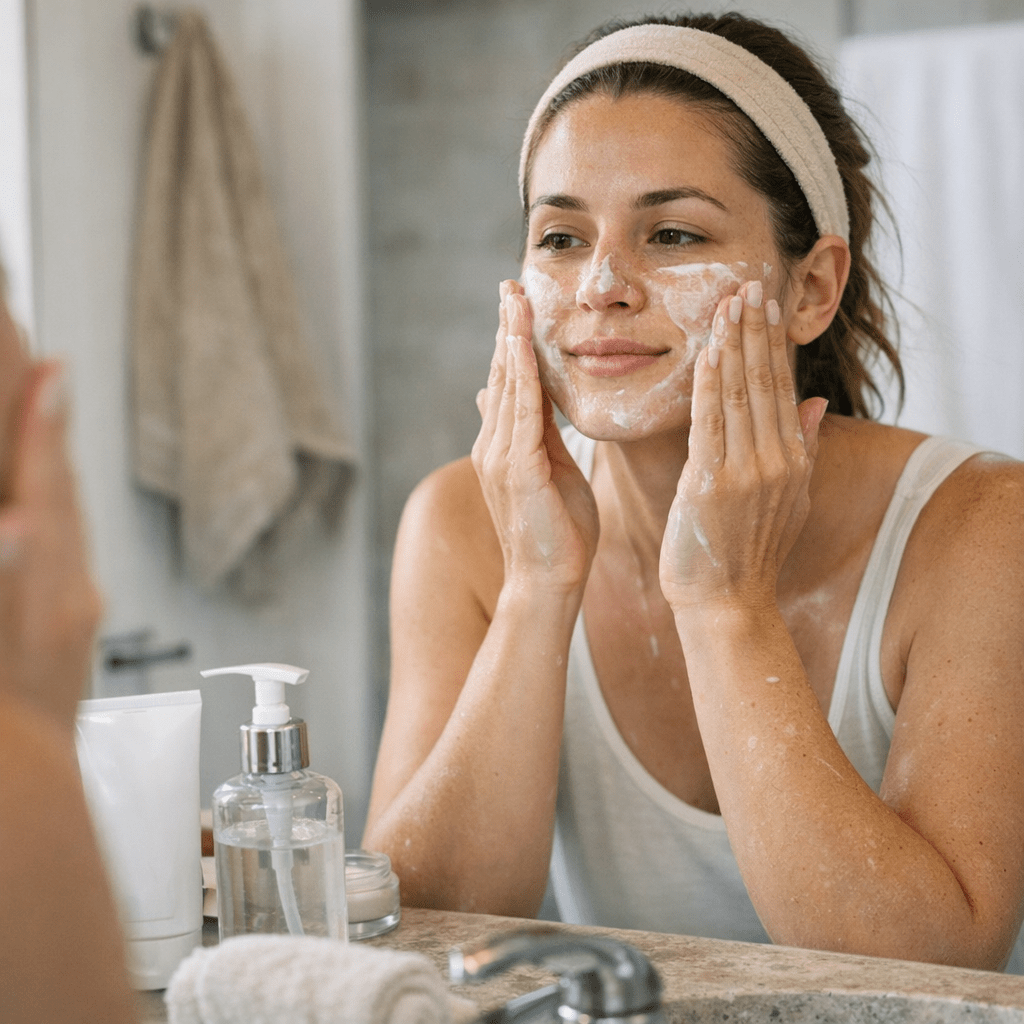
4️⃣ Not patch-testing first: New formula = potential allergies; test any new cleanser near elbow/wrist area before full usage!
Sound familiar? Adjust accordingly—and thank me later 😉
FAQ Section
Q: Can I use cream-based cleansers daily?
Yes! They’re gentle enough for everyday use—even twice daily—for most people unless otherwise specified by specific product instructions!
**Q:Is double-cleansing really necessary w/SPFs-heavy days though??