
Blog
Hyaluronic Acid vs. Retinol Face Masks: Which Should You Buy for Anti-Aging?: Practical Playbook with Real Examples
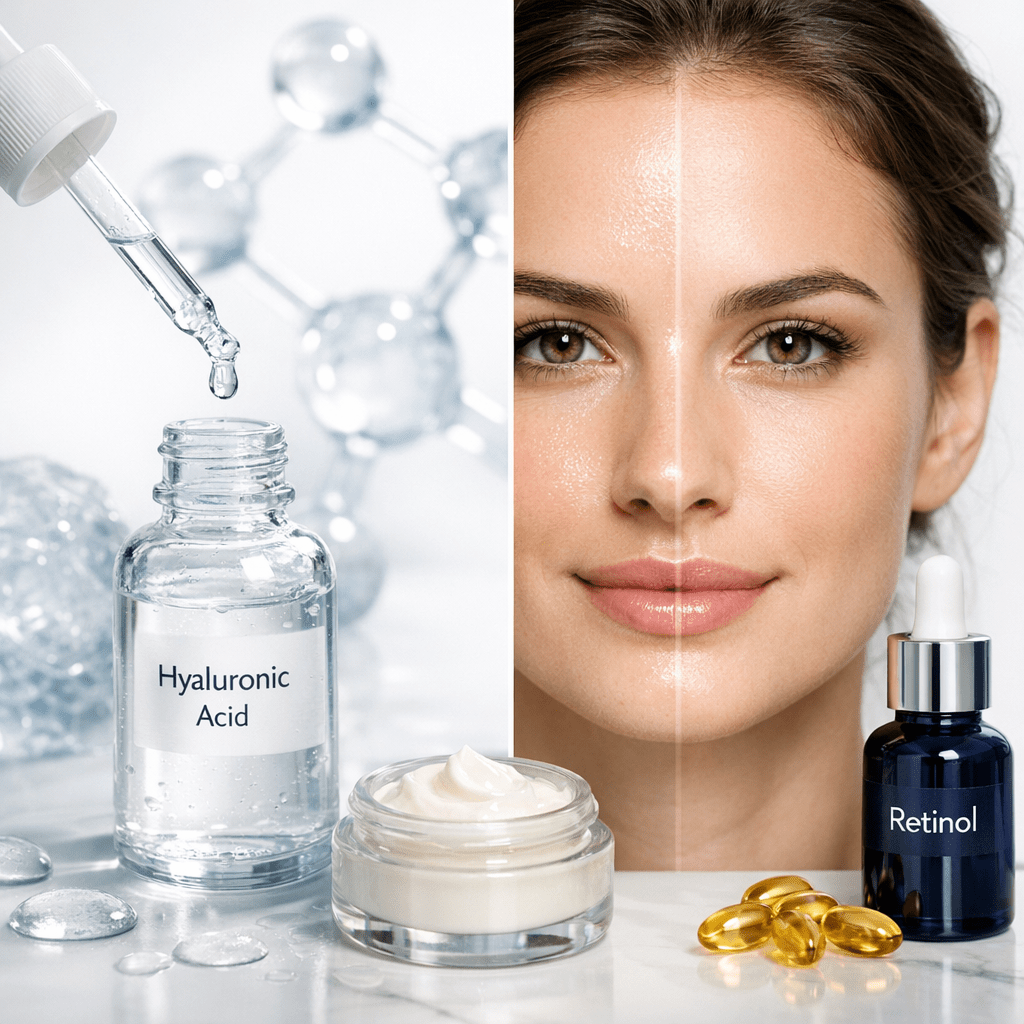
If you’ve ever stood in the skincare aisle staring at rows of products, wondering whether hyaluronic acid or retinol is the secret to smoother, younger-looking skin, you’re not alone. Skincare can feel like a confusing maze—especially when both ingredients promise miracles but deliver them in very different ways.
Here’s the thing: your choice between hyaluronic acid and retinol isn’t just about what’s trendy in 2026. It’s about understanding how these powerhouse ingredients work, their strengths, their quirks, and which one aligns with your specific skin needs.
In this guide, we’ll break it all down so you can decide confidently. Here’s what you’ll discover:
- What makes hyaluronic acid and retinol unique (and why they aren’t interchangeable).
- When to use each mask based on your skin type and goals.
- A brutally honest comparison table highlighting real-world results from both.
Let’s get into it—and save you from skincare regrets later.
Why Hyaluronic Acid and Retinol Are Skincare Power Players
Before we pit these two against each other, let’s talk about what makes them special. Spoiler alert: they’re not competing for the same job.
What Is Hyaluronic Acid?
Hyaluronic acid (HA) is like a tall glass of water for thirsty skin. It’s a naturally occurring molecule already present in your body that holds up to 1,000 times its weight in water—no exaggeration there. When applied topically via a face mask or serum, HA helps hydrate your skin deeply, plumping it up and making fine lines less noticeable.
But here’s the kicker: hyaluronic acid doesn’t create new collagen or fight wrinkles directly. It works by improving hydration levels so your skin looks healthier overall—perfect for dry or sensitive types.
And Retinol?
Retinol is an entirely different beast. Derived from vitamin A, it targets aging head-on by boosting cell turnover and stimulating collagen production. This ingredient fades discoloration, smooths out fine lines over time, and even unclogs pores while it’s at it.
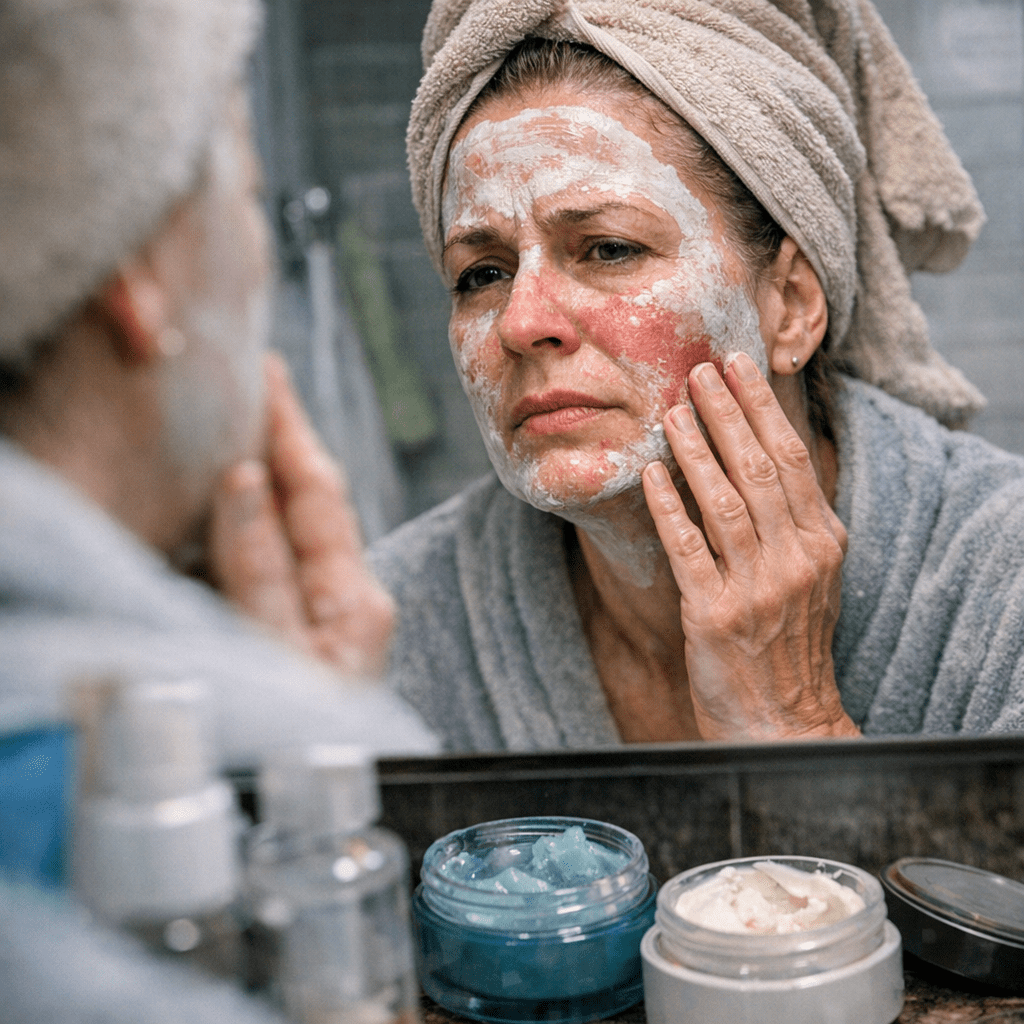
Sounds amazing, right? Well… there’s a catch: retinol can irritate if not used carefully—especially if your skin isn’t accustomed to it yet. Think redness, peeling, or sensitivity during those early weeks of use.
Also worth reading: Top 10 Honey
Key takeaway: Hyaluronic acid hydrates like no other; retinol repairs and renews at a deeper level but comes with potential side effects.
The Cost of Choosing the Wrong Mask
Imagine shelling out $50 on a luxurious mask expecting baby-smooth skin only to wake up with red patches because your face wasn’t ready for such an intense formula—that stings (literally). Conversely, spending money on hydrating products when what you really need is wrinkle repair might leave you underwhelmed with little visible change.
The cost of choosing poorly isn’t just financial—it could set back your skincare progress by weeks or months! So let’s figure out which option fits where.
5 Key Differences Between Hyaluronic Acid vs. Retinol Face Masks
Here are five practical ways these masks measure up against each other:
| Feature | 🏆 Hyaluronic Acid | Retinol |
|—————————–|———————————|—————————|
| Primary Benefit | Hydration + Plumping | Wrinkle Reduction + Renewal |
| Skin Type Compatibility | All Types (especially dry/sensitive) | Oily/Combo; NOT sensitive |
| Timeframe for Results | Immediate | 4–12 weeks |
| Side Effects Risk | None | Redness/Peeling possible |
Related guide: 10 Best Hydrating Cleansers for Dry Skin
| Best For: | Dehydrated/Dull Skin | Aging Skin/Persistent Breakouts |
As you can see above, these masks serve very different purposes—and knowing that upfront could save you time and frustration!
When Should You Use Hyaluronic Acid Masks?
If you’re dealing with dullness or dehydration that makes your foundation flake off mid-day—hello hyaluronic acid! These masks are perfect for replenishing moisture after long flights or cold weather sucks life out of every pore on our faces during winter months (#relatable).
Who Benefits Most From HA?
- People experiencing tightness/dry patches due to seasonal changes.
- Those looking to boost glow without irritation risks.
- Anyone wanting lightweight hydration sans heavy oils clogging their pores.
One pro tip here: Always apply HA-rich products onto damp—not dry—skin post-cleansing since moisture helps activate its magic-binding properties better than anything else!
When Does Retinol Shine Brightest?
Now onto retinols… If tackling age spots/fine lines tops priority lists alongside acne reduction goals simultaneously: THIS IS YOUR HERO INGREDIENT RIGHT HERE!! However patience required since consistent usage critical over several months seeing significant outcomes long-term payoff undeniable ultimately worthwhile investment into healthier glowing complexion ahead!