
Blog
The Brutal Truth About Korean Skincare for Combination Skin vs. Drugstore Products in 2026
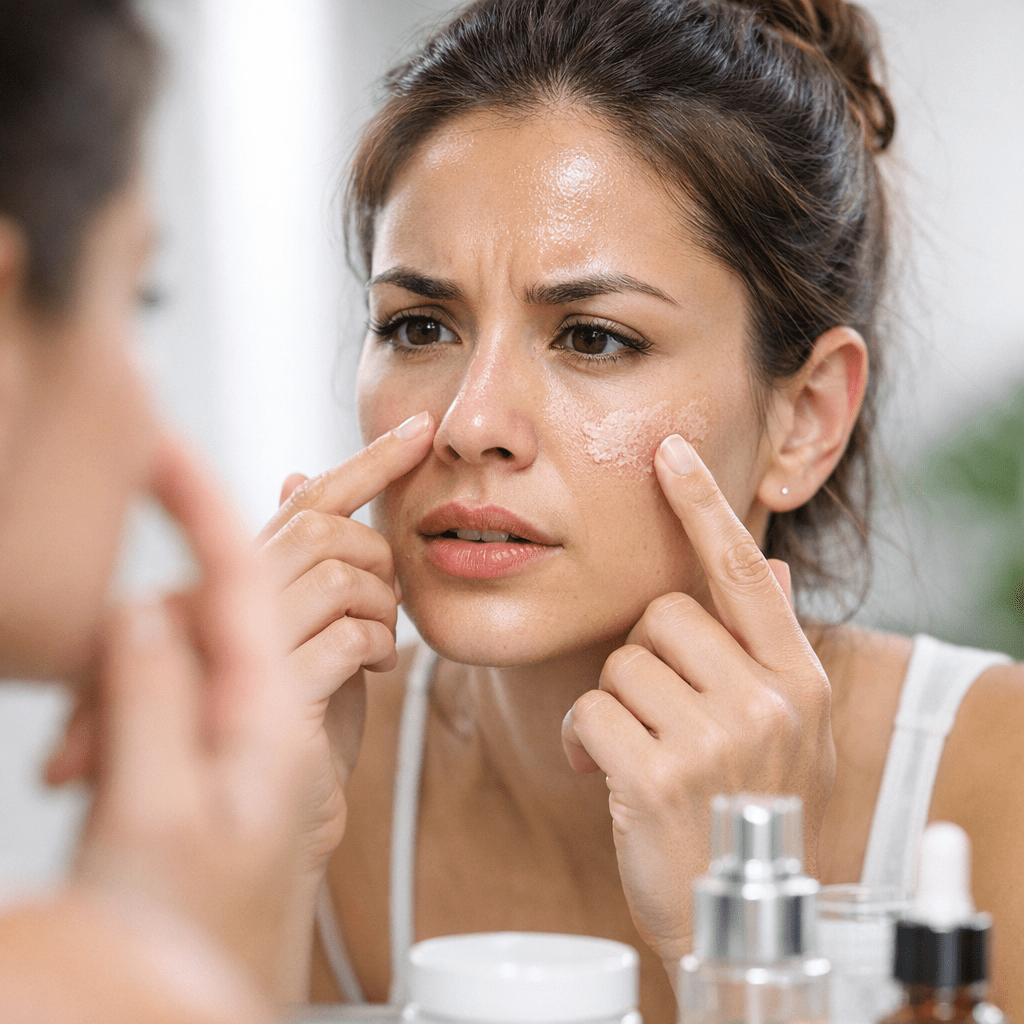
Here’s the thing: everyone seems to have an opinion about skincare these days. Maria, one of my friends who swears by K-beauty, walked into a drugstore last month and stared at shelves overflowing with cleansers and moisturizers. She left empty-handed. “How do I even know what works anymore?” she grumbled on our next Zoom call. It’s a fair question—and one you’ve probably asked yourself if you’ve ever tried to balance an oily T-zone with dry, flaky cheeks.
The problem? Skincare for combination skin isn’t one-size-fits-all, and in 2026, the market is more crowded than ever. Korean skincare brands promise glass skin with multi-step regimens, while drugstore products claim to deliver similar results at half the price (and effort). But can budget-friendly options really compete? Or is there something magical about Korean formulations?
In this guide, we’ll cut through the noise so you can make an informed decision:
- Why Korean skincare has become a cult favorite for combination skin
- How drugstore products stack up against K-beauty essentials
- A side-by-side comparison of costs, ingredients, and results
Let’s get real about what actually works—and what doesn’t—when it comes to finding the perfect routine for your unique skin type.
What Makes Combination Skin So Tricky?
Combination skin is like juggling two temperamental toddlers: one part of your face is oily (usually your forehead, nose, and chin), while another—like your cheeks—feels tight or even scaly. It’s frustrating because most products are designed either for oil control or hydration—not both.
If you’ve got combination skin in 2026, ignoring this duality means risking clogged pores on one side of your face and peeling on the other. And trust me when I say that nothing screams “I don’t know how to take care of my skin” louder than a greasy T-zone paired with patchy dryness around your jawline.
But here’s where it gets worse: neglecting proper care now could cost you later in premature wrinkles, uneven tone, or breakouts well into adulthood. So you’re not just buying skincare—you’re investing in future-you’s confidence.
So what should you choose? Let’s start by breaking down why Korean skincare has taken over Instagram feeds everywhere.
Why Is Korean Skincare So Popular Right Now?
Korean beauty brands aren’t new—they just finally hit mainstream status outside Asia thanks to their focus on innovation and holistic care. Unlike Western brands that often push quick fixes (hello salicylic acid overload), K-beauty takes a preventative approach that emphasizes hydration and barrier repair before tackling problems like acne or wrinkles head-on.
Also worth reading: The Honest Guide to Building a Simple
Here are three big reasons K-beauty is dominating 2026:
1. Advanced Ingredients: From snail mucin to centella asiatica extract (yes, both sound gross but they work wonders), K-beauty leans heavily on natural ingredients combined with science-backed actives like niacinamide or ceramides.
2. Layering Philosophy: Instead of slapping on one thick moisturizer and calling it a night (looking at you, Vaseline users), K-beauty advocates gentle layering—toners followed by essences followed by serums followed by moisturizers—to target specific concerns without overwhelming your skin.
3. Packaging That Sells Dreams: Admit it—the pastel bottles lined up neatly next to sheet masks just look… aspirational.
But here’s where things get tricky: Korean regimens aren’t cheap, especially if you’re buying multiple products from premium brands like Sulwhasoo or Dr.Jart+. You might be wondering if skipping all those steps for affordable drugstore alternatives could save time and money without sacrificing results.
Do Drugstore Products Offer Real Competition in 2026?
Drugstores have upped their game lately—no doubt about it. Brands like CeraVe and Neutrogena are pumping out dermatologist-recommended formulas with ingredients like hyaluronic acid and retinol at prices that don’t require sacrificing your Starbucks budget for a week.
Here’s where drugstore options shine:
- Affordability: A solid cleanser-moisturizer combo from Olay will run you $20–$30 total vs $100+ for even mid-range Korean regimens.
- Ease of Use: Most drugstore solutions are designed as single-use heroes (think all-in-one moisturizers) instead of requiring ten different steps.
- Accessibility: Walgreens doesn’t sell snail mucin creams—but they do carry fragrance-free basics that cater specifically to sensitive or combination-prone users living outside Seoul trends.
However—and this is big—not every cheap product delivers value long-term…
Side-by-Side Comparison Table: Which Performs Better?
Let’s cut straight to hard facts with this table comparing key metrics between average Korean skincare routines vs popular U.S.-drugstore alternatives:
| Product Feature | 🏆 Korean Skincare | Drugstore Products |
|———————————|—————————–|————————–|
| Multi-Step Customization | ✅ Yes | ⚠️ Limited |
| Advanced Ingredients | ✅ Yes | ❌ Primarily Basics |
Related guide: 10 Best Hydrating Cleansers for Dry Skin
| Long-Term Results | ✅ Proven | ⚠️ Varies By Brand |
| Price Per Routine | $75–$150 | $20–$40 |
| Best For | Holistic Glow Seekers | Budget-Conscious Buyers |
Best for: Choose K-beauty if you’re ready to invest time/money into glowing results; stick with drugstores if convenience rules your life right now.
The Tradeoffs No One Talks About
You might be thinking: “Okay great—so which one wins?” Fair question! But here’s where reality kicks in: neither option is flawless because they serve different needs.
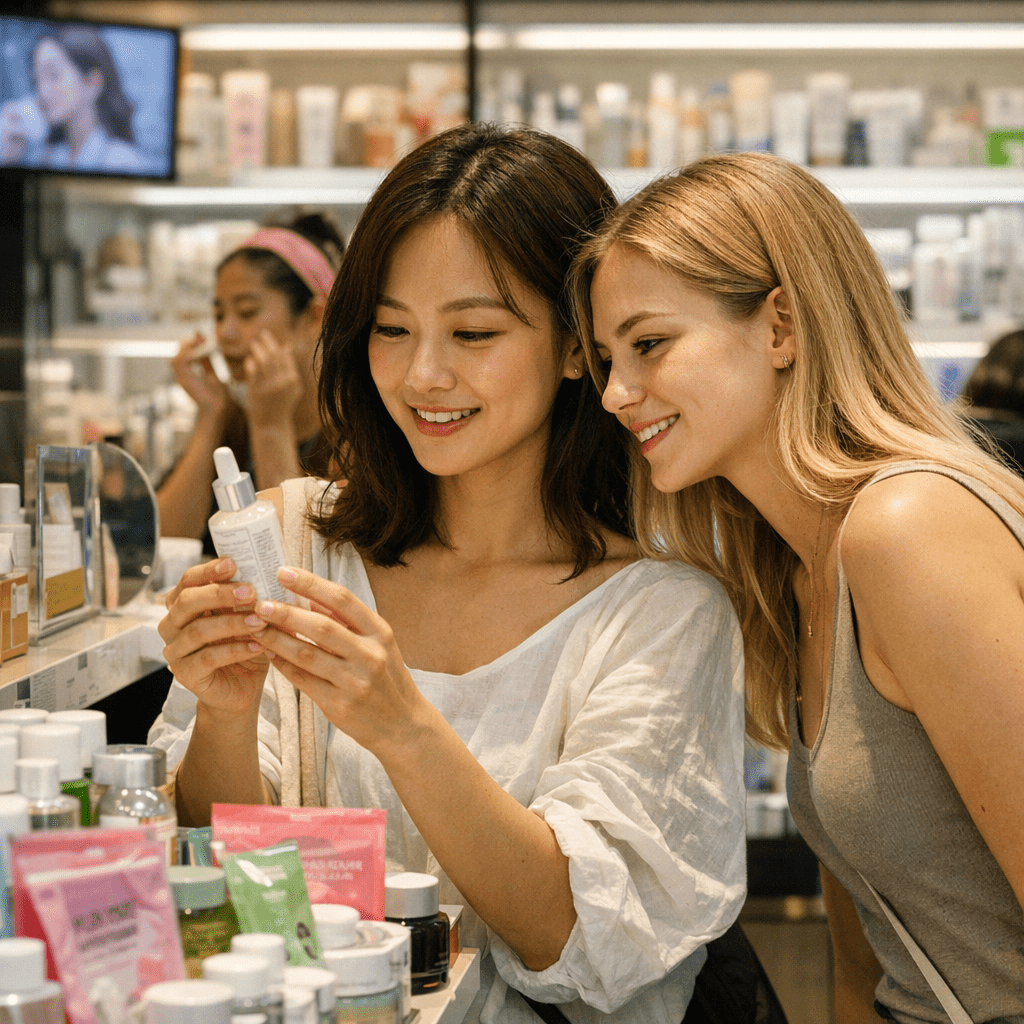
Common Myth:
Korean skincare always beats everything else.
Reality: Not true! While their innovations shine when used consistently over months (emphasis on consistency), many people quit halfway through because of cost—or sheer laziness keeping up multi-step routines nightly after Netflix binges…
On flip sides though cheaper pharmacy staples sometimes fail delivering transformative glow-level visible change post-acne scar fading leaving ppl frustrated unsure WHY!