
Blog
The Complete Guide to Choosing a Salicylic Acid Cleanser for Teen Acne and Blackheads
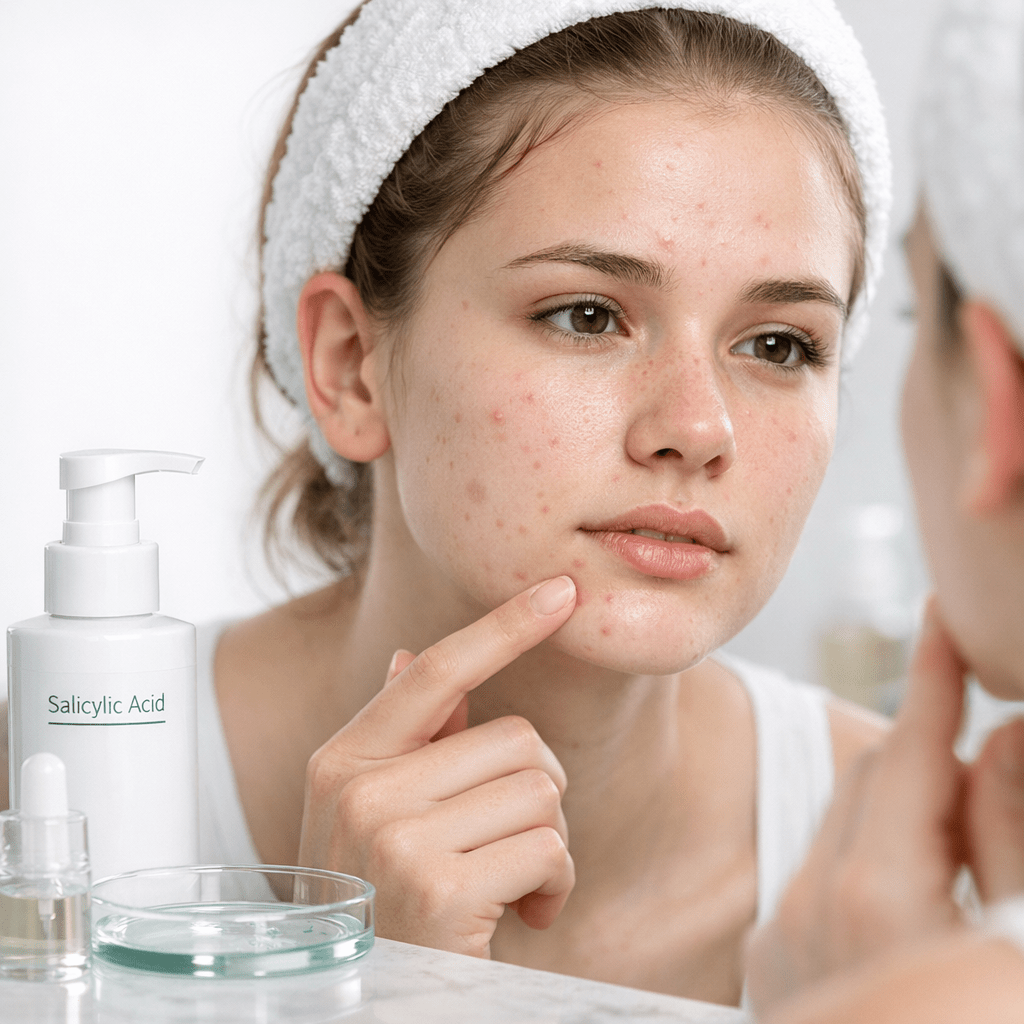
Imagine this: your teen’s bathroom counter is cluttered with half-used face washes, each promising to banish acne and blackheads but delivering nothing but frustration. Sound familiar? If you’re nodding along, you’re not alone.
Teen acne is relentless—it doesn’t just mess with skin; it messes with confidence. And those stubborn blackheads? They seem like they’ve signed a long-term lease on your kid’s T-zone. Here’s the kicker: the wrong cleanser can make things worse. Over-drying, irritation, or zero results are common pitfalls. But the right salicylic acid cleanser? That’s where the magic happens.
In this guide, you’ll discover:
- What makes salicylic acid a major shift for teen acne and blackheads.
- How to navigate ingredient lists without getting overwhelmed by jargon.
- Field-tested cleansers that actually work (and won’t wreck sensitive skin).
Ready to clear up the confusion—and their skin? Let’s dive in.
Why Salicylic Acid Works (And Why Most Teens Need It)
Salicylic acid isn’t just another trendy skincare buzzword; it’s a proven powerhouse against acne and blackheads. But why? It dives deep into pores to dissolve oil, dead skin cells, and gunk—basically everything that clogs pores and causes breakouts in the first place. Unlike physical scrubs that can irritate sensitive teenage skin (those walnut-shell exfoliants should come with a warning label), salicylic acid works gently yet effectively over time.
But here’s where many parents get tripped up: not all salicylic acid cleansers are created equal. Concentration matters (1–2% is usually ideal for teens), as does how it’s formulated—too harsh, and it strips moisture; too mild, and it barely does anything.
Key takeaway: Salicylic acid unclogs pores without aggressive scrubbing—but only if you choose the right formulation for your teen’s unique skin needs.
5 Signs You’re Using the Wrong Cleanser
Let me save you some trial-and-error heartbreak by pointing out red flags that scream “this isn’t working”:
1. Persistent dryness or peeling: If their face feels tighter than shrink-wrap after cleansing, that product is likely too harsh.
2. Zero improvement after 4–6 weeks: Salicylic acid takes time but should show signs of progress within a month.
3. Increased redness: Irritation can make breakouts worse—especially if your teen has sensitive or combination skin.
4. Oily rebound: Stripping natural oils triggers more oil production—a vicious cycle.
5. Breakouts in new areas: This often happens when cleansers clog pores instead of clearing them.
Here’s where most guides get it wrong—they suggest random products based on hype rather than addressing these issues head-on.
What Happens If You Don’t Fix This Now?
Letting acne run its course without effective treatment can lead to long-term scarring—not just physical but emotional as well. Dermatologists estimate that untreated moderate-to-severe acne increases scarring risk by over 30%. Plus, struggling with self-esteem during already tough adolescent years? That’s no small thing.
Also worth reading: 10 Best Hydrating Cleansers for Dry Skin
The good news: targeting acne early with something like a well-formulated salicylic acid cleanser prevents clogged pores from snowballing into cystic nightmares.
7 Criteria for Picking a Teen-Friendly Salicylic Acid Cleanser
Not all cleansers deserve space on your shopping list—or your teen’s face! When evaluating options, keep these seven factors front of mind:
1. Concentration Levels
Stick with 1–2% salicylic acid for daily use—it’s strong enough to work without frying delicate teenage skin.
2. pH Balance
Cleansers need to be slightly acidic (around pH 4–5) to maintain healthy skin barrier function while still fighting bacteria effectively.
3. Non-Comedogenic Ingredients
Translation: won’t clog pores! Watch out for sneaky ingredients like coconut oil or lanolin hiding in formulas marketed as “hydrating.”
4. Gentle Surfactants
Teens don’t need industrial-strength foaming agents stripping their faces raw! Look for sulfate-free options like cocamidopropyl betaine instead of sodium lauryl sulfate (SLS).
5. Skin Type Compatibility
- For oily-prone teens: Gel-based formulas absorb extra grease without leaving residue.
- For dry or sensitive types: Creamy textures paired with soothing extras like aloe vera are lifesavers.
6. Fragrance-Free Formulas
Artificial fragrances are common irritants—skip them altogether unless your goal is inflamed cheeks!
7. Price vs Performance
Yes, budget matters—but cheap doesn’t mean effective OR safe! Expect quality options around $10–15 per bottle that last months when used correctly.
Common myth:
“More foam equals better cleaning.” Nope! Foaminess often comes from harsh detergents damaging healthy oils rather than removing dirt effectively.
Comparison Table: Top Teen-Safe Salicylic Acid Cleansers
| Cleanser Name | 🏆 Best For | Price Range | Sulfate-Free | Fragrance-Free | Skin Type Focus |
|————————————-|————————-|————-|————–|—————-|———————|
| 🏆 CeraVe Renewing SA Cleanser | Sensitive/All-in-One | $14–$18 | ✅ | ✅ | Combo/Dry/Sensitive |
Related guide: How to Choose the Right Toner for Acne-Prone
| Neutrogena Oil-Free Acne Wash | Budget-Friendly | $8–$12 | ❌ | ❌ | Oily/Acne-Prone |
| La Roche-Posay Effaclar Medicated Gel Cleanser | Heavy Breakouts | $15–$20 | ✅ | ✅ | Oily/Cystic Acne |
| Paula’s Choice Clear Pore Normalizing Cleanser | Gentle But Effective | $16–$22 | ✅ | ✅ | All Skin Types |
Best for:
- CeraVe Renewing SA Cleanser wins overall due to its gentle yet effective formula perfect for beginners or those prone to redness.
- La Roche-Posay targets severe breakout situations when nothing else seems strong enough but still avoids over-drying risks.
Who Should NOT Use These Cleansers?
If your teen struggles primarily with rosacea-like redness rather than typical whiteheads/blackheads—or if they’ve been prescribed Accutane—their dermatologist might recommend avoiding even mild exfoliants temporarily until irritation subsides completely.
Mid-Article Soft CTA
Struggling between options? Learn more about affordable picks under $15 tailored specifically for teen-friendly routines!
Addressing Your Objections
You might be thinking, “Won’t any basic face wash do?” Honestly? No way! Basic soap bars lack active ingredients targeting why teens break out in hormonal waves—and harsh soaps disrupt their moisture barrier entirely…making problems worse instead of better!
Frequently Asked Questions
Q: How often should my teen use a salicylic acid cleanser?
Start once daily at night—if there’s no dryness after two weeks, bump up to morning AND evening use as tolerated.
Q: Can these cleansers remove makeup too?
Some do double-duty (like Paula’s Choice), but heavy foundation wearers might need an initial micellar water cleanse first before using an SA-based product effectively!
Q: Is it normal for their skin to purge after starting?
Yes—it means clogged material deeper down surfaces faster initially…but full results come by week four typically IF consistent usage continues!
The clock starts ticking every day clogged pores go untreated…but now YOU hold actionable tools ready-to-go fixing annoying skincare mysteries ASAP confidently-clear forward momentum ahead!!
One thought on “The Complete Guide to Choosing a Salicylic Acid Cleanser for Teen Acne and Blackheads”