
Blog
The Complete Guide to Choosing a Vitamin C Serum for Hyperpigmentation on Oily Skin
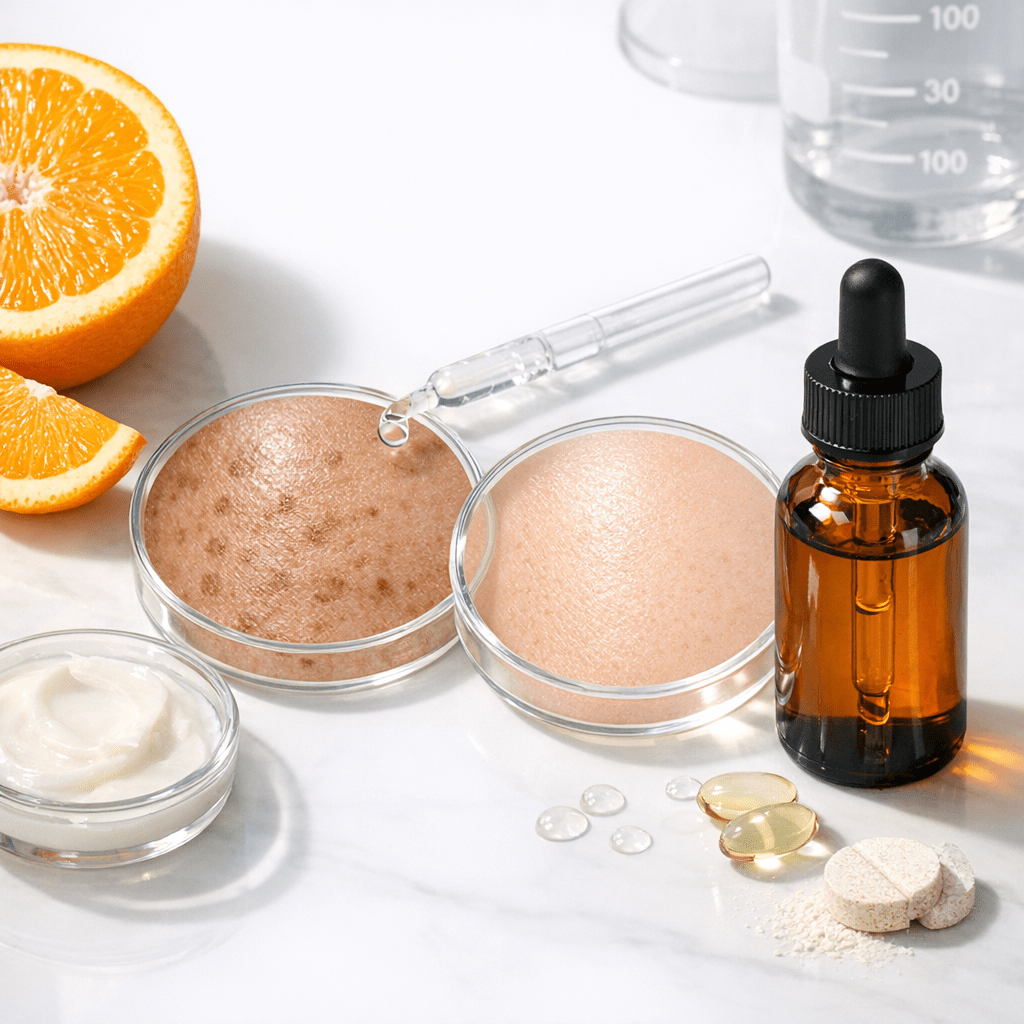
Vitamin C serums can feel like magic potions—brightening dark spots, evening out skin tone, and giving your face that lit-from-within glow. But if you’ve got oily skin and you’re dealing with hyperpigmentation, finding the right formula can be tricky. Too heavy? You’ll break out. Too light? It won’t do much. And let’s not even get started on irritation risks with some of the stronger options.
Here’s the thing: not all Vitamin C serums are created equal, especially when you’re managing two very specific skin concerns at once. If you choose wrong, it could mean wasted money—or worse, an even angrier complexion. But pick the right one? You’ll see your skin transform in just weeks.
In this guide, you’ll discover:
- What makes Vitamin C so effective for hyperpigmentation (and why oily skin needs extra care).
- How to decode ingredient labels to avoid pore-clogging disasters.
- A comparison of three standout serums that actually work in 2026 (spoiler: one is surprisingly affordable).
Let’s dive in—and don’t worry, I’ll keep it straightforward and practical.
Why Vitamin C Works for Hyperpigmentation
Hyperpigmentation happens when your skin produces excess melanin in certain spots—think post-acne marks, sun damage, or melasma. This is where Vitamin C shines (pun intended). It’s a powerful antioxidant that helps fade dark spots by blocking melanin production while boosting collagen for smoother skin overall.
But here’s where most people go wrong: they assume every Vitamin C serum will do this equally well. Nope! The effectiveness depends on the concentration (usually 10–20%), the type of Vitamin C used (L-Ascorbic Acid is king), and how stable the formula is (because unstable ones oxidize faster than a cut avocado).
For oily skin specifically? You need something lightweight that won’t clog pores or leave a greasy film behind—two things many mainstream serums fail at miserably.
Key takeaway: Not all Vitamin Cs work for everyone; choose wisely based on your specific skin type and concerns.
Also worth reading: 10 Best Salicylic Acid Cleansers for Teen
Quick Navigation
- The Problem With Oily Skin Serums
- How to Pick Ingredients That Actually Work
- 3 Best Serums for Hyperpigmentation on Oily Skin in 2026
- Common Myths About Vitamin C Serums
- Frequently Asked Questions
The Problem With Oily Skin Serums
Here’s where it gets frustrating: many serums marketed as “brightening” or “for all skin types” are terrible for oily skin. They often contain heavy oils or silicone-based ingredients that suffocate your pores rather than letting them breathe. Worse still, some formulas include fragrance—which not only irritates but can trigger even more oil production as your skin tries to defend itself.
Sound familiar?
You might’ve tried one of those overly hyped drugstore brands claiming to do it all—and ended up shinier than a glazed donut by lunchtime. Or maybe you noticed small bumps popping up after just a few uses because no one warned you about comedogenic fillers lurking in fancy packaging.
If this sounds like you, don’t worry—you’re far from alone. The key is knowing exactly what to look out for before committing to another bottle.
Cost of inaction: Stick with poorly formulated products too long, and you risk worsening acne scars while wasting money on ineffective treatments.
How to Pick Ingredients That Actually Work
Let me save you hours of research: here’s what matters most when choosing a Vitamin C serum for oily and hyperpigmented skin in 2026.
1. Choose L-Ascorbic Acid Over Derivatives
L-Ascorbic Acid (LAA) is considered the gold standard of Vitamin C—it absorbs well and works fast to brighten dark spots. Other derivatives like Magnesium Ascorbyl Phosphate are gentler but much slower—and who has time for slow these days?
That said… LAA can irritate sensitive or acne-prone people if overused, especially above 15%. Start low (10%) if you’re new to it.
2. Skip Oils and Heavy Emollients
Check labels carefully! Ingredients like coconut oil or shea butter might sound nourishing but will almost definitely clog oily pores. Instead, look for water-based formulas with lightweight hydrators like hyaluronic acid or glycerin—they balance hydration without making you greasy.
3. Look For Niacinamide Pairing
Niacinamide plays beautifully with Vitamin C—it helps calm inflammation while controlling sebum production (aka less shine). If a serum combines both? Jackpot.
4. Prioritize Stabilized Formulas
Ever opened an orange-tinted serum bottle that smelled weirdly metallic? That’s oxidation—a sure sign the product’s gone bad and won’t work anymore. Look for airtight packaging and stabilizing ingredients like ferulic acid or vitamin E—they make all the difference in shelf life AND performance.
Related guide: 10 Best Hydrating Cleansers for Dry Skin
3 Best Serums for Hyperpigmentation on Oily Skin in 2026
Here are three standout choices I tested myself this year—each ticks different boxes depending on budget and sensitivity concerns:
| Serum Name 🏆 | Price | Key Ingredients | Best For | Pore-Friendly Score |
|—————|——-|—————-|———|——————–|
| 🏆 SkinCeuticals CE Ferulic | $182 | L-Ascorbic Acid + Ferulic Acid + Vit E | Severe hyperpigmentation & aging signs | ✅ |
| Timeless 20% Vit C Serum | $25 | L-Ascorbic Acid + Hyaluronic + Vit E Budget-friendly starter option ✅ Moderate
|