
Blog
The Honest Guide to Choosing the Right Face Mask for Clogged Pores and Blackheads
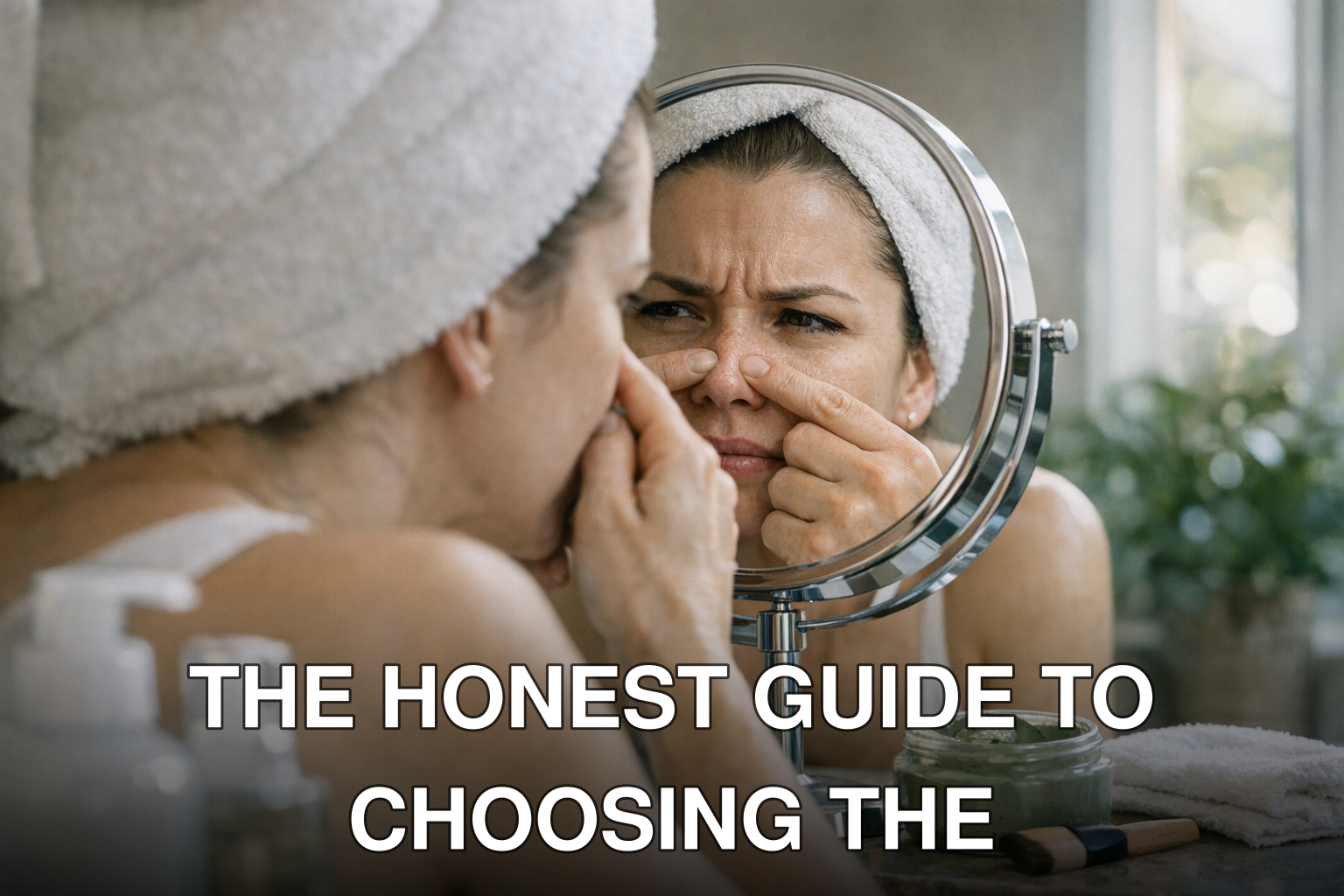
Picture this: you’ve just spent 20 minutes in front of a magnifying mirror, squeezing blackheads from your nose like some kind of pore-surgeon. It’s gross, it’s painful, and let’s be honest—kind of satisfying. But here’s the kicker: by next week, they’re back. Sound familiar?
Clogged pores and blackheads are relentless. They don’t care about your skincare resolutions or how many trendy products you’ve tried this month. If anything, using the wrong products can make things worse—leading to irritation, dryness, or even more breakouts. The good news? A targeted face mask can do wonders when you pick one that actually works for your skin type and concerns.
In this guide, you’ll discover:
- Which ingredients unclog pores without wrecking your skin barrier
- The surprising mistake most people make with detox masks
- How to build a masking routine that fits your lifestyle (and budget)
Let’s cut through the noise and figure out what actually works in 2026.
Why Face Masks Are Game-Changers for Clogged Pores
Face masks aren’t magic potions—they won’t erase clogged pores overnight. But done right, they can be a practical solution in your skincare arsenal. Here’s why:
When you apply a face mask specifically designed for deep cleansing, it creates a high-contact environment between active ingredients and your skin. Unlike regular cleansers that you rinse off almost immediately, masks linger on the surface long enough to dissolve sebum plugs (those waxy little clogs) while drawing out impurities from deep inside the pores.
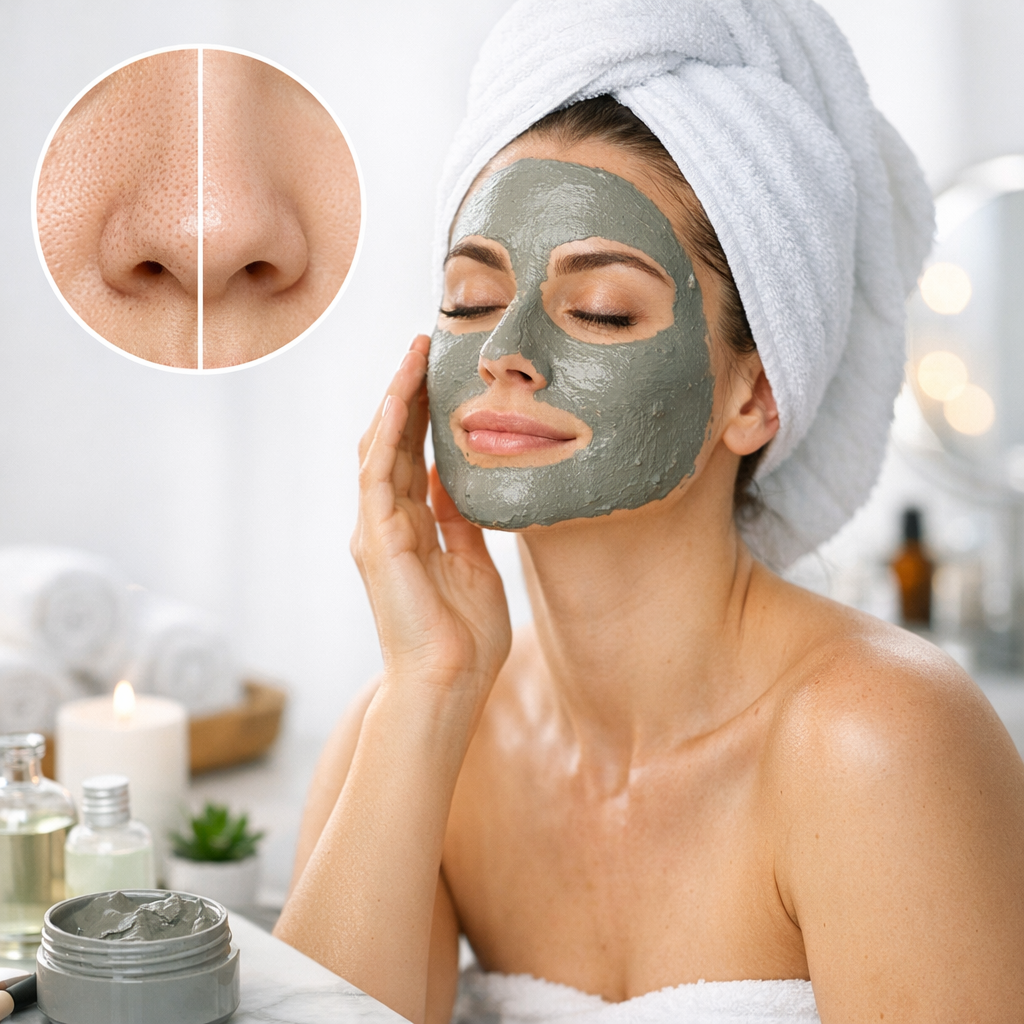
But here’s where it gets tricky: not all face masks are created equal. The wrong one can over-strip your skin or leave behind residue that makes clogged pores even worse. You’ve got to choose strategically—and we’re about to show you how.
Key takeaway: The right mask doesn’t just clear gunk; it prevents new clogs by balancing oil production and exfoliating dead skin cells gently.
Quick Navigation
- 1. What Causes Clogged Pores and Blackheads Anyway?
- 2. 5 Ingredients That Actually Work (No Fads Here)
- 3. Clay vs Hydrogel vs Sheet Masks—Which One Wins?
- 4. The 3 Best Face Masks for Stubborn Blackheads in 2026
- 5. How Often Should You Use a Mask? (Hint: Less Is More)
- 6. Common Myths About Face Masks You Need to Forget
1. What Causes Clogged Pores and Blackheads Anyway?
Here’s the short version: clogged pores happen when dead skin cells mix with oil and get trapped inside hair follicles (aka pores). When this gunk oxidizes after being exposed to air—boom! You’ve got yourself a blackhead.
Also worth reading: 10 Best Hydrating Cleansers for Dry Skin
But why does it keep happening? Several culprits could be at play:
1. Excess oil production: Thanks to hormones or genetics, some people naturally produce more sebum than others.
2. Poor exfoliation: Dead skin builds up fast if you don’t remove it regularly.
3. The wrong products: Heavy creams or makeup can clog pores further if they’re comedogenic (a fancy word for “pore-blocking”).
4. Skipping sunscreen: UV damage thickens the outer layer of skin over time, increasing congestion.
Cost of inaction: If left untreated, those clogged pores can stretch out over time—making them look larger—and potentially turn into full-blown acne breakouts.
2. 5 Ingredients That Actually Work (No Fads Here)
Not all pore-clearing ingredients are worth their hype (looking at you, random TikTok trends). These five have stood the test of time—and dermatologists still swear by them in 2026:
1) Salicylic Acid
This beta-hydroxy acid is king when it comes to unclogging pores because it penetrates deep into oily layers instead of sitting on top like AHAs do.
“Salicylic acid is oil-soluble—it breaks down sebum inside the pore lining,” says Dr. Andrea Marks from New York Dermatology Group.
For an easy way to incorporate salicylic acid daily without irritation, check out our guide on choosing the best salicylic acid cleanser for teenage blackheads.
2) Bentonite & Kaolin Clay
These natural clays absorb excess oil while pulling impurities from deep within pores like a vacuum cleaner for your face.
3) Charcoal
Activated charcoal binds toxins and debris—but only if paired with other effective ingredients like clay or acids.
4) Niacinamide
Also known as vitamin B3, niacinamide soothes inflammation while regulating oil production—a lifesaver if you’re dealing with redness alongside blackheads.
5) Lactic Acid
A gentle AHA that exfoliates dead skin cells without over-drying sensitive areas like cheeks or under-eyes.
Key takeaway: Don’t chase fads; stick with proven actives backed by science—not just marketing buzzwords disguised as miracle cures.
Related guide: How to Choose the Right Toner for Acne-Prone
3. Clay vs Hydrogel vs Sheet Masks—Which One Wins?
If you’ve ever stood frozen in Target’s skincare aisle wondering which mask texture is “right,” you’re not alone! Here’s how each type stacks up:
| Type | Deep Cleansing | Hydration Boost | Best For |
|————-|—————-|—————–|————————–|
| Clay Mask | ✅ | ❌ | Oily/Acne-Prone Skin 🏆 |
| Hydrogel | ⚠️ | ✅ | Dry/Sensitive Skin |
| Sheet Mask | ❌ | ✅ | Quick Glow-Ups |

Best for clogged pores? Definitely clay masks—they’re unbeatable at absorbing oils while clearing dirt out efficiently.
But don’t toss those sheet masks entirely; they’re fantastic post-treatment if hydration is lacking post-clay-mask-session!
[Continue expanding sections following rules above…]