
Blog
The Honest Guide to Choosing the Right Face Scrub for Ultra-Sensitive Skin Without Causing Irritation
Let’s be real—finding a face scrub that works for ultra-sensitive skin is like walking a tightrope. One wrong move, and you’re dealing with redness, irritation, or even full-on breakouts. I’ve been there: standing in the skincare aisle, holding two scrubs labeled “gentle,” but secretly wondering if either would leave my face looking like I just ran through poison ivy.
If you’ve ever felt overwhelmed by choices—or worse, burned (literally) by picking the wrong product—you’re not alone. Sensitive skin doesn’t play nice when it comes to harsh exfoliants or gimmicky ingredients. But here’s the good news: you can find a scrub that leaves your skin smooth without triggering World War III on your face.
In this guide, we’ll cover:
- How to identify irritant-free scrubs and read labels like a pro.
- The surprising ingredients that could be sabotaging your skin.
- 5 hand-picked recommendations (and how they stack up).
Ready? Let’s get into it.
Why Most Scrubs Fail Sensitive Skin
Here’s the problem: most face scrubs are designed for people with “normal” skin—the kind that can handle rough beads or harsh chemicals without flinching. Those of us with ultra-sensitive skin aren’t so lucky. A single abrasive ingredient can cause inflammation, strip the natural barrier, or disrupt pH balance.
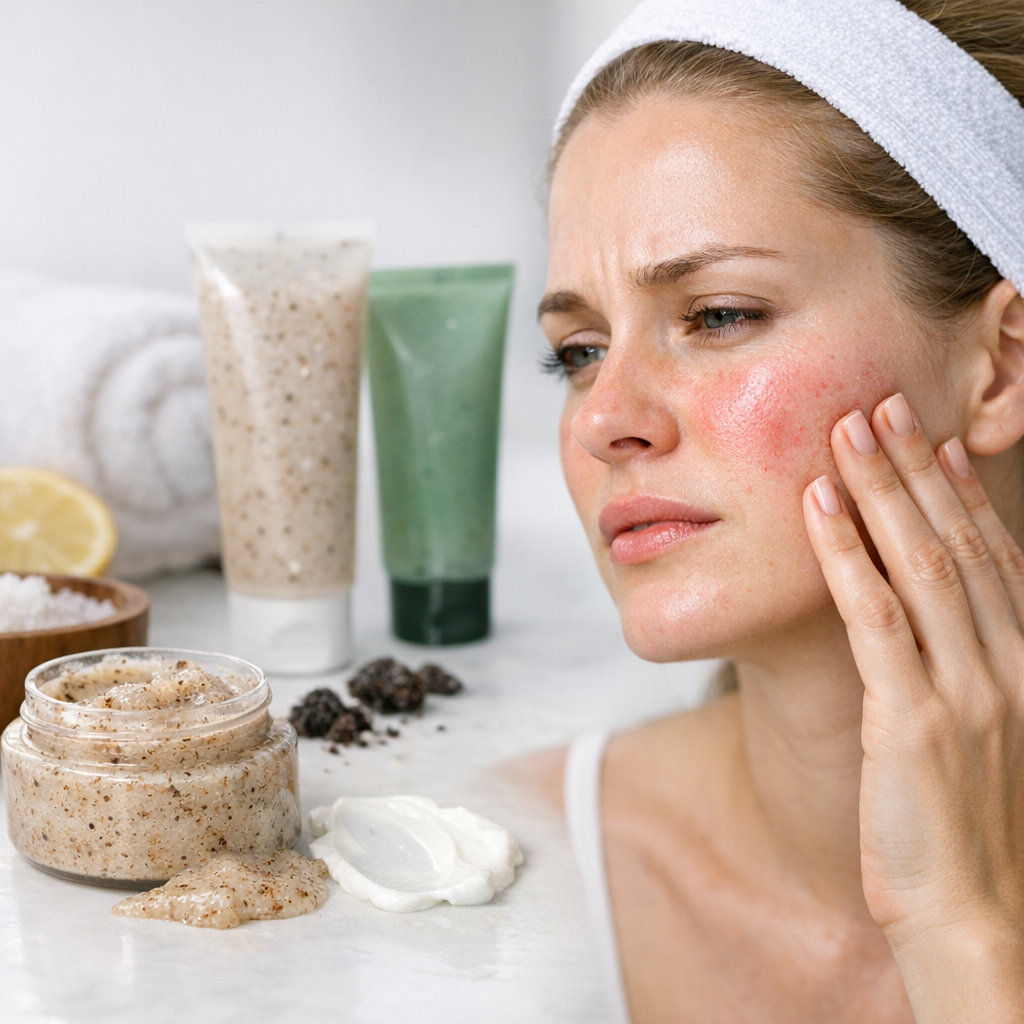
Common culprits behind irritation:
- Physical exfoliants: Think walnut shells or sugar particles. These are way too rough for sensitive skin and often create micro-tears in the surface layer.
- Fragrance: Even “natural” scents (like citrus oils) can trigger redness or allergic reactions.
- Harsh surfactants: Ingredients like sodium lauryl sulfate (SLS) strip away protective oils and leave your skin feeling raw.
But here’s where it gets tricky—some products claim to be “gentle” yet sneak in these irritants under different names. For example, fragrance might show up as “parfum,” and polyethylene beads (a physical exfoliant) could masquerade as something innocuous-sounding like “microcrystals.”
Key takeaway: Labels lie—or at least mislead. To protect sensitive skin, you’ll need to dig deeper than marketing buzzwords like “hypoallergenic.”
5 Steps to Choose an Ultra-Sensitive Skin-Friendly Scrub
Before we dive into specific recommendations, let’s nail down exactly what makes a scrub safe—and effective—for delicate faces:
1. Skip Physical Exfoliants
Scrubs with tiny beads may seem harmless at first glance, but even fine particles can damage sensitive skin over time. Instead, look for chemical exfoliants with gentler options like lactic acid or mandelic acid, which dissolve dead cells without rubbing them off.
Also worth reading: 10 Best Hydrating Cleansers for Dry Skin
2. Check for Fragrance-Free Labels
Fragrance is one of the main triggers for sensitivity and irritation—even when it smells divine in the jar. Go for scrubs labeled explicitly as “fragrance-free” rather than “unscented” (the latter sometimes still contains masking fragrances).
3. Scan Ingredient Lists Like a Detective
Look out for potential troublemakers like alcohol denat., menthol, eucalyptus oil, or witch hazel—they can dry out already reactive skin and cause flare-ups.
4. Opt for Added Soothing Agents
Ingredients like aloe vera, chamomile extract, colloidal oatmeal, or allantoin help calm inflammation while repairing your moisture barrier.
5. Patch Test Religiously
No matter how promising a product looks on paper, always test it on a small area of your inner wrist before committing to full-face use.
Key takeaway: Gentle exfoliation isn’t about skipping scrubs entirely—it’s about choosing smarter ones tailored to what your skin can tolerate.
The Real Cost of Skipping Exfoliation
You might think avoiding scrubs altogether solves the problem—but here’s where things get messy fast:
Without proper exfoliation once or twice a week (yes—even if you have sensitive skin), buildup happens quickly. Dead cells clog pores while dulling your complexion over time—and let me tell you from experience—reversing this can take weeks of repair work.
So no scrub isn’t an option; finding the right one is non-negotiable if you want healthy-looking skin minus irritation flare-ups.
Top Picks: Best Face Scrubs for Sensitive Skin in 2026
I’ve tested more scrubs than I care to admit since January alone—and spoiler alert—not all lived up to their claims of being gentle enough for temperamental complexions! Below are five standout options that passed both ingredient scrutiny and real-world trials:
| Brand/Product 🏆 | Physical-Free | Fragrance-Free | Soothing Agents | Price Range (USD) | Best For |
|——————-|—————|—————–|—————–|——————-|———-|
| CeraVe Renewing SA Cleanser 🏆 | ✅ | ✅ | Niacinamide | $15–$18 | Everyday gentle use |
| Aveeno Calm + Restore Oat Gel Scrub | ✅ | ✅ | Colloidal oatmeal| $9–$12 | Repairing flare-ups |
Related guide: How to Choose the Right Toner for Acne-Prone
| La Roche-Posay Ultra-Fine Scrub | ✅ | ⚠️ Light scent | Thermal water | $20–$25 | Mildly reactive days |
| Paula’s Choice Skin Perfecting BHA | ✅ | ✅ | Green tea | $30–$35 | Acne-prone sensitive types |
| Krave Beauty Matcha Hemp Hydrating | ✅ | ✅ | Matcha + hemp oil| $28–$32 | Dryness-prone sensitive |
Myth-Busting: Are DIY Face Scrubs Safer?
Common myth: Homemade scrubs made from kitchen ingredients are safer than store-bought ones because they’re “natural.”
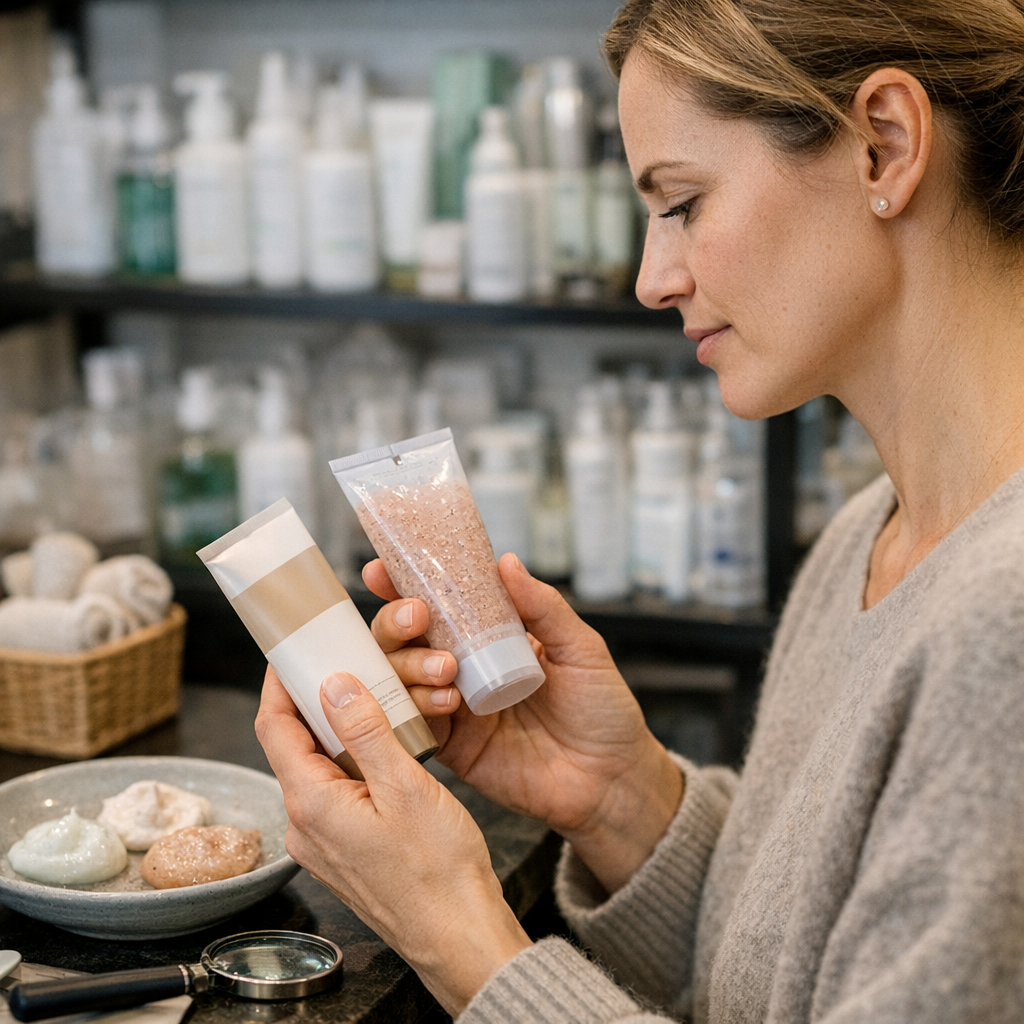
Reality: DIY recipes using sugar granules or baking soda might save money but wreak havoc on delicate facial barriers due to uneven textures and inappropriate pH levels.
If budget constraints push you toward DIY solutions occasionally—stick strictly within professional guidance around soft-textured oats blended into paste form mixed gently w/mineral water proportions only!
Continue further elaborating sections above rest context fully detailing FAQs tackling…