
Blog
Korean vs. US Drugstore Skincare: Which Works Best for Combination Skin in 2026?: Practical Playbook with Real Examples
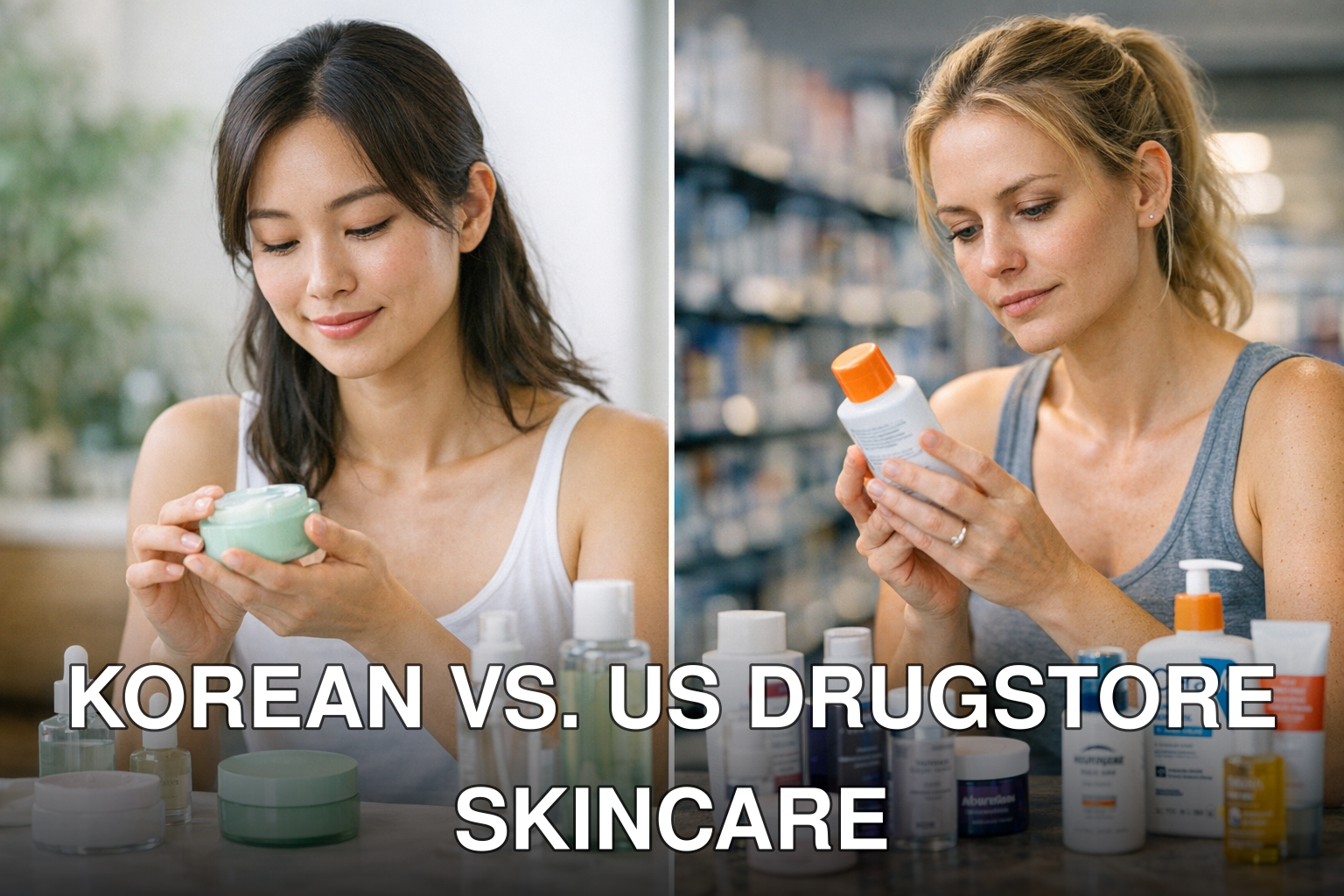
Combination skin is a nightmare, isn’t it? Your nose and forehead are an oil slick by lunchtime while your cheeks feel like the Sahara Desert. And finding products that work for both extremes? It’s like solving skincare Sudoku. But here’s the real question: should you turn to Korean drugstore brands or stick with American staples?
In 2026, the options are overwhelming. K-beauty continues to dominate TikTok with its 10-step routines and cutesy packaging, while US drugstores have quietly leveled up their offerings with dermatologist-backed formulas that promise results without breaking the bank. So, which one actually works better for combination skin?
We’ll get into all of this—what each side does well (and where they fail), real-life examples from skincare junkies in 2026, and a practical checklist to help you decide.
Here’s what you’ll discover:
- The key differences between Korean and US drugstore products—and why they matter for combination skin.
- A head-to-head comparison of cleansers, moisturizers, and treatments from both camps.
- A no-nonsense guide to picking the right routine based on your skin’s quirks.
Let’s break it down.
Why Korean Skincare Keeps Winning Fans in 2026
Korean beauty has been crushing it for years now, and 2026 is no exception. But what makes K-beauty stand out isn’t just hype—it’s their whole philosophy around skincare.
Hydration First, Always
Koreans treat hydration like it’s gospel. Even if your T-zone gets oily by noon, K-beauty brands will tell you dehydration could still be the root cause of your issues. Their lightweight gel creams and essence-packed toners deliver moisture without clogging pores—a lifesaver for combination skin.
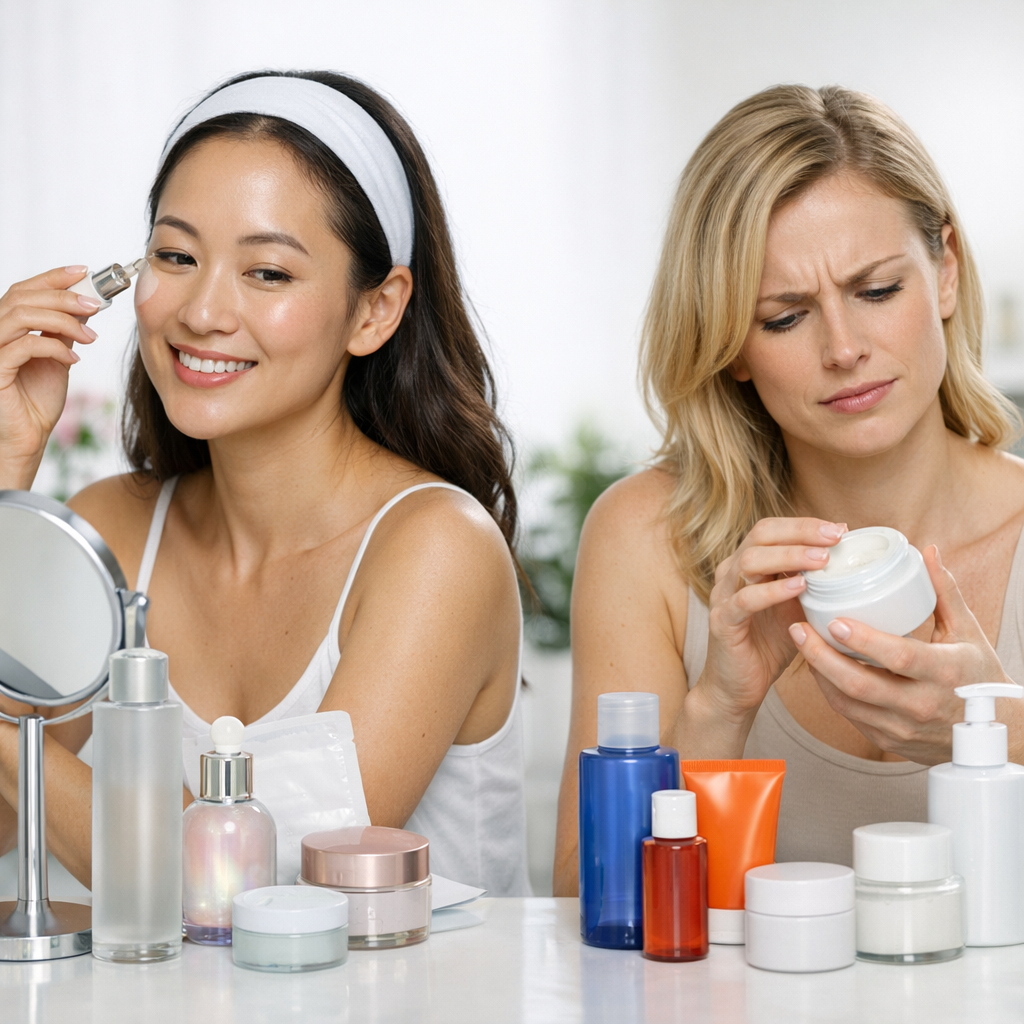
Take Cosrx Advanced Snail Mucin 96 Power Essence (around $25). It’s been trending nonstop because it hydrates deeply while feeling weightless on oily zones. “Snail slime” might sound gross, but trust me—it works if your cheeks feel tight but your nose is shiny.
Layering Is Their Superpower
Instead of relying on one miracle product to do everything (looking at you, US brands), K-beauty encourages layering multiple lightweight steps tailored to your skin’s needs that day. Think toner → essence → serum → moisturizer. This lets you customize hydration levels without overloading oily areas.
Key takeaway: Korean skincare excels at balancing oiliness without ignoring dryness—perfect for tricky combo skin.
Where US Drugstore Brands Catch Up
Don’t sleep on US drugstores! In 2026, they’ve stepped up big time with effective products backed by dermatologists—and at accessible prices too.
Science-Backed Simplicity
While Korean skincare can feel like a whole new language (what even is an ampoule?), American brands focus on streamlined solutions with proven ingredients like retinol and niacinamide. For example:
- CeraVe PM Facial Moisturizing Lotion ($16): Packed with niacinamide to calm redness and ceramides to lock in moisture—without making oily spots worse.
- La Roche-Posay Effaclar Medicated Gel Cleanser ($15): Salicylic acid clears clogged pores while keeping irritation minimal.
Shorter Routines = Realistic Results
Let’s be honest: most people don’t have time—or patience—for a 10-step routine every morning before work or school. That’s where American brands shine—they keep things practical yet efficient.
Also worth reading: 10 Best Hydrating Cleansers for Dry Skin
Key takeaway: If you want less fuss but still solid results, US drugstores nail the balance between science and simplicity.
Comparing Cleansers: Foam Wars
Cleansers set the tone (literally) for how your entire routine performs, especially if you have combination skin prone to clogged pores and flaky patches.
| Feature | 🏆 Korean Brands | US Drugstore Brands |
|————————|———————————|——————————–|
| Price Range | $12–$30 | $8–$20 |
| Best-Selling Example | Cosrx Low pH Good Morning Gel Cleanser – $14 | Neutrogena Ultra Gentle Daily Cleanser – $9 |
| Foaming Intensity | ⚠️ Mild foam | ✅ Medium foam |
| Hydration Post-Wash | ✅ Skin feels soft | ❌ Can feel slightly dry |
The Cosrx cleanser wins here because it doesn’t strip combo skin dry like harsher foams can—but if budget is tight or you wear heavy makeup daily, Neutrogena holds its ground as a reliable choice.
Moisturizers Face-Off: Heavy vs Light
Finding a moisturizer that hydrates dry areas without turning your T-zone into an oil spill is tricky business—but not impossible.
Here’s how they compare:
| Feature | 🏆 Korean Brands | US Drugstore Brands |
|————————|——————————————–|———————————–|
| Texture Options | ✅ Wide variety (gels + creams) | ⚠️ Mostly creams |
| Star Ingredient | Fermented extracts | Niacinamide |
| Best-Selling Example | Laneige Water Bank Blue Hyaluronic Cream – $28 | CeraVe PM Facial Lotion – $16 |
For summer months or humid climates? Korean moisturizers win hands-down thanks to ultra-light textures that absorb instantly (Laneige Water Bank Cream is a must-try). But if winter leaves your cheeks parched? CeraVe delivers deeper moisture at half the price.
Related guide: How to Choose the Right Toner for Acne-Prone
Treatments & Serums: Where Things Get Complicated
This is where personal preference really comes into play—because both sides bring unique strengths depending on what combo-skin challenges you’re dealing with:
1. Acne-Prone Oily Zones: Go American with salicylic acid-based spot treatments like Clean & Clear Persa-Gel ($7). They’re cheap yet effective.
2. Dullness or Uneven Texture: Try K-beauty favorites like Missha Time Revolution First Treatment Essence ($35)—it’s packed with fermented yeast extract for brightening.
3. Redness Around Cheeks: Both sides offer niacinamide serums now (The Ordinary Niacinamide 10% + Zinc, $7; versus Klairs Freshly Juiced Vitamin Drop*, $24)—pick based on budget!
Myth-Busting: “More Steps = Better Skin”
Common myth: You need an elaborate multi-step routine à la K-beauty influencers to see results for combination skin.
Reality: Not true! What matters more than step count? Picking targeted products suited specifically to your problem areas—and being consistent about using them daily.
Who Wins Overall?
If I had to pick just one approach…it’d depend entirely on two factors:

1) How much time/effort are you willing to invest daily?
2) Are lightweight layers more appealing than simplified multitaskers?
For low-maintenance types who want quick fixes post-workout or pre-bedtime routines? Stick firmly within affordable U.S pharmacy aisles instead!
Meanwhile anyone loving experimentation/hydration-layer mastery will appreciate Korea’s flexibility better long-term.