
Blog
The Honest Guide to Choosing the Right Salicylic Acid Face Wash for Teenage Acne and Blackheads
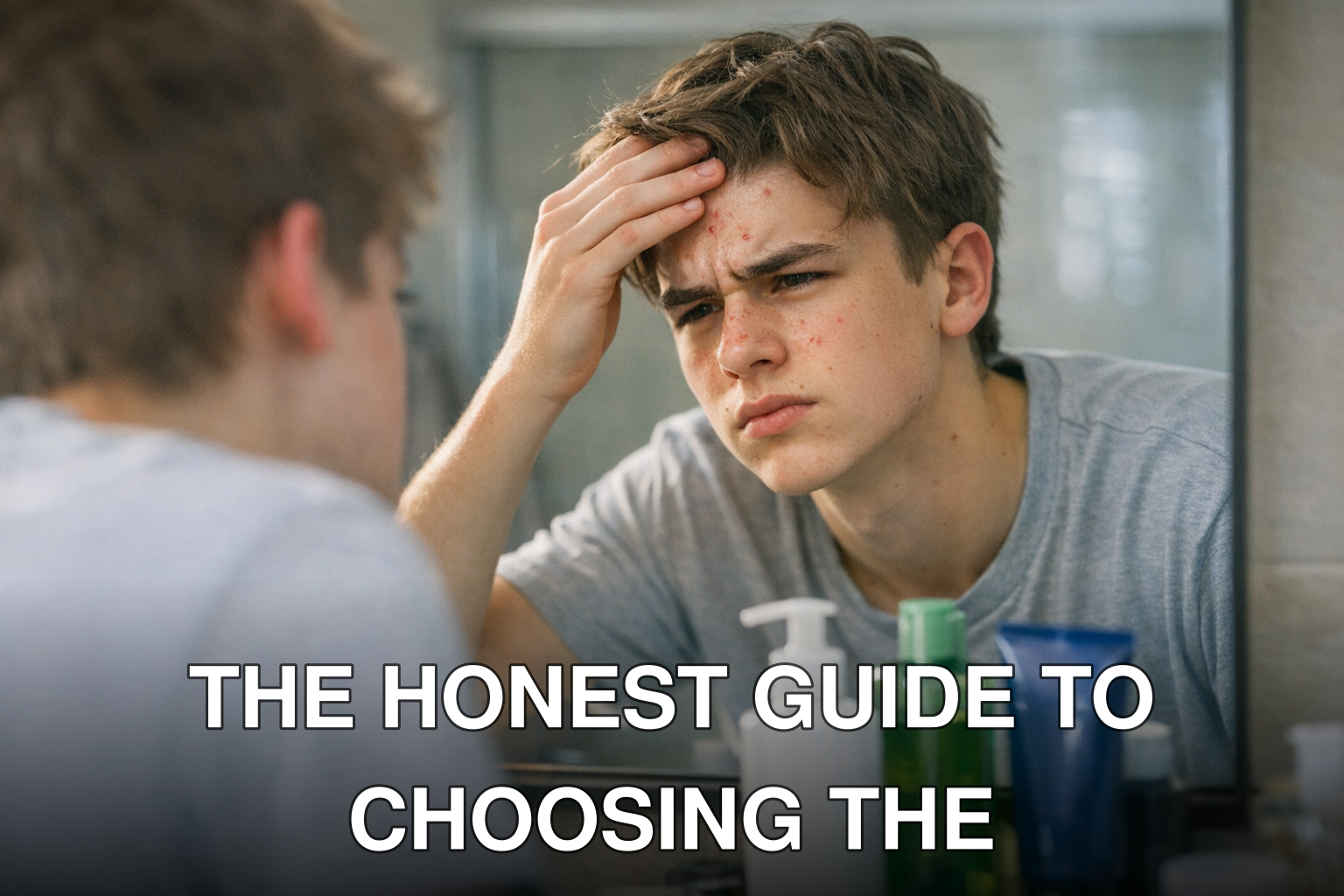
Picture this: it’s 7:30 AM on a Monday, and your teenager is standing in front of the bathroom mirror, groaning. Angry red pimples dot their forehead, blackheads cling stubbornly to their nose, and they’re convinced their skin will never cooperate. Sound familiar?
Here’s the thing about teenage acne: it doesn’t just mess with skin—it messes with confidence. And while there’s no magic cure-all, a good salicylic acid face wash can work wonders when chosen wisely. But not all of them are created equal. Some dry out sensitive skin; others barely make a dent in stubborn breakouts. So how do you pick one that actually works?
In this guide, you’ll discover:
- The biggest mistakes people make when selecting salicylic acid products (and how to avoid them).
- What ingredients actually matter for teenage skin battling both acne and blackheads.
- Specific product examples and practical tips to make shopping easier in 2026.
Ready? Let’s clean up the confusion—literally!
Why Salicylic Acid Works (If You Let It)
First things first: what makes salicylic acid so special? It’s not just marketing hype—it’s science-backed skincare gold for clogged pores and acne-prone skin. Salicylic acid is a beta hydroxy acid (BHA) that does two major things:
1. Unclogs pores: It dives deep into your skin’s oil glands, dissolving dead cells and excess sebum (the stuff clogging pores). This makes it ideal for blackheads and whiteheads specifically.
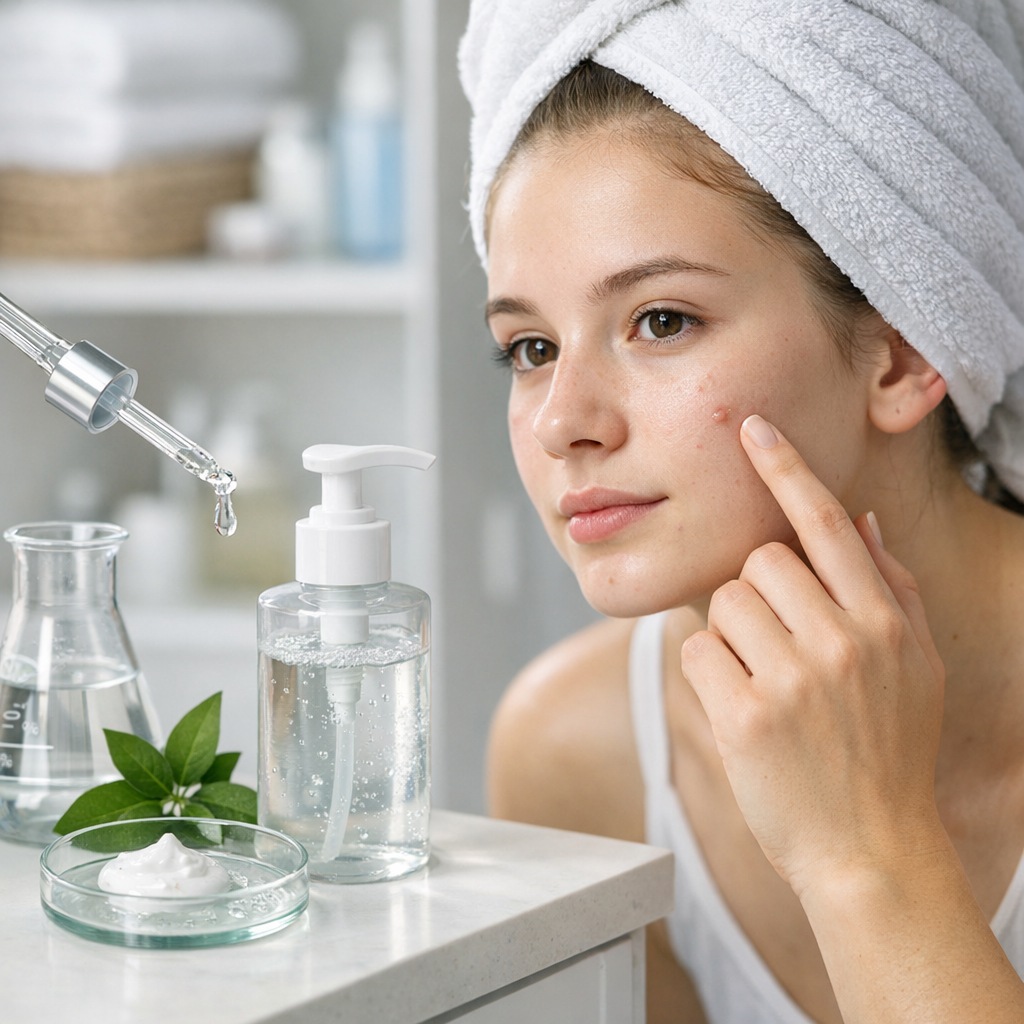
2. Reduces inflammation: Got those big, red pimples that hurt like hell? Salicylic acid helps calm swelling over time so spots aren’t as angry-looking—or painful.
But here’s where most people get it wrong—they either overdo it or underdo it. Too much salicylic acid strips the skin dry (cue even more breakouts from irritation), while too little won’t deliver noticeable results at all.
The Cost of Ignoring the Right Face Wash
You might be thinking, “What if I just stick with soap?” Here’s why that could backfire: regular soaps often have harsh detergents that strip your teen’s face of natural oils completely. This triggers rebound oil production—the exact opposite of what acne-prone skin needs! Worse yet, blackheads become even more stubborn without proper exfoliation from an ingredient like salicylic acid.
Skipping a targeted face wash now could mean months (or years) of trial-and-error frustration later—not to mention potential scarring if acne goes unchecked.
Also worth reading: 10 Best Hydrating Cleansers for Dry Skin
Quick Navigation
- How to Spot a Good Salicylic Acid Cleanser
- 5 Best Types of Cleansers Based on Skin Type
- The Ingredients That Matter Most in 2026
- Myth-Busting: Common Misconceptions About Teenage Skincare
- FAQ Section
How to Spot a Good Salicylic Acid Cleanser
Let me save you some shelf-scanning time at Target or Sephora. A good cleanser isn’t just about having “salicylic acid” slapped on the label—it’s about balance and formulation quality.
Here are the must-haves when picking one:
1. Concentration level: For teenagers new to skincare, stick with cleansers containing 0.5%–2% salicylic acid—enough strength without overwhelming sensitive young skin.
2. Non-irritating base: Look for terms like “gentle,” “non-comedogenic,” or “for sensitive skin” on the bottle.
3. Hydrating ingredients: Glycerin or hyaluronic acid can prevent dryness—a common side effect of too much exfoliation.
4. No alcohol or heavy fragrances: These can trigger redness or allergies in already inflamed teenage complexions.
5. Foaming vs cream-based options: Foaming cleansers are better for oily-acne types; creamy ones suit combination-to-dry teens.
Key takeaway:
The perfect cleanser balances effective exfoliation with hydration—no squeaky-clean tightness allowed!
5 Best Types of Cleansers Based on Skin Type
Skin type matters more than you think when choosing any skincare product—and teenage faces are notoriously tricky because they’re constantly changing thanks to hormones.
Here’s how different formats stack up:
| Cleanser Type | Pros | Cons | Best Use Case |
|————————–|—————————|—————————|—————————|
| 🏆 Gel-Based | ✅ Lightweight | ❌ Can feel drying | Oily + Blackhead-Prone |
| Cream-Based | ✅ Gentle + Hydrating | ❌ May feel heavy | Combo/Dry/Dehydrated |
Related guide: How to Choose the Right Toner for Acne-Prone
| Micellar Water | ✅ No-rinse convenience | ❌ Weak on deep cleaning | Super Sensitive Skin |
| Cleansing Bars | ✅ Eco-friendly | ❌ Harder to sanitize | Minimalist Teens |
| Wipes ⚠️ Easy travel option ⚠️ Often leave residue ⚠️ Emergency-only use case |
Best overall choice for teenagers in 2026? Gel-based cleansers with hydrating ingredients—they’re practical yet powerful against oil buildup without being overly harsh.
If you’re curious about building an affordable routine around these cleansers, check out this beginner skincare guide under $50.
The Ingredients That Matter Most in 2026
Skincare trends evolve fast—but some core ingredients remain kingpin players year after year, especially for acne-focused products:
Must-Have Ingredients
1. Niacinamide – Calms redness AND improves barrier function alongside salicylic acid.
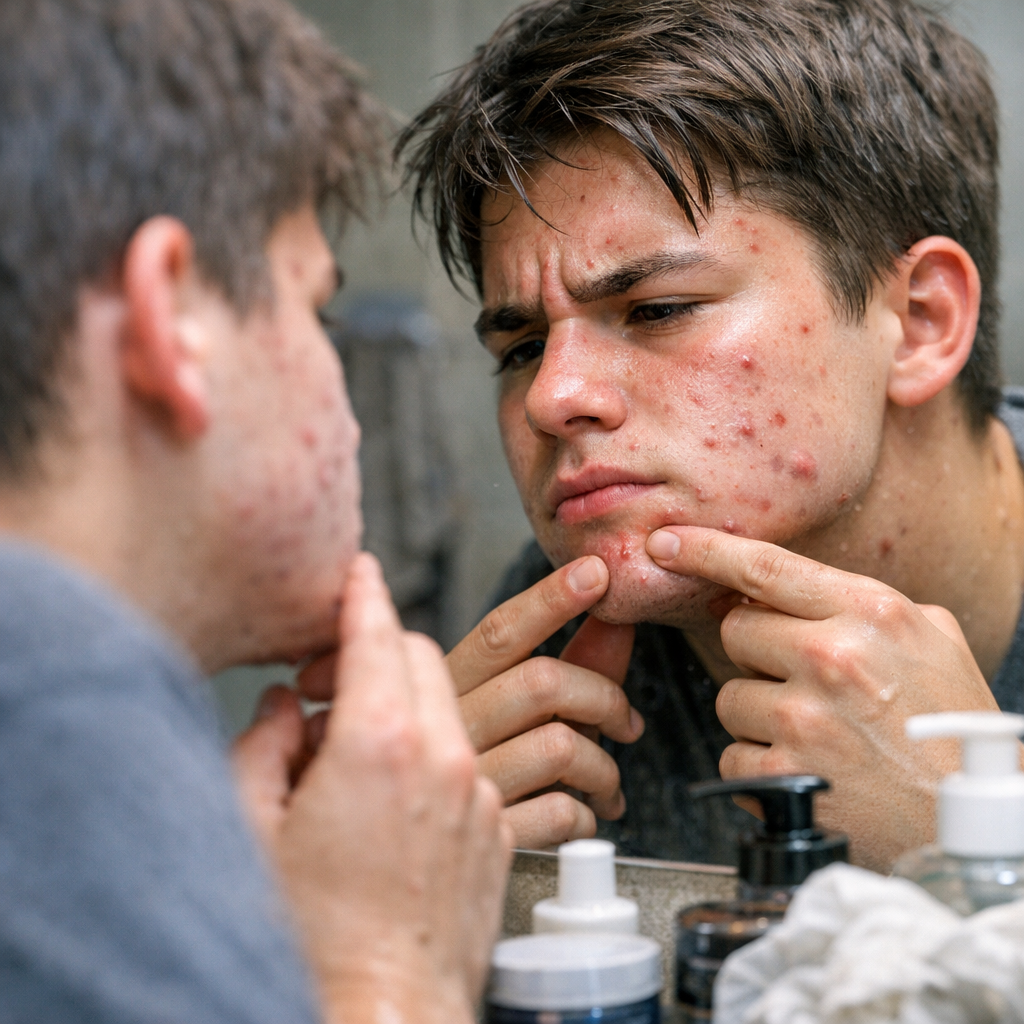
2. Tea Tree Oil (Low %)* – A natural antibacterial boost—but only if diluted well!
3. Aloe Vera Extracts – Soothes post-breakout inflammation perfectly.
4 .**Glycolic Acids(Alt)—Combo usage limit