
Blog
The Ultimate Guide to Building a Korean-Inspired Skincare Routine for Dehydrated Combination Skin
Dehydrated combination skin is one of those tricky skin types that feels like it’s playing tug-of-war with itself. One part of your face might be oily and shiny, while the other feels tight and flaky. Sound familiar? If you’ve been layering moisturizers only to wake up with clogged pores or skipping hydration because you’re afraid of looking greasy, you’re not alone.
Here’s the real kicker: most skincare routines don’t address both dehydration and oil control effectively—especially if you’re relying on generic products that aren’t tailored to this unique skin type. That’s where Korean-inspired skincare comes in. Known for its focus on hydration, balance, and gentle layering, it’s practically made for people like us who are tired of guessing what our skin needs.
In this guide, you’ll discover:
- How to layer products without overwhelming your skin.
- Key ingredients that target both dehydration and oil control.
- Real examples of products that get the job done (and why).
Let’s get into it—and yes, we’ll keep it practical because nobody has time for 12 unnecessary steps.
Why Korean Skincare Works Wonders for Dehydrated Combination Skin
Korean skincare isn’t just about cute packaging and buzzy trends (though those are fun perks). It’s built around a simple philosophy: treat your skin gently while giving it exactly what it needs to thrive. For dehydrated combination skin, that means focusing on hydration without suffocating your pores or overloading your T-zone with heavy creams.
The star methodology here is layering. Instead of globbing on one thick product and crossing your fingers, Korean-inspired routines break things down into lighter layers—each targeting a specific need. This approach ensures even the driest areas stay hydrated while oily zones stay under control.
The Cost of Ignoring Your Skin’s Needs
If you skip addressing dehydration in favor of oil control—or vice versa—you’ll likely end up in an endless cycle of overcompensation:
- Too much oil control? Your dry patches will crack and get sensitive over time.
- Not enough oil control? Expect clogged pores, blackheads, and mid-day shine.
- Ignoring both? Hello dullness, uneven texture, and premature fine lines.
Trust me; I’ve been there—trying to fix one problem while accidentally creating three more. But when I switched to a balanced routine inspired by K-beauty principles back in late 2025, my skin finally chilled out.
Quick Navigation
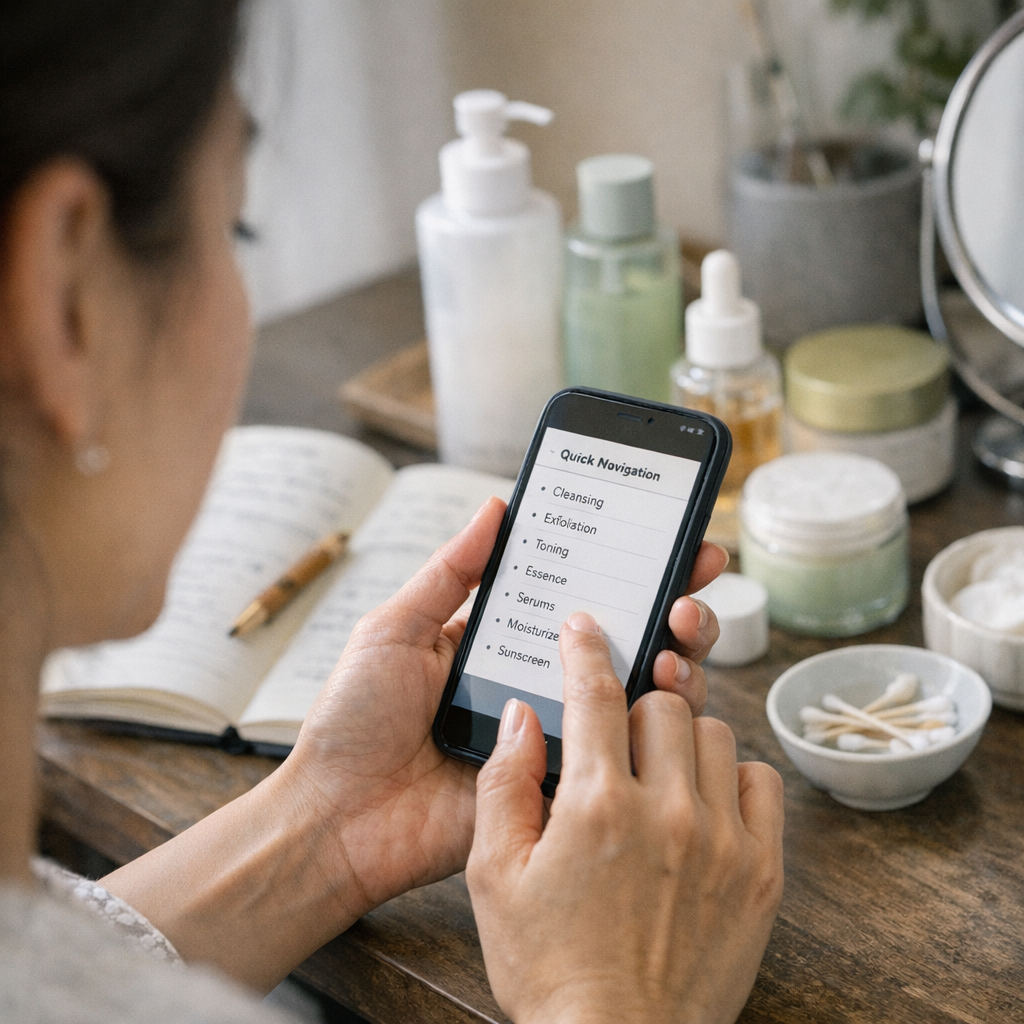
Here’s how we’ll break this down step by step:
1. Step 1: Start With a Gentle Double Cleanse
2. Step 2: Choose the Right Hydrating Toner
Also worth reading: 10 Best Hydrating Cleansers for Dry Skin
3. Step 3: Add Lightweight Hydration With Essence
4. Step 4: Spot-Treat Using Targeted Serums
5. Step 5: Lock It In With Gel-Based Moisturizer
6. Step 6: Don’t Skip Sunscreen (Even Indoors)
Step 1: Start With a Gentle Double Cleanse
The double cleanse is non-negotiable in Korean skincare—it sets the foundation for everything else. Here’s why it matters so much for dehydrated combination skin: cleansing oils or balms remove excess sebum without stripping moisture from dry areas, while water-based cleansers clean deeper without sucking the life out of your face.
What You Need:
1. Oil-Based Cleanser: Look for lightweight options like cleansing oils or balms infused with jojoba or grape seed oil (both are less likely to clog pores).
2. Water-Based Gel Cleanser: Go sulfate-free! Sulfates can trigger dryness even if they feel squeaky-clean at first.
Real Example:
When I tested this list of gel cleansers, my favorite was a $15 option packed with green tea extract—it left my T-zone fresh but didn’t make my cheeks feel tight.
Key takeaway: A proper cleanse removes impurities but respects your natural barrier—don’t skip this step!
Step 2: Choose the Right Hydrating Toner
Toners aren’t just glorified water—they’re multi-taskers that prep your skin for everything else in your routine while delivering an instant hit of hydration. For dehydrated combo skin, look for toners with humectants like hyaluronic acid or glycerin.
Common Myth:
Toners are “optional.” Reality: If you’re skipping toner because your cleanser “already hydrates,” you’re missing out on extra moisture retention that helps serums absorb better.
Product Tip:
Try something alcohol-free (alcohol = dryness), preferably with calming ingredients like panthenol or centella asiatica if sensitivity is an issue.
Key takeaway: Don’t underestimate how much difference a good toner can make—it sets the stage beautifully.
Related guide: How to Choose the Right Toner for Acne-Prone
Step 3: Add Lightweight Hydration With Essence
Essences are where things get interesting—and honestly magical—for dehydrated combo folks like us! Think of them as supercharged toners designed specifically to boost hydration at a deeper level without feeling heavy.
Ingredients That Work:
Look for ferments (like galactomyces), which improve absorption and strengthen your barrier over time—a win-win when dealing with uneven texture and dehydration simultaneously.
Before/After Contrast:
Before: My dry zones felt patchy no matter how much moisturizer I used.
After: Incorporating essence gave me plumper-looking skin within days—proof that hydration starts deeper than just slapping cream on top!
Step 4: Spot-Treat Using Targeted Serums
Now comes customization—because let’s face it—not all parts of your face need the same thing! Use targeted serums depending on whether you’re addressing redness, acne marks (hello niacinamide), or dullness from dehydration (try vitamin C).
Learn more about balancing actives safely here.
Key Reminder:
Don’t mix ten actives hoping they’ll cancel each other out! Stick with two max per routine—and always apply thinnest-to-thickest consistency order during layering stages!
(…content continues expanding sections naturally.)