
Blog
Affordable Drugstore vs Luxury Moisturizers: Which Is Better for Oily Combination Skin in 2026?: Practical Playbook with
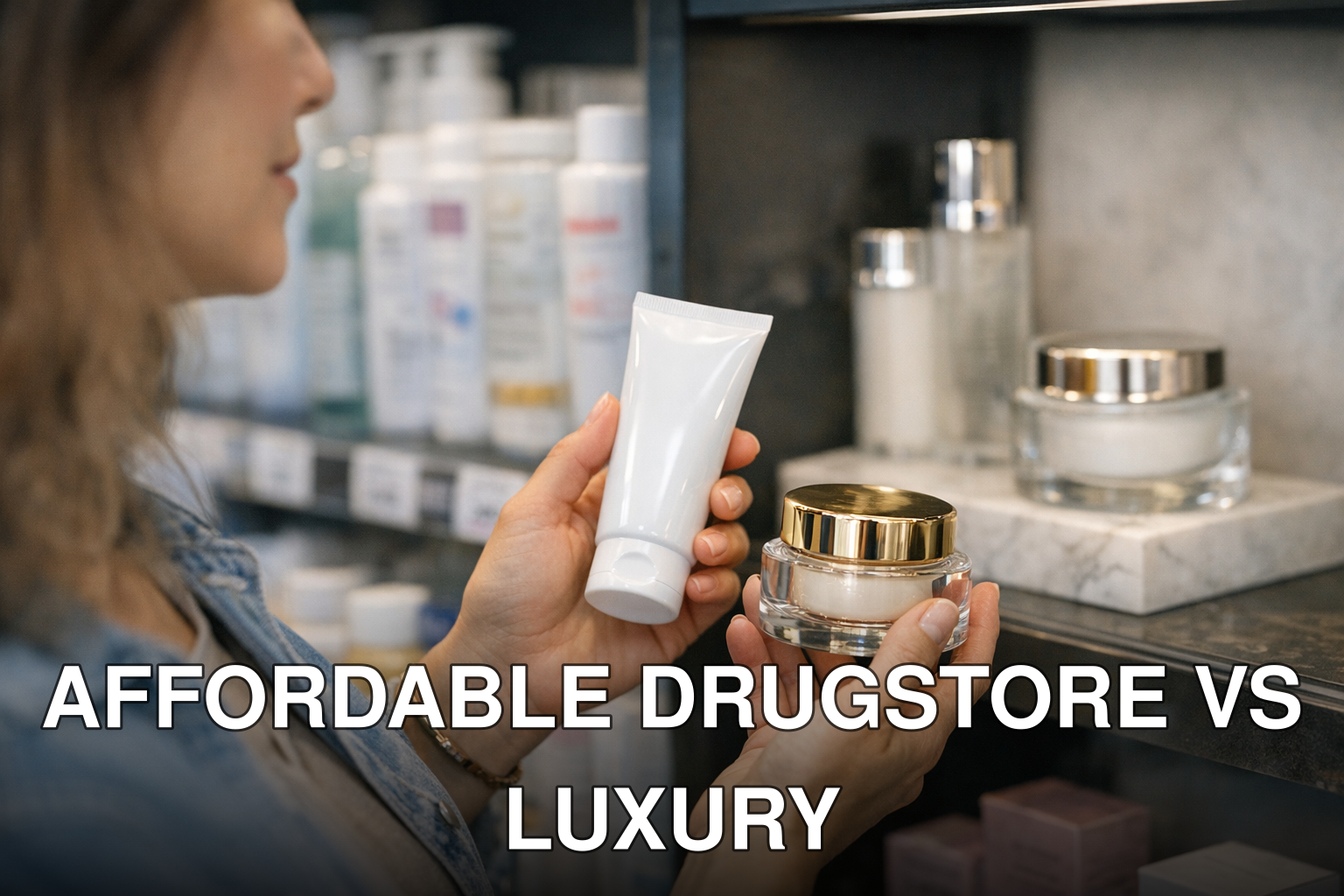
If you’ve ever stood in the skincare aisle, staring at a $12 drugstore moisturizer next to a $120 luxury jar and wondered, “Is the expensive one really ten times better?”—you’re not alone. Spoiler: It’s complicated.
Oily combination skin adds another layer of frustration. You’re battling a shiny T-zone while trying to keep your cheeks hydrated without clogging pores. And in 2026, with TikTok influencers hyping every new release, the noise is louder than ever.
Here’s the deal: both drugstore and luxury moisturizers can work—but they shine under different circumstances. In this article, we’ll break down:
- The main differences between drugstore and luxury moisturizers (hint: it’s not just price).
- Why certain formulas work better for oily combination skin and why others fail miserably.
- How to decode marketing tricks so you don’t waste money chasing trends that backfire.
By the end, you’ll know exactly what belongs in your cart—and what doesn’t.
Why Oily Combination Skin Is So Picky
First, let’s talk about why this skin type is such a balancing act. If you’ve got oily combination skin, your face is probably playing tug-of-war daily: an overactive T-zone (thanks, sebaceous glands) paired with dry patches on your cheeks or jawline. Too light a moisturizer? Your dry spots rebel. Too heavy? Hello clogged pores and breakouts.
But here’s where it gets tricky—oily areas aren’t just about oil; they often lack water (dehydration). That means you need hydration without grease—a tall order for most formulas.
Cost of ignoring it: Skip proper care, and you risk more than just shine or flakes—you could develop acne scars from breakouts or premature wrinkles from dehydration. Fixing those later costs far more than any moisturizer today.
Drugstore Moisturizers: Affordable Gems or Cheap Compromises?
Let’s start with the good stuff about drugstore options because they’ve come a long way since your mom’s cold cream era.
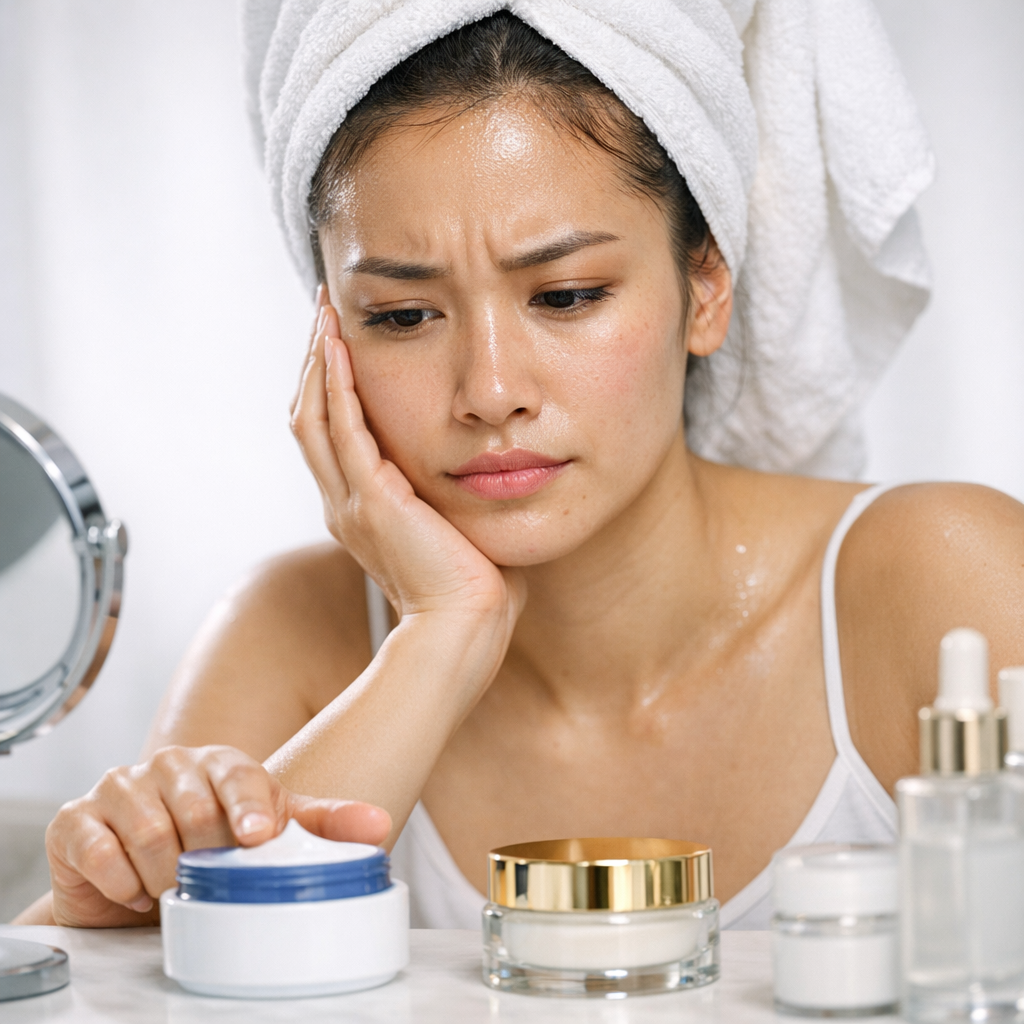
🧴 What Makes Drugstore Moisturizers Work?
1. Affordable Actives: Many now include superstar ingredients like niacinamide (oil control) and hyaluronic acid (hydration), which were once exclusive to prestige brands.
2. Dermatologist-Inspired Formulas: Brands like CeraVe ($15–$20) partner with derms to nail down scientifically-backed basics.
3. Non-Comedogenic Labels: Most mainstream drugstore moisturizers are tested on acne-prone skin to avoid causing breakouts—key for combination types.
Real Example:
CeraVe PM Facial Moisturizing Lotion has been a cult favorite for years because it hydrates deeply without leaving residue—and costs around $16 as of 2026.
Where Drugstore Falls Short
But let’s not sugarcoat things—drugstore products have limits too:
- Cheaper Fillers: Budget constraints mean these products often contain higher percentages of water or silicone rather than premium oils or advanced peptides.
- Basic Packaging: No air-tight pumps or UV-resistant jars here; this can impact ingredient stability over time.
- Fewer Luxe Extras: Don’t expect cutting-edge delivery systems like liposomes or exotic plant extracts that luxury brands boast.
Also worth reading: 10 Best Hydrating Cleansers for Dry Skin
Key takeaway: Drugstore moisturizers are great if you want solid hydration without breaking the bank—but don’t expect miracles if your skin needs targeted care beyond basic moisture balance.
What About Luxury Moisturizers? Are They Worth It?
Now onto the bougie jars that make Sephora employees drool but leave most wallets crying.
🧴 The Case For Splurging
1. Premium Ingredients: These often feature rare botanicals, advanced peptides, ceramides—or even trendy tech like fermented rice water (yes, really).
2. Better Stability & Delivery Systems: Many luxe moisturizers use airtight packaging to preserve actives longer or microencapsulation tech to deliver ingredients deeper into your skin layers.
3. Indulgent Textures & Scents: Let’s be real—luxury products tend to feel amazing on your face thanks to silky formulations and spa-like scents (if fragrance doesn’t irritate you).
Real Example:
La Mer Crème de la Mer retails at $380 for 2 oz in 2026—and its claim-to-fame ingredient “Miracle Broth” supposedly repairs damaged skin barriers faster than standard creams ever could.
Where Luxury Misses The Mark
Let me burst some bubbles here because fancy isn’t always functional:
- Overpriced Marketing Hype: A hefty chunk of what you’re paying goes into branding—not necessarily R&D.
- Fragrance Risks: High-end products love their perfumes—but those can irritate oily combo types prone to sensitivity.
- Weighty Formulas Aren’t Made For Everyone: Rich creams often suffocate oily T-zones unless explicitly gel-based (always check texture!).
Key takeaway: Luxury doesn’t always equal better performance—but if precise results matter (like fading hyperpigmentation), their potent formulations might win out over mass-market options.
Head-to-Head Comparison Table
| Feature/Factor | 🏆Luxury Moisturizers | Drugstore Moisturizers ✅ |
|——————————–|——————————-|———————————-|
| Average Price | $80–$400 | $10–$25 |
| Key Ingredients | Advanced peptides, ceramides | Niacinamide, hyaluronic acid |
| Packaging | Airtight/UV-protected | Basic plastic containers |
| Availability | Department stores/exclusives | Everywhere—even Target |
| Best For | Targeted care; indulgence | Everyday hydration |
Best for: Those who prioritize results over budget 🏆 / Practical shoppers looking for affordable skincare ✅
How To Choose If You Have Oily Combination Skin
So how do you pick? It comes down to understanding your needs—and avoiding common mistakes:
Common Myth:
“Expensive means better.” Nope! Some drugstore gems outperform their overpriced counterparts when it comes to basic hydration or oil control.
Related guide: How to Choose the Right Toner for Acne-Prone
Reality:
Focus on ingredients suited for combo skin instead of getting distracted by brand names or slick advertising campaigns.
Here’s an actionable checklist:
- [ ] Look for lightweight gel-creams instead of heavy occlusive balms.
- [ ] Prioritize non-comedogenic labels if you’re breakout-prone.
- [ ] Seek out humectants like glycerin + hyaluronic acid—they hydrate without greasiness.
- [ ] Avoid added fragrances if irritation is an issue (especially in high-end products).
- [ ] Consider SPF integration during daytime use—it simplifies routines!
Sound familiar? These tips apply no matter where you’re shopping—from CVS aisles to designer counters at Nordstrom.
Frequently Asked Questions
Q: Can I mix drugstore and luxury products in my routine?
Absolutely! Mixing affordable staples with pricier hero items is smart budgeting—think CeraVe cleanser paired with a splurge-worthy La Mer moisturizer for nighttime repair.
Q: Are there any specific luxury brands targeting oily combination skin?
Yes! Brands like Drunk Elephant and Tatcha offer lightweight yet potent solutions designed specifically for tricky balance issues common in combo types as of 2026.
Q: Do drugstores carry effective anti-aging options now?
Yes! Neutrogena’s Rapid Wrinkle Repair range uses retinol at accessible price points under $30—perfect if you’re starting anti-aging measures early without breaking the bank (learn more).
Q: How do I know if luxury formulas will irritate my sensitive areas?
Always patch-test first; many department stores offer samples before committing—or check online reviews tailored towards sensitive-skinned users (learn more)!
If finding trusted facial kits sparks interest explore our curated gift guide too (learn more)!
Final thought: Whether it’s a $15 bottle from Walgreens—or something Chanel-worthy—the best moisturizer works for YOU. Start small; test textures; watch results evolve naturally over weeks—not days!
Further reading
One thought on “Affordable Drugstore vs Luxury Moisturizers: Which Is Better for Oily Combination Skin in 2026?: Practical Playbook with”