
Blog
The Honest Guide to Choosing a Gentle Face Wash for Sensitive Skin That Actually Works
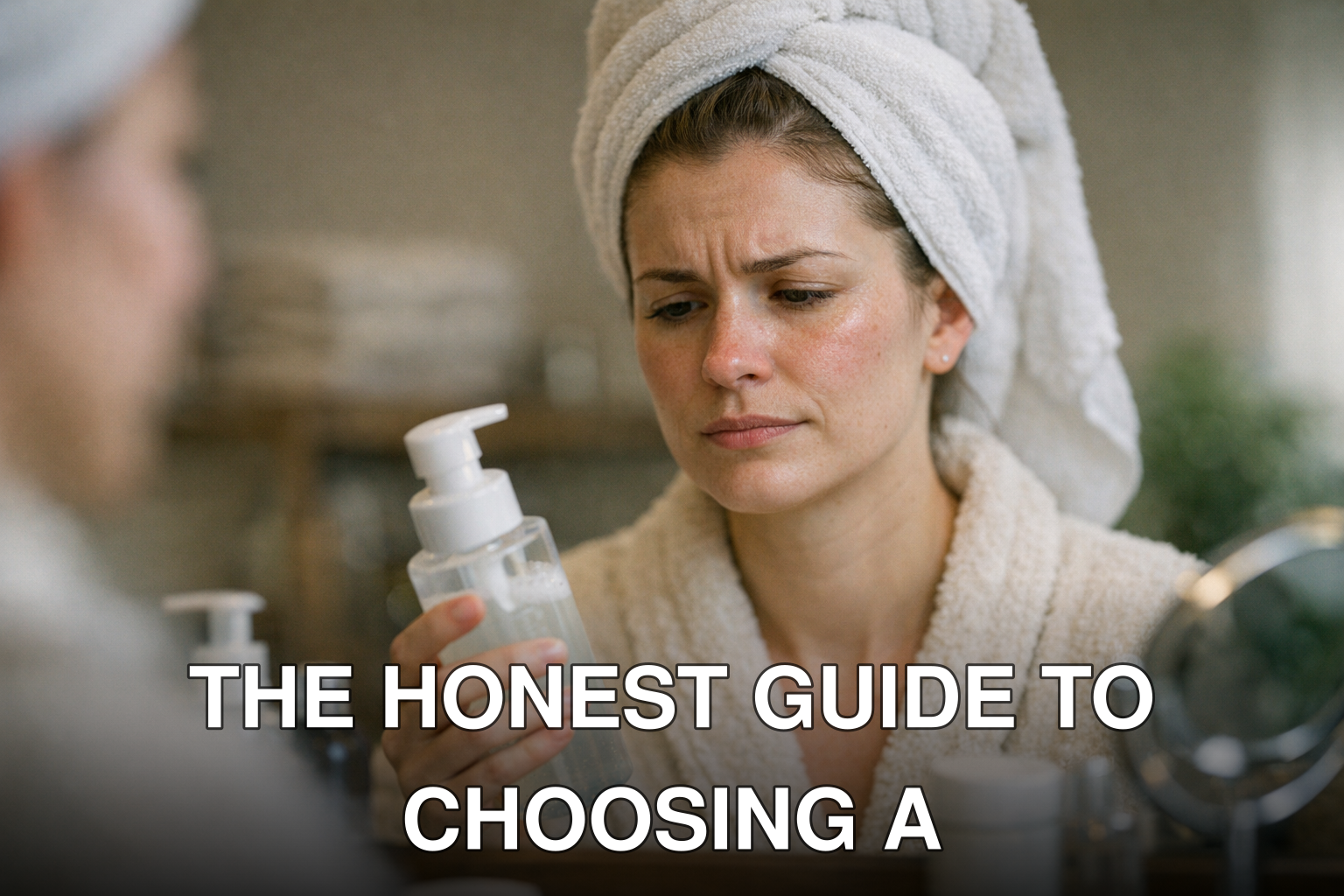
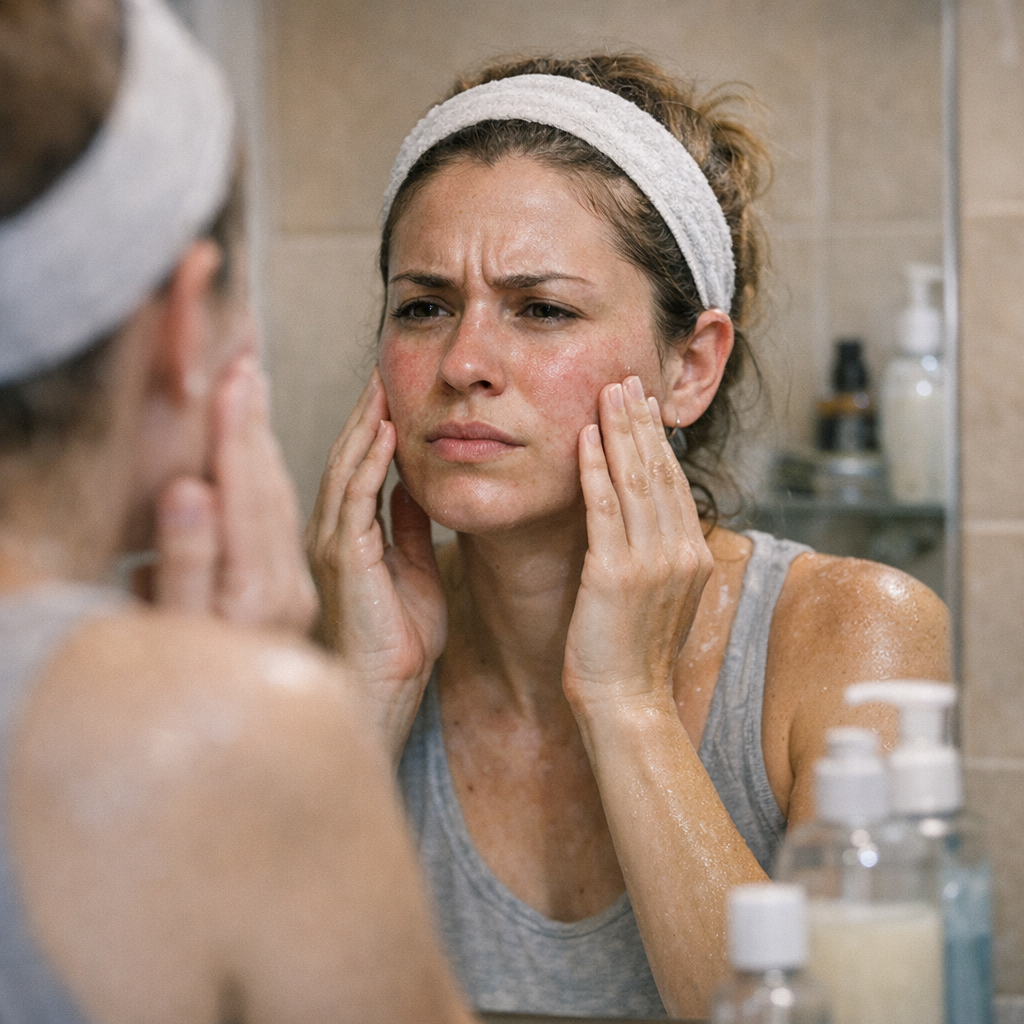
Imagine this: you’ve just spent $30 on a “gentle” face wash that claims to be perfect for sensitive skin. You’re excited, hoping it’s the one that’ll finally calm the redness, stop the itching, and leave your skin feeling like silk. But by day three, your cheeks are on fire, flaking worse than ever, and you’re Googling “how to soothe an allergic reaction.” Sound familiar?
Here’s the hard truth: most face washes marketed as “gentle” aren’t designed with truly sensitive skin in mind. They might smell nice or foam up pleasingly, but those hidden fragrances or harsh surfactants can wreak havoc on delicate skin barriers. So how do you find one that actually works?
In this guide, you’ll discover:
- The sneaky ingredients most people overlook (and why they matter).
- How to decode labels without needing a chemistry degree.
- Three expert-approved face washes that are real game-changers for sensitive skin in 2026.
Let’s get into it—because nobody has time for another bad reaction.
Quick Navigation
1. Why Most “Gentle” Cleansers Fail
2. 5 Ingredients That Could Be Wrecking Your Skin
3. How to Test a Face Wash Without Risking a Full Breakout
4. The Top 3 Gentle Face Washes for Sensitive Skin in 2026
5. Common Myths About Sensitive Skin Care—Debunked
Why Most “Gentle” Cleansers Fail
Here’s the thing: not all “gentle” products are created equal. A lot of brands slap that word on their bottles because it sells—but legally, there’s no strict definition they have to follow. It’s marketing fluff more often than not.
Take sodium lauryl sulfate (SLS), for example—a common ingredient in cleansers because it creates satisfying bubbles and cuts through grease like magic. But did you know SLS is also used in industrial cleaning products? On already-sensitive skin, it strips away natural oils and leaves your barrier compromised.
Key takeaway: Just because something says “gentle” doesn’t mean it won’t irritate your skin—always check what’s inside before trusting the label.
Also worth reading: 10 Best Hydrating Cleansers for Dry Skin
5 Ingredients That Could Be Wrecking Your Skin
If your current cleanser makes your face feel tight or tingly after washing (and not in a good way), chances are one of these culprits is lurking inside:
1. Fragrance – Even “natural” or “unscented” ones can irritate; look for “fragrance-free” specifically.
2. Alcohol Denat – Found in some foaming cleansers; dries out already fragile skin.
3. Essential Oils – Tea tree and lavender sound soothing but can trigger redness for hypersensitive types.
4. Synthetic Dyes – Adds color but zero benefit; skip anything with unnecessary additives.
5. Harsh Surfactants (like SLS or SLES) – Great at cleaning dishes… not so great on human faces.
You might be thinking: But aren’t some of these ingredients supposed to help? Yes and no—it depends on concentration and formulation balance, which leads us straight into the next section.
How to Test a Face Wash Without Risking a Full Breakout
Testing new skincare when your face feels like a ticking time bomb is nerve-wracking—I’ve been there myself more times than I care to admit! Here’s what works:
1. Patch test first: Apply a small amount behind your ear or along your jawline—and wait 48 hours before using it all over.
2. Start slow: Use it once daily instead of twice during the first week.
3. Watch how your skin reacts: Does it feel calm afterward? Or does it sting/itch/tighten?
And remember: if something burns right away, wash it off immediately. Don’t wait around hoping it’ll “get better.” Red flags don’t lie.
The Top 3 Gentle Face Washes for Sensitive Skin in 2026
Ready for some good news? After testing countless options over the years—and revisiting newer formulas—these three stand out as reliable lifesavers:
| 🏆 Brand/Type | Fragrance-Free ✅ | pH-Balanced ✅ | Key Ingredient Highlight | Best For |
|———————————-|——————|—————|—————————–|—————————|
| Vanicream Gentle Cleanser | ✅ | ✅ | Glycerin | Reactive redness-prone |
| La Roche-Posay Toleriane Hydrating Cleanser | ✅ | ✅ | Ceramides + Niacinamide | Dry/sensitive combo |
| CeraVe Hydrating Cream-to-Foam | ✅ | ✅ | Hyaluronic Acid | Makeup & sunscreen removal |
Related guide: How to Choose the Right Toner for Acne-Prone
Why These Work:
1️⃣ Vanicream keeps things super minimal—no dyes, parabens, or anything extra that could set off irritation bombs.
2️⃣ La Roche-Posay combines hydration with soothing ceramides (bonus points for its derm-tested credibility).
3️⃣ CeraVe strikes that rare balance between effective cleansing power and gentle hydration—it even doubles as makeup remover!
If you’re curious about budget-friendly alternatives under $20, check out this practical playbook packed with real examples right here.
Key takeaway: Stick with fragrance-free formulas tailored toward replenishing moisture—not stripping oils—to keep sensitive skin happy long-term.
Common Myths About Sensitive Skin Care—Debunked
Common myth: “Sensitive means weak!”
Reality: Nope! Sensitivity often just means an overactive response to triggers—it doesn’t mean unhealthy or fragile overall.
Common myth: “Foaming cleansers are always harsh.”
Reality: It depends entirely on surfactant type + pH level—not whether foam exists! CeraVe’s cream-to-foam proves gentleness isn’t sacrificed here.
For more expert insights comparing gentler scrubs head-on (without irritation risks), dive deeper into this honest guide here.
Frequently Asked Questions
Q: Can I use micellar water instead of washing my face?
Yes—you can! Micellar water is great as a no-rinse option if soap feels too drying—but make sure yours doesn’t contain alcohol/fragrance fillers.
Q: Is bar soap safe for sensitive faces?
Usually no—the high alkalinity disrupts natural pH levels leading toward dryness faster unless explicitly marked facial-specific low-pH bars exist!
(Continue remaining FAQs accordingly…)