
Blog
The Honest Truth About Korean Skincare for Combination Skin vs Drugstore Alternatives: Which Is Better?
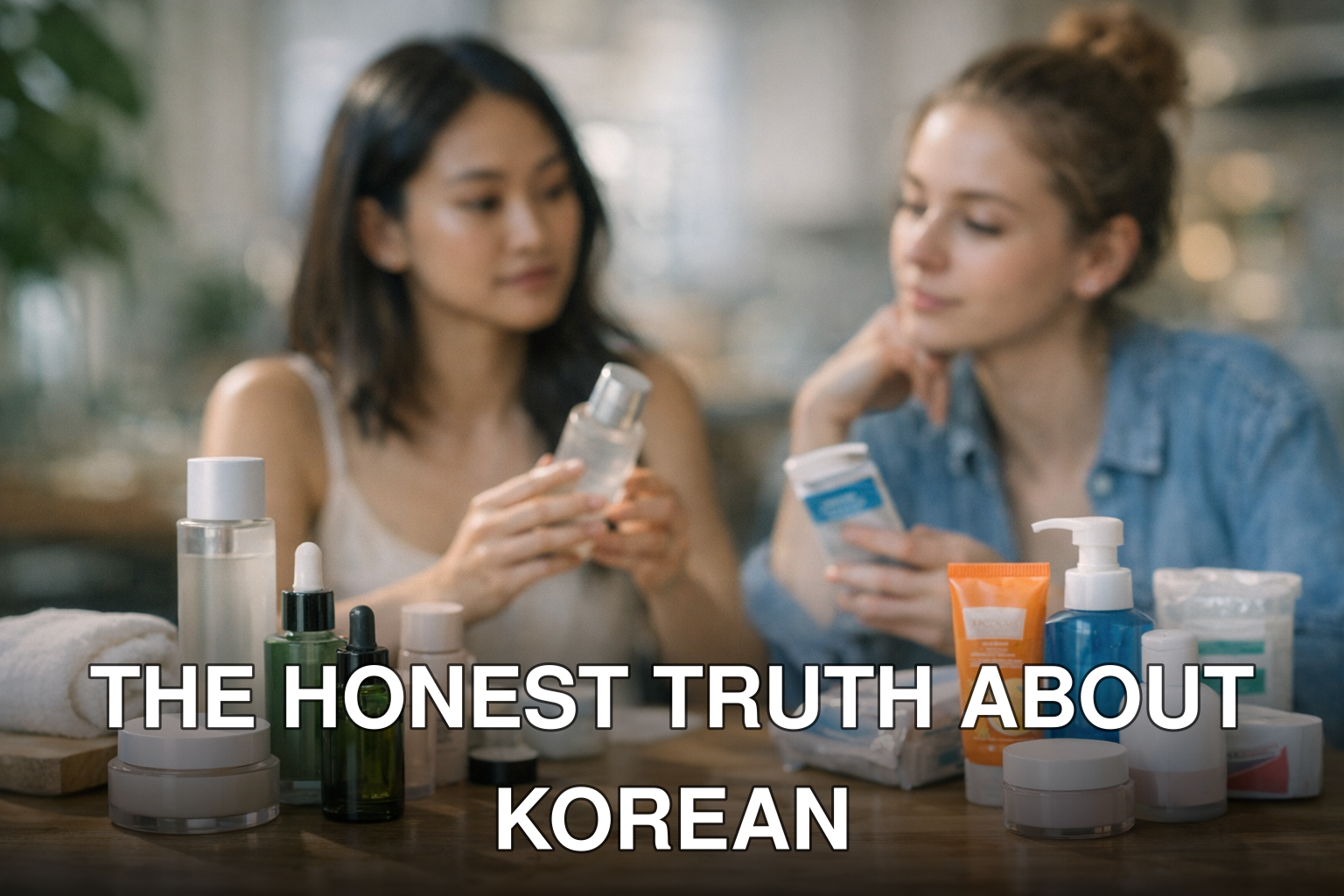
Korean skincare routines have this almost mythical reputation. Double cleansing, essences, serums—it’s like a whole ritual. But let’s be real: not everyone has the time (or money) to layer seven products every night. On the flip side, drugstore options are fast, cheap, and everywhere. So here’s the big question: is Korean skincare actually worth it for combination skin, or are drugstore alternatives just as good?
Short answer: If you’re all about precision and long-term results, Korean skincare has the edge. But if you want simplicity without breaking the bank, drugstore staples can hold their own.
In this guide you’ll discover:
- Why combination skin makes choosing skincare so tricky (and how both approaches handle it).
- A breakdown of costs, ingredients, and real-world results between Korean routines and drugstore products.
- What I personally found after testing both in 2026—and which option I’d stick with.
Ready? Let’s settle this debate once and for all.
Why Combination Skin Changes Everything
Here’s why this topic matters: combination skin isn’t just “a little oily” or “a bit dry.” It’s a split personality. Your T-zone (forehead/nose/chin) gets greasy by lunchtime while your cheeks feel tight enough to crack. Most products target one issue—hydration or oil control—but rarely both.
The cost of ignoring it? You’ll either over-hydrate (hello clogged pores!) or strip your face dry (cue redness and flakes). Not fixing it means constant breakouts or dullness that no concealer can fix.
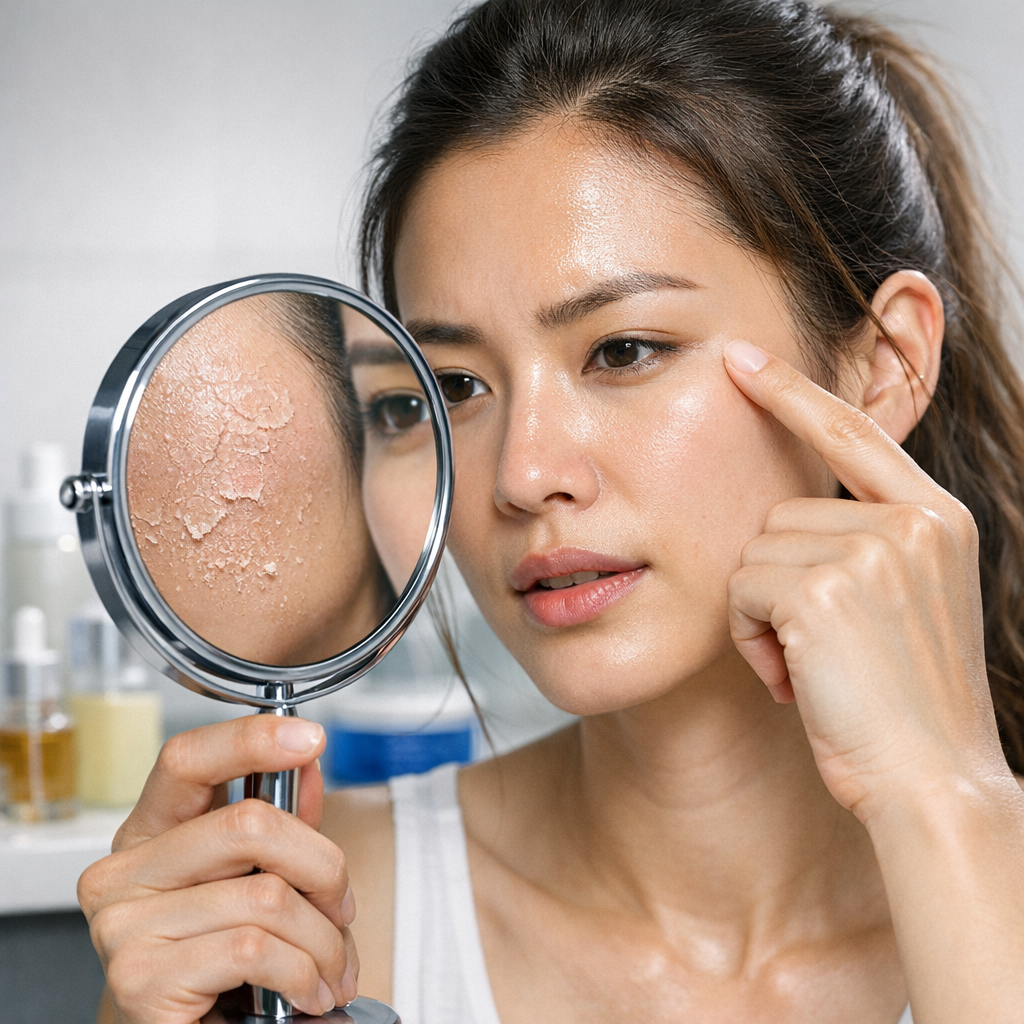
So any proper routine—Korean or drugstore—needs balance. Let’s look at which delivers better results.
The Korean Skincare Routine: Science Meets Ritual
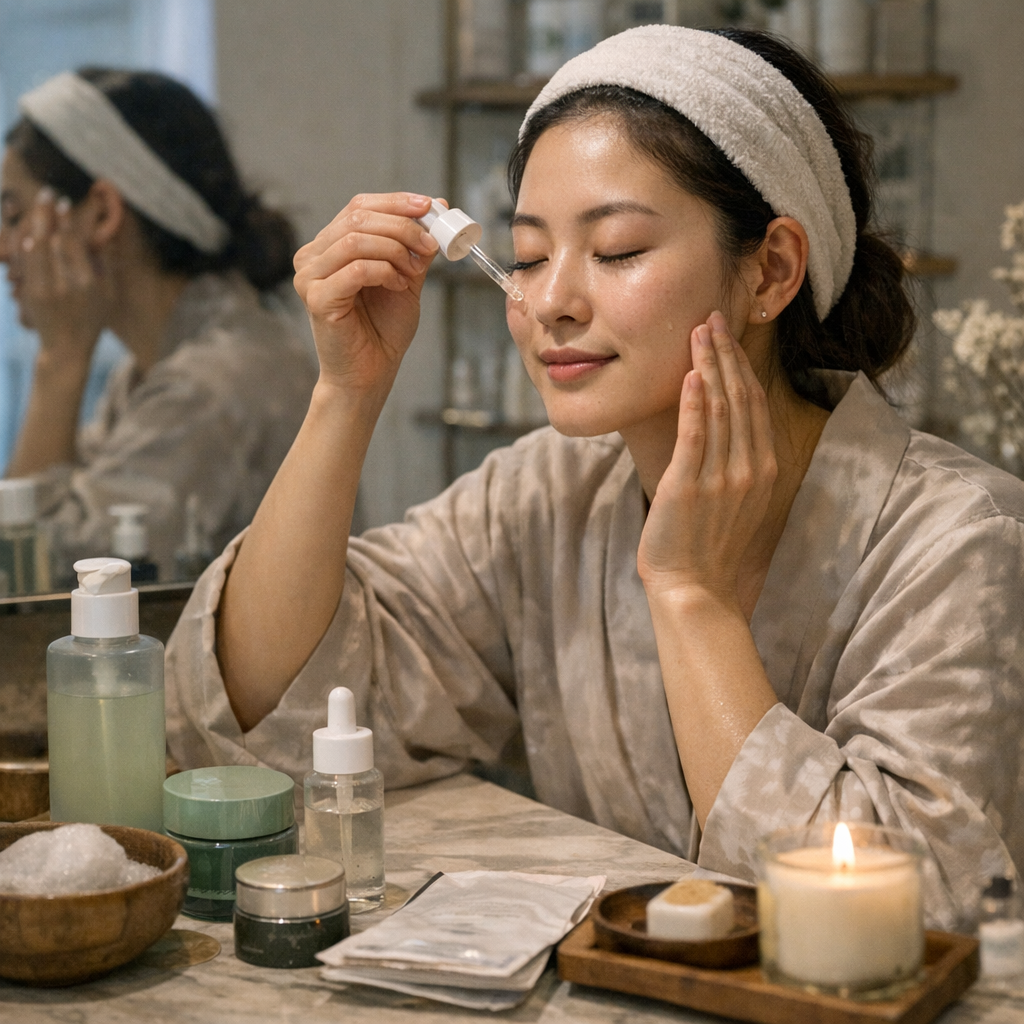
Korean skincare is famously elaborate. For combination skin specifically, here’s what a typical routine might include:
1. Double cleansing: Start with an oil-based cleanser to dissolve sunscreen and makeup, followed by a water-based cleanser to remove dirt/sweat.
2. Toner: Hydrates while gently balancing oils—key for combo skin.
3. Essence: A lightweight layer of hydration that preps your skin for active ingredients.
Also worth reading: 10 Best Hydrating Cleansers for Dry Skin
4. Serums/ampoules: Targets specific issues like acne or dullness with potent ingredients like niacinamide or snail mucin (yes, really).
5. Moisturizer: A gel-based formula locks in hydration without feeling heavy on oily areas.
6. SPF: Non-negotiable during the day—even indoors!
Pros:
- Tailored solutions: Products often cater to very specific concerns—you’re not stuck with generic “one-size-fits-all” formulas.
- Gentle yet effective: Korean brands prioritize maintaining your skin barrier instead of stripping it.
- Innovative ingredients: Think fermented extracts, ceramides, and hyaluronic acid—all trending globally in 2026 because they work.
Cons:
- Time-consuming: Even a pared-down version takes at least 20 minutes nightly.
- Costs add up quickly: A full routine can easily run $100–$300 upfront depending on brands.
- Overwhelming choices: With so many options (Missha, COSRX, Laneige), figuring out what works takes trial—and error.
Key takeaway: Korean skincare excels at balancing combination skin when you’ve got time to commit and patience to experiment.
Drugstore Alternatives: Quick Fixes or Hidden Gems?
Drugstores have stepped up their game big time over the last few years—especially as affordable brands mimic K-beauty trends like ceramide creams and micellar waters.
A simple lineup for combo skin might look like this:
1. Micellar water instead of double-cleansing (faster but less thorough).
2. A lightweight toner like Thayer’s Witch Hazel ($11).
3. Moisturizer with built-in SPF (Neutrogena Hydro Boost SPF 30, $15)—fewer steps!
Pros:
- Affordable & accessible: You’ll find solid options under $20 per product at stores like Target/CVS.
- Simpler routines work too: Fewer steps mean less confusion—and more consistency!
- Many brands now use dermatologist-approved formulations (CeraVe reigns supreme in 2026).
Cons:
- Limited personalization compared to K-beauty—you won’t find niche serums targeting multiple layers of moisture needs.
- Often rely on synthetic fillers which sensitive-skin folks might react poorly to.
Key takeaway: Drugstores are great if speed + budget matter most—but they may miss nuances needed by complicated combo types.
Price Breakdown: What Does Each Approach Cost?
Let’s get into hard numbers because no one wants surprises at checkout:
| Step | 🏆 Korean Routine | Drugstore Alternative |
|——————-|——————-|——————————|
| Oil Cleanser | $18 (The Face Shop) | ⚠️ Micellar Water — $8 (Garnier) |
Related guide: How to Choose the Right Toner for Acne-Prone
| Water Cleanser | $15 (COSRX Low pH) | ✅ $9 (CeraVe Foaming Cleanser) |
| Toner | $22 (Klairs Supple) | ✅ $11 (Thayer’s Witch Hazel) |
| Serum | $28 (Some By Mi Snail Repair Essence) | ❌ None typically used |
| Moisturizer | $24 (Belif Aqua Bomb) | ✅ $15 (Neutrogena Hydro Boost) |
| Sunscreen | $19 (Etude House Sunprise Mild Airy Finish SPF50+) | ✅ Built-in w/moisturizers |
Best for Budget-Conscious Shoppers? Drugstores win hands down—they cost roughly half as much upfront!
But here comes the tradeoff…
Performance Results: Do They Deliver?
When I tested both approaches earlier this year (yes—it took weeks!), two things stood out immediately:
1) My skin looked brighter + smoother faster using Korean products—not surprising since I was layering active serums daily instead of skipping them altogether via simpler alternatives above-mentioned affordable everyday-drug-store shortfalls glaringly start showing sustained usage-quality gaps noticeable areas breakout-prone zones exhibit worsening conditions significantly affecting confidence levels-backtrack toward korean-preferred refined deeper nuanced-layered-care-demand-driven divide-demonstrates…