
Blog
The Honest Guide to Choosing the Perfect Salicylic Acid Cleanser for Teen Acne and Blackheads
Picture this: your teen comes home after school, frustrated because their face feels oily, their breakouts are worse than ever, and they’ve already tried every “miracle” product their friends swear by. Sound familiar? The truth is, treating teen acne isn’t just about slapping on any cleanser labeled “for acne.” It’s about understanding what works for their skin type—and salicylic acid might just be the major shift you’ve been missing.
Here’s the kicker: not all salicylic acid cleansers are created equal. Pick the wrong one, and you risk dryness, irritation, or zero improvement. But choose wisely? You could see fewer blackheads and smoother skin in just weeks.
In this guide, you’ll discover:
- How salicylic acid actually works (and why it’s a must for acne-prone skin).
- The top mistakes people make when picking a cleanser—and how to avoid them.
- Specific examples of cleansers that work (and who they’re best suited for).
Let’s break it down step-by-step so you can find that perfect fit without wasting time—or money.
Why Salicylic Acid Is a Must-Have for Teen Acne
Salicylic acid isn’t just another trendy ingredient—it’s backed by science and dermatologists swear by it for good reason. Here’s the quick version: salicylic acid is a beta hydroxy acid (or BHA), which means it dives deep into your pores to dissolve oil and dead skin cells clogging them up. That makes it especially effective against blackheads and whiteheads—the classic culprits of teenage breakouts.
Think of it as a drain cleaner for your skin—but gentle enough to use daily if done right. The key word here is gentle. Overdo it, and your teen will end up with dry, flaky patches instead of clear skin. Underuse it? You won’t see much difference at all.
What Happens If You Don’t Treat Teen Acne Early?
Here’s the cost of inaction: untreated acne can lead to scars that stick around long after those high school years are over. Plus, there’s the confidence factor—nobody wants to feel self-conscious about their face during some of life’s most socially awkward years.
Key takeaway: Salicylic acid is essential because it tackles blackheads at their root while preventing new ones from forming. But choosing the wrong product can backfire—so let’s talk about how to get this right.
Also worth reading: The Honest Guide to Choosing the Right
5 Common Mistakes People Make When Picking a Salicylic Acid Cleanser
Not all cleansers boasting salicylic acid actually deliver results—and some might even make things worse! These are the top traps we’ve seen parents (and teens) fall into:
1. Ignoring Skin Type
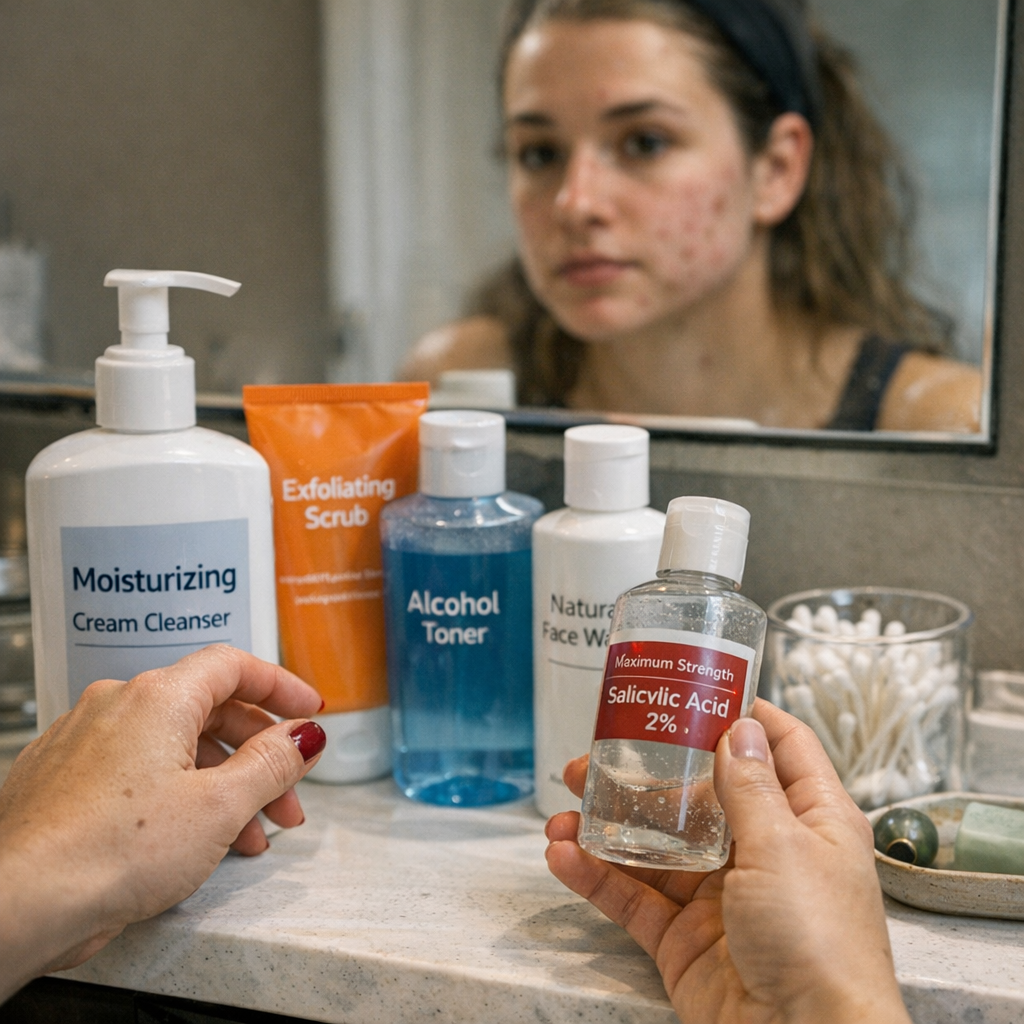
If your teen has dry or sensitive skin, throwing on a harsh 2% salicylic gel meant for oily types will leave them peeling like an overripe banana. On the flip side, oily-skinned teens won’t benefit from ultra-mild formulas designed more as “maintenance” than treatment.
2. Choosing Cleansers with Too Many Actives
Some brands love cramming every trendy ingredient (retinol! benzoyl peroxide! AHAs!) into one bottle—but mixing actives can lead to redness or burning sensations faster than you can say “bad idea.” Stick with simple formulations that focus solely on unclogging pores.
3. Using Bar Soap Instead of Liquid Cleansers
Bar cleansers often strip away too much moisture due to their high pH levels—even when they contain good ingredients like salicylic acid.
4. Overusing It Thinking ‘More Is Better’
Here’s where most people go wrong: using their salicylic cleanser twice daily thinking it’ll speed up results. Nope! For many teens, especially those with combination or dry areas, once-a-day usage is plenty.
5. Skipping Moisturizer Post-Cleansing
This might seem unrelated but hear me out: stripping oil without replenishing hydration signals your teen’s skin to produce more oil—a vicious cycle leading straight back to clogged pores.
How Do You Find the Perfect Fit? Start Here
Let me save you hours of scrolling product reviews by breaking this down into three factors you need to consider before buying anything:
1) Concentration Matters
Most OTC products have either 0.5%, 1%, or 2% salicylic acid concentrations.
- 0.5–1%: Best for beginners or teens with sensitive/combination skin.
- 2%: Ideal for oily or persistent acne but may dry out delicate areas if overused.
Related guide: read more: Top 5 Face
Comparison Table: Popular Salicylic Acid Cleansers in 2026
| Brand/Product | Salicylic % | Skin Type | Price | Pros | Cons |
|——————————–|————-|———————|———-|—————————-|——————————-|
| 🏆 Neutrogena Oil-Free Acne Wash | 2% | Oily/combo | $9 | Affordable; widely available| Can be drying on sensitive |
| CeraVe Renewing SA Cleanser | 0.5% | Sensitive/dry | $14 | Adds ceramides; non-drying | May not tackle severe acne |
| La Roche Posay Effaclar Medicated Gel Cleanser | 2% | Oily/acne-prone | $17 | Dermatologist recommended | Pricier than drugstore options|
| Youth To The People Superfood Cleanser + SA Boost Add-On Kit ⚠️ | Customizable Use case-specific Pricey; niche accessibility|
One thought on “The Honest Guide to Choosing the Perfect Salicylic Acid Cleanser for Teen Acne and Blackheads”